



what is spinneret nozzle?
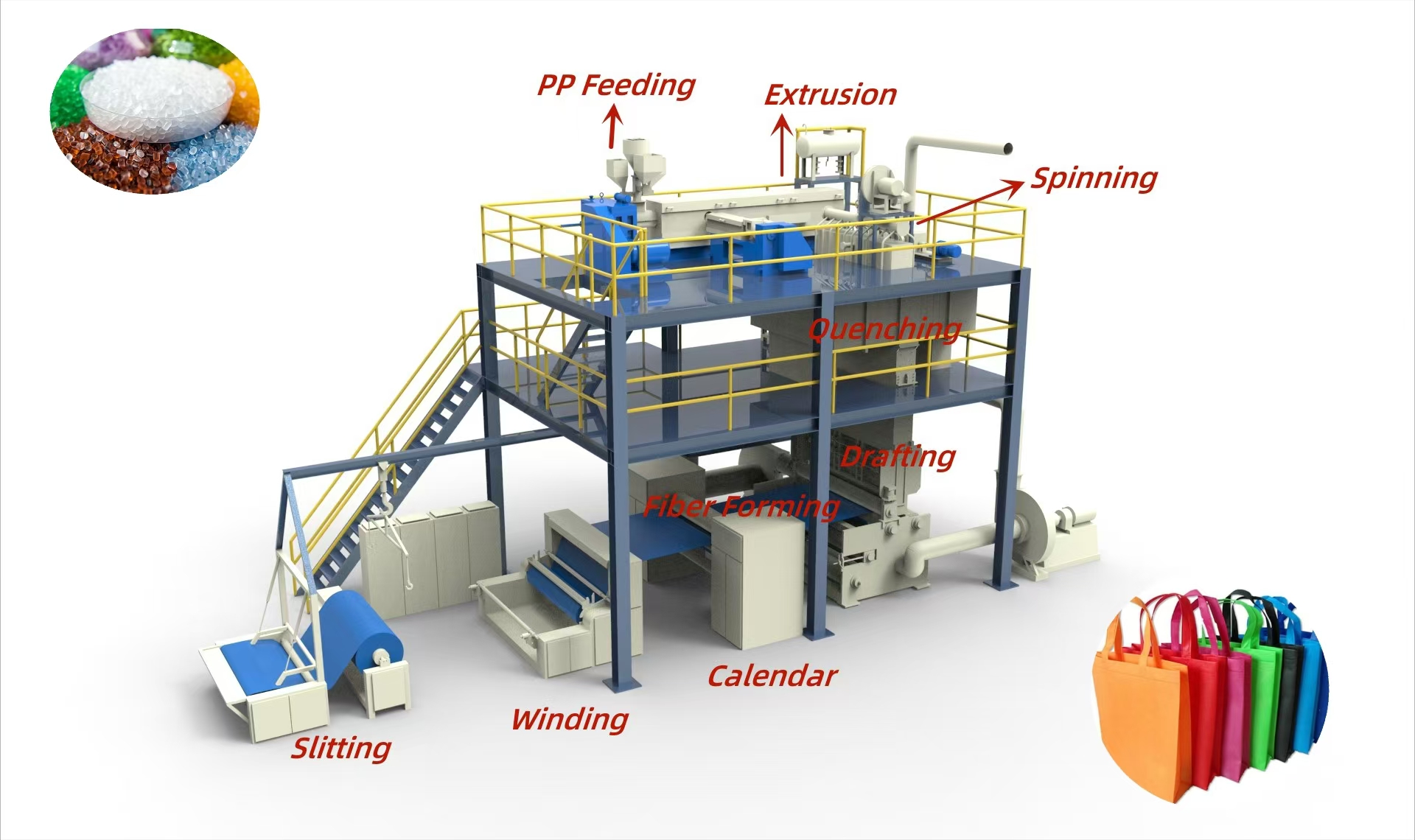
A Spinneretis a tool used in the production of fibers, playing an instrumental role in the textile industry, particularly for the manufacturing of Nonwoven materials such as spunbond fabrics. The spinneret is essentially a metal plate with numerous microscopic holes that extrude molten polymers to form continuous filaments. Within various industries, spinneret designs are tailored to achieve specific needs, ensuring that the resulting fibers maintain desired characteristics such as tensile strength, uniformity, and efficiency in production processes.
Applications of Spinneret in Spunbond Nonwoven Lines
When it comes to spunbond nonwoven lines, the spinneret is the cornerstone for manufacturing lightweight, durable, and diverse fabrics. Nonwoven materials are critical in multiple sectors, including medical, agricultural, packaging, and hygiene products. The spinneret for spunbond nonwoven lines is designed to produce fine and uniform filaments that integrate into these applications seamlessly.
Using high-quality spinnerets ensures the consistency of fiber dimensions and enhances the strength and texture of the end product. For example, the precision of the spinneret holes directly impacts the nonwoven material’s breathability, filtration efficiency, and aesthetic appeal.
How to Clean Spinneret Properly?
Maintaining a spinneret plays a significant role in product quality and operational efficiency. Dust, debris, and residue may accumulate over time in the spinneret's micro-holes, leading to inconsistencies in fiber extrusion and overall product quality. Here’s how to properly clean a spinneret:
1. Initial Inspection: Remove the spinneret from the machine and inspect it for visible buildup or blockages.
2. Soft Cleaning: Use a soft brush or air compressor to gently remove any loose particles or debris.
3. Chemical Cleaning: For more stubborn residue, immerse the spinneret in a specialized cleaning solution designed for polymer residue removal. Follow the manufacturer's instructions carefully.
4. Ultrasonic Cleaning: Utilize ultrasonic cleaning systems to remove fine debris, particularly for high-precision spinneret plates.
5. Post-Cleaning Inspection: Reinspect the spinneret to ensure all residues are removed. Regular maintenance schedules are recommended to avoid clogging issues and ensure consistent production quality.
Key Considerations for Selecting High Precision Spinneret Plates
When sourcing spinnerets for spunbond nonwoven lines, high precision is essential. Here are several factors to consider:
1. Material Quality: Spinnerets are often made from stainless steel alloys or other durable materials to resist corrosion and wear.
2. Hole Design: The size, shape, and density of the holes on the spinneret plate directly impact the fiber properties. Precise hole engineering can achieve consistent filament uniformity.
3. Customization Options: Many manufacturers offer customizable spinneret designs to fit specific production requirements.
4. Manufacturer Reputation: Sourcing spinnerets from trusted suppliers ensures reliability and long-term performance.
Common Challenges in Spinneret Maintenance
While spinnerets are designed for durability, they are not impervious to common operational challenges. Over time, issues such as clogging, uneven extrusion, and surface wear may arise. Proactive measures, including regular cleaning schedules and inspections, can significantly minimize downtime and optimize production efficiency.
Additionally, investing in state-of-the-art cleaning technologies, such as advanced ultrasonic cleaning machines, can prolong the lifespan of spinnerets and enhance their efficiency during production.
FAQs About Spinneret
Q: Can spinnerets be reused after cleaning?
A: Yes, spinnerets are highly durable and can be reused after proper cleaning and maintenance. However, regular inspections are necessary to ensure their quality.
Q: What types of polymers can pass through a spinneret?
A: Spinnerets can extrude a wide range of molten polymers, including polypropylene, polyethylene, and polyester, commonly used in nonwoven production.
Q: How long does a spinneret typically last?
A: The lifespan of a spinneret largely depends on the material quality and maintenance practices. With proper care, spinnerets can last multiple years.
To sum it up, a spinneret for spunbond nonwoven lines is a critical tool driving innovation and quality in the nonwoven textile industry. Ensuring proper cleaning, precision in design, and maintenance are crucial to achieving consistent performance and long-lasting usage. Whether you're in the market for a new spinneret or seeking effective maintenance strategies, understanding its critical role will help you maximize your investment and meet production goals effectively.