



How to Optimize the Web Forming Unit for High-Speed Spunbond Lines
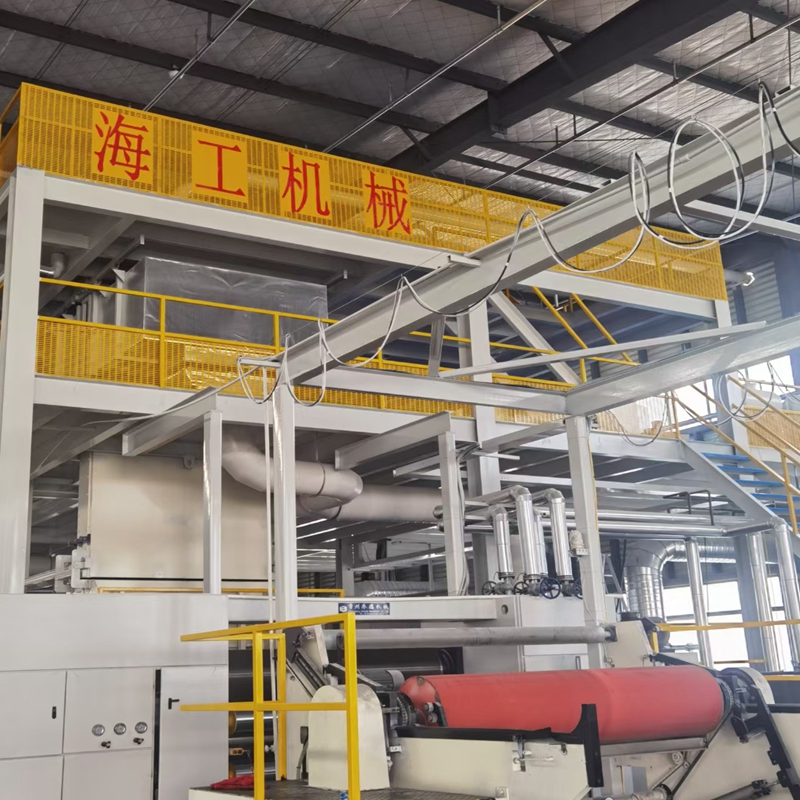
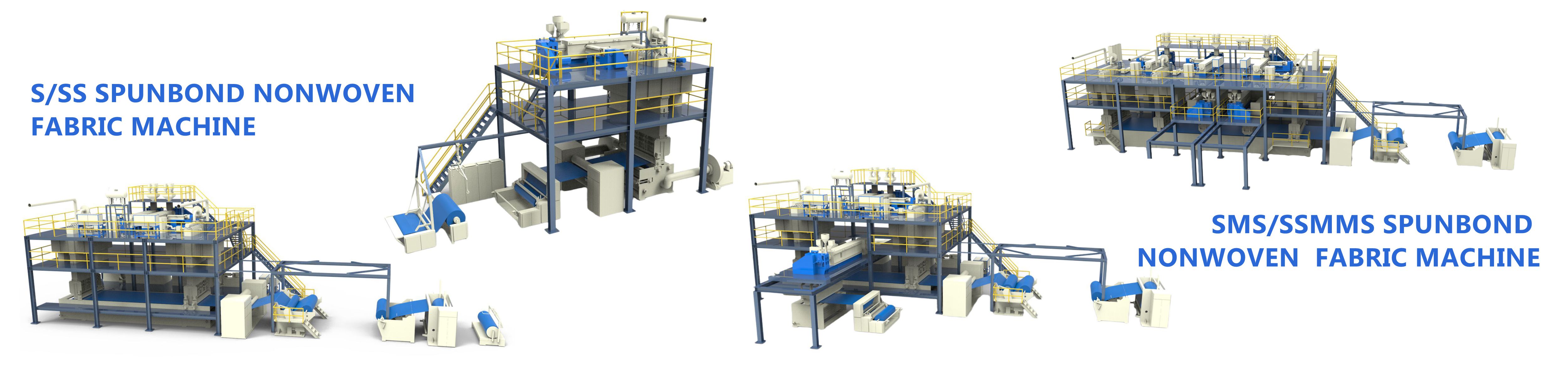
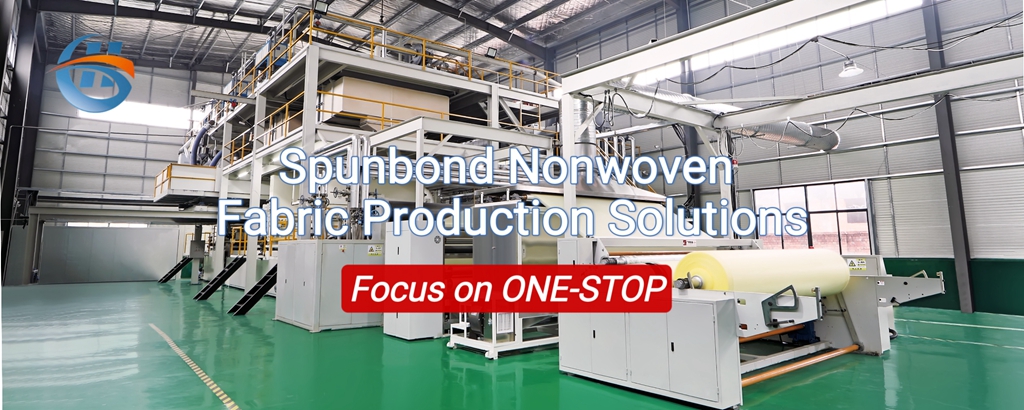
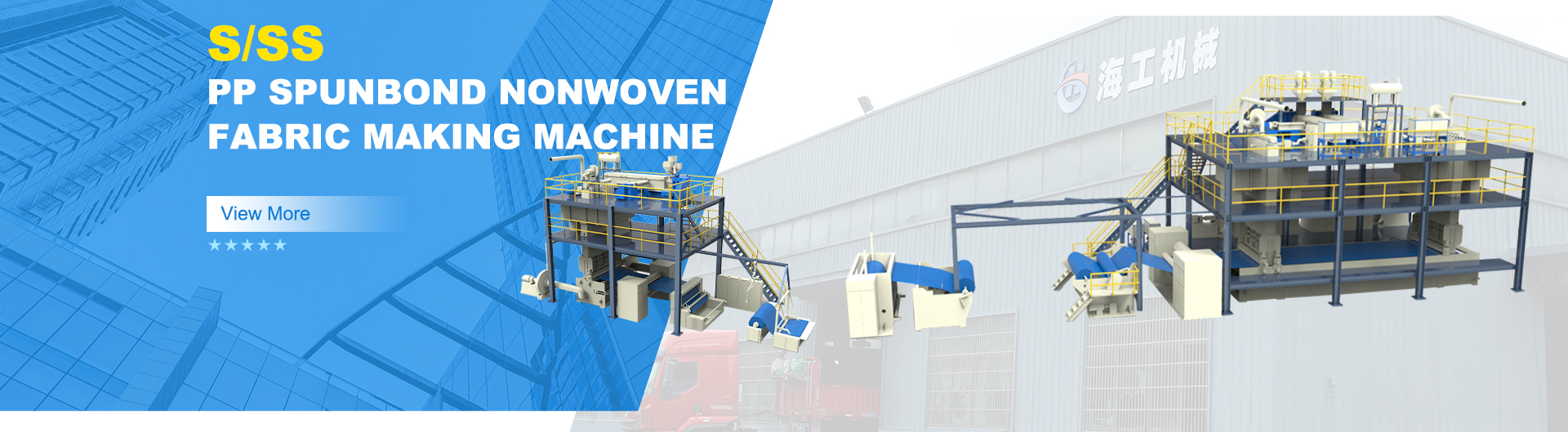
The productivity and success of a high-speed spunbond production line depend primarily on how well the spunbond part of the forming machine operates and its production capacity. Increasingly there is a demand for Nonwoven goods across all industries — including hygiene, medical and filtration — so optimising the forming machine is critical for achieving high productivity and quality products. Therefore, this article will discuss different practical approaches to forming process optimisation, how to address issues such as fibre web uniformity and production speed, as well as other aspects that will improve overall system productivity.
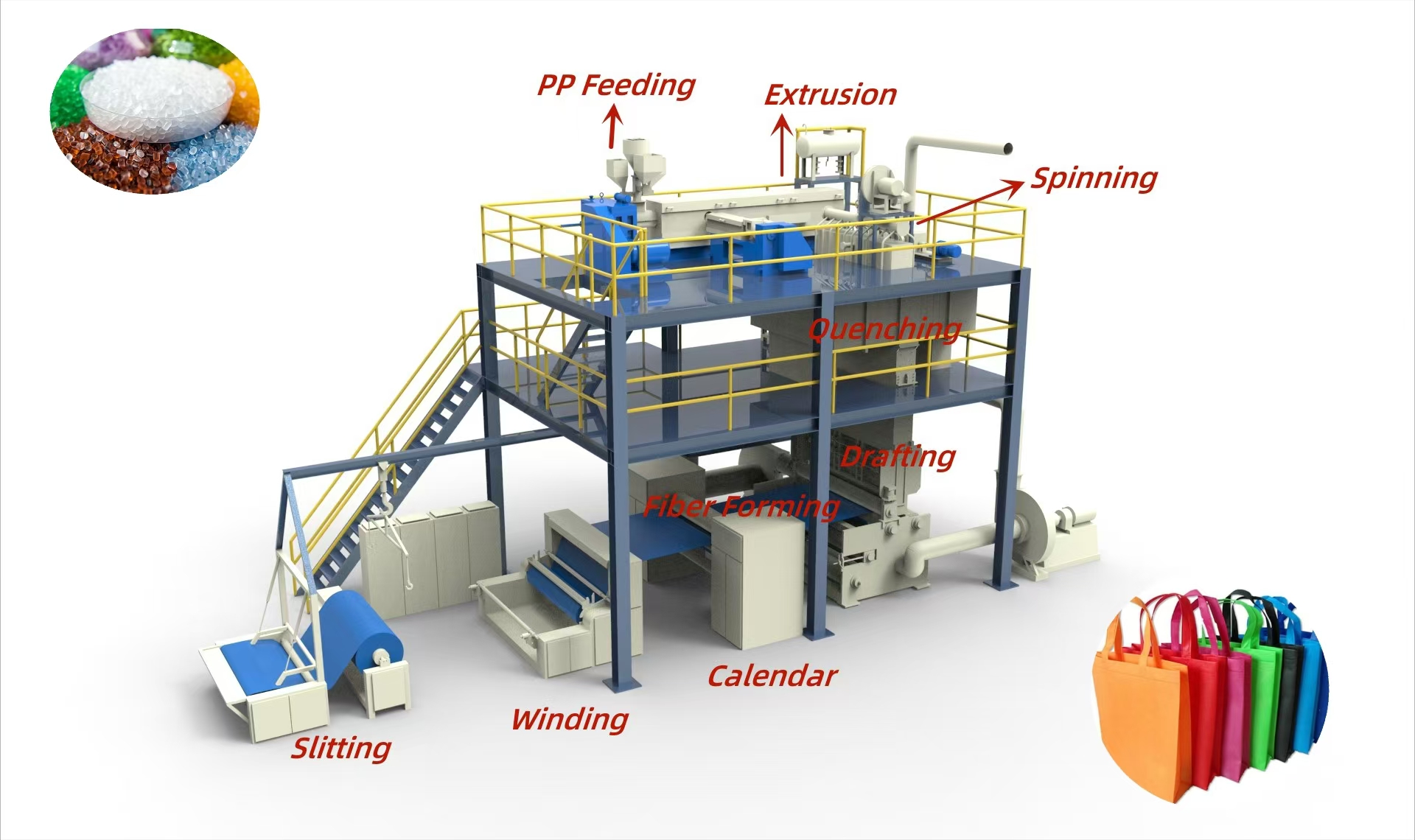
Understanding the Web Forming Unit
An appropriate web forming unit is essential to the production of Spunbond Fabrics; if it does not work correctly, the machine will produce a web that has inconsistent densities throughout, an insufficient amount of product produced per hour, and poorly bonded fibers. These deficiencies affect the quality of the finished goods and increase operational costs.
Why Optimization Matters
To be competitive in nonwovens production, manufacturers will need to optimize web forming machines for better-performing products, with less overall waste created and improved use of resources. More precise settings will improve the uniformity of fiber webs produced, thus leading to better product quality, more profit/losses, as well as higher levels of customer satisfaction due to improved performances from the web forming unit.
Key Strategies for Optimizing the Web Forming Unit
Below are proven approaches to boost the efficiency and productivity of the web forming system:
1. Ensure Proper Airflow Control
It is vital to keep the airflow through the fiber when forming the web so that the fiber can be fabricated into a consistent-sized web. The airflow to the web can vary and create inconsistency in the weight of the finished web by providing uneven fiber deposition. To ensure that there are no variations in the airflow to the web forming section, it is important to use precise air distribution systems.
2. Utilize Advanced Spinneret Technology
The design of the spinneret has a great impact on how well it controlled the melt of fibre in an extrusion operation. Designing the spinnerets properly will lead to reduced fibre breakage, and uniform distribution of fibres, enabling a better quality product in final web production.
3. Optimize Conveyor Speed and Tension
To achieve uniform fibers in your web, you need to have the speed of the web and its conveyor tension set correctly. You must establish the proper balance of these variable parameters as related to your manufacturing process to ensure that the fibers are consistently delivered free of flaws, such as sagging or pulling.
4. Monitor Temperature Consistency
A web formed with an unstable level of pressure and heat at different stages throughout the extrusion and/or bonding processes will produce an unstable web. A stable environmental temperature and monitoring of heating can provide a means for maintaining consistent web quality.
5. Integrate Automated Control Systems
Real-time observation of and adjustment for many variables such as air movement, conveyor speed, temperature and so forth are made possible through the use of automation technology. Many of today’s automated WFM use AI to improve the quality of production and increase efficiency, thus minimizing manual labor.
Challenges in High-Speed Operations
While high-speed production lines have increased productivity, they create a new set of challenges (like achieving consistent performance with both a fiber web and two high operating speeds) in the web forming unit (for example). The following are examples of those challenges:
Advanced drafts for controlling fiber deposition help to achieve greater consistency in fiber deposition. Real-time quality monitoring systems will help detect and remove defects prior to causing problems. Regularly maintaining and upgrading components will ensure that your machine is performing at the required level for high-speed operations.
Performance Metrics to Track
To evaluate whether your web forming unit functions optimally, track these key metrics:
- Uniformity in Weight: For the final item to have the desired level of consistency, it must have a uniform weight across all fibers.
- Efficiency of Production: Achieving maximum quality products at a high rate of production.
- Use of Energy: The amount of energy consumed by a piece of equipment will reflect if it has been properly adjusted.
Frequently Asked Questions
QUESTION: What steps can I take to enhance my web-forming system for high-speed spunbond lines?
ANSWER: Control of air flow, configuration of spinnerets, speed of conveyor system, temperature stabilization, and adding automated controls are the main areas you should focus on for improvement. In addition, you need to consistently perform preventive maintenance on your equipment and monitor the quality of your products in real-time.
To summarize, the principal factors that contribute to the formation of non-uniform web fibers include variable airflow, improper conveyor configuration, and ambient temperature variation. These problems can be remedied by calibrating or replacing your process components as needed.
By having systems that monitor these production variables in real time, it will reduce the chances of human errors while increasing the overall efficiency of production. Automating the web forming unit will help to maintain exact increments between production variables.
Conclusion
In order to optimize high-speed Production Lines for Web Forming Machines Utilizing the Spunbond process, various factors must be taken into account; these include air flow adjustment; advancements in technology; and precise monitoring of all components throughout a system. By concentrating on uniformity, consistency and efficiency, manufacturers will produce more goods and higher quality Nonwovens. Continued technological advancement within the United States is essential to maintain a competitive advantage as the Nonwoven Industry continues to expand.