



Different types of Calendars Used in Spunbond Nonwoven Production
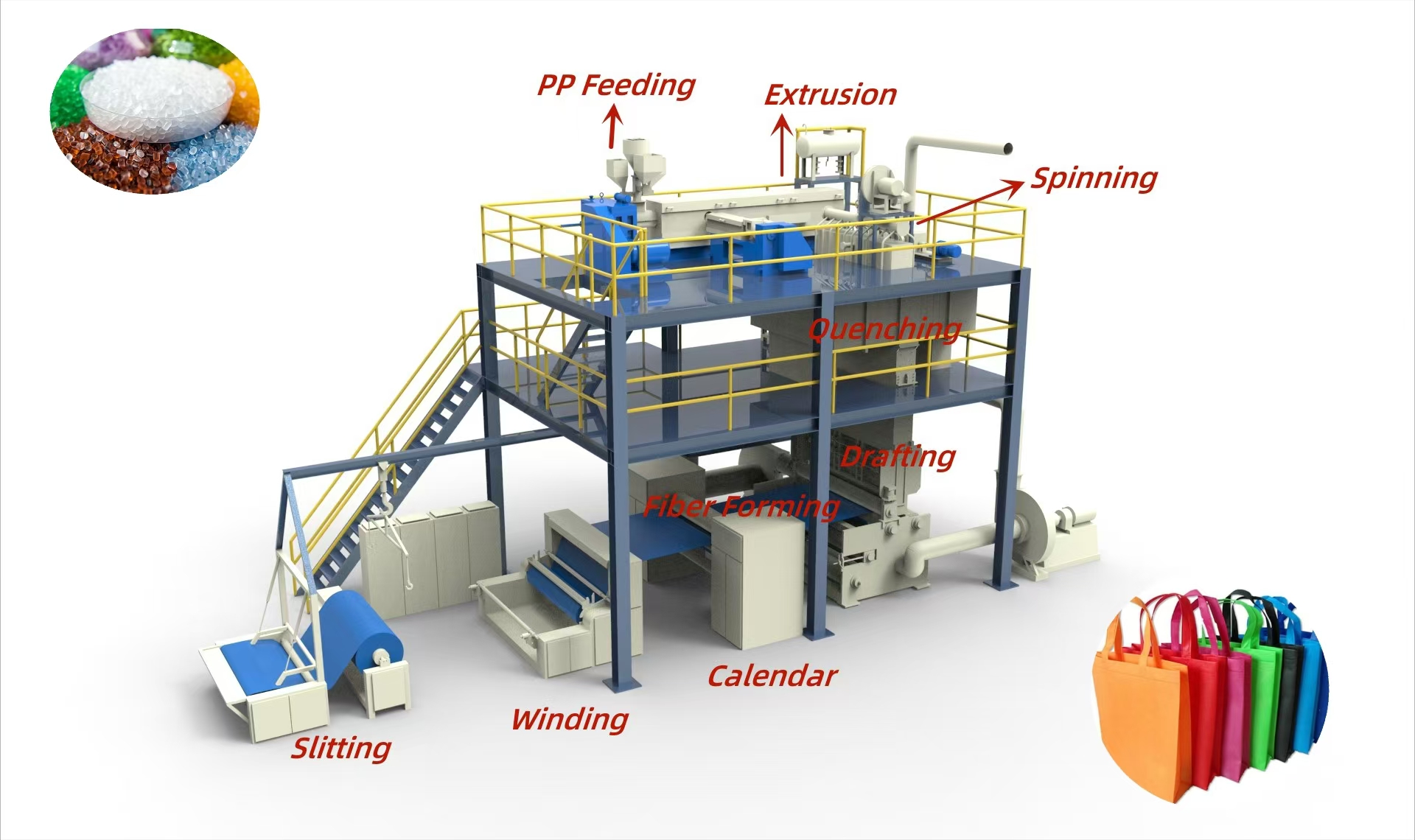
The Importance of high-quality machine precision during the manufacturing process is critical to producing high-quality Nonwoven materials. Among all of the equipment used in the spunbond nonwoven manufacturing process, the calendar has an essential role that directly impacts the character of the finished product (texture, weight, appearance) and therefore, selecting a calendar appropriate for your spunbond nonwoven machine is critical to successfully producing nonwoven products and optimizing both production efficiency and cost-efficiency. This article will examine several factors that are important when selecting calendars for your nonwoven production lines and will outline several different types of calendars that are available and used in different types of applications.
What Is a Calendar in a Spunbond Nonwoven Production Line
A calendar in a spunbond nonwoven production line is essentially a device that consists of at least one set of heated or cooled metallic rollers that are usually made from steel. The calendar applies both pressure and heat to the nonwoven fabric to help bond, smooth, or emboss the fabric. Also, the calendar affects the physical characteristics of the final product such as thickness, density and aesthetics. Each calendar is designed and constructed specifically to meet the needs of the specific production process making it one of the key cornerstones a successful high-production line must have.
Factors To Consider When Selecting a Calendar
There are several factors that should be taken into consideration before selecting the proper calendar for your spunbond nonwoven production line:
1. Material Properties: There will be various settings for a calendar depending on the type of nonwoven material being processed (polypropylene and/or polyethylene for example). The kind of fiber, weight, and thickness of the fabric determines the roller temperature and surface texture chosen.
2. Production Speed: High-speed production lines require calendars with durability, stability, and precision over long operational periods. The calendar must be capable of running at the desired speed without sacrificing quality.
3. Roller Configuration: Calendars differ in types of rollers, such as smooth, engraved, or grooved surfaces. For example, an engraved roller can imprint designs on the nonwoven fabric, adding a visual element or enhancing functionality.
4. Temperature Control: The ability to control temperatures proficiently is critical. Calendars must transfer and maintain heat efficiently for bonding, embossing, and laminating purposes.
5. Maintenance and Longevity: Select calendars constructed from high-quality materials to ensure long operational life and ease of maintenance, based on robust engineering designs of the rollers.
Types of Calendars Used for Spunbond Nonwoven Fabrics
Calendars can be categorized by their primary function and roller style. Below are some examples of commonly used calendars:
1. Thermal Bonding Calendars: Designed for thermal bonding of nonwoven fabric layers using heat and pressure, these calendars are ideal for producing soft and absorbent products like disposable hygiene items.
2. Embossing Calendars: These calendars feature engraved rollers that impart patterns or textures to the material. They are suitable for decorative purposes or for adding functional properties, like grip.
3. Laminating Calendars: Laminating calendars join multiple layers of fabric or polymers and are versatile for applications in industries such as filtration, automotive upholstery, and protective clothing.
4. De-Nipping Calendars: Used for flattening or softening nonwoven fabrics by removing wrinkles and other surface irregularities.
FAQs: Commonly Asked Questions About Calendars
1. How does the calendar temperature depend on the material being processed? The amount of heat required varies with the type of fiber textile. For example, polypropylene requires less heat than polyester, as they have different melting points. Understanding the thermal characteristics of the fabric is crucial when setting the calendar temperature.
2. Can I use the same calendar for all my applications? No, each type of calendar is designed for specific applications. For instance, thermal bonding is often used for hygiene applications, while embossing calendars are better suited for decorative designs on industrial textiles.
3. What is the proper way to maintain the calendar's rollers? Routine cleaning of the calendar's rollers is essential to prevent material buildup and potential damage. Regular inspections for wear and recalibration of the rollers’ alignment help ensure consistent production quality.
4. Can I find replacement parts for calendars in spunbond nonwoven production lines?If you work with a reputable Nonwoven Equipment manufacturer, you should be able to easily acquire replacement parts for your calendars. Collaborating with a supplier offering after-sales support can prevent disruptions in your production process.
Future Trends in Calendar Technology
Continuous innovations in spunbond nonwoven production lines are driving advancements in calendar technology. Automated control systems now allow for real-time adjustments to temperature and pressure, enabling precise manufacturing. Furthermore, new materials, such as ceramic coatings for rollers, enhance both durability and efficiency. These advancements are significantly improving the quality of nonwoven materials and reducing operational costs for manufacturers.
Conclusion
Selecting the correct calendar that meets the requirements of your spunbond nonwoven production line is essential to producing the highest-quality finished products while maintaining efficiency. By understanding the specific needs of your materials, production goals, and applications, you can choose the most suitable calendar that aligns with your business objectives. Always work with reputable manufacturers who provide well-designed products, customization options, and reliable after-sales service. Embracing advancements in calendar technologies will help your nonwoven manufacturing operations remain competitive and profitable.