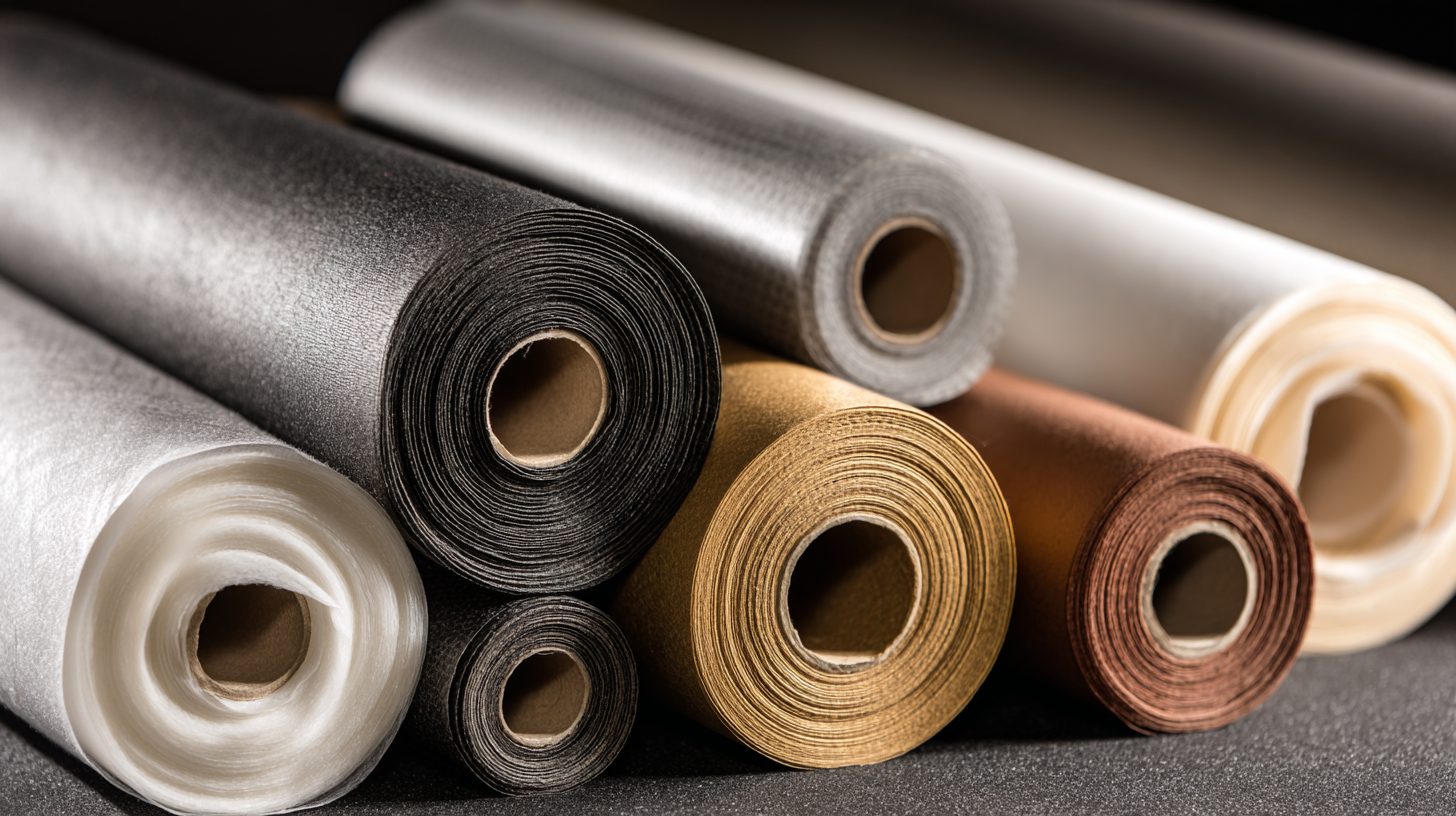
Lately, I've noticed that demand for Spunbond Nonwoven Fabric has really skyrocketed. It’s mostly because industries like hygiene, healthcare, and construction are expanding so quickly. According to a report from MarketsandMarkets, the global market for nonwoven fabrics is expected to hit around USD 54.82 billion by 2025. And a big reason for this growth is the versatility and affordability of Spunbond Nonwoven Fabric—it's playing a huge part in driving things forward.
Here at PUJIANG HG Nonwoven MachineRY CO., LTD., we’re all about tapping into this potential. We offer high-efficiency, innovative production solutions specifically designed for Spunbond Nonwoven Fabric. Our state-of-the-art machines don’t just boost productivity—they also help ensure top quality and sustainability. So, businesses can really take advantage of these growing market opportunities. In this post, I’ll run through the 7 best ways you can use Spunbond Nonwoven Fabric in your business and make the most out of it.
Understanding Spunbond Nonwoven Fabric and Its Benefits
Spunbond nonwoven fabric has really become quite the versatile material, changing the game across a bunch of industries. If you're in business, it’s pretty important to get a good grip on its benefits—it could be a real game-changer. These fabrics are super lightweight but also strong, and they do an excellent job at blocking stuff, which makes them perfect for everything from hygiene products to filtration systems. Because of all this, they’re gaining popularity worldwide, especially in Asia, where the demand for nonwoven options is just keeps growing.
Lately, tech improvements have made spunbond nonwovens even more valuable. For example, now companies can produce eco-friendly versions using bio-based materials. That way, they can cut down on environmental impact without sacrificing performance—pretty neat, right? Plus, ongoing advancements like stretch features mean these fabrics can now meet the specific needs of healthcare, industrial, and other specialized uses. Companies that stay on top of these innovations and adapt early will definitely have an edge in the technical textiles market, as they can better serve changing consumer preferences and environmental expectations.
Innovative Applications of Spunbond Nonwoven in Packaging Solutions
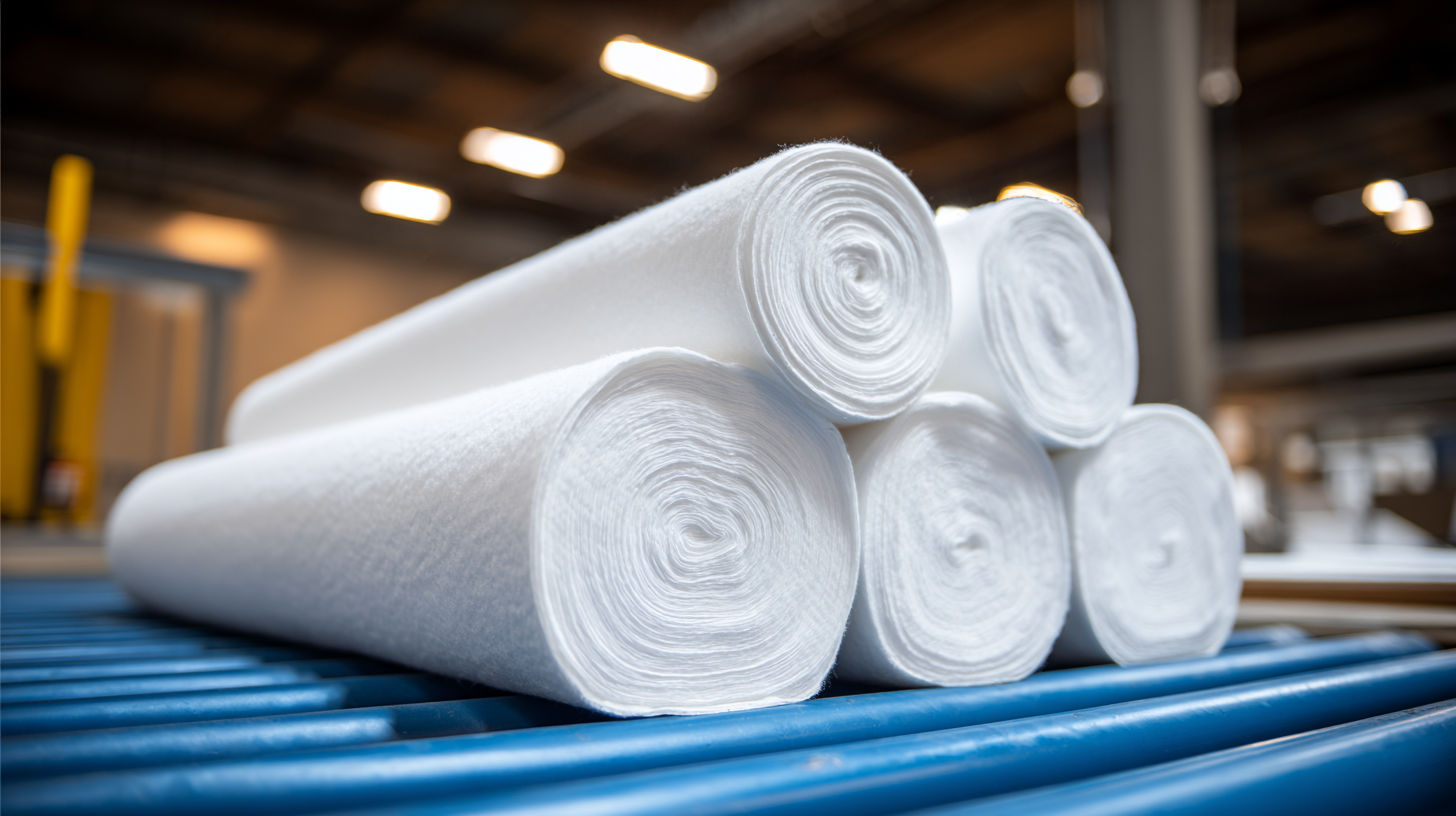
Spunbond nonwoven fabric has really become a game-changer in the packaging world. It’s offering some pretty innovative solutions that boost both sustainability and performance at the same time. You know, according to a report from Smithers Pira, the global market for nonwoven fabrics is expected to reach around $60 billion by 2025 — all thanks to the growing demand in packaging. What’s cool about spunbond technology is that it allows us to create lightweight yet strong materials, which can hold up well in all kinds of conditions. That makes them super versatile, whether it’s for medical supplies, consumer goods, or just everyday packaging needs.
One thing I find really interesting is how these fabrics contribute to more eco-friendly packaging options. They can be made using biodegradable or recyclable materials, which is pretty much what today’s consumers are looking for. I came across a study by the Sustainable Packaging Coalition that said about 74% of people are willing to pay a bit more for sustainable packaging — talk about a huge market opportunity for brands that start using spunbond nonwoven fabrics. Not only do these materials do the job perfectly, but they also tick the box for environmental concerns, making them a really important part of future packaging designs.
Cost-Effective Strategies for Using Spunbond Nonwoven in Production
Spunbond nonwoven fabric has really become a go-to material these days, thanks to its versatility and affordability across different industries. One of the coolest things about spunbond is how fast you can produce it. It’s capable of being made in huge amounts pretty quickly, which helps cut down on labor costs and time compared to old-school weaving. This rapid production means companies can respond to customer demand faster while keeping expenses in check.
Plus, using spunbond’s durability and strength in product design is a smart move. Unlike some other materials that might need extra reinforcement, spunbond is tough enough on its own—making it perfect for things like packaging and medical supplies. Businesses can get the most bang for their buck by creating lightweight yet sturdy products, balancing quality and cost effectively. Another bonus? It’s resistant to moisture and chemicals, so there’s potential to explore new market niches and develop innovative products tailored to specific industry needs.
Utilization of Spunbond Nonwoven Fabric in Business
Enhancing Product Durability with Spunbond Nonwoven Fabric
Spunbond nonwoven fabric has really been catching on in a bunch of industries lately, and honestly, it’s easy to see why. This stuff is tough as nails and super versatile. One of the biggest perks? It holds up really well over time. So, if you're using it for products that need to last, it’s pretty much a no-brainer. Companies that start using spunbond nonwoven fabric often notice their products get a serious durability boost because the fabric resists fraying, stretching, and all those little damage issues that can crop up.
Plus, it’s not just tough — it’s also resistant to moisture but still breathable, which makes it perfect for things like agricultural covers or medical textiles. When manufacturers switch to this material, they’re able to make products that aren’t just long-lasting but also perform better overall. Oh, and let’s not forget how lightweight it is — that makes it easier to handle during production and shipping, saving time and effort in the long run. Jumping on the spunbond bandwagon? It’s a smart move because it helps brands stand out with high-quality, durable stuff that customers can really trust.
Sustainable Practices: Eco-Friendly Uses of Spunbond Nonwoven Fabric
You know, spunbond nonwoven fabric has really become a go-to for folks looking to be more eco-friendly across different industries. It’s quite versatile — made from continuous filaments — so you see it popping up everywhere, like in medical supplies and hygiene products. What’s even better is that you can make this stuff using recycled materials or with more sustainable sourcing methods, which just makes it all the more attractive. It’s kind of exciting to think about how businesses can jump on the green bandwagon this way.
If you're thinking about using spunbond nonwoven fabric more sustainably, a good starting point is to find suppliers who actually prioritize eco-friendly processes. Look for fabrics produced with renewable energy or those made through closed-loop systems to cut down on waste. And hey, why not get creative and incorporate these fabrics into your products? Things like reusable shopping bags are a perfect example—they help cut down on plastic waste and show your customers that you’re serious about sustainability.
Another great idea is to promote the recyclability of your spunbond nonwoven products. Encourage people to send back used items for recycling, or maybe offer some kind of incentive to motivate them. Supporting the circular economy not only boosts your brand’s image but also makes a real difference in protecting the environment—plus, more and more consumers are eager to support brands that are doing their part.
All in all, it’s about making smarter choices and showing your customers you care about sustainability. It’s a win-win for everyone, really.
Key Factors to Consider When Selecting Spunbond Nonwoven Fabric for Your Business
When you're choosing spunbond nonwoven fabric for your business, there are a few key things you really want to keep in mind to get the best results. First up is the fabric's weight and thickness — yeah, those details matter quite a bit. According to a 2022 market report by Smithers, the global nonwoven fabric market is expected to hit around $57 billion by 2026. That kind of growth really highlights how important it is to pick the right specs because they directly affect how durable, breathable, and overall useful your fabric will be — whether it's for hygiene products, agricultural covers, or whatever else you're working on.
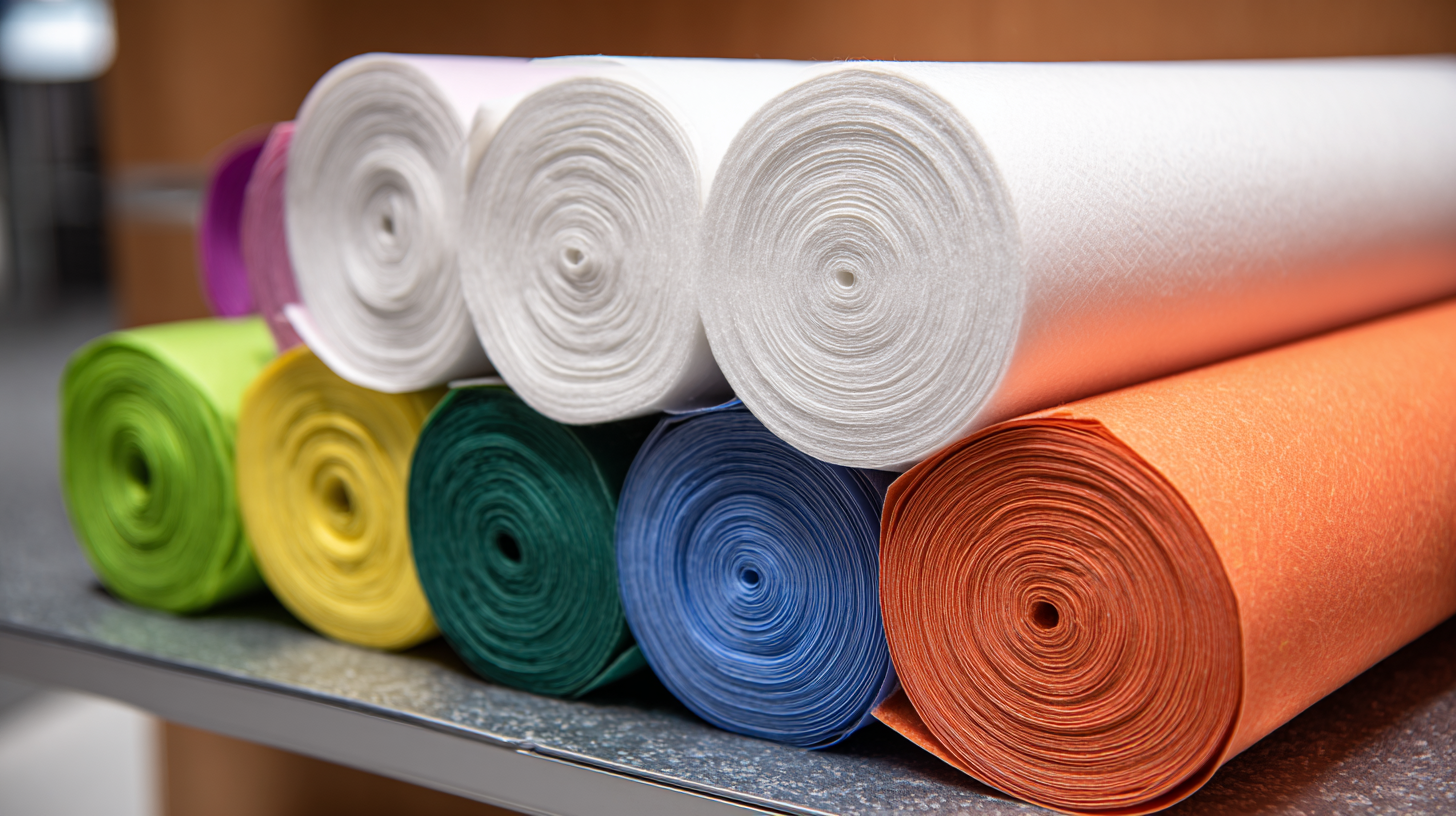
Another thing to consider is the type of polymer used in making the fabric. Usually, folks go for polypropylene or polyester because they've got their own strengths. For example, a study from the Nonwovens Institute points out that polypropylene spunbond fabrics typically have a tensile strength over 30 MPa, making them perfect for more demanding, high-performance needs. And, on top of all that, sustainability is becoming really a big deal these days. More and more, people are after eco-friendly options, with a 25% jump in demand for biodegradable nonwovens — folks are just more conscious about the environment now. So, if you keep these things in mind when choosing your spunbond nonwoven fabrics, you'll be able to improve your products and stay ahead of what the market is demanding — easier said than done, but totally doable!
FAQS
: Spunbond nonwoven fabric is a lightweight and durable material widely used in the packaging industry, known for its versatility and ability to maintain strength under various conditions.
Spunbond nonwoven fabric can be produced using biodegradable or recyclable materials, aligning with consumer preferences for sustainable products and addressing environmental concerns.
A study by the Sustainable Packaging Coalition found that 74% of consumers are willing to pay more for sustainable packaging, indicating a growing market potential for eco-friendly solutions.
Spunbond nonwoven fabric is resistant to fraying, stretching, and damage, enhancing product durability and longevity, which is essential for products that undergo wear and tear.
Its moisture resistance and breathability are critical for agricultural covers and medical textiles, allowing manufacturers to produce items that meet specific performance needs.
Businesses should consider fabric weight, thickness, the type of polymer used (like polypropylene or polyester), and sustainability options to ensure maximum performance for their applications.
The global nonwoven fabric market is projected to reach $60 billion by 2025, highlighting the increasing demand across various applications, including packaging.
Its lightweight characteristics allow for easier handling during production and transportation, contributing to overall efficiency within the supply chain.
Polypropylene and polyester are commonly used due to their unique properties, such as high tensile strength, making them suitable for high-performance applications.
There is a notable shift toward eco-friendly options, with a 25% increase in demand for biodegradable nonwovens as consumers become more environmentally conscious.
Conclusion
In today's ever-changing world of business solutions, Spunbond Nonwoven Fabric really packs a punch with a bunch of perks that you can use across different applications. Getting a good handle on how this versatile fabric can benefit your business is pretty important — it can boost your packaging game and help make your products more durable. Plus, there are smart, cost-effective ways to produce it, so you get efficiency without sacrificing quality. And if you're into eco-friendly practices, using Spunbond Nonwoven Fabric aligns nicely with the rising demand for sustainability in manufacturing.
When you're choosing Spunbond Nonwoven Fabric for your company, it’s good to keep in mind things like the material’s properties and whether it fits your specific needs. Companies like PUJIANG HG NONWOVEN MACHINERY CO., LTD. are major players in this space, offering innovative, high-efficiency production solutions. By tapping into the cool new applications of this fabric, your business can stay competitive and do its part for the environment at the same time.