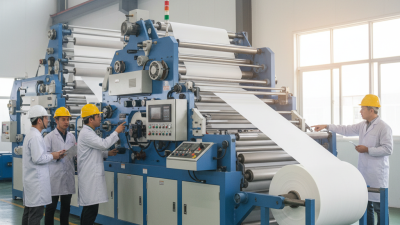
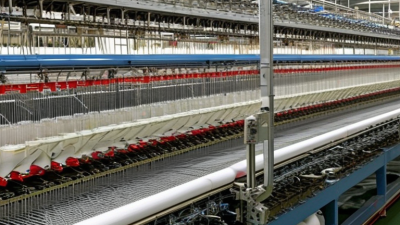
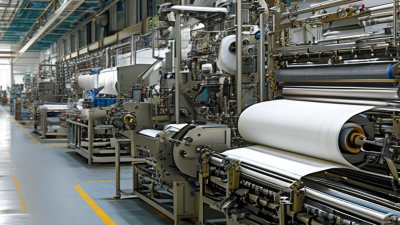
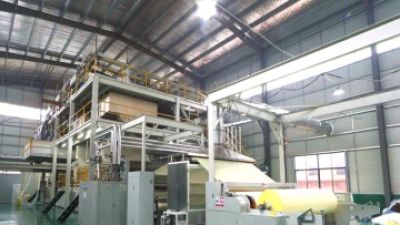
Picking the best Nonwoven Fabric making machine in China isn’t just about shallow things like comparing prices or looking at factory pics. You really need to dig deeper—check out the production capacity, how stable the materials stay during process, energy efficiency, automation features, and after-sales support. A solid machine should be able to process polypropylene pellets evenly and produce fabric that’s consistently good across different GSMs. Even small differences matter—they can impact softness, strength, filtration ability, and whether your customers will accept the final product.
This isn’t about falling for fancy claims; it’s about real, practical evidence. Think about machine demos, factory visits, quality of components, installation history, and feedback from those who operate it every day. A modern Spunbond nonwoven fabric machine might come with features like automatic feeding, precise temperature controls, online monitoring, and winding systems. But honestly, those features only matter if they actually make your daily production easier or more efficient.
For example, a 1.6-meter line could be perfect if you’re supplying regional hygiene products. But if you’re handling big medical or agricultural orders, you might need a wider line. The right choice really depends on your output goals, available space, raw material supply, and how skilled your team is with maintenance.
Big names like Hengli Machinery, A.Celli, and Reifenhäuser often pop up in industry talks, but don’t just rely on brand reputation. Always ask for samples of fabric, tested output data, spare parts lists, and clear warranty details. And don’t forget to pay attention to power consumption—especially if your line will be running nonstop. No machine is perfect, even the most automated ones—they can lose efficiency if sensors malfunction or if operators aren’t well-trained. Sometimes, hidden issues like slow service can sneak up on you. So, at the end of the day, the best nonwoven fabric making machine in China is the one that consistently delivers stable quality, measurable efficiency, and reliable support that fits your actual production setup.
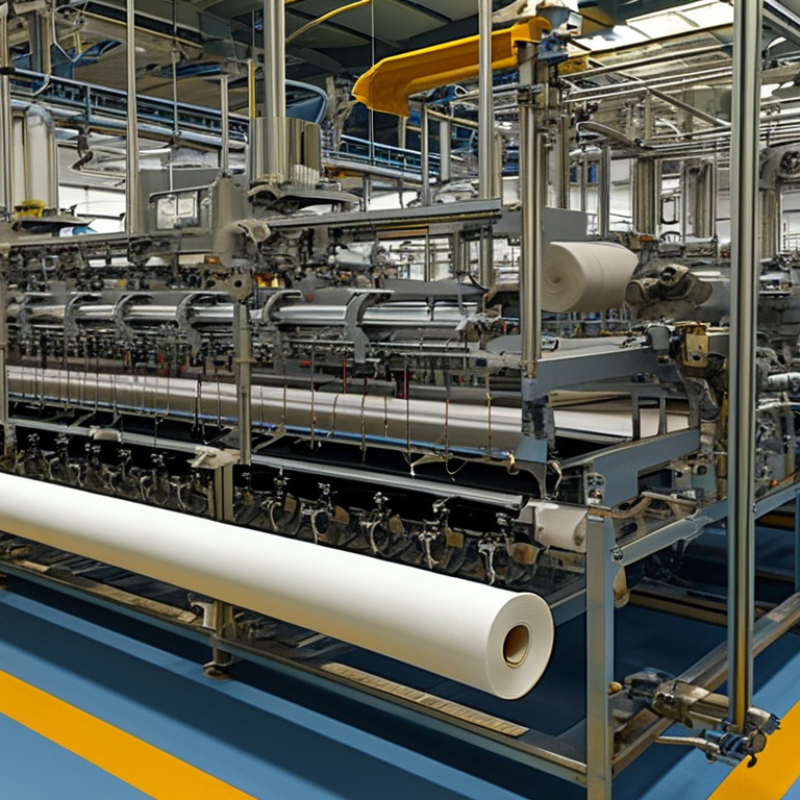
What defines a top nonwoven fabric making machine in China? In practice, it delivers stable output, not impressive speed alone. A reliable SMS Nonwoven Fabric Making Machine should produce even layers across the full fabric width. Operators often check GSM variation, tensile strength, softness, and bonding consistency during every shift.
Control precision matters. Servo-driven rollers can reduce stretching and uneven web formation. A responsive PLC system should display temperature, pressure, speed, and alarm data clearly. Automatic tension adjustment also helps when raw material conditions change. Small details matter. A blocked filter should trigger a visible warning before fabric quality declines.
Energy use and maintenance deserve equal attention. A well-designed line allows quick access to filters, heating units, and spinning components. This can shorten cleaning time and reduce unnecessary downtime. In my experience, simple maintenance access is often more valuable than a complicated feature list. No machine is perfect. Some high-speed lines may create more waste during startup, especially when settings are rushed.
A dependable supplier should provide material trials, technical drawings, operating guidance, and documented testing results. Buyers should ask for production data using similar polymers and fabric weights. Factory noise, compressed-air demand, and spare-part availability also affect long-term costs. A machine may look excellent during a demonstration, yet performance under continuous production reveals more. That is where careful evaluation becomes essential.
What Is the Top Nonwoven Fabric Making Machine in China?
Chinese nonwoven machines are best classified by fiber formation and bonding method. Spunbond lines extrude continuous polymer filaments, usually polypropylene, then bond the web thermally. This is the main category for a Pp Nonwoven Fabric Making Machine. Meltblown equipment creates very fine fibers for filtration media. Spunlace systems use high-pressure water jets, while needle-punch machines mechanically entangle fibers for geotextiles and automotive materials.
The classification becomes more practical when production data is included. Smithers’ 2024 nonwovens market report estimated global demand at more than 14 million tonnes in 2023. It also identified hygiene, filtration, construction, and medical applications as major growth areas. Different products require different machines. A spunbond line may target 10–150 grams per square metre, while needle-punch equipment commonly handles thicker webs. Web width, output speed, energy use, and automatic tension control deserve close inspection.
Chinese equipment is also grouped by bonding structure. Single-beam lines suit basic production; multi-beam lines improve strength and output. Some machines combine spunbond and meltblown units. These hybrid systems can produce layered filtration fabrics, but maintenance becomes more demanding. Classification is useful, but not perfectly clean. In factory audits, operators sometimes prioritize speed over uniformity. That choice can create weak edges, uneven basis weight, or unstable roll formation. A “top” machine should therefore match the required fabric, not merely advertise the highest capacity.
In China, the most widely used nonwoven production technologies are spunbond, meltblown, spunlace, and needle punching. Spunbond lines form continuous filaments, draw them, and bond the web with heat. They suit hygiene products, packaging, agricultural covers, and many disposable applications. Operators monitor filament uniformity, web weight, and roll hardness during every shift. Small changes in polymer temperature can create visible streaks.
Meltblown equipment uses high-speed hot air to split polymer streams into fine fibers. It produces soft, dense webs for filtration and absorbent structures. Stable air pressure matters as much as die temperature. Spunlace machines entangle fibers with fine water jets. Their fabrics feel textile-like and serve wipes, medical textiles, and personal-care materials. Needle-punched lines mechanically interlock fibers with thousands of needle strokes. They are common for geotextiles, filtration media, carpets, and automotive interiors. Moisture control can still be troublesome.
When selecting a top machine, buyers should match technology with fiber type, target weight, width, and daily output. Energy use, tension control, dust removal, and accessible maintenance points deserve practical attention. Trial production is essential. A specification sheet cannot reveal every weakness. Teams should test edge stability, tensile strength, air permeability, and moisture behavior with documented methods. Experienced technicians also inspect sensors and heating zones before full-speed production. No line is perfect. Even a well-designed system may need slower startup settings or manual adjustments. The best choice is not always the fastest machine, but the line that delivers repeatable quality and realistic maintenance.
When choosing a Nonwoven Fabric Making Machine in China, material compatibility deserves close attention. Different machines handle different fibers, and one production line rarely suits every application. Polypropylene is widely used for lightweight hygiene products, shopping bags, and agricultural covers. It melts evenly and forms stable webs under controlled temperatures.
Polyester is another common option. It offers strength, dimensional stability, and better resistance to heat than polypropylene. Recycled polyester can also enter some lines, but its fiber length and contamination level must be checked carefully. Viscose creates a soft, absorbent fabric for medical and personal-care uses. It usually requires precise blending because excess moisture can disturb web formation. Some machines process biodegradable PLA fibers, although drying and temperature control become more sensitive.
Natural fibers can be more demanding. Cotton, bamboo, and jute may need opening, cleaning, and blending equipment before reaching the main web-forming unit. Needle-punch systems often process cotton, wool, polyester, and mixed fibers for filters, carpets, and automotive materials. Meltblown systems are better suited to thermoplastic polymers with predictable flow behavior. Small errors matter. A slightly uneven feed can create thin spots across the roll. In practical testing, buyers should examine fiber moisture, denier, melting range, and recycled content before selecting equipment. I have found that laboratory trials reveal weaknesses that brochures often hide. The best choice depends on the intended fabric, not merely the machine’s maximum output.
What Is the Top Nonwoven Fabric Making Machine in China?
Machine quality is measured beyond output speed. A reliable Nonwoven Fabric Calender Making Machine must control web tension, roll temperature, nip pressure, and line speed together. Small changes can create uneven bonding, shiny patches, or weak edges.
In production trials, operators should inspect fabric across the full roll width. A stable machine keeps basis-weight variation low and records pressure and temperature continuously. The MarketsandMarkets Nonwoven Fabric Market report projects the market to reach about USD 72.6 billion by 2027. This growth increases demand for repeatable equipment, not simply faster equipment.
Energy use also matters. The International Energy Agency reports that industrial motor systems account for a major share of industrial electricity consumption. Efficient drives, insulated heating zones, and heat recovery can reduce operating waste. Yet energy claims need verification under real production loads. A low figure on a brochure can mislead.
Control software should provide alarms, trend charts, and accessible maintenance records. Operators need quick access.
Safety is practical quality.
Emergency stops, guarded rollers, and clear cleaning procedures protect workers and reduce downtime. A robust frame also limits vibration at high speed. However, excessive automation may confuse inexperienced operators. Training still matters. The best evaluation combines factory testing, sample fabric analysis, spare-part availability, and documented after-sales response. No machine is perfect; even a strong design deserves periodic review.
Choosing the top nonwoven fabric machine in China requires more than comparing advertised speed. Grand View Research valued the global nonwoven fabrics market at about USD 53.86 billion in 2023. Its forecast indicates a 7.2% annual growth rate through 2030. This demand covers hygiene, filtration, medical, and construction materials.
Compare manufacturers through the product you actually need. A spunbond line may suit strong polypropylene fabric, while an SMS line adds a meltblown barrier layer. Ask for verified output at your target GSM, not the highest brochure figure. Request production samples using your polymer grade, width, and basis weight. Check web uniformity under bright inspection lights. Small streaks matter. They can become customer complaints.
A serious comparison should include energy use per kilogram, automatic tension control, die maintenance, spare-part lead times, and operator training. Smithers’ The Future of Global Nonwovens to 2029 highlights hygiene and filtration as important growth applications, where consistency often matters more than peak speed. Review factory acceptance testing records and at least twelve months of operating data. Ask how downtime is logged. The spreadsheet can lie. Site visits may reveal untidy cable routing, weak documentation, or impressive machines with limited commissioning support. ISO 9001 certification helps, but it does not replace a technical audit. Check electrical standards, safety guarding, software access, and remote-service response before signing. A lower quotation may hide costly installation delays.
The table below compares the main nonwoven machine categories and practical manufacturer-evaluation criteria. Technical figures are typical industry ranges and should be confirmed against the final machine configuration, raw material, and product specification.
| Comparison Dimension | Spunbond Line | Meltblown Line | SMS/SMMS Composite Line | Needle-Punched Line | How to Verify a Manufacturer |
|---|---|---|---|---|---|
| Primary process | Thermoplastic polymer is extruded, drawn, and laid into a continuous web. | Fine polymer fibers are formed by high-velocity hot air and collected as a web. | Spunbond and meltblown layers are combined in one integrated production route. | Carded fibers are mechanically entangled with barbed needles. | Request a process-flow diagram, equipment list, and sample production records. |
| Typical product applications | Hygiene products, shopping bags, agricultural covers, packaging, furniture, and geotextiles. | Filtration media, medical and protective products, and oil-absorbent materials. | Medical gowns, masks, protective apparel, hygiene products, and filtration structures. | Automotive interiors, carpets, insulation, civil engineering, roofing, and artificial leather substrates. | Match the machine to the intended end-use standard, not only to the advertised output. |
| Common working width | Approximately 1.6–3.2 m for many commercial configurations. | Approximately 1.6–3.2 m, depending on the application and filtration target. | Approximately 1.6–3.2 m for many standard production lines. | Commonly about 2.0–6.0 m, with wider systems also available. | Confirm effective width, usable edge trim, and finished-width tolerance in the contract. |
| Typical basis weight range | Approximately 10–180 g/m², depending on polymer, die, and line configuration. | Approximately 10–100 g/m², with fine-fiber applications requiring tighter process control. | Approximately 15–120 g/m² for common medical, hygiene, and filtration products. | Approximately 80–2,000 g/m², depending on web preparation and needle-punch depth. | Require a guaranteed basis-weight tolerance over the agreed production range. |
| Typical line speed | Approximately 50–250 m/min in commercial systems; actual speed depends on basis weight and product quality. | Approximately 20–150 m/min, depending on fiber fineness, basis weight, and filtration requirements. | Approximately 50–200 m/min in many integrated configurations. | Approximately 5–60 m/min, depending on fiber type, basis weight, and punch density. | Compare guaranteed saleable output rather than maximum empty-line speed. |
| Main raw materials | Primarily polypropylene; some systems also process polyester and other thermoplastic polymers. | Usually polypropylene with suitable melt-flow characteristics and controlled additives. | Usually polypropylene for spunbond and meltblown layers, with optional specialty layers. | Polyester, polypropylene, viscose, recycled fibers, wool, and fiber blends. | Ask for an approved raw-material specification and a trial plan for locally available materials. |
| Product uniformity | Controlled through melt distribution, filament drawing, web formation, and calender settings. | Highly dependent on die design, hot-air stability, die-to-collector distance, and suction control. | Requires synchronized control of layer basis weight, bonding, and interlayer adhesion. | Depends on fiber opening, cross-lapping, needle density, and web tension. | Use cross-direction and machine-direction test data from a witnessed factory acceptance test. |
| Energy and utilities | Electric heating, drives, compressed air, cooling water, and web-handling systems. | Electric heating, high-volume hot air, suction, cooling, and compressed air systems. | Combined utility demand of spunbond and meltblown sections. | Electrical drives, compressed air, dust extraction, and sometimes thermal bonding equipment. | Request an installed-load list, expected consumption per kilogram, and utility-quality requirements. |
| Automation requirements | PLC and touchscreen control with closed-loop speed, temperature, tension, and winding control. | More advanced control is needed for hot-air temperature, pressure, suction, and filtration consistency. | Integrated recipe control and synchronization between multiple process modules are important. | PLC control for carding, cross-lapping, needle frequency, web speed, and winding. | Check control-system documentation, spare-part availability, remote diagnostics, and operator training. |
| Quality and compliance documentation | Material certificates, electrical documentation, operating manuals, and machine-safety records. | In addition, filtration-performance test procedures and clean-process documentation may be required. | Requires documentation for layer control, bonding, and product-performance testing. | Requires documentation for needle safety, dust control, noise, and finished-product testing. | Confirm applicable electrical, safety, pressure-vessel, and export requirements for the destination country. |
| Commissioning and acceptance testing | Test basis weight, width, tensile strength, elongation, appearance, and stable output. | Test basis weight, pressure drop, filtration efficiency, fiber uniformity, and output stability. | Test each layer and the composite structure for bonding, uniformity, and target performance. | Test basis weight, thickness, tensile strength, tear strength, and punch density. | Put measurable acceptance criteria, test methods, remedies, and payment milestones in the purchase contract. |
| After-sales service | Installation support, process training, remote troubleshooting, and supply of wear parts. | Specialized support is important because die cleaning and hot-air systems directly affect product quality. | Requires coordinated service for several process modules and control systems. | Needle, carding, lapping, and dust-collection maintenance support should be available. | Compare response time, technician availability, spare-part lead time, warranty terms, and training scope. |
| Best selection principle | A strong choice for high-volume general-purpose nonwoven production. | A strong choice when fine fibers and filtration performance are the priority. | A strong choice when multilayer barrier performance and product integration are required. | A strong choice for thick, durable, bulky, or recycled-fiber products. | Select the supplier with the strongest verified trial results, transparent specifications, service capability, and total cost of ownership. |
PP spunbond nonwoven production lines are gaining attention as manufacturers seek efficient, flexible, and scalable solutions for hygiene products, medical supplies, packaging, agriculture, and industrial applications. Industry research indicates that market development is being shaped by rising demand for lightweight, breathable, durable, and cost-effective nonwoven materials, while producers are also focusing on automation, energy efficiency, and consistent product quality.
Modern production systems can be configured for S, SS, SSS, SMS, SMMS, and SSMMS structures, allowing manufacturers to adjust fabric strength, softness, filtration performance, and barrier properties according to different applications. Advanced control systems, precise fiber distribution, and integrated winding technology help improve production stability and reduce material waste. These capabilities support both standard fabric production and customized solutions for changing market requirements.
A professional nonwoven machinery manufacturer in China provides complete equipment solutions for PP spunbond and melt blown fabric production. Its services can include line design, equipment manufacturing, installation, commissioning, operator training, and technical support. With turn-key project assistance, customers can develop a complete production facility based on target fabric specifications, output requirements, available space, and long-term operating goals.
Spunbond, meltblown, spunlace, and needle punching are widely used. Spunbond forms continuous filaments and bonds them with heat. Meltblown creates fine fibers using high-speed hot air. Spunlace uses fine water jets to entangle fibers. Needle punching interlocks fibers through repeated needle strokes.
Spunbond machines suit hygiene materials, packaging, agricultural covers, and disposable products. They commonly process polymers into strong, continuous-filament fabrics. Operators should monitor filament uniformity, fabric weight, and roll hardness. Small streaks matter. A slight temperature change can create visible lines.
Meltblown technology suits filtration and absorbent structures. It splits polymer streams into very fine fibers with hot air. Stable air pressure is essential during production. Die temperature also needs careful control. A small pressure fluctuation can change fiber quality.
Spunlace fabrics feel similar to textiles and suit wipes, medical textiles, and personal-care materials. Needle-punched fabrics serve geotextiles, filtration media, carpets, and vehicle interiors. Needle strokes mechanically lock the fibers together. Moisture control can still cause trouble. That weakness deserves testing.
Match the machine with fiber type, target fabric weight, width, and daily output. Review energy consumption, tension control, dust removal, and maintenance access. A fast machine is not automatically the best machine. Repeatable quality usually matters more. No line is perfect.
Request trial production with the intended polymer grade, width, and basis weight. Test edge stability, tensile strength, air permeability, and moisture behavior. Inspect fabric under bright lights for streaks and uneven areas. Check sensors, heating zones, and startup settings. Trial production matters.
Compare verified output at the required fabric weight, not the highest advertised speed. Review energy use per kilogram and automatic tension-control performance. Ask about die maintenance, spare-part delivery, training, and commissioning support. Production samples reveal more than brochures. A spreadsheet can lie.
Review factory acceptance records and at least twelve months of operating data. Ask how downtime, alarms, and maintenance work are recorded. Inspect cable routing, safety guards, electrical standards, and software access. Confirm remote-service response times before signing. Lower prices may hide installation delays. I would still demand a site visit.
A top nonwoven fabric making machine in China is defined by its ability to deliver stable quality, high production efficiency, flexible material compatibility, and reliable long-term performance. Chinese machines are commonly classified according to their production processes, including spunbond, meltblown, needle-punched, spunlace, and thermal-bonding systems. Each technology serves different applications and supports specific fiber structures, such as polypropylene, polyester, viscose, recycled fibers, and blended materials.
When evaluating a nonwoven fabric making machine, buyers should consider production speed, fabric uniformity, energy consumption, automation level, maintenance requirements, and the flexibility to adjust fabric weight and width. Comparing manufacturers also requires attention to technical expertise, equipment customization, quality control, installation support, spare-parts availability, and after-sales service. The best choice is not necessarily the most expensive machine, but one that matches the intended materials, production capacity, product specifications, and long-term operating goals.