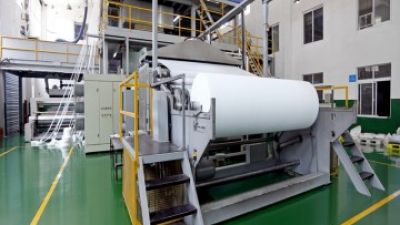
You know, in the rapidly changing world of textiles, the SS Nonwoven Machine really stands out as a real game-changer. Experts like Dr. Emily Chen from Fabric Innovations often talk about how much it’s shaking things up, saying something like, "The SS Nonwoven Machine has totally revolutionized the way we do production." Honestly, this tech offers some pretty impressive perks—things like boosting efficiency and improving the quality of the end product.
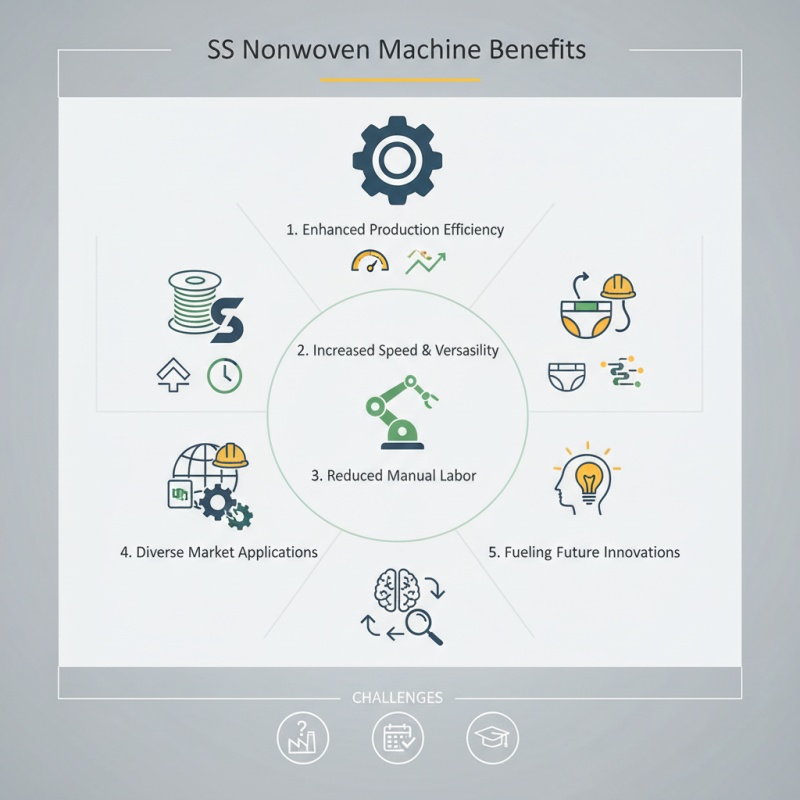
What’s cool about the SS Nonwoven Machine is that it’s all about speed and flexibility. Thanks to better automation, it cuts down on a lot of manual work and ramps up production. Plus, it can make a bunch of different Nonwoven Fabrics, so it opens up plenty of opportunities—whether you’re into hygiene stuff or building materials. Companies that jump on this technology often see a real boost in how smoothly and quickly they can produce.
That said, it’s not all smooth sailing. Buying and setting up an SS Nonwoven Machine isn’t a drop-in deal—you’ve gotta plan carefully and make sure your team is trained. Not everyone’s quite ready for that leap, and missing those prep steps can cause some hiccups. As the industry keeps evolving, understanding what this machine can do really helps in figuring out future innovations. It’s definitely worth exploring, but with some prep and patience.
Advantages of SS Nonwoven Machines in Modern Manufacturing
In modern manufacturing, SS Nonwoven Machines play a crucial role. These machines enhance efficiency and reduce waste. According to a recent industry report, the global nonwoven fabric market is expected to reach $63.39 billion by 2024. This growth is largely driven by innovations in machinery, particularly SS Nonwoven Machines.
One major advantage of SS Nonwoven Machines is their versatility. They produce a variety of materials suitable for textiles, hygiene products, and medical applications. The machines allow for customization, enabling manufacturers to meet specific customer demands. Additionally, the automation capabilities can lead to a 20% increase in production speed. This is significant for companies striving for faster turnaround times.
However, challenges exist. Not all manufacturers fully utilize the technology's potential. Skill gaps among operators can hinder optimal performance. There is also the risk of over-reliance on automated systems. A balanced approach is essential. Despite these issues, the benefits of integrating SS Nonwoven Machines in production remain substantial, with companies reaping the rewards in both profitability and sustainability.
Enhanced Material Versatility of SS Nonwoven Machines
SS Nonwoven Machines have revolutionized material processing. Their ability to handle diverse materials is remarkable. This flexibility leads to creative applications across various industries. From hygiene products to automotive interiors, the options are vast. Manufacturers can blend different fibers, achieving desired properties. The adaptability of the Ss Nonwoven Fabric Machine sets it apart from traditional textile equipment.
However, this versatility can come with challenges. Different materials may require unique settings, demanding adjustments in the production process. There might be a learning curve for operators. Overlooking these details may lead to inconsistencies in product quality. Despite these hurdles, the rewards often outweigh the drawbacks, as innovation continues to thrive in this field.
Incorporating various materials has significant implications. Industries benefit from lightweight and breathable fabrics. These attributes enhance end-user comfort and satisfaction. Yet, the process can create unexpected results. Understanding how combinations react during production is vital. Overall, the enhanced material versatility of SS Nonwoven Machines is a game-changer, driving forward-thinking solutions.
Top 5 Benefits of SS Nonwoven Machines
Increased Production Efficiency with SS Nonwoven Technology
SS nonwoven technology significantly boosts production efficiency in various industries. This advancement enables manufacturers to produce high-quality nonwoven fabrics at a quicker pace. The designs created using this technology often lead to less waste, maximizing material usage. Imagine a factory floor where machines operate seamlessly, creating fabric in continuous rolls. This not only saves time but also reduces costs associated with labor and material waste.
Another aspect worth considering is the adaptability of SS nonwoven machinery. It can handle a variety of raw materials, allowing for diverse product lines. This versatility benefits manufacturers as they can switch between different fabrics quickly. However, the transition may not always be smooth. There can be challenges like machine calibration or downtime during the switch. The nuanced adjustments required can be frustrating but essential for optimal output.
Despite these hurdles, the overall improvement in efficiency is clear. As businesses strive to meet increasing demand, SS nonwoven technology is becoming a crucial asset. However, manufacturers must remain vigilant. They need to continually assess and refine their processes to fully realize the benefits. Embracing this technology comes with its complexities, but the potential rewards are hard to ignore.
Cost-Effectiveness of Using SS Nonwoven Machines
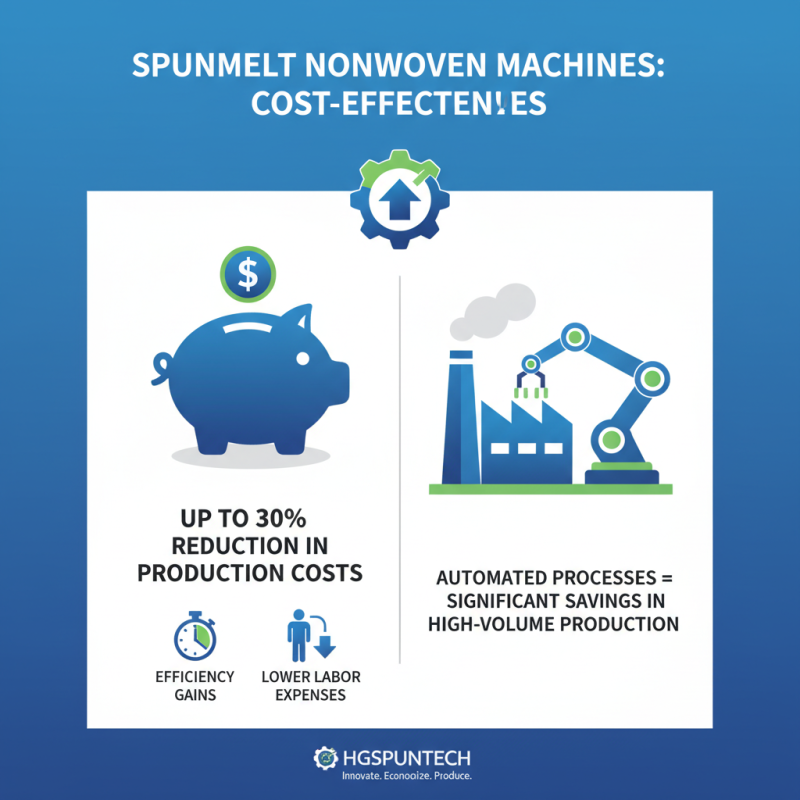
The cost-effectiveness of using SS Nonwoven Machines is undeniable. A recent study indicates that the adoption of Spunmelt Nonwoven Machines can reduce production costs by up to 30%. This reduction stems mostly from efficiency gains and lower labor expenses. Automated processes lead to significant savings over time, particularly in high-volume production settings.
Moreover, SS Nonwoven Machines can produce high-quality materials with minimal waste. According to industry reports, manufacturers experience a waste reduction of approximately 15%, thanks to precise material usage. This creates a notable return on investment, as raw materials are used more effectively. Yet, investing in these machines requires careful consideration of initial costs, which can be substantial.
However, it's essential to acknowledge the initial expenditure. Companies must weigh this against the long-term savings and benefits. A poorly managed transition to Spunmelt Nonwoven Machine technology could lead to disruptions. Planning and training are crucial to maximize the benefits of this technology.
Sustainability Benefits of SS Nonwoven Production Processes
Sustainable practices are essential in today's manufacturing landscape. SS nonwoven production processes offer significant sustainability benefits. These materials often utilize less energy and water, making them an eco-friendlier choice. According to a report by Nonwovens Industry, approximately 20% less energy is consumed in SS nonwoven fabric production compared to traditional fabrics.
One key benefit is the reduction of waste. SS nonwoven processes tend to produce less scrap material. This efficiency contributes to overall lower landfill contributions. A study found that SS nonwovens can use up to 50% recycled content. This practice enhances circular economy efforts and minimizes resource depletion.
Tips: Implementing efficient strategies can further improve sustainability. Consider training staff on best practices in material usage. Regular audits can help identify waste reduction opportunities. Utilizing locally sourced materials can also reduce transportation emissions. Small changes can lead to big impacts over time.
Improved Product Quality Achieved Through SS Nonwoven Machines
The use of SS nonwoven machines has transformed product quality in various industries. These machines create materials that are soft yet durable. They are essential for producing items like diapers, wipes, and medical products. One major benefit is their ability to achieve consistent thickness and texture. This uniformity enhances performance and user satisfaction.
Improved product quality can lead to better customer loyalty. When clients appreciate the reliability of items, they are more likely to return. This creates a positive cycle for manufacturers, encouraging them to maintain high standards. However, it’s crucial to analyze production flaws regularly. Sometimes, even minor inconsistencies can arise.
Tips for operating SS nonwoven machines include regularly checking settings. Calibration is key for quality outcomes. Also, maintain open communication with your team. Everyone should be informed about quality standards. It's essential to be aware of challenges ahead. Reflect on past production runs to learn from mistakes and avoid future issues. This proactive approach can significantly elevate product quality and consistency.
Innovative Applications of SS Nonwoven Machines in Various Industries
SS nonwoven machines have transformed various industries through their innovative applications. These machines utilize Spunbonding technology, providing a cost-effective solution for producing lightweight, durable nonwoven fabrics. According to industry reports, the global nonwoven fabric market is projected to reach $50 billion by 2025. This growth is a testament to the machine's versatility and efficiency.
In healthcare, SS nonwoven machines produce critical items like surgical gowns and face masks. These products must meet strict safety standards. The pandemic highlighted the importance of reliable nonwoven materials. Nonwovens made with Spunbonding technology offer excellent barrier properties, making them ideal for medical applications. In addition, their breathability enhances comfort for healthcare professionals.
The automotive sector also benefits from SS nonwoven machines. Nonwovens are used in insulation, soundproofing, and even seat covers. They weigh less than traditional materials, which contributes to fuel efficiency. Reports indicate that lightweight materials can reduce vehicle weight by up to 25%. However, challenges remain in ensuring consistency and quality across batches. This is an area for further improvement and reflection in the industry.
Innovative Production Techniques for Spun Bonded Nonwoven Fabric Manufacturing Machines
Innovative production techniques in the manufacturing of spun bonded nonwoven fabrics have significantly evolved, driven by advancements in technology and the increasing demand for high-quality materials. These techniques enable manufacturers to produce nonwoven fabrics with varying characteristics tailored to specific applications, making them versatile components in industries such as medical, hygiene, and construction. By optimizing the filament number and controlling the melt flow index (MFI), manufacturers can achieve the desired properties, such as strength, durability, and softness.
For high-efficiency production, machines designed for spun bonded nonwoven fabric manufacturing are engineered to operate at remarkable speeds, ranging from 10 to 200 meters per minute. The choice of polypropylene (PP) as the primary material allows for a conducive balance between quality and cost-effectiveness. These machines are capable of handling fabric widths of 1600mm, 2400mm, and even up to 3200mm, catering to various market needs. The production capacity, which can reach between 7 to 15 tons daily, demonstrates the capability of modern engineering in meeting the increasing demand for nonwoven fabrics across multiple sectors. This innovative approach not only enhances productivity but also ensures the consistent quality required in today’s competitive landscape.
FAQS
: Regular exercise improves physical health. It increases energy levels and enhances mood. Consistency can lead to better sleep.
Set achievable goals. Track your progress visually. Try new activities to keep it exciting. Remember to reward yourself.
Focus on light snacks. Try a banana or yogurt for quick energy. Hydration is essential. Drink water before training.
Listen to your body. Most need one to two rest days weekly. Avoid pushing through fatigue. It can lead to burnout.
Consult with a professional first. Low-impact activities might be suitable. Always prioritize healing over performance.
Change takes time. Reflect on your routine and diet. Consider joining a community for support. It's okay to feel frustrated.
Find music that motivates you. Work out with friends or family. Change locations occasionally to keep things fresh.
Yes, soreness is common, especially for beginners. Rest is crucial to recover. Stretching may help ease tension afterward.
Life happens, and that’s okay. Don’t dwell on it. Plan to resume your routine. Consistency is more important long-term.
Short, intense workouts can be effective. Schedule sessions like appointments. Find small windows in your day for activities.
Conclusion
The article highlights the numerous benefits of SS Nonwoven Machines in modern manufacturing, emphasizing their significant advantages across various sectors. One of the primary benefits is the enhanced material versatility that these machines offer, enabling the production of a wide range of nonwoven fabrics suitable for different applications. Additionally, SS Nonwoven Machines contribute to increased production efficiency through streamlined processes and quicker turnaround times, ultimately leading to better cost-effectiveness for manufacturers.
Moreover, the sustainable nature of SS Nonwoven production processes aligns with the growing demand for environmentally friendly manufacturing practices. These machines also ensure improved product quality, providing end-users with reliable and high-performance materials. Lastly, the innovative applications of SS Nonwoven Machines are paving the way for new opportunities in diverse industries, showcasing their adaptability and importance in contemporary manufacturing landscapes.