Leave Your Message
0%

Lately, there's been a big spike in interest around Spunbond Nonwoven Fabric. Honestly, its versatility and eco-friendly benefits are really catching people’s attention. I read in a report by Smithers Pira that the global market for nonwoven fabrics is expected to hit around $54 billion by 2027, with Spunbond technology leading the way when it comes to sustainable fabrics. Companies like PUJIANG HG Nonwoven MachineRY CO., LTD. are really pushing the envelope—they’re pioneers in making not just Spunbond but also meltblown and composite nonwoven machine lines. Their focus? High-efficiency solutions that fit right into the growing push for sustainability in textiles.
2025 Top 5 Spunbond Nonwoven Fabric Innovations for Sustainable Solutions

Industry experts, like Dr. Emily Zhang—who’s pretty much a rockstar in nonwoven tech—highlight how transformative Spunbond fabrics are. She points out that “the innovation behind Spunbond not only boosts fabric performance but also promotes eco-friendly practices, which are super important for our planet’s future.” Looking ahead to 2025, it’s clear that new advancements in Spunbond nonwovens will be key, helping us tackle environmental issues while also meeting the rising demand for innovative materials in all sorts of applications. Thanks to trailblazing companies like PUJIANG HG NONWOVEN MACHINERY, the future of nonwoven fabrics isn’t just bright—it’s also responsible and sustainable.

Emerging Trends in Spunbond Nonwoven Fabric Technology

2025 Top 5 Spunbond Nonwoven Fabric Innovations for Sustainable Solutions

The field of spunbond nonwoven fabric technology is witnessing remarkable advancements aimed at sustainability, reflecting a growing demand for eco-friendly materials. According to a recent report by Smithers, the global nonwoven fabric market is projected to reach $60 billion by 2025, with spunbond accounting for a significant share due to its versatility and strength. Innovations in this area are increasingly focusing on bio-based and recycled materials, which not only enhance the eco-friendliness of spunbond fabrics but also improve performance characteristics such as durability and lightweight properties.

Emerging trends in spunbond technology involve the incorporation of biodegradable polymers and nanofibers to create fabrics that degrade more efficiently in the environment. According to a report from MarketsandMarkets, the market for biodegradable nonwoven fabrics is expected to grow at a compound annual growth rate (CAGR) of 5.7% from 2020 to 2025. This shift not only addresses consumer concerns about plastic waste but also presents opportunities for manufacturers to innovate their product lines. Furthermore, advancements in manufacturing processes, such as more efficient bonding techniques and automation, are set to enhance production capabilities while minimizing waste, paving the way for more sustainable practices in the industry.

Eco-Friendly Materials Driving Sustainability in Spunbond Fabrics

The advancement of eco-friendly materials plays a pivotal role in optimizing the sustainability of spunbond nonwoven fabrics. As industries increasingly seek to reduce their environmental footprint, innovations in materials such as recycled plastics and biopolymers are becoming integral to fabric production. These materials not only minimize waste in the supply chain but also enhance the performance attributes of spunbond fabrics, making them suitable for a wide range of applications from hygiene products to geotextiles.

Moreover, advancements in production technologies are enabling the creation of lighter and more durable fabrics that require fewer resources. Sustainable manufacturing practices such as waterless dyeing and energy-efficient processes further contribute to the overall eco-friendliness of spunbond fabrics. By prioritizing these advancements, manufacturers are not only meeting market demands for sustainable products but also fostering a circular economy that emphasizes the importance of resource recovery, ensuring that materials are reused and recycled, ultimately driving a more sustainable future in the textile industry.

Innovative Applications of Spunbond Nonwovens in Various Industries

The landscape of spunbond nonwoven fabrics is rapidly evolving, with innovative applications emerging across various industries. In the medical field, these fabrics are being utilized for creating advanced surgical gowns and drapes that not only provide superior infection control but also enhance comfort for medical personnel. The incorporation of antimicrobial treatments into spunbond materials allows for a safer healthcare environment, significantly reducing the risk of hospital-acquired infections.

In the realm of automotive manufacturing, spunbond nonwovens are making strides as lightweight soundproofing and insulation materials. Their ability to absorb sound and resist heat contributes to creating quieter and more energy-efficient vehicles. Additionally, the use of recycled materials in the production of spunbond fabrics aligns with industry trends towards sustainable practices, reducing waste and promoting circular economy principles.

Other innovative uses can be found in the construction sector, where spunbond nonwovens are increasingly employed as geotextiles and moisture barriers. These materials not only improve site sustainability but also enhance the longevity and performance of construction projects. With the push for eco-friendly solutions, the versatility and functionality of spunbond nonwoven fabrics continue to drive innovation across multiple sectors.

Advanced Production Techniques for Sustainable Spunbond Fabrics

The advancement of production techniques in spunbond nonwoven fabric is playing a crucial role in the quest for sustainable fabric solutions. Technologies such as spinning and bonding processes are being refined to minimize waste and enhance the efficiency of material usage. Innovations like the incorporation of bio-based polymers and the use of recycled raw materials are at the forefront of this movement. These techniques not only reduce the carbon footprint of production but also align with the growing consumer demand for eco-friendly textiles.

Moreover, the implementation of advanced automation and smart manufacturing processes is elevating the productivity of spunbond fabric production. By integrating machine learning and IoT technologies, manufacturers can optimize processes, reduce energy consumption, and ensure consistent product quality. This shift towards intelligent manufacturing further supports sustainability by allowing for real-time adjustments in production, thereby decreasing the likelihood of overproduction and waste. As these advanced production techniques continue to evolve, they promise to deliver high-performance, sustainable spunbond fabrics that meet the needs of various industries while protecting the environment.

2025 Top 5 Spunbond Nonwoven Fabric Innovations for Sustainable Solutions

This chart represents the advancements in production techniques for sustainable spunbond fabrics, highlighting key innovations and their anticipated environmental benefits.

The Role of Spunbond Nonwovens in Circular Economy Solutions

Spunbond nonwoven fabrics have emerged as pivotal players in the circular economy, emphasizing sustainability and resource efficiency. According to a report by Smithers Pira, the global nonwoven fabric market is projected to reach USD 50 billion by 2025, driven largely by innovations in materials that enhance recyclability and performance. As a result, manufacturers are increasingly integrating bio-based polymers and recycled materials in their spunbond processes, creating a more sustainable lifecycle for these fabrics.

The adoption of spunbond nonwovens in applications such as packaging, hygiene products, and geotextiles significantly contributes to reducing environmental impact. A study from the Nonwovens Innovation and Research Institute highlights that spunbond fabrics can achieve more than 90% recycling rates when designed for end-of-life recovery. This aligns with the principles of the circular economy, where products are designed to minimize waste and maximize resource recovery, thereby closing the loop on material usage and promoting sustainable growth across industries.

2025 Top 5 Spunbond Nonwoven Fabric Innovations for Sustainable Solutions

Innovation Description Sustainability Impact Circular Economy Role Market Trend
Biodegradable Spunbond Nonwoven fabric made from natural fibers that decompose naturally. Reduces landfill waste and environmental pollution. Supports organic recycling and reduces resource extraction. Growing demand in packaging and hygiene products.
Recycled PET Spunbond Fabric created from post-consumer recycled PET bottles. Lowers plastic waste and energy consumption in production. Facilitates closed-loop recycling processes. Increasing interest in sustainable packaging solutions.
Plant-Based Polymers Spunbond fabrics produced from renewable plant materials. Minimizes reliance on fossil fuels and reduces carbon footprint. Encourages the use of renewable resources in manufacturing. High growth anticipated in the apparel and furnishings market.
Smart Nonwovens Nonwovens integrated with smart technology for performance features. Enhances product lifespan and usability in various applications. Supports resource efficiency by enabling multiple uses. Emerging trend in healthcare and consumer products.
Water-Repellent Nonwovens Fabrics that offer water-repellent properties for various applications. Increases durability and reduces waste in end products. Enhances product longevity, contributing to decreased consumption. High demand in outdoor and technical textiles markets.

Innovative Solutions for the Production of Composite Polypropylene Spunbond Nonwoven Fabric Using Advanced Machinery

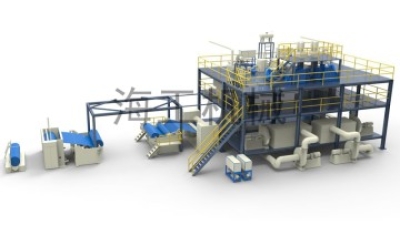
The production of composite polypropylene spunbond nonwoven fabric is revolutionized through innovative machinery that streamlines the manufacturing process. Utilizing a one-step SMS (Spunbond-Meltblown-Spunbond) technique, this advanced technology effectively combines three layers of materials, which significantly enhances the fabric's functionality and performance. The SMS composite nonwoven fabric is engineered from a unique combination of spunbond and melt-blown nonwoven processes, ensuring superior material properties that meet the demands of various industries.

One of the standout applications of SMS composite nonwoven fabric is in the medical field, where it is used to create surgical clothing and other essential protective gear. The multilayer structure not only provides excellent barrier properties but also ensures breathability and comfort for the wearer. Additionally, this versatile fabric finds applications in the production of adult mattresses and other disposable medical protective equipment, emphasizing its role in personal health care. By leveraging advanced machinery in its production, manufacturers can deliver high-quality nonwoven fabrics that address the evolving needs of modern society, combining efficiency with innovative solutions.

FAQS

: What are spunbond nonwoven fabrics?

: Spunbond nonwoven fabrics are materials made from continuous filament fibers that are bonded together through various processes. They are widely used in industries ranging from hygiene products to geotextiles.

How do eco-friendly materials impact spunbond fabric production?

Eco-friendly materials, such as recycled plastics and biopolymers, enhance the sustainability of spunbond fabrics by minimizing waste and improving performance characteristics, making them suitable for diverse applications.

What manufacturing practices contribute to the sustainability of spunbond fabrics?

Sustainable manufacturing practices like waterless dyeing and energy-efficient production processes help to reduce resource consumption and environmental impact in the production of spunbond fabrics.

Why is the circular economy important for spunbond nonwoven fabrics?

The circular economy is important because it promotes sustainability and resource efficiency by designing products, including spunbond fabrics, for lifespan extension, reuse, and recycling, which minimizes waste.

What is the expected growth of the nonwoven fabric market?

The global nonwoven fabric market is projected to reach USD 50 billion by 2025, largely driven by innovations in materials that improve recyclability and overall performance.

What recycling rates can spunbond fabrics achieve?

When designed for end-of-life recovery, spunbond fabrics can achieve recycling rates of more than 90%, supporting goals of waste reduction and resource recovery in the circular economy.

How do innovations in spunbond fabrics contribute to sustainability?

Innovations in spunbond fabrics, including the use of bio-based polymers and recycled materials, create a more sustainable lifecycle, reducing environmental impact and fostering a circular economy.

What applications benefit from spunbond nonwoven fabrics?

Spunbond nonwoven fabrics are utilized in various applications, including packaging, hygiene products, and geotextiles, contributing to lower environmental impact in those sectors.

How do advancements in production technology enhance spunbond fabrics?

Advances in production technologies allow for the development of lighter and more durable spunbond fabrics that require fewer resources, aligning with sustainability goals.

What role do manufacturers play in driving sustainability in spunbond fabrics?

Manufacturers are integrating eco-friendly materials and sustainable processes to meet market demands for environmentally friendly products, thus promoting a more sustainable future in the textile industry.

Conclusion

The article titled "2025 Top 5 Spunbond Nonwoven Fabric Innovations for Sustainable Solutions" explores the latest advancements in the realm of spunbond nonwoven fabric technology. It highlights emerging trends that focus on eco-friendly materials, which are crucial for driving sustainability in the industry. The innovative applications of spunbond nonwovens are examined across various sectors, demonstrating their versatility. Additionally, the piece discusses advanced production techniques that enhance the sustainability of spunbond fabrics and emphasizes their role in contributing to circular economy solutions.

As a leader in the industry, PUJIANG HG NONWOVEN MACHINERY CO., LTD. plays a vital role in this evolution by providing high-efficiency and innovative spunbond nonwoven fabric production solutions. The insights from this article align with the company’s commitment to supporting global efforts for sustainability through advanced nonwoven machinery.

Sophie

Sophie

Sophie is a dedicated professional marketing specialist at Pujiang Marine Engineering Import and Export Co., Ltd. With a deep understanding of the company’s products and services, she plays a crucial role in communicating the value of marine engineering solutions to clients worldwide. Sophie......
Previous Emerging Trends in Spunbond Nonwoven for Global Procurement Opportunities