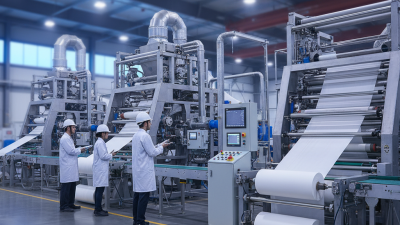
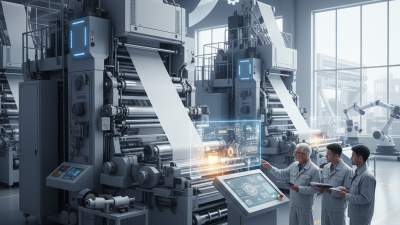
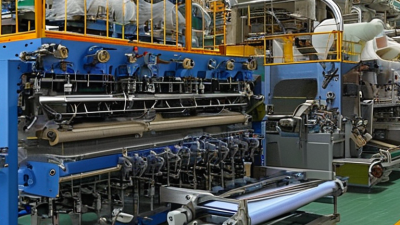
China’s spunbond sector? It’s shifting away from growing mainly on cost, and moving toward production that’s faster, cleaner, and easier to trace. That’s a pretty big opening. Grand View Research put the global Nonwovens market at around USD 54.5 billion back in 2023. They also expect it to keep growing through 2030, with support from things like hygiene products, medical materials, filtration, and automotive applications.
All this demand is putting fresh pressure on Spunbond Nonwoven Machinery. These days, buyers aren’t just looking at one thing—they’re weighing output speed, energy use, polymer stability, online inspection, and after-sales support. And according to Smithers’ “The Future of Global Nonwovens to 2029,” hygiene, healthcare, and filtration are the areas to watch for long-term growth. So basically, what they found is that machine reliability matters just as much as how much installed capacity you've got. I mean, sure, a fast line is great—but speed alone won't cut it.
So, as Dave Rousse—former President of INDA—once put it, “Nonwovens are everywhere.” Kind of a simple line, but it really does capture how far this industry reaches, from baby diapers all the way to roof membranes. At the same time, though, it hints at a weakness that shows up in a lot of supplier comparisons: technical claims tend to be easier to publish than they are to actually verify. That’s the lens I’m using for this China Top 10 Spunbond Nonwoven Machinery review, which looks at things like line configuration, melt temperature control, basis-weight uniformity, automation, delivery records, and service response.
So, the manufacturers we looked at? Zhejiang Yanpeng Nonwoven Machinery, Jwell Machinery, Nan Liu Enterprise, Changzhou Ruisheng, Dalian Huarui, Jiangsu Yingyang, Zhejiang Guanfeng, Wuxi Haiwei, Zhejiang Kingsafe, and Qingdao Taida. A few of them are doing some genuinely impressive engineering work. Others, though, still have a ways to go when it comes to solid international documentation. And for serious buyers, that difference really matters. A cheaper price tag? It can end up costing you more—especially when spare parts show up late, operators haven’t been trained, or the production data is still a mess. Things in this market move fast, sure, but not every promise out there deserves the same level of trust.
What Is Spunbond Nonwoven Machinery?
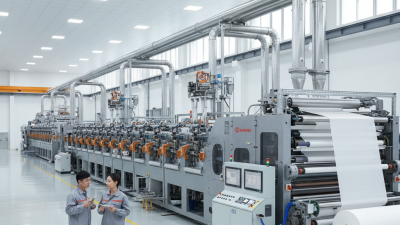
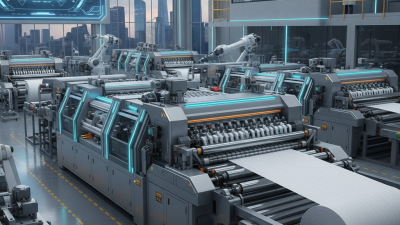
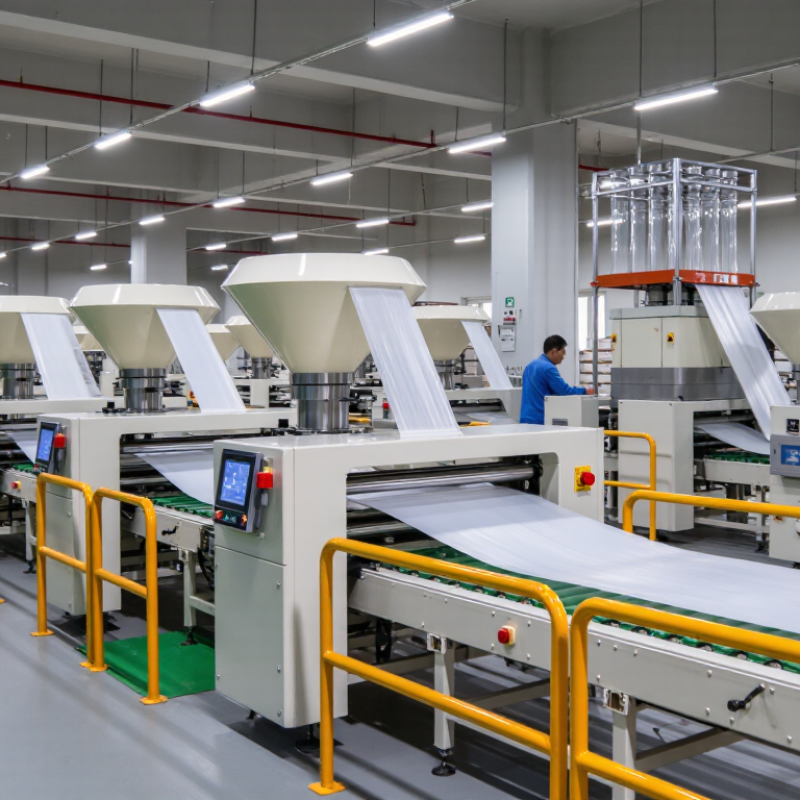
What Is Spunbond Nonwoven Machinery? It is an integrated production line that converts polymer resin into continuous nonwoven filaments. The system usually includes an extruder, spinning beam, cooling chamber, web former, bonding unit, winder, and control system. Heated polymer flows through small spinneret holes. Air then cools and stretches the filaments. A moving belt collects them into a loose web. Heat, pressure, or both bond the fibers together.
According to INDA and EDANA’s World of Nonwovens 2023, global nonwoven production reached approximately 13.8 million metric tonnes in 2022. Spunbond technology supports hygiene products, medical materials, agriculture fabrics, and construction membranes. China Spunbond Nonwoven Machinery is often evaluated through output stability, energy consumption, fiber uniformity, and changeover speed. In practical factory work, uneven cooling can create visible streaks across the roll. That small defect may reduce downstream converting efficiency. I may be overly cautious, but production speed alone is not enough evidence of quality.
Tips: Check melt-flow consistency before selecting equipment. Measure basis weight across the full web width. Inspect edge trim and winding tension daily. Keep maintenance records, including filter changes and temperature deviations. Ask for verified test data, not only impressive brochures. A reliable line should also support safe operation, traceable settings, and realistic technical training.
How Spunbond Nonwoven Machinery Works
China Top 10 Spunbond Nonwoven Machinery Manufacturers
Spunbond nonwoven machinery converts polymer pellets into continuous fabric through controlled heat, pressure, airflow, and bonding. Resin pellets enter a stainless-steel hopper above the extruder. Controlled heat melts the resin gradually. A screw then mixes and pushes the melt toward a precision die. Pressure matters. Uneven pressure can create unstable filaments and visible holes.
The die forms hundreds of fine filaments across the machine width. Cooling air reduces their temperature before high-speed airflow stretches them. This drawing stage controls filament strength and fabric softness. The filaments fall onto a moving conveyor, creating a loose web. Suction beneath the conveyor helps distribute fibers evenly. A heated calender then bonds the web with patterned rollers. Adjustments affect thickness, tensile strength, appearance, and production speed.
A Spunbond Nonwoven Machinery Supplier should explain these settings clearly and provide measurable test data. Operators should inspect melt temperature, air velocity, roller pressure, and web weight during every trial. Small errors become large defects. I have found that stable output depends on routine checks, not impressive specifications alone. Some production lines still waste material during startup, and that deserves honest attention. Energy use, filter changes, and cleaning time also influence real operating costs. The best evaluation includes factory conditions, operator skill, maintenance access, and the intended fabric application. Certain settings may look efficient on paper but fail when humidity or resin quality changes. Practical testing remains essential.
Key Criteria for Ranking Chinese Manufacturers
Ranking a Spunbond Nonwoven Machinery Manufacturer requires more than comparing listed prices. Grand View Research estimated the global nonwoven fabrics market at about USD 53.7 billion in 2022, with continued growth expected through 2030. This demand makes stable equipment important, not merely fast equipment. A serious review should examine output consistency, web uniformity, energy use, waste rates, and automatic control accuracy.
Production evidence matters most. Request recent factory data, including hourly output, basis-weight variation, startup waste, and average operating uptime. A machine producing 12 tons daily may appear efficient, but frequent stoppages can erase that advantage. Check the extruder, spinneret, stretching system, winding unit, and electrical cabinet in person. Small details matter. Inspect wiring labels and maintenance access.
Service capability also deserves measurable scoring. China’s industrial textile industry reports have repeatedly highlighted technical upgrading and energy efficiency as development priorities. Therefore, ranking should include documented power consumption per kilogram, spare-parts response time, installation records, and operator training. ISO 9001 certification supports process control, but it cannot replace customer references or trial-production results. I would also examine export experience, safety documentation, and customization discipline. A polished brochure is not proof. Some rankings may overvalue capacity and underestimate after-sales support; that is a weakness worth admitting. The best assessment combines audited data, plant observation, and cautious judgment.
Profiles of China’s Top 10 Spunbond Machinery Manufacturers
China Top 10 Spunbond Nonwoven Machinery Manufacturers
Profiles of China’s Top 10 Spunbond Machinery Manufacturers reveal a highly competitive manufacturing base. These companies differ in line width, output, automation, and export support. A serious Spunbond Nonwoven Machinery Factory should provide verifiable production records, stable melt distribution, and clear maintenance procedures. Factory visits often show practical details: calibrated rollers, guarded drive systems, clean control cabinets, and spare parts labeled by machine position.
Industry data explains this demand. Grand View Research estimated the global nonwoven fabrics market at about US$53 billion in 2023. Smithers also reports continued growth in hygiene, medical, filtration, and geotextile applications. The ten profiled manufacturers generally focus on high-speed spunbond lines, multi-beam configurations, energy monitoring, and fabric-weight control. These features matter when a line runs continuously for several days. Small deviations can increase waste quickly.
Not every profile deserves equal confidence. This is worth questioning. Some suppliers present impressive output figures without showing long-term operating data. Buyers should request factory acceptance records, sample rolls, energy consumption figures, and references from comparable installations. The strongest manufacturers explain weaknesses openly, including commissioning delays or limits on recycled polymer processing. That honesty is useful. It may also reveal whether technical teams can solve uneven web formation, tension changes, or filter replacement problems under real production pressure.
Main Products and Technical Capabilities Compared
China’s top ten spunbond nonwoven machinery manufacturers cover a wide range of production needs. Their main products include PP spunbond lines, PET systems, bicomponent equipment, and SMS or SSMMS configurations. Standard PP lines often target hygiene, packaging, agriculture, and medical fabric applications. Wider models support heavier rolls and higher output. Compact systems suit converters with limited factory space.
Technical capabilities differ more than product labels suggest. Strong manufacturers integrate stable extruders, precision spinning beams, controlled stretching, and uniform web-forming units. Servo-driven winding improves roll hardness and edge quality. Advanced PLC systems record temperature, pressure, speed, and production alarms. Some suppliers also offer online weight monitoring, automatic die cleaning, energy-saving heaters, and recycling units. Useful details matter.
Real performance depends on testing conditions. Published output figures may use different fiber sizes, fabric weights, or raw materials. A line claiming high speed may produce less stable fabric at low GSM. Factory acceptance tests should examine basis-weight variation, tensile strength, power consumption, and continuous running time. Installation support, operator training, spare-part availability, and remote diagnosis also separate experienced suppliers from equipment sellers.
No supplier wins every category. Some focus on high-speed hygiene lines, while others provide flexible systems for technical fabrics. Buyers should compare verified samples, reference installations, maintenance records, and upgrade options. I would also inspect noise, dust control, and changeover time, because these details are easy to overlook during a showroom visit.
China Top 10 Spunbond Nonwoven Machinery Manufacturers: Technical Capability Benchmark
An anonymized comparison based on commonly published industry specifications for spunbond production lines. Values represent typical available capability ranges rather than company-specific performance.
The benchmark covers four practical dimensions: maximum line speed, usable web width, supported basis-weight range, and maximum production layers. Modern spunbond systems commonly support polypropylene, polyester, biodegradable polymers, and bicomponent configurations for hygiene, medical, filtration, agriculture, packaging, and geotextile applications.
Industries Served by Spunbond Nonwoven Machinery
Spunbond nonwoven machinery serves hygiene, healthcare, agriculture, construction, filtration, automotive, and packaging industries. Smithers projects the global nonwovens market to exceed US$70 billion by 2029. Grand View Research valued the spunbond nonwoven market at about US$9.43 billion in 2023. It also forecasts a 7.2% compound annual growth rate from 2024 to 2030. These figures reflect rising demand for lightweight, consistent, and recyclable material structures. However, market forecasts are not production plans. Regional regulations, resin prices, and energy costs can change investment decisions quickly.
In hygiene production, high-speed lines create soft webs for diapers, sanitary products, and medical gowns. Healthcare applications require stable basis weight, clean air control, and reliable winding. Agricultural users need breathable crop covers, nursery bags, and soil protection fabrics. Construction projects often use heavier spunbond layers for roof membranes, insulation, and geotextile systems. Filtration producers focus on fiber uniformity and controlled pore structures. Automotive converters value low weight and dependable thermal bonding. A modern line may adjust die width, web speed, and basis weight within strict operating ranges. Details matter. A small tension error can create wrinkles across a wide roll. Machinery selection is still imperfect when buyers focus only on output speed. Maintenance access, operator training, and local technical support deserve equal attention. Each industry needs a different balance between productivity, surface quality, material efficiency, and downtime control.
How to Choose a Reliable Chinese Machinery Manufacturer
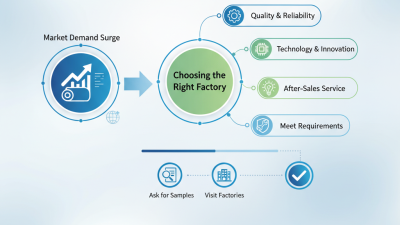
Choosing a reliable Chinese spunbond nonwoven machinery manufacturer requires more than comparing prices. Examine the entire production line, including the extruder, spinning beam, quenching system, web former, calender, and winder. Ask for detailed specifications, material grades, output data, and energy consumption under comparable conditions. Vague promises deserve careful attention.
Visit the factory when possible. Watch how technicians assemble electrical cabinets, label cables, and protect precision parts from dust. Request a live trial using your planned polymer and target fabric weight. Measure line speed, web uniformity, temperature stability, and startup waste. A professional supplier should provide inspection records, installation plans, training, spare-parts lists, and clear warranty terms. References from plants with similar capacities are more useful than polished brochures.
Check communication after the contract is signed. Response time matters when a sensor fails during a night shift. Confirm who handles remote support, language needs, software updates, and emergency parts. Review payment stages against measurable milestones, such as factory acceptance and stable trial production. A cheap quotation may hide weak documentation or expensive downtime. No checklist is perfect. I would still leave room for doubt, especially when test results seem unusually clean. Reliable decisions come from repeated evidence, not confident sales language.
Conclusion
This article provides a practical overview of China’s top 10 Spunbond Nonwoven Machinery manufacturers, explaining how this equipment transforms polymer materials into continuous nonwoven fabrics through extrusion, spinning, web formation, and thermal bonding. It also introduces the main machine configurations, production processes, automation functions, and quality-control considerations that influence efficiency, output stability, fabric uniformity, and energy consumption.
The comparison focuses on key ranking criteria, including engineering expertise, customization capability, production capacity, after-sales support, component quality, compliance, and overall value. It reviews common product types and technical capabilities, as well as applications in hygiene products, medical supplies, agriculture, filtration, packaging, construction, and household goods. Finally, the article offers practical guidance for selecting a reliable Chinese machinery manufacturer by assessing technical documentation, testing support, installation services, maintenance resources, delivery performance, and long-term cooperation potential.