TNT Nonwoven Fabric has really become a pretty versatile material these days. It's used in so many industries, thanks to its durability, lightness, and affordability. Basically, it's made from polypropylene fibers that are bonded together—either by heat, chemicals, or mechanical methods. This manufacturing process gives it a lot of room for customization, like different textures and thicknesses. Plus, it’s eco-friendly, which makes it an appealing choice for manufacturers and consumers who care about sustainability.
You’ll find TNT nonwoven fabric popping up in all sorts of areas—healthcare, farming, automotive, construction—you name it. In the healthcare world, it’s great for disposable medical gowns and hygiene products, helping keep things clean and safe. Farmers, on the other hand, use it for crop protection and soil stabilization—kind of like a shield for plants and land. Car makers love that it’s lightweight, making it perfect for soundproofing and insulation inside vehicles, which makes rides more comfortable and less noisy. As industries keep evolving, I honestly think the demand for materials like TNT nonwoven fabric is only going up. It’s exciting to imagine the new ways it’ll be used down the line.

What is Tnt Nonwoven Fabric? A Comprehensive Overview
Tnt nonwoven fabric, also known as thermal nonwoven textile, is a type of fabric made from synthetic fibers that are bonded together through heat and pressure instead of weaving or knitting. This process results in a versatile material characterized by its lightweight, durability, and resistance to tears and water. According to a report by Smithers Pira, the global nonwoven fabric market was valued at approximately $48 billion in 2021 and is projected to grow at a CAGR of 6.5% through 2026. This rapid expansion is largely attributed to Tnt nonwoven fabric's extensive range of applications across different industries.
In healthcare, Tnt nonwoven fabric is particularly significant due to its biocompatibility and barrier properties, making it ideal for surgical gowns, masks, and drapes. A study by Grand View Research noted that the global medical nonwoven fabric market was worth $13.6 billion in 2022, projecting a robust growth driven by the rising demand for hygiene products. Furthermore, the automotive sector increasingly utilizes Tnt nonwoven fabric for interior lining and sound insulation, highlighting its adaptability and performance advantages.
With applications spanning filtration, construction, and hygiene products, Tnt nonwoven fabric continues to demonstrate its crucial role in various industries, reflecting an innovative shift towards sustainable and efficient material solutions.
Manufacturing Process of Tnt Nonwoven Fabric Explained
Tnt nonwoven fabric, produced through a unique manufacturing process, has become increasingly prevalent across various industries due to its versatility and efficiency. The basic method involves the intertwining of fibers through mechanical, thermal, or chemical means, which eliminates the need for traditional weaving or knitting. According to a recent report by Smithers Pira, the global nonwoven fabric market was valued at approximately $48 billion in 2023 and is expected to grow at a CAGR of 6.4% through the next five years, underscoring the rising demand for technologically advanced materials like Tnt fabric.
The manufacturing process of Tnt nonwoven fabric typically starts with the selection of raw polymer pellets, often polypropylene, which are melted and extruded into fine filaments. These filaments are then laid out onto a conveyor belt in a random pattern, forming a web structure. Depending on the desired characteristics, the fabric can undergo processes like carding, bonding through heat or adhesive, and finishing treatments. Research shows that the properties of Tnt nonwoven fabrics can be tailored to suit applications in sectors such as healthcare, automotive, and construction, resulting in materials that are lightweight, durable, and cost-effective. With applications ranging from hygiene products to filtration systems, the innovative production techniques of Tnt nonwoven fabric continue to drive its adoption across a multitude of industries.
What is Tnt Nonwoven Fabric and Its Applications in Various Industries?
| Application Area | Description | Key Properties | Manufacturing Process |
| Medical | Used for surgical gowns, masks, and drapes. | Breathable, fluid-resistant, and lightweight. | Thermal bonding or chemical bonding techniques are used. |
| Automotive | Utilized as insulation panels and upholstery materials. | Durable, sound-absorbing, and lightweight. | Needlepunching and Spunbonding processes. |
| Construction | Applied as geotextiles and insulation barriers. | Water-resistant, UV-stable, and strong. | Spunlace and needlepunched techniques. |
| Hygiene | Produced for diapers, feminine hygiene products, and adult incontinence products. | Soft, absorbent, and skin-friendly. | Spunbonding and airlaid processes are commonly used. |
| Home Textiles | Used in bedding covers and upholstery. | Comfortable, durable, and customizable. | Bonding techniques are utilized for production. |
Key Properties and Advantages of Tnt Nonwoven Fabric
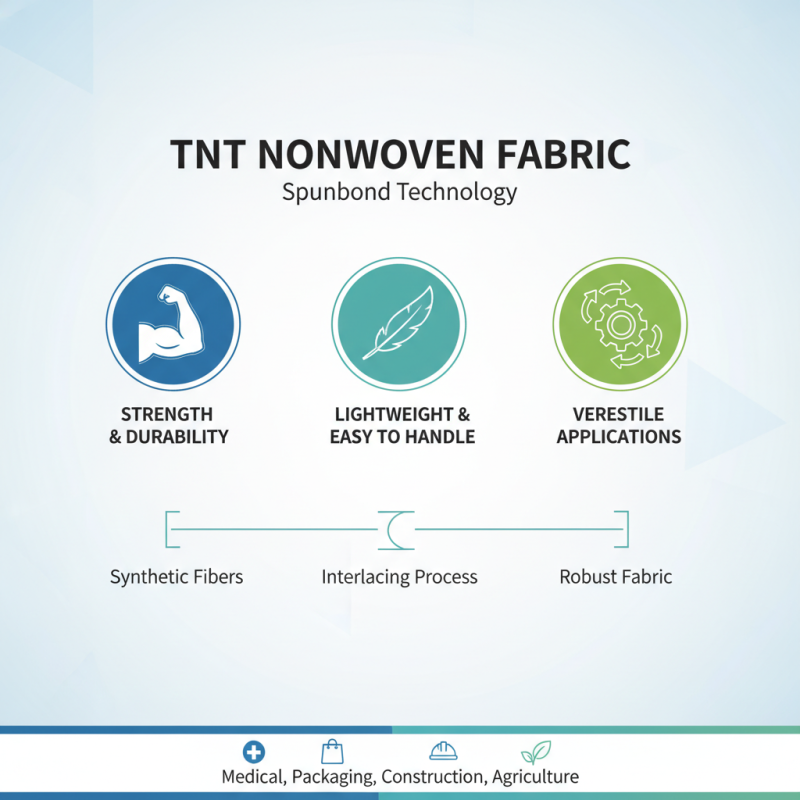
Tnt nonwoven fabric, also known as spunbond nonwoven fabric, has garnered attention for its unique properties and versatile applications across various industries. One of the standout features of Tnt fabric is its strength and durability. This nonwoven material is created through a process that interlaces synthetic fibers, resulting in a robust fabric that can withstand heavy use. Additionally, Tnt fabric is lightweight, making it easier to handle and transport, which is a significant advantage for manufacturers.
Another key property of Tnt nonwoven fabric is its breathability. This characteristic makes it ideal for applications in medical and hygiene products, such as masks and gowns, where airflow is essential. Moreover, Tnt fabric is often resistant to water, chemicals, and UV light, further expanding its usability in agricultural, construction, and automotive sectors. Its versatility allows for customization in weight, texture, and color, meeting specific industry requirements.
**Tips:** When choosing Tnt nonwoven fabric for your projects, consider the weight and thickness based on the application. For instance, lighter weights may suffice for disposable items, while heavier weights could be necessary for more durable products. Always assess the fabric's compatibility with your product’s intended use to maximize performance and efficiency.
Applications in the Medical Industry: Sterile and Protective Uses
The medical industry has increasingly adopted TNT (Thermally Bonded Nonwoven Technology) nonwoven fabric for its exceptional properties, enabling it to serve a variety of crucial functions. One of the primary applications of TNT nonwoven fabric is in the production of sterile medical supplies. Its inherent filtration capabilities allow it to provide an effective barrier against pathogens, thus ensuring the safety and sterility of medical instruments and devices. This feature is particularly important in surgical settings, where maintaining a sterile environment is critical to prevent infections.
In addition to its role in providing sterile supplies, TNT nonwoven fabric is also utilized in protective apparel such as gowns, masks, and drapes. These garments are designed to safeguard healthcare professionals and patients alike. The lightweight and breathable nature of TNT nonwoven materials ensures comfort during prolonged usage while still conforming to safety standards. Furthermore, the fabric's resistance to fluids enhances the protective features, making it ideal for various medical applications where exposure to bodily fluids may occur. With these attributes, TNT nonwoven fabric stands out as a vital component in promoting safety and hygiene within the medical field.
Tnt Nonwoven Fabric in the Automotive Sector: Lightweight and Durable Solutions
Tnt nonwoven fabric has gained significant traction in the automotive sector due to its lightweight and durable properties, which align with the industry's increasing focus on fuel efficiency and sustainability. According to a report by the Global Nonwoven Fabrics Market, the automotive segment is projected to experience a growth rate of over 5% through 2027, driven largely by innovations in nonwoven technology. This fabric plays a crucial role in various applications within vehicles, such as seat covers, insulation materials, and sound dampening layers, where it offers the advantage of reducing overall vehicle weight while maintaining high performance standards.
The key benefits of Tnt nonwoven fabric in automotive applications stem from its enhanced durability and resistance to wear and tear. For instance, studies indicate that nonwoven composites can provide a 30% increase in tensile strength compared to traditional materials. Additionally, Tnt nonwoven fabric has excellent moisture control properties, which help prevent mildew and odor accumulation inside vehicles, thereby improving the overall user experience. As automakers continue to prioritize lightweight materials in their designs, the demand for Tnt nonwoven fabric is likely to escalate, positioning it as a staple in future automotive innovations.
Environmental Impact and Sustainability of Tnt Nonwoven Fabric
Tnt nonwoven fabric, a versatile material gaining traction across various industries, significantly impacts the environment due to its production processes and disposal methods. One notable factor is the rapid manufacture of Tnt nonwoven fabric, which typically utilizes polypropylene. According to a report by Smithers Pira, the nonwoven market is expected to grow to $55.1 billion by 2023, underscoring the increasing demand for such materials. However, the environmental consequences of polypropylene, a petroleum-based product, cannot be overlooked as it contributes to fossil fuel depletion and greenhouse gas emissions during production.
Sustainability in the use of Tnt nonwoven fabric has become a focal point as industries strive to mitigate their ecological footprints. Innovative recycling methods are being explored to tackle the end-of-life challenges posed by nonwoven fabrics. A study published in the Journal of Cleaner Production revealed that through proper recycling techniques, up to 90% of the materials in nonwoven fabrics can be reused, significantly reducing landfill waste. Furthermore, there’s a push towards developing biodegradable alternatives and incorporating recycled content into the fabrics. Research from the European Nonwovens Industry Association highlights that utilizing recycled materials can cut CO2 emissions by up to 60%, presenting a promising avenue for enhancing the sustainability of Tnt nonwoven fabric in the future.
Future Trends in Tnt Nonwoven Fabric Technology and Market Growth
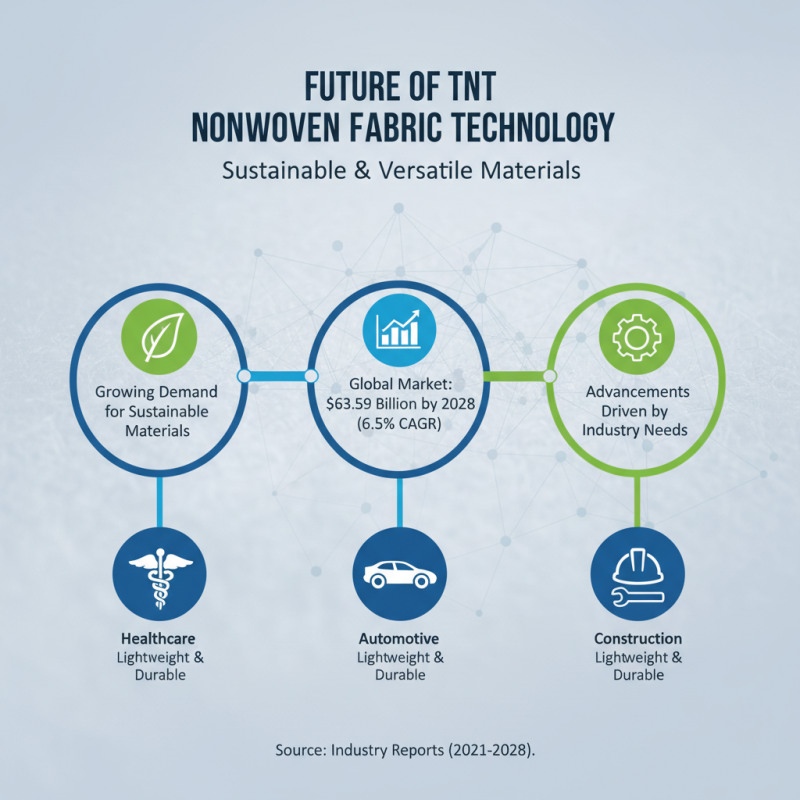
The future of Tnt nonwoven fabric technology is poised for significant advancements, fueled by the growing demand for sustainable and versatile materials across various industries. According to industry reports, the global nonwoven fabric market is projected to reach USD 63.59 billion by 2028, growing at a compound annual growth rate (CAGR) of 6.5% from 2021. This growth is primarily attributed to the rising application of Tnt nonwoven fabrics in sectors such as healthcare, automotive, and construction, where their lightweight and durable characteristics are highly valued.
Innovations in Tnt nonwoven technology are focused on enhancing the functional properties of the fabric, such as antimicrobial, water-repellent, and fire-retardant features. Research indicates that the healthcare segment, driven by the need for disposable protective gear, is expected to dominate the market. For instance, as concerns over hygiene and infection control escalate, the utilization of Tnt nonwoven fabrics in surgical masks and gowns is anticipated to continue growing. Additionally, the shift towards eco-friendly materials in industries like fashion and packaging is prompting manufacturers to invest in biodegradable nonwoven solutions, thereby ensuring a smaller environmental footprint and aligning with regulatory trends focused on sustainability.
Advancements in Nonwoven Fabric Technology: A Comprehensive Analysis of the TNT PP Nonwoven Machine for Efficient S/SS Spunbond Production
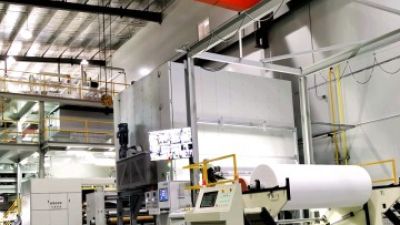
In recent years, advancements in nonwoven fabric technology have significantly enhanced the efficiency and capability of production processes, particularly through the introduction of innovative machinery like the TNT PP nonwoven machine. This machine is tailored for S/SS spunbond production, leveraging cutting-edge techniques to optimize fabric quality while maximizing output. The flexibility of the TNT PP machine enables manufacturers to produce various nonwoven types, including PP, PET, and PLA, which are crucial for diverse applications, from hygiene products to industrial uses.
The evolution of nonwoven fabric machinery reflects a growing demand for sustainable and efficient manufacturing solutions. Modern machines are designed to streamline operations, reduce waste, and enhance the overall performance of spunbond fabrics. With features that support turn-key projects, these advanced systems are essential for manufacturers looking to remain competitive in the ever-evolving textile industry. As technological improvements continue, manufacturers are better equipped to meet the increasing market needs for high-quality nonwoven materials.
FAQS
: Tnt nonwoven fabric is a type of fabric made from synthetic fibers that are bonded together through heat and pressure, resulting in a lightweight, durable, and tear-resistant material.
The main benefits of Tnt nonwoven fabric include its lightweight nature, durability, resistance to tears and water, and versatility across various applications.
Tnt nonwoven fabric is commonly used in healthcare, automotive, filtration, construction, and hygiene products.
Tnt nonwoven fabric is used in the medical industry for making sterile medical supplies, protective apparel, and ensuring an effective barrier against pathogens, crucial for maintaining hygiene and safety.
Specific applications include surgical gowns, masks, drapes, and other sterile supplies designed to protect healthcare professionals and patients from infections.
It is preferred due to its lightweight and breathable nature, comfort during prolonged usage, and resistance to fluids, which enhance safety during medical procedures.
The global nonwoven fabric market, including Tnt nonwoven fabric, is projected to grow at a compound annual growth rate (CAGR) of 6.5% through 2026.
Key properties include biocompatibility, effective barrier capabilities against pathogens, lightweight characteristics, and fluid resistance, making it ideal for sterile applications.
Tnt nonwoven fabrics reflect an innovative shift towards sustainable and efficient material solutions, catering to growing environmental concerns across various industries.
In the automotive sector, Tnt nonwoven fabric is used for interior lining and sound insulation, demonstrating its adaptability and performance advantages in enhancing vehicle comfort.
Conclusion
Tnt Nonwoven Fabric is a versatile and innovative material that has gained popularity across various industries due to its unique manufacturing process and key properties. This fabric is produced by bonding synthetic fibers through heat, chemical, or mechanical means, resulting in a lightweight yet durable product with excellent filtration and barrier properties. Its advantages include cost-effectiveness, ease of production, and environmental benefits, making it a sustainable choice in many applications.
In the medical industry, Tnt Nonwoven Fabric is widely used for sterile packaging and protective apparel, ensuring safety and hygiene. Similarly, in the automotive sector, it provides lightweight, durable solutions for interior components and sound insulation. As awareness of environmental sustainability grows, the fabric's recyclable properties add to its appeal. Looking ahead, future trends in Tnt Nonwoven Fabric technology suggest increased market growth and innovation, solidifying its role in diverse industrial applications.