In today’s pretty diverse industrial world, spunbond Nonwoven fabrics have really become a big deal across lots of different fields—think healthcare, farming, and packaging. These fabrics are pretty amazing because they’re strong, durable, and super versatile, which makes them a go-to for so many different uses. Dr. Emily Tran, who’s one of the top experts in nonwoven tech, highlights just how important they are, saying, "Spunbond nonwoven fabrics aren’t just basic materials; they actually represent a major shift in how industries think about efficiency and sustainability."
What’s cool is that the way these fabrics are made allows for creating lightweight but tough products that can be tailored to suit specific industry needs. They can be engineered for all kinds of functions, like resisting moisture, filtering stuff out, or providing insulation. As more industries start caring about being eco-friendly, Spunbond Fabrics have become a popular choice—they help companies cut down on environmental impact without sacrificing performance.
If you look at how vital spunbond nonwovens are becoming, it’s clear they’re doing more than just serving traditional roles. They’re innovative solutions that match up really well with what modern industries need—driving progress and helping move us toward more sustainable development across different sectors.

Overview of Spunbond Nonwoven Fabrics and Their Composition
Spunbond nonwoven fabrics are a crucial material utilized across multiple industries due to their unique composition and functional benefits. These fabrics are made from continuous filaments that are bonded together through a process of thermal, mechanical, or chemical means, resulting in a lightweight and durable textile. Studies indicate that the global nonwoven fabric market, which includes spunbond products, is projected to reach approximately $30 billion by 2025, highlighting their increasing demand in sectors such as healthcare, automotive, and agriculture.
One of the key advantages of spunbond nonwoven fabrics is their versatility. They can be engineered to achieve specific properties such as water resistance, UV protection, and breathability, making them suitable for a variety of applications. For instance, in the healthcare industry, spunbond fabrics are used in surgical gowns and masks due to their barrier properties, which prevent the penetration of liquids and bacteria. Similarly, in the agricultural sector, they serve as effective weed control fabrics, optimizing crop yields while minimizing the need for chemical herbicides.
**Tips:** When selecting spunbond nonwoven fabrics for your project, consider factors such as the desired weight, thickness, and specific performance characteristics needed for your application. Additionally, always consult industry reports and market research to stay informed about the latest trends and innovations in nonwoven technology. Prioritizing these elements will ensure that you choose the most suitable materials for your needs.
Why Spunbond Nonwoven Fabrics Are Essential for Various Industries Today?
| Industry | Application | Benefits of Using Spunbond | Composition |
| Healthcare | Surgical gowns, masks, and drapes | High breathability and liquid resistance | Polypropylene fibers |
| Automotive | Sound insulation and interior linings | Lightweight and durable | Polyester and polypropylene blends |
| Construction | Geotextiles and insulation | Water-resistant and tear-resistant | Polypropylene fibers |
| Agriculture | Crop covers and mulch films | UV stability and biodegradability | Nonwoven polypropylene |
| Home Textiles | Tablecloths, curtains, and bedding | Soft texture and ease of cleaning | Polyester fibers |
Key Properties and Benefits of Spunbond Nonwoven Fabrics
Spunbond nonwoven fabrics have become increasingly vital across various industries due to their unique properties and benefits. One key characteristic of spunbond fabrics is their excellent strength-to-weight ratio. According to the report by Smithers Pira, the global nonwoven fabric market has seen a significant rise, projected to reach $57 billion by 2024. This growth can be attributed to the durability and versatility of spunbond materials, which are used in applications ranging from medical products to construction materials. For instance, spunbond fabrics are commonly used in hygiene products like diapers and feminine hygiene items due to their soft texture and high absorbency.
Another advantage of spunbond nonwoven fabrics is their cost-effectiveness and efficiency in manufacturing processes. The production technology involves a continuous filament process, which results in reduced material waste and lower production costs compared to traditional woven fabrics. As highlighted in a study by the Nonwovens Institute, spunbond materials can offer substantial savings in both time and resources, making them the preferred choice for many manufacturers. Additionally, their lightweight nature and breathability make them ideal for protective clothing and various filtration applications, enabling industries to meet stringent safety and quality standards efficiently.
Applications of Spunbond Nonwoven Fabrics in the Medical Industry
Spunbond nonwoven fabrics have become increasingly vital in the medical industry due to their unique properties and adaptability. These fabrics are lightweight, breathable, and offer excellent barrier protection against contaminants, making them ideal for disposable medical products. Applications range from surgical gowns and masks to drapes and sterilization wraps. Their ability to be manufactured in large quantities and at low costs also contributes to their prevalence, especially during critical periods such as pandemics when the demand for personal protective equipment skyrockets.
When considering the use of spunbond nonwoven fabrics in medical applications, it’s essential to note their hygiene standards. These materials are often designed to be single-use, significantly reducing the risk of cross-contamination in healthcare settings. Additionally, they can be engineered to meet specific standards, such as fluid resistance, which is crucial for maintaining sterile environments during procedures.
**Tips:** Always check that the spunbond nonwoven fabrics meet necessary medical regulations before use. Proper storage and handling are also key to maintaining their integrity and effectiveness. Lastly, consider the environmental impact and explore options for recycling or reusing these materials where possible, as sustainability is becoming increasingly important in the medical field.
The Role of Spunbond Nonwoven Fabrics in the Automotive Sector
Spunbond nonwoven fabrics have become increasingly pivotal in the automotive sector due to their versatility and superior performance characteristics. These materials are lightweight yet robust, making them ideal for various applications in vehicle manufacturing. They are frequently used for insulation, sound absorption, and as components in interior upholstery. The unique structure of spunbond fabrics allows for excellent durability, ensuring that they can withstand the harsh conditions present in automotive environments.
Moreover, the use of spunbond nonwoven fabrics contributes to the overall sustainability of automotive production. Their manufacturing process typically involves lower energy consumption and reduced waste compared to traditional materials. Additionally, these fabrics can be engineered to incorporate recycled content, further enhancing their eco-friendliness. As industries increasingly prioritize sustainability, the adoption of spunbond nonwoven fabrics positions automotive manufacturers to meet both regulatory standards and consumer demand for more environmentally responsible products. This alignment with green practices not only benefits the planet but also enhances brand reputation and market competitiveness.
Environmental Impact and Sustainability of Spunbond Nonwovens
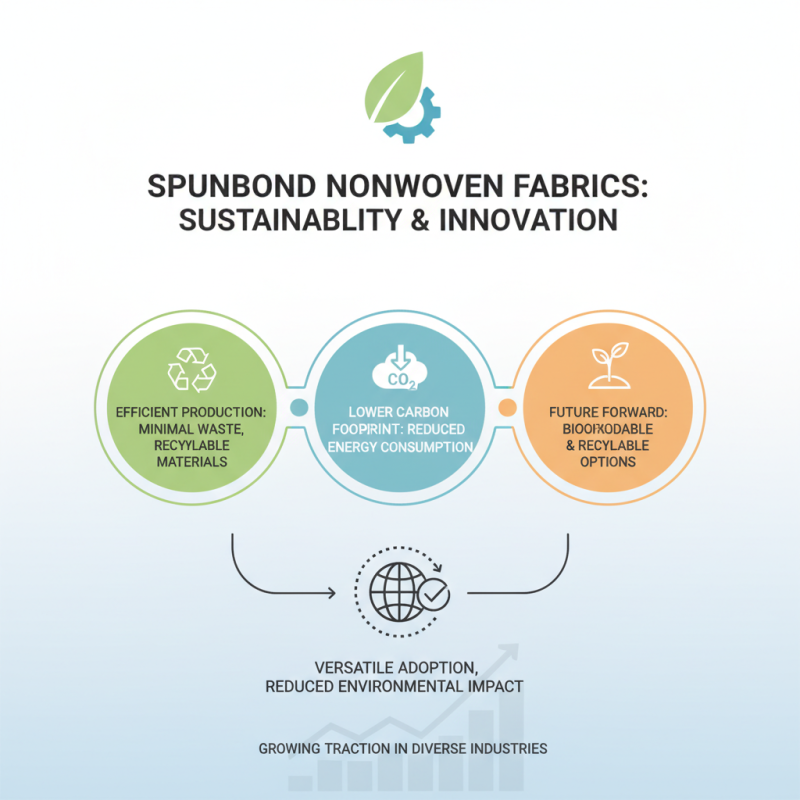
Spunbond nonwoven fabrics have gained substantial traction in various industries due to their unique properties, but their environmental impact and sustainability play a crucial role in their adoption. Made from synthetic polymers, these materials can be produced efficiently with minimal waste, presenting a more sustainable alternative compared to traditional woven fabrics. The manufacturing process of spunbond nonwovens uses heat and pressure, allowing for the recycling of materials and reducing energy consumption, which contributes to a lower carbon footprint. Furthermore, many manufacturers are increasingly integrating biodegradable or recyclable materials, enhancing the sustainability profile of these nonwoven products.
In addition to their production benefits, spunbond nonwoven fabrics are versatile in application, from medical supplies to agricultural use. Their durability and lightweight nature make them suitable for long-term use in various environments, which minimizes the need for frequent replacements and reduces overall material consumption. Additionally, the reliance on sustainable production practices not only addresses ecological concerns but also aligns with the growing demand for environmentally friendly solutions within the market. As industries increasingly recognize the significance of sustainability, spunbond nonwovens stand out as an eco-conscious choice that meets the needs of both consumers and manufacturers alike.
Future Trends and Innovations in Spunbond Nonwoven Fabrics
The future of spunbond nonwoven fabrics is set to undergo significant transformations driven by technological innovations and evolving industry demands. As per the latest reports from Smithers Pira, the global market for nonwoven fabrics is projected to reach $60 billion by 2025, with spunbond technology accounting for a substantial share. This growth is largely attributed to the increasing application of these materials in sectors such as hygiene products, medical textiles, and filtration systems. Manufacturers are investing in advanced machinery that enhances the production efficiency and sustainability of spunbond fabrics, thereby meeting the rigorous performance standards of various industries.
Innovations in fiber technology are also shaping the future of spunbond nonwoven fabrics. The shift towards eco-friendly materials is becoming more pronounced, with reports indicating that biodegradable and recyclable fabrics will dominate the landscape by 2027. Furthermore, developments in polymer blends enable manufacturers to enhance the durability and breathability of spunbond fabrics without compromising on comfort or functionality. These innovations not only cater to consumer preferences for sustainable products but also align with the increasing regulatory focus on environmental standards across multiple regions. As industries continue to embrace these advancements, spunbond nonwoven fabrics are poised to play an essential role in the development of new applications and solutions in the years to come.
Trends in Spunbond Nonwoven Fabrics Usage Across Industries
Challenges Facing the Spunbond Nonwoven Fabrics Market Today
The spunbond nonwoven fabrics market faces several challenges that can impact its growth and sustainability across various industries. One major issue is the rising costs of raw materials. As the demand for spunbond fabrics increases, the prices of essential polymers and additives have surged, leading manufacturers to grapple with profit margins. This cost pressure can hinder innovation and limit the ability to invest in advanced technologies that enhance product performance and sustainability.
Another critical challenge is environmental concerns. The production of spunbond nonwoven fabrics often involves processes that contribute to carbon emissions and plastic waste. With growing awareness and regulations surrounding sustainability, companies in the industry must adapt to more eco-friendly practices and materials. This transition can be resource-intensive and requires strategic planning and investment to ensure compliance without sacrificing quality or efficiency.
Lastly, the competitive landscape is continually evolving, with an influx of new players entering the market. This intensifies competition and can lead to price wars, further squeezing profit margins for established manufacturers. To stay ahead, companies must differentiate themselves through innovation, improved product features, and services while navigating these market dynamics.
Conclusion
Spunbond Nonwoven Fabrics are becoming increasingly indispensable across various industries due to their unique composition and key properties. These fabrics are manufactured through a process that bonds fibers together using heat, resulting in materials that are durable, lightweight, and versatile. Their significant advantages, such as breathability, liquid repellency, and ease of processing, make them ideal for a multitude of applications. In the medical industry, Spunbond Nonwoven Fabrics are used in personal protective equipment, while in the automotive sector, they serve as insulation and soundproofing materials.
The environmental impact and sustainability of Spunbond Nonwoven Fabrics are also crucial considerations, as many manufacturers are focusing on eco-friendly production methods. Looking ahead, future trends indicate advancements in technology and innovative applications that will further enhance the functionality of these materials. However, the market also faces challenges, including competition and the need for ongoing innovation to meet evolving demands. Overall, the significance of Spunbond Nonwoven Fabrics continues to grow, reflecting their vital role in modern manufacturing and sustainability efforts.