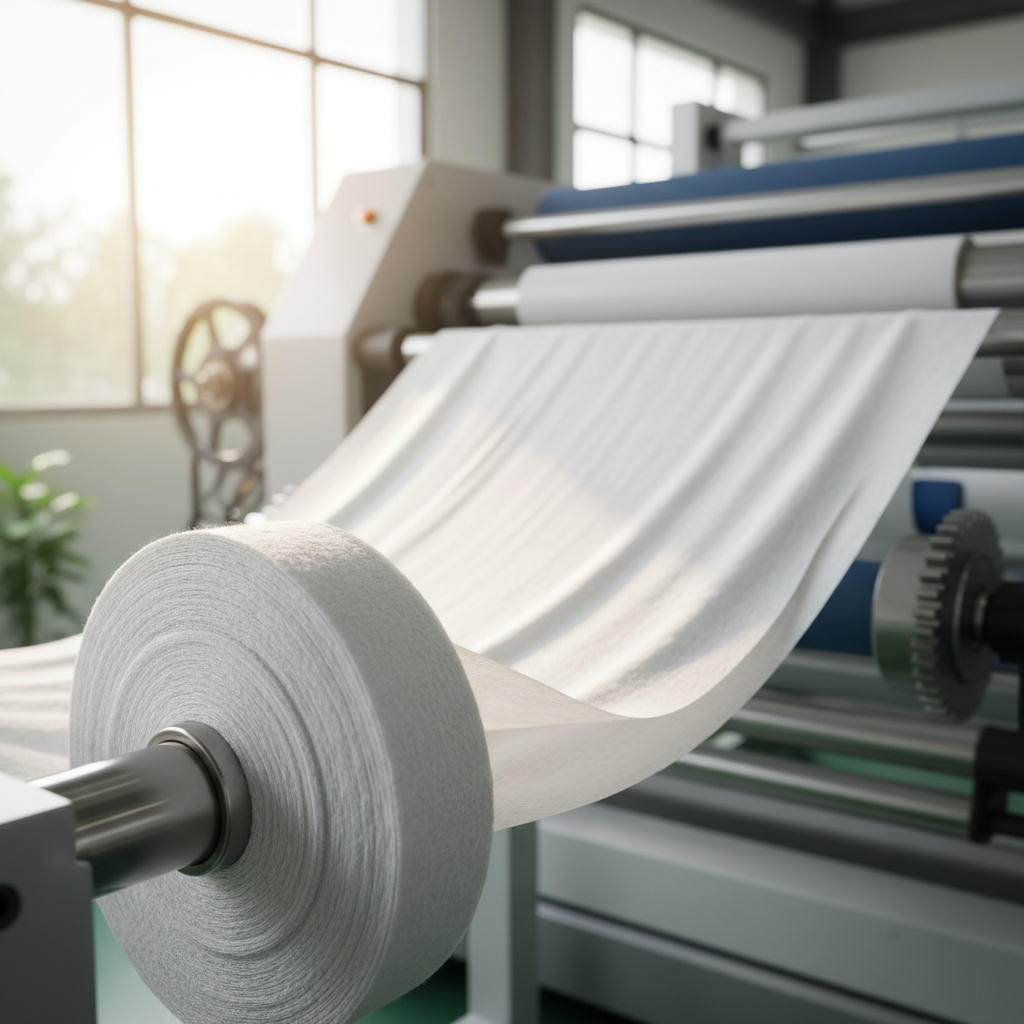
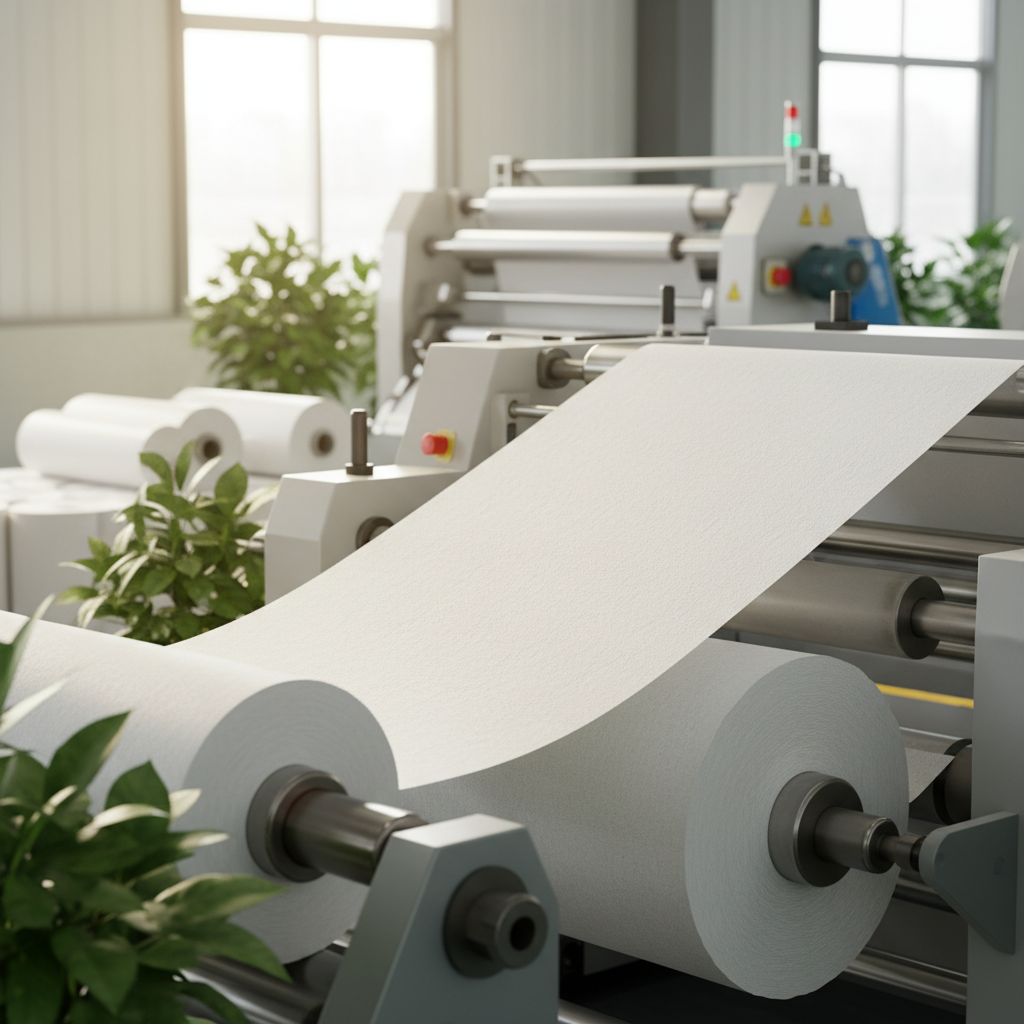
You know, in today's rapidly changing manufacturing world, not talking about sustainability just isn't an option anymore. Companies are really feeling the pressure to cut down their environmental impact, all while trying to keep up with what consumers want—eco-friendly products all the way. And honestly, the materials they choose are a huge part of that puzzle. One material that’s been gaining a lot of buzz lately is Spunbond Nonwoven Fabric. It’s kind of a game-changer because it’s versatile, plus the production process is pretty eco-friendly too.
What’s cool is that this fabric is made in a way that lines up with sustainable practices—so businesses can confidently make products that aren’t just functional but also good for the planet. Big players like DuPont and Kimberly-Clark are already on board, using the unique features of Spunbond Nonwoven Fabric to craft high-quality, durable products that help cut waste and are easier to recycle.
Looking ahead to 2025, I think we’ll see more companies weaving this fabric into their manufacturing lines. It’s not just about being eco-conscious anymore—it’s about staying competitive in a market that’s increasingly all about sustainability. This article’s gonna dive into why Spunbond Nonwoven Fabric is such a big deal right now, covering its perks and what it could mean for industries down the line.
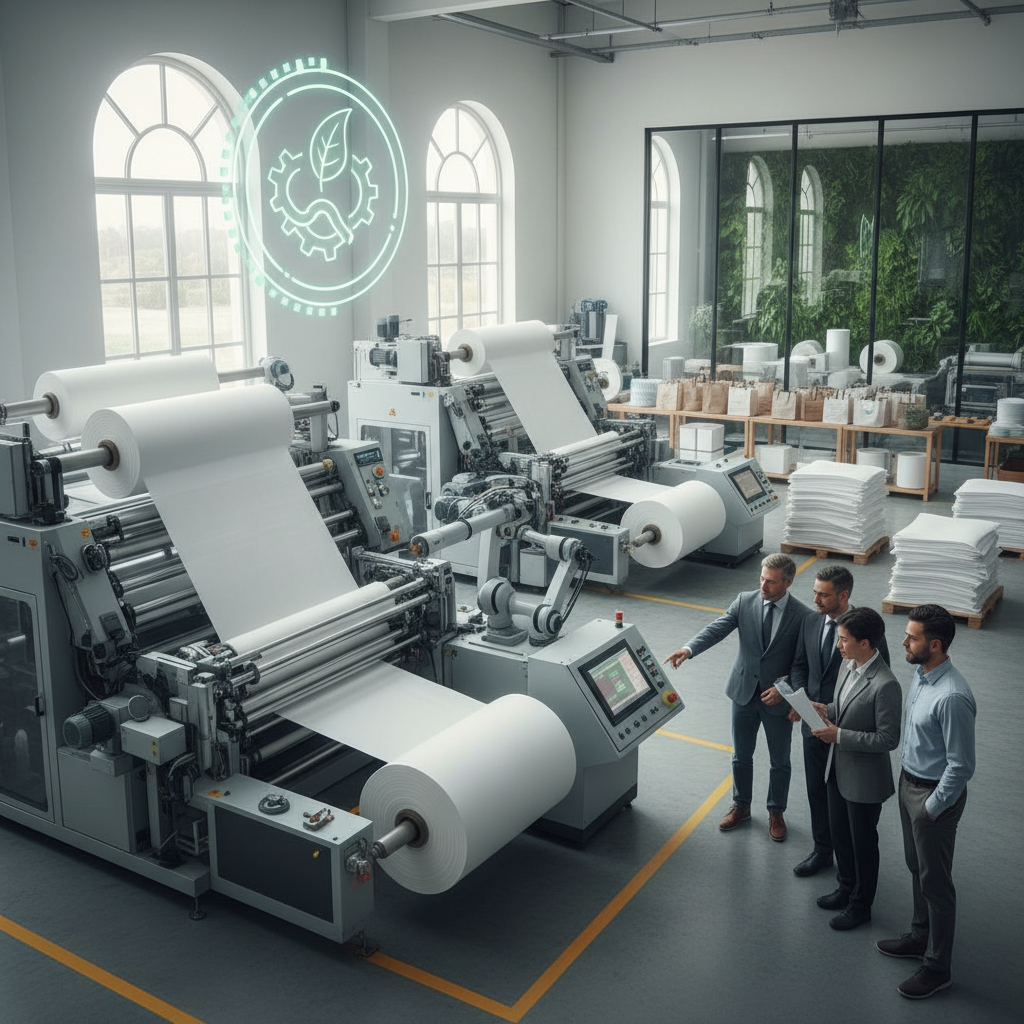
Spunbond nonwoven fabric is rapidly gaining traction as a fundamental component in eco-friendly production techniques. Its manufacture utilizes thermoplastic polymers, leading to a more efficient material creation process that reduces waste significantly. According to the latest report by Smithers Pira, the global market for nonwoven fabrics is expected to reach $49 billionby 2025, driven by the increasing demand for sustainable solutions across various industries. This growing market shares a commitment to minimizing environmental impact, with Spunbond Fabrics beingfully recyclable, biodegradable, and capable of being produced with lower energy inputs compared to traditional textiles.
Incorporating spunbond nonwoven fabrics into manufacturing processes does not just enhance sustainability; it also impacts product functionality. These fabrics are known for their durability and versatility, making them suitable for a range of applications, from hygiene products to automotive interiors. As per a study published by the Nonwovens Innovation & Research Institute, products made from these fabrics can reduce carbon footprints by up to 30%, showcasing their role in eco-conscious design.
Tips: When choosing materials for your production line, consider sourcing spunbond nonwoven fabrics from certified manufacturers who adhere to sustainable practices. Additionally, explore incorporating recycled materials into your production processes to further enhance eco-friendliness and resource efficiency.
Spunbond nonwoven fabric is revolutionizing the sustainable manufacturing landscape by offering a plethora of advantages that align with eco-friendly practices. This innovative technology provides high durability and versatility, making it suitable for various applications, from hygiene products to automotive textiles. According to industry reports, the Nonwoven Fabrics Market is projected to reach USD 72.21 billion by 2030, indicating a significant shift towards sustainable material usage. The cost-effectiveness of spunbond technology also contributes to its growing popularity, allowing manufacturers to optimize their production processes while minimizing waste.
Tips: To ensure a sustainable approach, consider sourcing spunbond nonwoven fabrics made from recycled materials. This not only reduces environmental impact but also promotes a circular economy. Additionally, explore collaboration with suppliers who prioritize sustainable manufacturing practices to enhance your business's green credentials.
The intrinsic properties of spunbond nonwoven fabrics, such as their lightweight and breathable nature, further enhance their appeal in today's market. Businesses can tap into the rising consumer demand for eco-friendly products while maintaining high-quality standards. Embracing spunbond technology not only strengthens product performance but also positions companies at the forefront of sustainability in manufacturing, ultimately leading to long-term growth and market relevance.
Spunbond nonwoven fabric plays a pivotal role in sustainable manufacturing by significantly reducing waste throughout the production process. This versatile material is created by bonding fibers together, which results in a strong, durable fabric without the need for extensive processing. As industries increasingly adopt circular manufacturing principles, spunbond nonwovens emerge as a key player by facilitating recycling and repurposing efforts. Their lightweight nature and strength allow for the development of products that can be easily reused, thus minimizing the impact on landfills.
Tips for incorporating spunbond nonwovens into your manufacturing process include sourcing materials from suppliers that prioritize sustainable practices. Additionally, consider designing products with end-of-life reuse in mind, which can encourage a closed-loop system. Make use of the material's full potential by exploring various applications, from packaging to hygiene products, ensuring that you are maximizing resource efficiency while contributing to environmental sustainability. By embracing spunbond nonwoven technology, businesses can actively participate in the transition towards a more sustainable and circular manufacturing landscape.
Spunbond nonwoven fabrics have emerged as a cornerstone in sustainable manufacturing, offering significant economic benefits that cannot be overlooked. According to a recent report from Smithers Pira, the global nonwoven fabric market is expected to reach $51 billion by 2025, driven by the increasing demand for eco-friendly materials. Spunbond technology, in particular, allows for cost-effective production processes, reducing both energy consumption and material waste. This efficiency not only lowers production costs but also enhances profit margins for manufacturers looking to maintain competitiveness in a rapidly evolving market.
Moreover, the versatility of spunbond nonwoven fabrics contributes to their economic appeal. The Fabrics & Fiber 2021 report highlights that spunbond materials are utilized in various industries, including hygiene, agriculture, and construction, which collectively accounted for over 40% of the market share in recent years. This widespread application increases the resilience and adaptability of manufacturers, allowing them to tap into diverse revenue streams while adhering to sustainable practices. Investing in spunbond nonwoven fabrics not only addresses environmental concerns but also positions companies for financial growth in an increasingly eco-conscious global economy.
Future innovations in spunbond fabric are set to play a pivotal role in enhancing sustainable industrial applications. As manufacturers increasingly seek eco-friendly solutions, advancements in spunbond technology are leading to the development of biodegradable and compostable materials. These innovations not only reduce environmental impact but also meet the growing consumer demand for responsible production methods. Incorporating recycled fibers and bio-based polymers further exemplifies the shift towards sustainability, enabling industries to minimize waste while maintaining high-performance standards.
Moreover, the integration of smart technology within spunbond fabrics is revolutionizing their functionality in diverse sectors. Innovations such as antimicrobial properties, moisture management, and enhanced durability will cater to the specific needs of industries like healthcare, agriculture, and automotive. This evolution not only broadens the applicability of spunbond nonwoven fabrics but also reinforces the commitment to sustainable practices. As the demand for high-quality, eco-conscious materials continues to rise, the future of spunbond fabric promises a transformative impact on sustainable manufacturing.
Spunbond nonwoven fabrics are becoming increasingly essential in the realm of sustainable manufacturing due to their reduced environmental impact compared to traditional textiles. Unlike conventional woven or knitted fabrics, spunbond nonwovens are produced using a process that minimizes waste and energy consumption. By transforming polymer pellets directly into fabric without the need for dyeing, spunbond production significantly lowers water usage and eliminates harmful chemical runoff, showcasing a more eco-friendly approach to textile manufacturing.
Recent studies indicate that the nonwoven fabrics market is on the rise, with analysts projecting substantial growth in the coming years. Companies that manufacture spunbond nonwovens are also leading the way in obtaining certifications that underscore their commitment to sustainability, such as Environmental Product Declarations (EPD). This not only enhances their credibility but also offers transparency to environmentally-conscious consumers. In contrast, traditional fabrics often involve more complex processes that can exacerbate pollution and carbon emissions, making spunbond nonwoven fabrics a preferred choice for brands looking to align with sustainability goals.
| Fabric Type | Production Method | Water Usage (L/m²) | Energy Consumption (MJ/m²) | Biodegradability | Recyclability |
|---|---|---|---|---|---|
| Spunbond Nonwoven | Thermal Bonding | 20 | 30 | Yes | Yes |
| Cotton | Weaving | 700 | 125 | Yes | Yes |
| Polyester | Weaving | 40 | 70 | No | Yes |
| Bamboo Fabric | Knitting/Woven | 100 | 80 | Yes | Yes |
: Spunbond technology is a method of producing nonwoven fabrics that offers high durability, versatility, and cost-effectiveness, making it an important contributor to sustainable manufacturing practices.
The implementation of spunbond technology reduces energy consumption and material waste, leading to lower production costs and enhanced profit margins for manufacturers.
Spunbond nonwoven fabrics are used across various industries, including hygiene, agriculture, and construction, which together account for a significant portion of the market.
Spunbond nonwoven fabrics demonstrate a reduced environmental impact by minimizing waste and energy consumption during production, unlike traditional fabrics that often require complex processes leading to higher pollution levels.
Sourcing spunbond materials made from recycled materials reduces environmental impact and promotes a circular economy, contributing to sustainable practices.
Certifications such as Environmental Product Declarations (EPD) are becoming essential for spunbond nonwoven fabric manufacturers, highlighting their commitment to sustainability and providing transparency to consumers.
Collaborating with suppliers prioritizing sustainable practices enhances a business's green credentials and aligns with consumer demand for eco-friendly products, contributing to long-term growth.
There is a rising consumer demand for eco-friendly products, which drives the adoption of spunbond nonwoven fabrics that meet high-quality standards while supporting sustainability.
By investing in spunbond nonwoven fabrics, manufacturers can address environmental concerns while tapping into diverse revenue streams, positioning themselves for financial growth in an eco-conscious market.
The nonwoven fabrics market is projected to reach significant figures, with estimates of around USD 72.21 billion by 2030, indicating a growing shift towards sustainable material usage.
Spunbond Nonwoven Fabric plays a crucial role in sustainable manufacturing by promoting eco-friendly production techniques and leveraging advanced technology for material efficiency. The advantages of spunbond technology are significant; it allows for the production of durable and versatile fabrics while minimizing waste, contributing to a circular manufacturing system. As companies like PUJIANG HG NONWOVEN MACHINERY CO., LTD. lead the way in innovative spunbond machinery solutions, the economic benefits of adopting these fabrics are increasingly recognized across various industries.
Additionally, the future of Spunbond Nonwoven Fabric is bright, with ongoing innovations poised to enhance its applications in sustainable industrial practices further. By comparing spunbond with traditional fabrics, it's evident that spunbond nonwovens present a lower environmental impact, underscoring their importance in the shift towards more sustainable production methods. The continued evolution of this technology will be vital for reducing ecological footprints and advancing sustainable manufacturing goals.