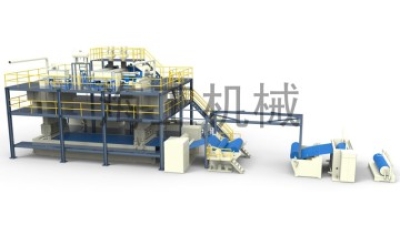
As the Nonwoven Fabric industry keeps growing, people are starting to see just how importantSpunbonding Nonwoven Machines really are for changing the game in textile manufacturing. By 2026, it’s estimated that the worldwide market for nonwoven fabrics will hit around $58 billion — all thanks to the increasing demand for more sustainable and efficient fabric production methods. At PUJIANG HG NONWOVEN MACHINERY CO., LTD., we’re proud to be leading this shift. We focus on making top-notch spunbond, meltblown, and composite nonwoven machine lines. Our goal is to stay innovative and efficient so we can meet the needs of markets across the globe. That way, manufacturers can produce high-quality fabrics that are crucial in industries from hygiene products to automotive parts. When you take a closer look at what’s coming with spunbonding nonwoven machines, it’s clear—they’re not just about boosting production but also about doing it in a way that’s kinder to the environment. It’s an exciting time for this tech, and we’re here for it!
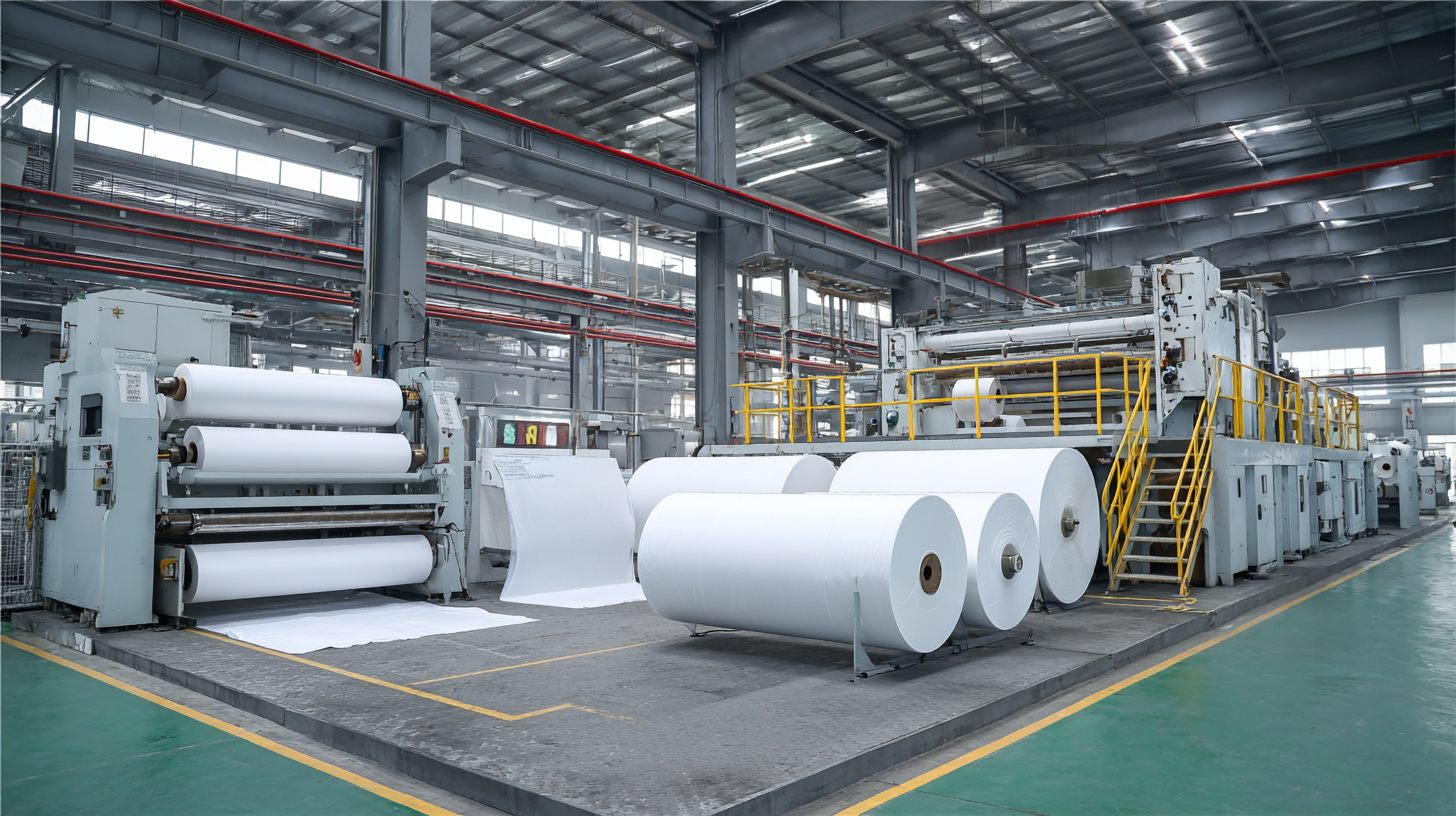
Understanding Spunbonding Technology and Its Significance in Fabric Manufacturing
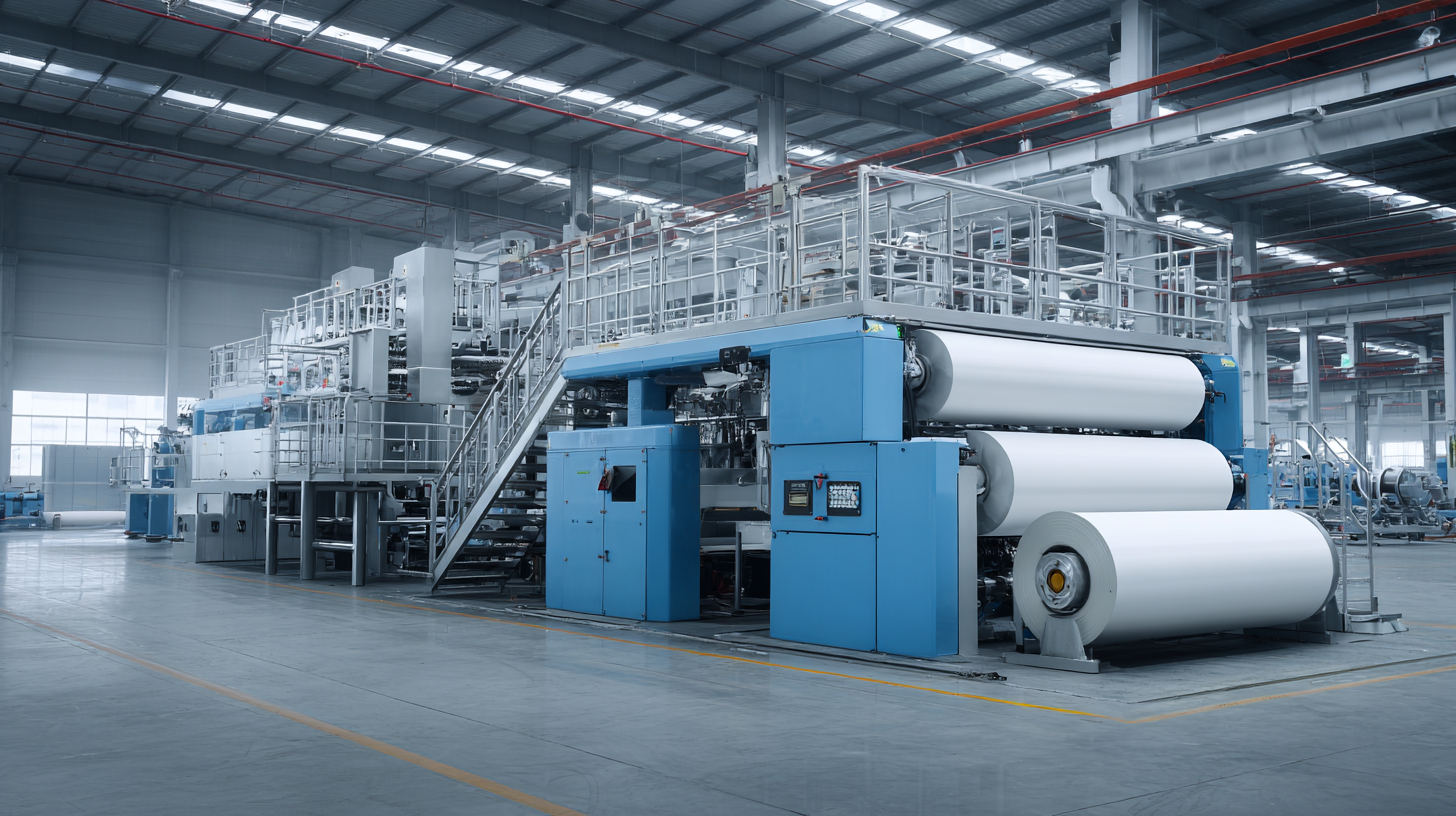 Spunbonding technology is really shaking up how we make fabrics, especially in the nonwoven world. It’s pretty exciting because it brings a lot of perks—making production more efficient and giving manufacturers more flexibility. Basically, this tech makes it possible to craft fabrics that are super lightweight yet tough, and they can be tailored for all sorts of uses, from hygiene products to medical gear. With the global market for nonwoven fabrics expected to hit around $80.8 billion by 2032—thanks mostly to rising demand for personal care and hygiene—it’s pretty clear that spunbonding is a game-changer.
If you’re thinking about jumping into this tech, a good tip is to pick the right equipment that matches your production goals. And don’t forget to keep an eye on new trends and innovations in the nonwoven scene. Staying updated can open up opportunities for you to stand out and make your processes more sustainable.
One of the coolest things about spunbonded nonwovens is just how versatile they are. Thanks to ongoing innovations, manufacturers can now engineer fabrics with specific features—whether it’s for filtration, automotive parts, or even medical applications. This kind of adaptability is key if you want to stay competitive in this fast-changing market.
Another tip: investing in training your team on the latest spunbonding techniques is definitely worth it. The more your workforce knows, the better you’ll be able to make use of this advanced technology. And, of course, attending industry conferences and networking events can be a huge help for sharing ideas and staying ahead of the curve.
Key Advantages of Spunbonding Nonwoven Fabrics in Various Industries
Spunbond nonwoven fabrics have really become a game-changer in so many industries. They pack some pretty impressive benefits that boost both how products perform and their sustainability, which is pretty cool. One of the biggest perks? Their strength and durability. Unlike your typical woven fabrics, spunbonded materials are made through a unique process where fibers are tangled together, making the fabric tear-resistant and tough enough to handle heavy use. That’s why you see them in stuff like agriculture — for crop covers and soil stabilization — and even in construction, like geotextiles.
But it’s not just about toughness. These fabrics are super lightweight and breathable, which is especially useful in healthcare. Think disposable gowns, masks, and surgical drapes — they need to be both comfy and functional. And the coolest part? Manufacturers can make them in all kinds of weights and thicknesses, so they can really customize products for different needs, making them more comfortable and effective.
Oh, and let’s not forget about their eco-friendly side. You can actually produce spunbonded fabrics from recycled or biodegradable fibers, which hits that sweet spot of being sustainable and environmentally friendly — something we're seeing a lot more of these days, whether in fashion, packaging, or other industries. Overall, spunbonding just keeps proving how versatile and beneficial it can be!
Revolutionizing the Fabric Industry: Key Advantages of Spunbonding Nonwoven Fabrics
Innovations Driving the Future of Spunbonding Nonwoven Machines
The fabric industry is really going through a big change right now, mostly thanks to new innovations in spunbonding nonwoven machines. These cutting-edge machines are not just making production faster and more efficient; they’re also giving manufacturers the ability to create fabrics with some pretty cool features that suit a bunch of different uses. Things like better fiber bonding tech and automation are helping streamline the whole process, cutting down waste and bringing costs down. As these machines keep getting better, they’re opening doors to versatile products that support the growing demand for eco-friendly materials.
And if you’re thinking about investing in spunbonding nonwoven machines, a good tip is to look for models that are energy-efficient — saving you money in the long run. Also, it’s smart to go for machines that can handle a variety of raw materials because that boosts your production options and helps you stay ahead of market trends.
Looking ahead, the future of spunbonding nonwoven tech seems pretty bright, especially with advancements in smart manufacturing and IoT stuff. Real-time monitoring and predictive maintenance mean less downtime and higher productivity, which is a big win. Plus, more emphasis on sustainability—like biodegradable nonwovens and recycling tech—is making a real impact. These innovations position manufacturers to be leaders in environmentally responsible fabric production.
A little tip? Keep yourself in the loop about the latest trends in sustainability and tech. Attending trade shows or following industry publications is a great way to do that. Not only does it boost your knowledge, but it’s also a fantastic chance to connect with other innovators and stay ahead of the game.
How to Optimize Production Efficiency with Spunbonding Technology
Spunbonding tech has really shaken things up in the fabric world, mainly because it’s super efficient and versatile. When manufacturers fine-tune their processes, they can crank out way more fabric while wasting less material — it’s a win-win. The magic happens because spunbond nonwoven machines can produce high-quality fabrics quickly, often nonstop. This continuous filament process not only speeds things up but also makes sure the fabric has a consistent look and feel, which is pretty important whether you're making medical supplies, construction stuff, or pretty much anything else.
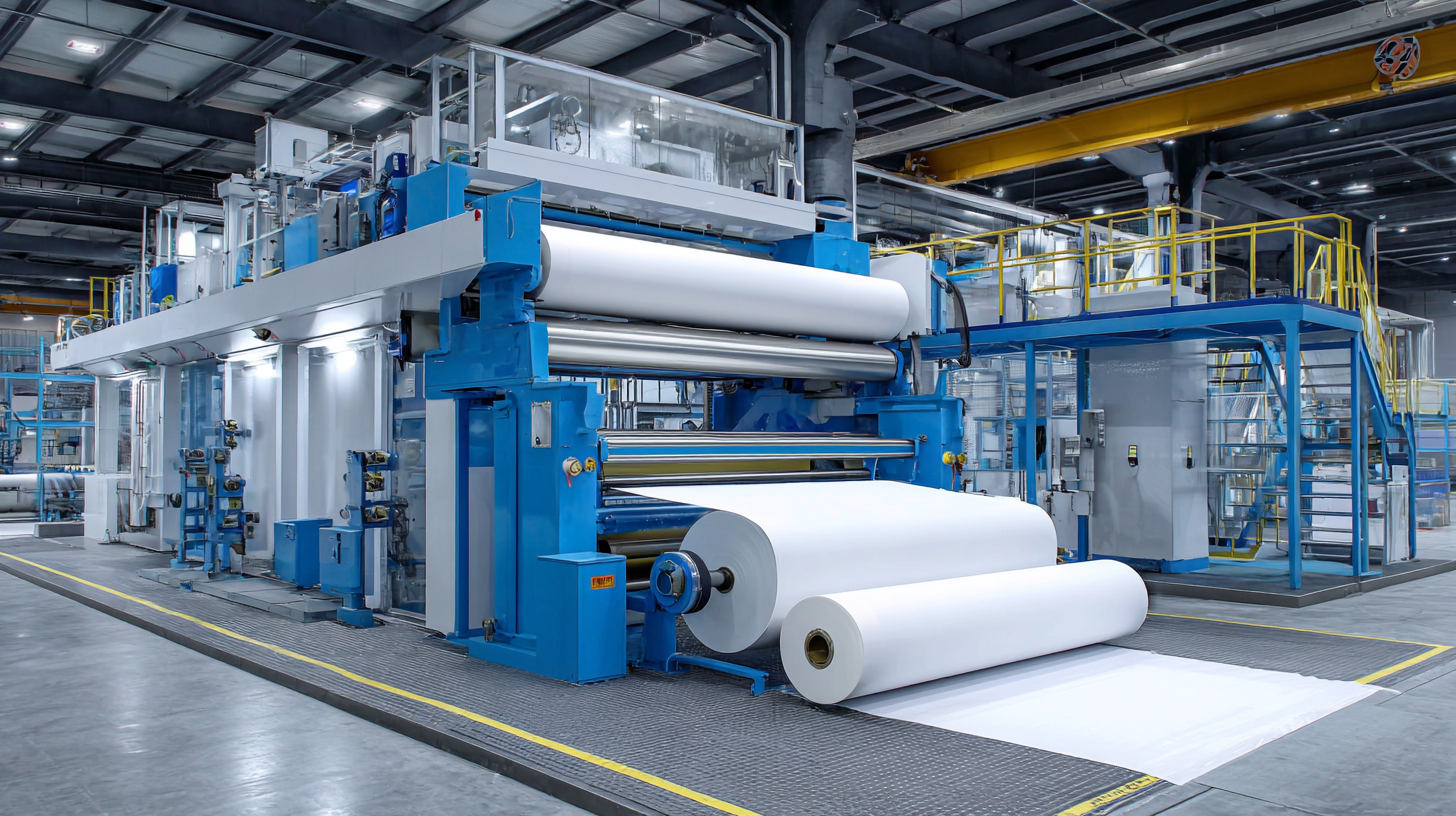
Plus, upgrading machines and adding automation can seriously boost how much you’re able to produce. With newer software for real-time monitoring and maintenance, there's less downtime and everything runs a lot smoother. Managing heat properly and controlling how fibers are deposited can also make a big difference in the quality of the fabric, giving it stronger performance traits. If fabric manufacturers invest in the latest spunbonding machinery and lean into some innovative practices, they’ll stay competitive and meet the growing demand for sustainable, high-quality textiles — all while staying ahead of the game.
Sustainability in the Fabric Industry: The Role of Nonwoven Fabrics
The fabric industry is going through some pretty big changes these days, especially with the rise of nonwoven fabrics. These materials are becoming more and more important for sustainability efforts. I read in a report by Smithers Pira that the global market for nonwoven fabrics might hit around $50 billion by 2025—that's a serious shift towards eco-friendly options. Machines like spunbonding nonwoven producers are really at the heart of this transformation, helping manufacturers make lightweight but sturdy fabrics that tick all the boxes for performance and sustainability. What’s even cooler is that these fabrics are recyclable and can be made using way less water and energy than traditional textiles—every bit counts, right?
Plus, nonwoven fabrics now make up over 30% of the global textile scene and are being used everywhere—from hygiene products to car interiors. They’re helping cut down on waste and are often made from biodegradable stuff, which totally aligns with what many consumers want these days—more eco-friendly choices. As everyone in the industry keeps pushing for more sustainable practices, innovations in spunbonding tech are making sure these fabrics keep getting better—more functional, less harmful to our planet. It really feels like this blend of tech and green principles is about to totally change the fabric game, steering us toward a greener, more sustainable future.
Revolutionizing the Fabric Industry: The Benefits and Innovations of Spunbonding Nonwoven Machines
| Dimension | Details |
| Sustainability | Nonwoven fabrics are recyclable and biodegradable, reducing landfill waste and environmental impact. |
| Energy Efficiency | Advanced spunbonding technologies consume less energy compared to traditional fabric manufacturing processes. |
| Versatility | Applicable in various industries including automotive, healthcare, and agriculture. |
| Cost Efficiency | Lower raw material costs and reduced waste streamline production expenses. |
| Innovation | New technologies enhance the strength and durability of nonwoven fabrics. |
| Market Growth | The nonwoven fabric market is expected to grow significantly due to increased demand for sustainable products. |
Comparative Analysis: Spunbonding vs. Traditional Fabric Production Methods
Lately, the nonwoven fabrics scene has been changing quite a bit, thanks to some pretty exciting innovations in spunbonding technology. You know, spunbonding isn't just a fancy term—it actually gives manufacturers some serious advantages over the old-school weaving or knitting methods. Industry stats are pointing toward a bright future too—the market's expected to hit around $52.88 billion by 2025, mostly fueled by the demand in hygiene and medical sectors. And honestly, spunbonding’s ability to produce lightweight, durable, and budget-friendly materials really hits the mark for those industries that need it most.
If you compare spunbonding fabrics to traditional ones, you'll see it's way more efficient. Traditional manufacturing can be a real hassle—lots of steps, big machines, and a lot of time. Spunbonding, on the other hand, keeps things simple and speedy, letting companies produce large volumes in no time. Plus, there's been some cool progress with bio-based materials—think fabrics made from sustainable resources like bio-PLA and bio-based PE spunbonds. As more players, especially in countries like India, jump on this bio-friendly bandwagon, spunbonding is definitely pulling ahead of the older methods in the fabric world. It’s an exciting time for the industry, for sure.
Innovative Solutions in Fabric Production: Exploring the PP Spunbond Nonwoven Production Line Advantages and Applications
The PP spunbond nonwoven production line has emerged as a critical solution in the fabric production industry, offering numerous advantages that cater to the growing demand for lightweight, durable, and versatile materials. According to market insights, the global nonwoven fabric market is projected to reach USD 52.96 billion by 2026, driven by increased applications in hygiene, medical, and automotive sectors. This trend underscores the importance of innovative machinery and production techniques in meeting such surging demands.
HG Nonwoven Machinery stands out as a leading manufacturer in this sector, specializing in a comprehensive range of production equipment for PP spunbond and melt-blown nonwoven fabrics. With advanced technology in S, SS, SSS, SMS, SMMS, and SSMMS configurations, HG Nonwoven Machinery not only provides high-quality machines but also offers turnkey project services, streamlining the production process for manufacturers. The versatility of spunbond nonwoven products makes them ideal for various applications, including filtration, insulation, and medical textiles, further solidifying their position in the market.
As the industry evolves, embracing such innovative solutions will be pivotal for companies aiming to enhance efficiency and meet regulatory standards. The use of PP spunbond fabrics is expanding rapidly, influenced by their sustainability advantages and multiple functionalities. This evolution is reflected in the anticipated growth of the nonwoven fabric market, highlighting the essential role that advanced machinery, like those produced by HG Nonwoven Machinery, will play in shaping the future of fabric production.
FAQS
: Spunbonding technology is a method that allows manufacturers to produce nonwoven fabrics efficiently, enhancing production output while reducing material waste through continuous filament production.
It streamlines manufacturing processes, allows for rapid production of high-quality fabrics, and incorporates automation and advanced software for real-time monitoring, which minimizes downtime.
Spunbonding nonwoven fabrics are used in various applications, including medical supplies, hygiene products, and construction materials due to their lightweight and durable characteristics.
Spunbonding is more efficient than traditional methods like weaving or knitting, as it requires fewer steps and produces fabrics in larger volumes at a faster pace.
The market is primarily driven by demand in the hygiene and medical sectors, with projections estimating it will reach USD 52.88 billion by 2025.
Advantages include lightweight and durable materials, cost-effectiveness, and compatibility with innovative bio-based materials which enhance their appeal in the market.
By implementing efficient heat management and precise control over fiber deposition during production, manufacturers can improve the performance characteristics of spunbonding fabrics.
Investing in advanced machinery allows manufacturers to improve operational performance, reduce costs, and meet the rising demand for sustainable high-performance textiles effectively.
Bio-based materials like PLA and sustainable resources increase the appeal of spunbonding by promoting environmental sustainability while offering high-quality fabric options.
Innovations in spunbonding are giving manufacturers a competitive edge as they adapt to market demands for sustainable and efficient textile solutions, outpacing traditional production methods.
Conclusion
Have you ever wondered how the fabric industry is changing? Well, there's this fascinating technology called spunbonding, and it's really shaking things up. Basically, it allows manufacturers to create all kinds of nonwoven fabrics that are super versatile and useful across different industries—think healthcare, auto parts, and everyday consumer products. What's pretty awesome about these fabrics is that they’re not only durable but also cost-effective, which is a big win for businesses looking to save some bucks.
Lately, innovations in spunbonding machines are pushing things even further, making production faster and more efficient. Companies like PUJIANG HG NONWOVEN MACHINERY CO., LTD. are leading the charge, offering advanced solutions that meet global needs. Plus, there's a growing focus on sustainability, with nonwoven fabrics playing a key role in lowering environmental impacts. The article wraps up with a comparison between spunbonding and traditional fabric manufacturing methods, highlighting how spunbonding machines are becoming the top choice in modern textiles.
Honestly, it's pretty exciting to see how this technology is shaping the future of fabric production and making things better for everyone involved.