
Leave Your Message
The textile industry is rapidly changing, and demand is soaring for high-quality spunbond Nonwoven fabric, especially with its many applications in areas as diverse as medical supplies and packaging. In order to produce spunbond nonwoven fabric that satisfies market needs and regulatory requirements, manufacturers need to understand the quality standards. Pujiang Haigong Import and Export Co., Ltd., which is a leading name in the industry, offers insights into these benchmarks, which guarantee not only the durability and efficiency of products but also the satisfaction of the clients.
In this blog, we are going to cover the main quality-determining factors in the manufacture of spunbond nonwoven fabric. These include raw material selection and production processes, dealing with how each factor affects performance and compliance. At Pujiang Haigong Import and Export Co., Ltd., we believe that quality benchmarks should more than ever be understood thoroughly by manufacturers and consumers, facilitating both in attaining excellence in their products while serving to inspire innovations in the nonwoven fabric market.

These spunbond nonwoven fabrics find their application in various industries hence the manufacturer's concern for their quality attributes. The important parameters defining the quality have been strength, durability, and hydrostatic resistance. Among these, the most crucial property of the fabric will be burst strength, which is related to how much pressure the fabric can withstand without rupturing. Modern equipment for testing, such burst testing machines, enables a precise measurement of fabric performance. In that it applies pressure in use through an elastic membrane beneath the sample, the device simulates a real case scenario. Since there is an increasing market demand in high-quality spunbond fabrics, manufacturers have to concentrate improving on these properties so as to meet the industry standards and perform up to the expectations of the consumers. It is only by adopting these advanced testing methods that will guarantee products not to lose their integrity and reliability in applications across the board.
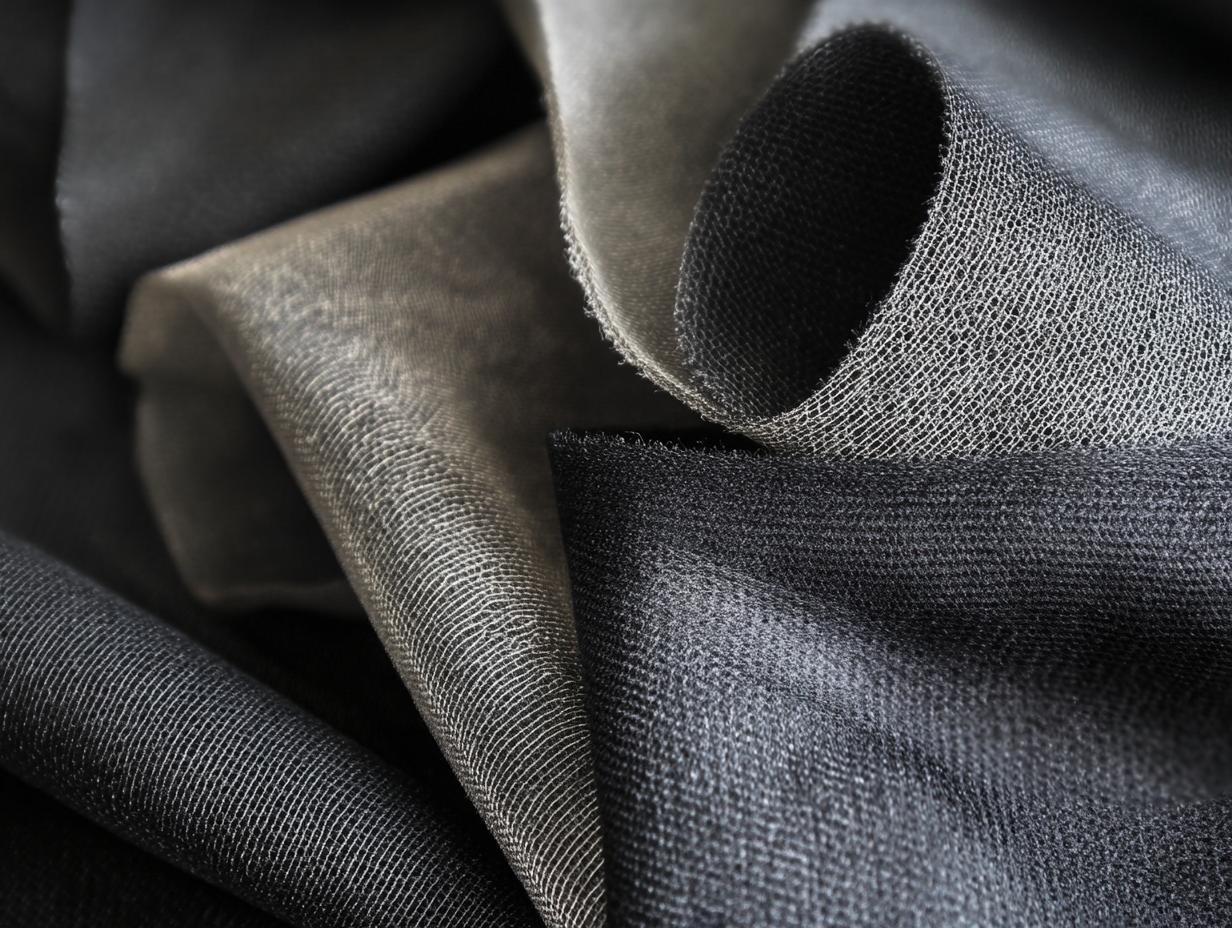
When assessing the qualities of spunbond nonwoven fabrics, it is necessary to ascertain that they are manufactured to conform to the industry's standards and performance considerations. A basic integrity test for fabric is bursting strength, which indicates how much pressure a certain fabric can take before rupturing. This test utilizes machine equipment to put a fabric sample under pressure from a stretching membrane. By measuring the final rupturing point, manufacturers can determine the degree of durability of the fabric and also the areas of application.
Increased demands for higher-quality Nonwovens, particularly in medical and industrial applications, highlight the importance of improving testing methods for guaranteeing the quality of these special fabrics. The bursting strength test provides useful feedback for manufacturers about materials destined for specific end-use, thus trying to couple reliability and safety as parameters of consumer assurance. Thus, the market demand for advanced fabric testing equipment ensures that some manufacturers will invest in further technologies to better improve quality assurance.
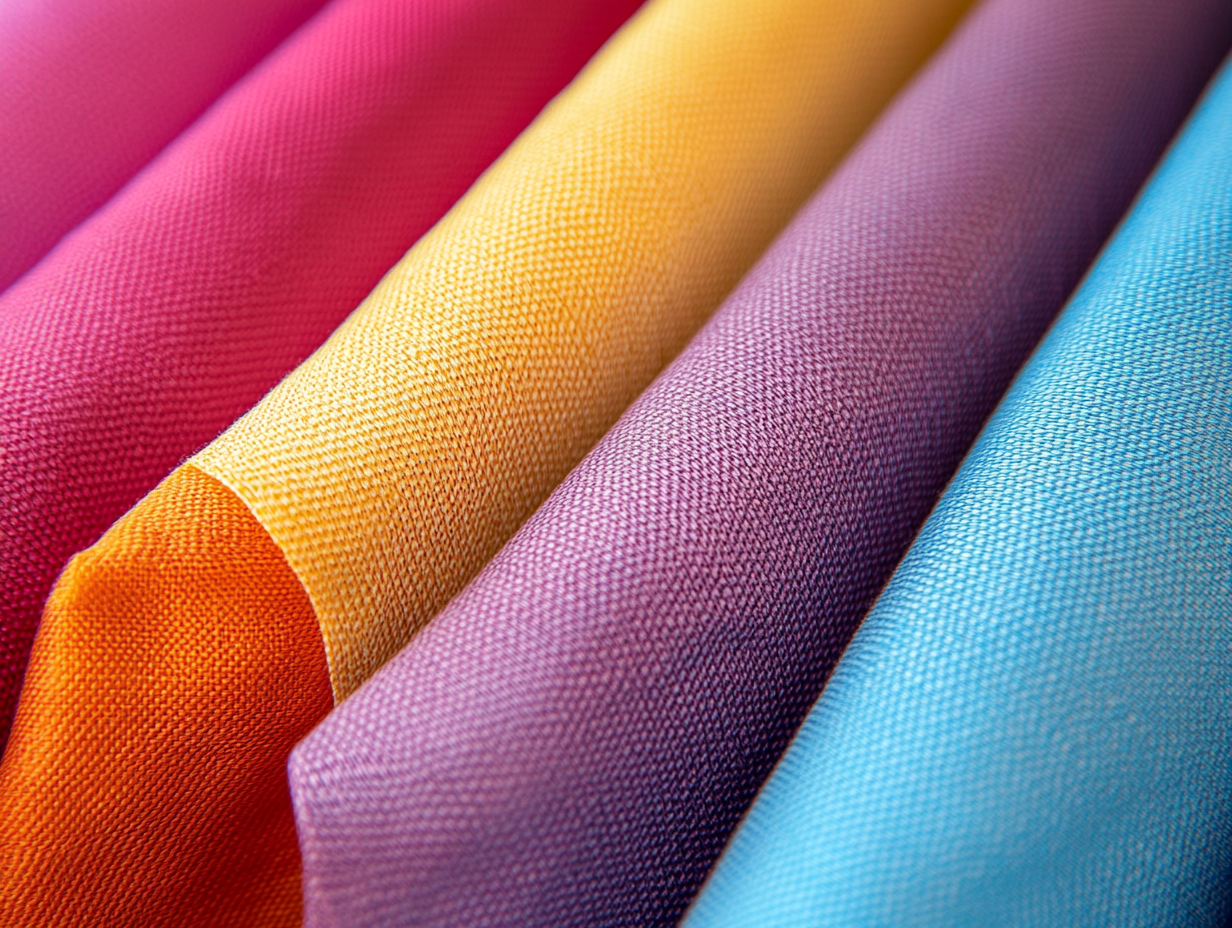
One of the primary factors that affect the quality of spunbond nonwoven fabric is the selection of raw materials. Recent advancements in the material technology-to introduce 100% PLA nonwovens, which greatly promotes a shift toward greener alternatives while in compliance with performance and quality standards-set in the industry. It is, especially, important for areas like hygiene where the integrity of the fabric is crucial.
Like raw materials, processing techniques are also important factors in determining the quality of a fabric. Simulation experiments have been conducted on laydown quality concerning fibers in a spunbond facility to get into the complex interaction between the properties of the material and those of a production technique. New machines and efficient production lines are making it possible to even bring down the weight of fabrics whilst holding up the standards, evidencing that barriers to ever-greater improvements are being pushed further in the nonwoven fabric manufacturing world.

Particularly with regard to spunbond nonwoven fabric, quality benchmarks are extremely important because they assure that the products meet the standards of the growing industry and customer expectations. In this perishable industry having rapid growth with all the applications needing nonwoven solutions, it is even more important to comply with these standards.
With advancements in technology and manufacturing processes, the bar has been raised even higher. In these times of setting up new manufacturing lines worldwide to provide for shortfalls in some important areas, such as medical fabrics, it is important to continue making capital investments in quality control. The rapidly changing market with new nonwoven production methods proves that the significance of strong quality benchmarks lies in providing competitive advantage and driving industrial innovation.
Different types of industries greatly rely on spunbond nonwoven material in view of its unique properties and applications. Essentially, spunbond non-woven textile is that type of fabric made from continuous filaments. This process of making a spunbond nonwoven fabric requires the extrusion of thermoplastic polymers, followed by a bonding process to take place for reinforcement of strength on the manmade fibers. These are then produced in large batches at a constant quality for increasing demands across sectors like health care, automotive, construction, etc.
Mere establishing of high-quality production lines can easily underline the importance of quality spunbond nonwoven fabric. Industrial output levels are gradually increasing, with latest procedures being employed to optimize production efficiency while enhancing product quality. The competitive environment and improved supply chain resilience in industries will make advanced manufacturing technology the only solution. In the end, quality of spunbond nonwoven fabrics will meet broader economic objectives concerning reduced market fluctuations and increased employment.
Future trends of the spunbond non-woven fabric quality will be determined via technology advancement as well as changing industry standards. In the effort of improved production methods, manufacturers are getting more concerned about quality standards in line with sustainability and efficiency. Innovations such as real-time monitoring tools and advanced polymer technologies include quality enhancement and waste reduction in the manufacturing cycle.
They are long being used in these industries namely Healthcare, Automotive, and Consumer Goods, among others. Here, the increasing demand for specialized non-woven fabrics promotes manufacturers to adopt rigorous quality assessment protocols. Such protocols will ensure that the end products will fulfill the safety, durability, and performance criteria. Taking all these new trends into account will enable the industry of spunbond non-woven fabric not only to improve the product portfolio but also to go farther in the green route.
The specific processes established in the manufacture of spunbonded nonwovens must be strictly adhered to in respect of industry standards and certifications to assure quality and safety. Media reports have increased scrutiny for nonwoven products which is partly due to environmental concerns. Commenting on this, experts have indicated that some disposable nonwoven products may actually cause worse pollution than traditional plastics, which means that clear questions arise regarding their environmental durability.
As regulations governing plastics are tightening, nonwoven alternatives are being used more widely in retail and food services. This wide acceptance, however, warrants a demand for standards and certifications that can ensure that these materials are safe and effective. There have been recent developments that indicate this, such as the emergence of specific group standards for nonwoven fabrics used for products such as masks that push for higher-quality benchmarks within the industry.
Continuous improvement strategies are crucial for sustaining quality standards in spunbond nonwovens. Proactive quality control will accordingly promote process improvement, defect reduction, and customer satisfaction. The advancement of methods, such as state-of-the-art imaging and measurement systems, serves to accumulate the critical quality assurance information.
The move towards sustainability has become an industry trend whereby companies are finding pressure to develop their green credentials whilst ensuring product performance. With competitors struggling against product quality inconsistency and product competitiveness in the market, this is where utmost quality management systems may become a defining feature of successful manufacturers against those who can't. Following continuous improvement builds the brand's name and encourages technology advances in nonwoven fabric manufacturing.
The spunbond nonwoven fabric sector should adopt quality benchmarks to ensure standardization in the industry. In the past, some case studies discussed how certain metrics have been adopted by manufacturers to judge their processes, ensuring that the end result meets all quality expectations. By bringing in the performance metrics used in the technology sector - such as gaming and data management - manufacturers will be better equipped to monitor their outputs while improving efficiencies.
Another example is the high-end textile exhibitions, which define the quality standards set for production in the fabric industry. These events trigger innovations and showcase benchmarks that spinners can adapt to, shifting from traditional to modern. Such metrics also assist companies in recognizing problems early and adapting rapidly to advance a continuous improvement culture in the fiercely competitive realm of nonwoven fabric manufacturing.
Quality benchmarks for manufacturing spunbond nonwoven fabric have been more difficult to keep recently, specifically because of the modifications in market demand for many products, such as disposable facial towels. Recent inspections conducted in Suzhou have shown some variations from product quality, thus demonstrating a more intensive need for monitoring and compliance to quality standards. Also, consumers, with greater awareness towards health issues, are fussier over the things they use, which pressure manufacturers to ensure that what they produce needs to be of higher quality.
The question of what natural, eco-friendly materials source is dependent upon the production processes, proving that most companies are now up against one issue or another in producing improved nonwoven fabrics. Bringing up to date from the raw materials to the finished products must be transparent and environmentally sustainable, as these dependable organizations strive to produce excellent nonwoven fabrics. This is coupled with the mismatch that most supply chains face and new technologies that can keep production quality at the highest standards. It must continue to tackle these issues if it wants to address those already in place to obtain the ever-increasing and very competitive consumer trust and satisfaction.
The key quality attributes include strength, durability, hydrostatic resistance, and particularly burst strength, which indicates how well the fabric can withstand pressure before breaking.
Recent advancements, such as burst testing machines, enable precise evaluation of fabric performance by simulating real-world conditions through pressure application, helping manufacturers assess their materials effectively.
Adhering to industry standards and certifications ensures the quality and safety of spunbond nonwoven fabrics, especially amid increasing scrutiny regarding pollution and environmental impact.
Experts have noted that certain disposable nonwoven products may contribute more to pollution than traditional plastics, raising questions about their long-term environmental impact.
As regulations surrounding plastic use tighten, there is an increasing prevalence of nonwoven alternatives in sectors like retail and food services, necessitating clear standards and certifications for safety and effectiveness.
Quality benchmarks are crucial for maintaining industry standards, helping manufacturers assess their production processes to ensure that final products meet high-quality expectations.
Case studies indicate that manufacturers utilize specific metrics to monitor their production processes, adapting practices from technology sectors to improve efficiency and maintain quality.
High-end textile events set benchmarks for quality in fabric production, fostering innovation and promoting best practices that manufacturers can adopt to enhance their processes.
The incorporation of advanced metrics allows manufacturers to identify issues early, adapt quickly, and promote continuous improvement within the competitive landscape of nonwoven fabric manufacturing.
The recent release of specific group standards for nonwoven fabrics used in products like masks reflects a push towards stricter quality benchmarks to ensure safety and effectiveness in the industry.


