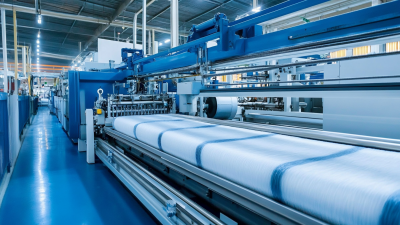
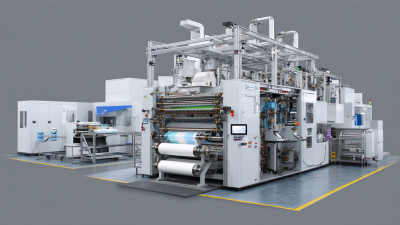
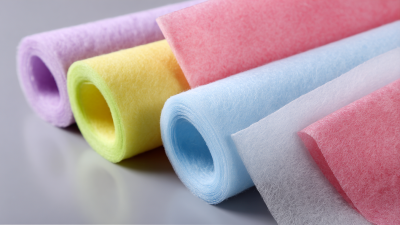
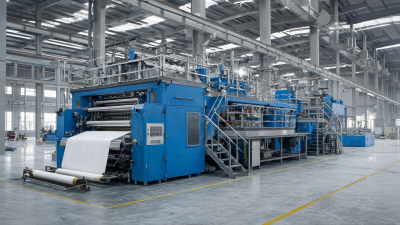
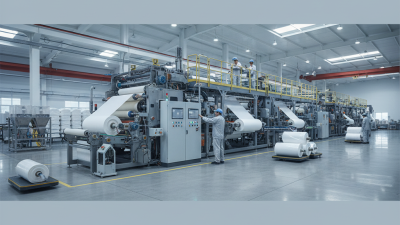
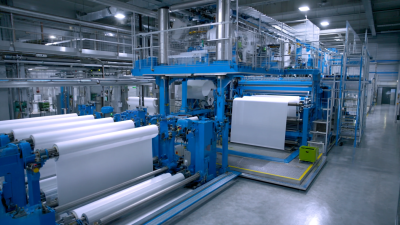
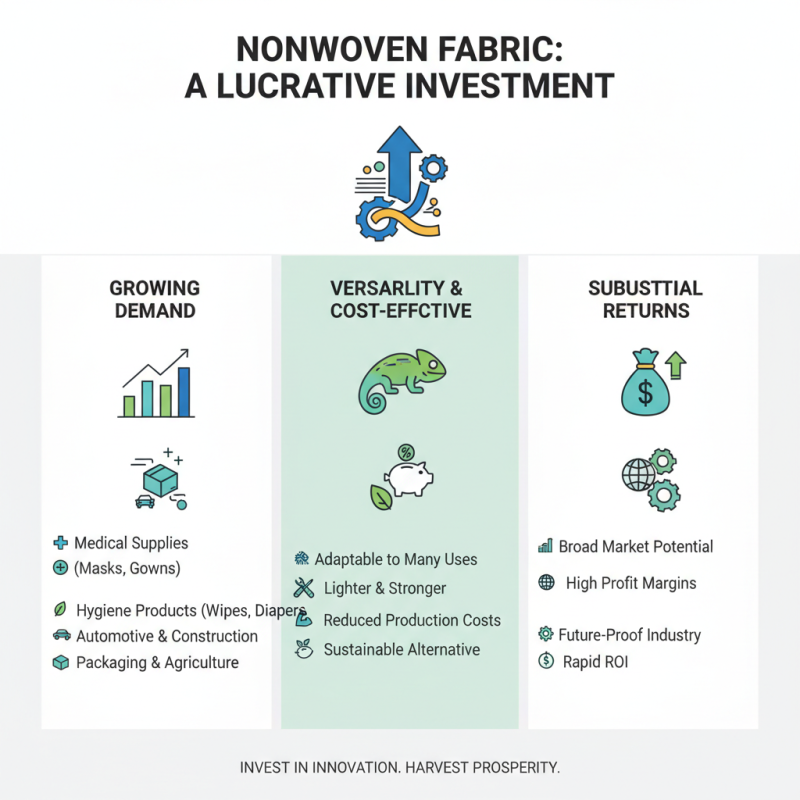
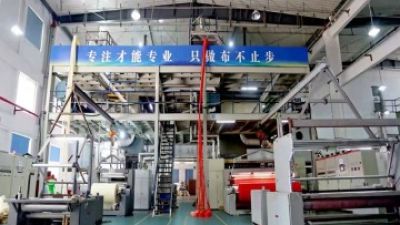
These days, with the market changing so fast, there's a huge buzz around innovative and eco-friendly materials. One material that's really been stealing the spotlight is Nonwoven Fabric — it’s super versatile and shows up in everything from healthcare products to car interiors. As companies try to meet environmental standards without sacrificing productivity, investing in a nonwoven fabric making machine has become pretty much a no-brainer for forward-thinking businesses.
Having a machine like that not only speeds up the production process but also lets you customize materials to fit different market needs. Making this kind of investment can really boost efficiency, save money, and help your business stand out in a crowded marketplace. Plus, with everyone pushing for more sustainable practices worldwide, nonwoven fabrics are seen as a much cooler, eco-friendly alternative to traditional textiles. That puts companies adopting this technology right at the forefront of industry innovation.
So, by jumping on the nonwoven bandwagon and equipping their factories with these advanced machines, businesses can open up new doors for growth and sustainability. Honestly, investing in this tech isn't just a smart move — it's pretty much essential if you wanna stay ahead of the curve and future-proof your business.
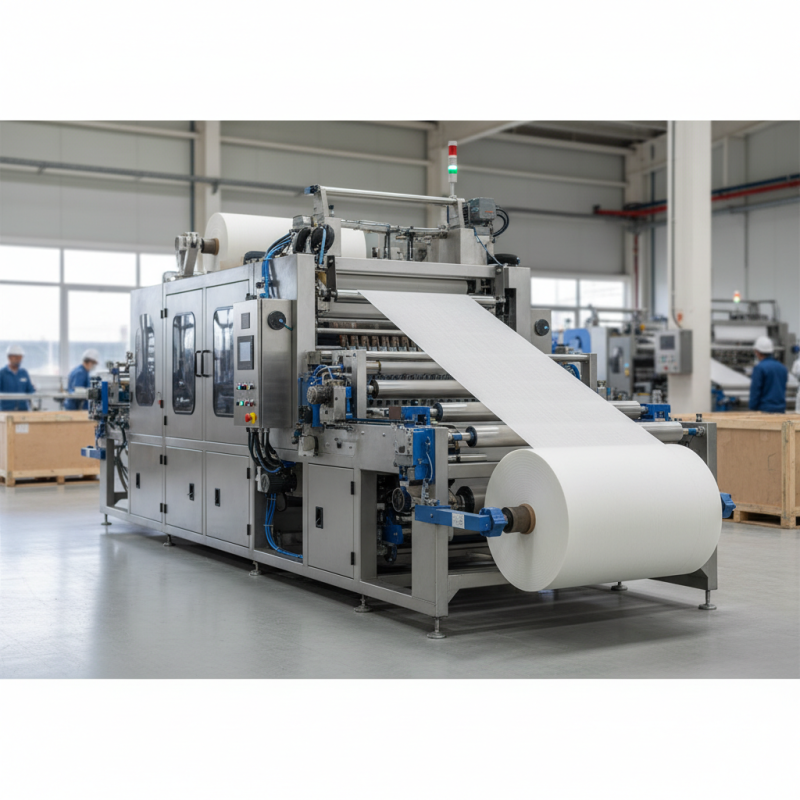
Benefits of Nonwoven Fabrics in Various Industries
Nonwoven fabrics have gained significant traction across various industries due to their versatility and cost-effectiveness. According to a report by Market Research Future, the global nonwoven fabrics market is projected to reach USD 47.6 billion by 2027, growing at a CAGR of 6.9% from 2020 to 2027. This growth can be attributed to the increasing demand for these products in sectors such as hygiene, medical, automotive, and construction. The unique properties of nonwoven fabrics—such as durability, lightweight, and water resistance—make them ideal for disposable items like surgical gowns, wipes, and filtration materials, which are essential in today’s health-conscious environment.
Tips: Consider investing in a nonwoven fabric making machine to enhance your product portfolio. This machinery allows for the economical production of various nonwoven materials that meet industry specifications, enabling your business to respond quickly to market trends.
Additionally, the use of nonwoven fabrics in the automotive sector is noteworthy, as these materials contribute to lightweight components that improve fuel efficiency. For instance, experts indicate that using nonwoven materials can reduce vehicle weights by up to 30% compared to traditional components. As the automotive industry increasingly focuses on sustainability, the adoption of nonwoven fabrics presents an opportunity for businesses to align with eco-friendly practices while enhancing their competitive edge.
Tips: Stay updated with industry trends and regulatory standards to ensure your nonwoven fabric products meet the evolving demands of your target markets.
Understanding Nonwoven Fabric Making Machines
Nonwoven fabric making machines are crucial in a variety of industries, including hygiene, medical, automotive, and construction. These machines utilize processes such as Spunbonding, meltblowing, and needlepunching to transform raw materials into versatile fabrics. According to a recent market research report by Grand View Research, the global nonwoven fabrics market size was valued at approximately $43 billion in 2022 and is expected to grow at a compounded annual growth rate (CAGR) of 5.8% by 2030. This growth is largely driven by the increasing demand for high-performance textiles that can be engineered to suit specific applications.
The technology behind nonwoven fabric making machines has advanced significantly over the years, allowing for greater efficiency and sustainability. For instance, many modern machines are designed to minimize waste and energy consumption during production, aligning with the global push for eco-friendly manufacturing practices. A report from MarketsandMarkets estimates that the eco-friendly nonwoven segment is projected to reach $25 billion by 2025, highlighting the growing emphasis on sustainable materials. Investing in these machines not only positions businesses to take advantage of market trends, but also enhances their ability to produce quality products that meet the evolving needs of consumers.
Why You Should Invest in a Nonwoven Fabric Making Machine for Your Business - Understanding Nonwoven Fabric Making Machines
| Dimension | Description | Benefits | Investment Cost |
| Production Capacity | Machines can produce a range from 100 to 500 kg of nonwoven fabric per hour. | Increased production efficiency. | $50,000 - $200,000 |
| Fabric Types | Can produce various types such as spunbond, meltblown, and needlepunch fabrics. | Versatility in product offerings. | Included in machine price. |
| Energy Consumption | Machines typically require around 30 to 50 kWh for optimal operation. | Cost-effective in the long run. | Annual savings varies by use. |
| Maintenance | Regular maintenance includes checking belts, lubricating parts, and replacing filters. | Minimizes downtime and extends machine lifespan. | $2,000 - $5,000 annually |
| Return on Investment (ROI) | Typically realized within 3 to 5 years based on production volume. | Strong potential for profit growth. | Dependent on sales strategy. |
Key Features to Look For in a Nonwoven Fabric Making Machine
When considering the investment in a nonwoven fabric making machine, it's vital to identify key features that can significantly impact your production efficiency and product quality. One essential feature to look for is the machine's production capacity. In a report by Smithers Pira, the global nonwoven fabric market is projected to reach 6.9 million metric tons by 2025, highlighting the increasing demand. Opting for a machine that can deliver higher output rates will ensure that your business can meet market demands efficiently.
Another crucial aspect is the material versatility of the nonwoven fabric making machine. Many industries, including hygiene, automotive, and construction, require fabrics produced from a variety of materials such as polypropylene, polyester, and biodegradable options. According to a study by Future Market Insights, the biodegradable nonwoven fabric segment is expected to grow at a CAGR of 8.4% between 2021 and 2031. Therefore, selecting a machine that accommodates multiple raw materials not only broadens your product offerings but also aligns with sustainability trends that are crucial in today's market.
Additionally, the machine's automation level and ease of maintenance are important factors. Automated machines equipped with advanced digital controls can improve precision and reduce labor costs, which is vital when operating under tight margins. The textile machinery market is evolving, with automation set to be a key driver, as indicated by a recent report from Mordor Intelligence predicting a CAGR of around 7% through 2025. Thus, investing in a nonwoven fabric making machine that emphasizes these key features positions your business to thrive in a rapidly changing industry landscape.
Cost-Effectiveness of Investing in Nonwoven Fabric Technology
Investing in nonwoven fabric technology represents a significant opportunity for businesses aiming to enhance efficiency and reduce costs. Nonwoven fabrics are becoming increasingly popular across various sectors, from healthcare to automotive, due to their versatility and performance. By acquiring a nonwoven fabric making machine, businesses can streamline their production processes and minimize labor costs, leading to improved profit margins. This technology not only reduces material waste but also allows for customization in fabric properties, thereby meeting diverse customer needs more effectively.
Furthermore, the initial investment in a nonwoven fabric manufacturing machine can yield substantial long-term savings. The durability and sustainability of nonwoven materials contribute to lower overall operational costs. With the ability to produce high-quality fabrics in bulk, companies can significantly cut down on expenses related to inventory and raw materials. Additionally, the reduced dependency on labor-intensive processes can lead to lower operational risks and enhanced scalability. As demand for nonwoven products continues to rise, businesses that embrace this innovative technology are likely to secure a competitive edge in the marketplace while optimizing their cost structure.
Cost-Effectiveness of Investing in Nonwoven Fabric Technology
Market Trends and Demand for Nonwoven Fabrics
The demand for nonwoven fabrics has seen a significant surge in recent years, driven by various market trends. One of the most prominent factors contributing to this growth is the increasing awareness of environmental sustainability. Nonwoven fabrics, being recyclable and often produced with less energy compared to traditional textiles, align well with the global push for eco-friendly materials. Industries are increasingly opting for nonwoven solutions in applications ranging from hygiene products to construction materials, reflecting a broader shift toward sustainable practices.
Additionally, the healthcare sector is one of the key drivers behind the rising demand for nonwoven fabrics. With the ongoing emphasis on hygiene and sanitation, particularly in light of recent global health challenges, nonwoven materials have become essential in the production of medical gowns, masks, and other protective gear. Furthermore, innovations in strengthening nonwoven technologies are enabling better performance and versatility, making them suitable for an expanding array of applications, including automotive interiors and home furnishings.
As these trends continue to evolve, investing in a nonwoven fabric making machine can position businesses to capitalize on the growing market opportunities.
Potential Return on Investment from Nonwoven Fabric Production
Investing in a nonwoven fabric making machine can lead to substantial returns, primarily due to the increasing demand for nonwoven products across various industries. With applications ranging from medical supplies and personal hygiene products to automotive and construction materials, the versatility of nonwoven fabrics creates a broad market potential. As consumers and manufacturers alike seek lightweight, cost-effective alternatives to traditional materials, businesses positioned within this sector stand to benefit significantly.
The initial investment in a nonwoven fabric production line can be offset by the potential for high output and low operational costs. Nonwoven fabrics generally require less energy and raw materials than woven or knitted textiles, allowing for efficient production processes that can result in lower overall costs. Additionally, as sustainability continues to gain importance in manufacturing, nonwoven fabrics made from recycled materials can appeal to environmentally conscious consumers, further enhancing marketability. By strategically utilizing a nonwoven fabric making machine, businesses can not only optimize their manufacturing capabilities but also tap into diverse revenue streams, ensuring a robust return on investment in the long term.
Steps to Integrate Nonwoven Fabric Production into Your Business
Integrating nonwoven fabric production into your business can significantly enhance your product offerings and operational efficiency. The first step is to evaluate your current production capabilities and determine how nonwoven fabrics align with your business goals. This involves researching the types of nonwoven fabrics that best suit your target market, whether for hygiene products, automotive applications, or medical supplies. Understanding these market demands will guide your investment decisions and production planning.
Once you've established the market potential, consider investing in a nonwoven fabric making machine. This machinery will require proper integration into your existing operations. Tips for a smooth transition include conducting thorough training for your staff, ensuring they are well-versed in the new equipment and production processes. Additionally, you should implement a phased rollout of production to mitigate risks and address any initial challenges that may arise. Monitoring production quality closely during this phase will help you adjust processes sooner rather than later.
Finally, fostering strong supplier relationships is key to maintaining a consistent supply of raw materials for your nonwoven production. Connect with reliable vendors who can meet your quality standards and delivery timelines. This proactive approach not only helps streamline operations but also enhances your overall competitiveness in the market. The right partnerships can provide both material resilience and innovative solutions to keep your business growing.
Advantages and Applications of PP Spunbond Nonwoven Fabric Making Machine in Modern Manufacturing
The advancement of manufacturing technologies has paved the way for the incorporation of PP spunbond nonwoven fabric making machines, which deliver numerous advantages across various industries. These machines are engineered to produce high-quality nonwoven fabrics efficiently, a necessity in sectors such as hygiene, medical, agriculture, and construction. The seamless operation and innovative design of these machines enable manufacturers to meet the growing demand for durable and environmentally friendly materials.
One significant benefit of PP spunbond nonwoven fabric making machines is their ability to create cost-effective fabric solutions without compromising on quality. This versatility allows businesses to tap into different markets while ensuring compliance with sustainability practices. As the global focus shifts towards eco-friendly products, the use of nonwoven fabrics—which are lightweight, reusable, and recyclable—aligns perfectly with the demand for greener manufacturing processes. Furthermore, these machines facilitate the production of fabrics that offer superior strength and resistance to various environmental factors, making them ideal for protective applications in both medical and agricultural fields.
In modern manufacturing, the ability to quickly adapt to market needs is crucial. The efficiency and scalability of PP spunbond nonwoven fabric making machines empower manufacturers to rapidly respond to fluctuations in demand, increasing their competitiveness. With technology continuing to evolve, these machines not only enhance production capabilities but also foster innovation in fabric applications, solidifying their importance in the future of manufacturing.
FAQS
: Investing in nonwoven fabric technology can enhance efficiency, reduce costs, minimize labor expenses, lower material waste, and allow for customization of fabric properties.
The initial investment in manufacturing machines can lead to long-term savings by reducing operational costs, decreasing dependency on labor-intensive processes, and allowing for bulk production.
The demand for nonwoven fabrics is rising in various sectors, including healthcare, automotive, and construction, driven by a focus on sustainability and hygiene.
Nonwoven fabrics are often recyclable and can be produced with less energy compared to traditional textiles, making them a more eco-friendly option in line with global sustainability goals.
The healthcare sector significantly influences the demand due to the need for hygiene products such as medical gowns and masks, especially in light of recent public health challenges.
Nonwoven fabrics allow companies to produce high-quality materials in bulk, which reduces inventory costs and expenses related to raw materials.
Innovations in nonwoven technologies enhance their performance and adaptability, making them suitable for a wider range of applications beyond traditional uses.
Investing in such machinery positions businesses to meet rising demand, capitalize on market opportunities, and maintain a competitive edge in their industry.
Nonwoven fabrics are used in various applications, including hygiene products, medical supplies, automotive interiors, and home furnishings.
By reducing dependency on labor-intensive processes, businesses can minimize operational risks, leading to enhanced scalability and better efficiency.
Conclusion
Investing in a nonwoven fabric making machine offers numerous advantages across various industries. Nonwoven fabrics are gaining popularity due to their versatility, durability, and cost-effectiveness, making them suitable for applications ranging from healthcare to automotive sectors. By understanding the key features of nonwoven fabric making machines, businesses can select equipment that aligns with their production needs while ensuring efficiency and product quality.
The cost-effectiveness of nonwoven fabric technology has made it increasingly attractive to businesses, especially when considering the rising market demand for nonwoven products. The potential return on investment from integrating nonwoven fabric production can significantly enhance profit margins. To successfully incorporate this technology, businesses should follow systematic steps for integration, ensuring they stay ahead in a competitive market focused on innovation and sustainability.