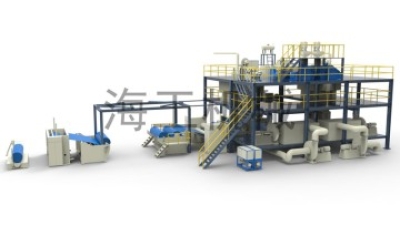
Lately, people have really started paying more attention to Spunbond Nonwoven Fabric because of its pretty unique properties and versatility. It's actually changing the way industries approach manufacturing—think about how things are done differently now compared to a few years back. As a manufacturer myself, I know firsthand that companies like PUJIANG HG Nonwoven MachineRY CO., LTD. are leading the charge in this space. They focus on making machine lines for spunbond, meltblown, and combined nonwoven fabrics. What’s really cool is how their innovative, high-efficiency solutions are opening up new possibilities — from medical textiles and filtration to packaging stuff. In this blog, I want to share some of the exciting ways spunbond nonwoven fabrics are being used today in different industries. It's amazing to see how this tech is changing product design and functionality, with companies like HG Nonwoven Machinery playing a big role in pushing these advancements forward.
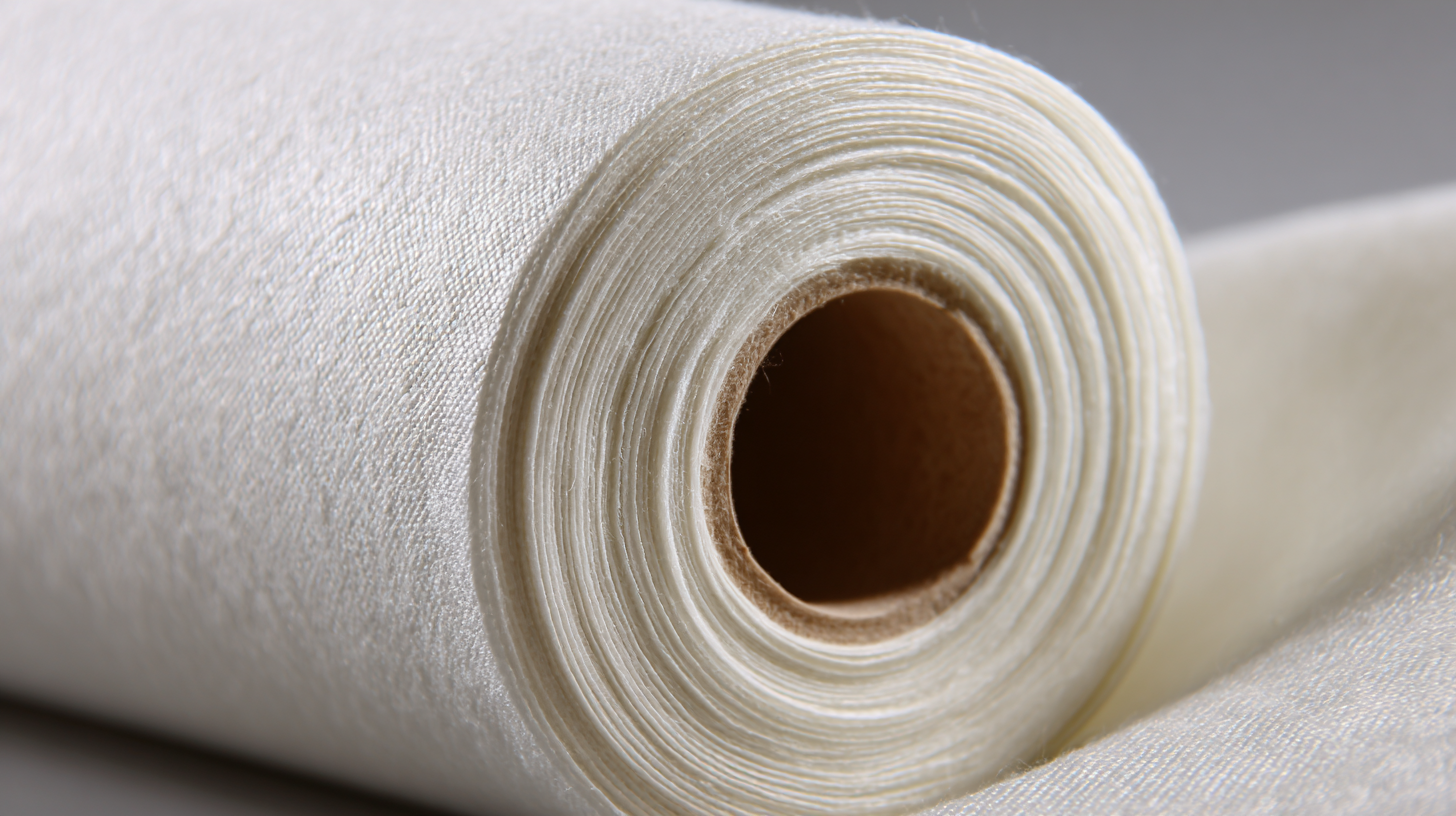
Advantages of Spunbonding Nonwoven Fabric in the Textile Industry
You know, spunbond nonwoven fabric really changed the game in the textile world. It’s got so many perks that make it a go-to for tons of different uses. And get this – the global market is expected to hit around $40 billion by 2025! The reason? These fabrics are super versatile and efficient. They're tough, with great barrier properties, and resistant to breaking down over time, which is probably why you see them everywhere—from hygiene products and medical textiles to geotextiles.
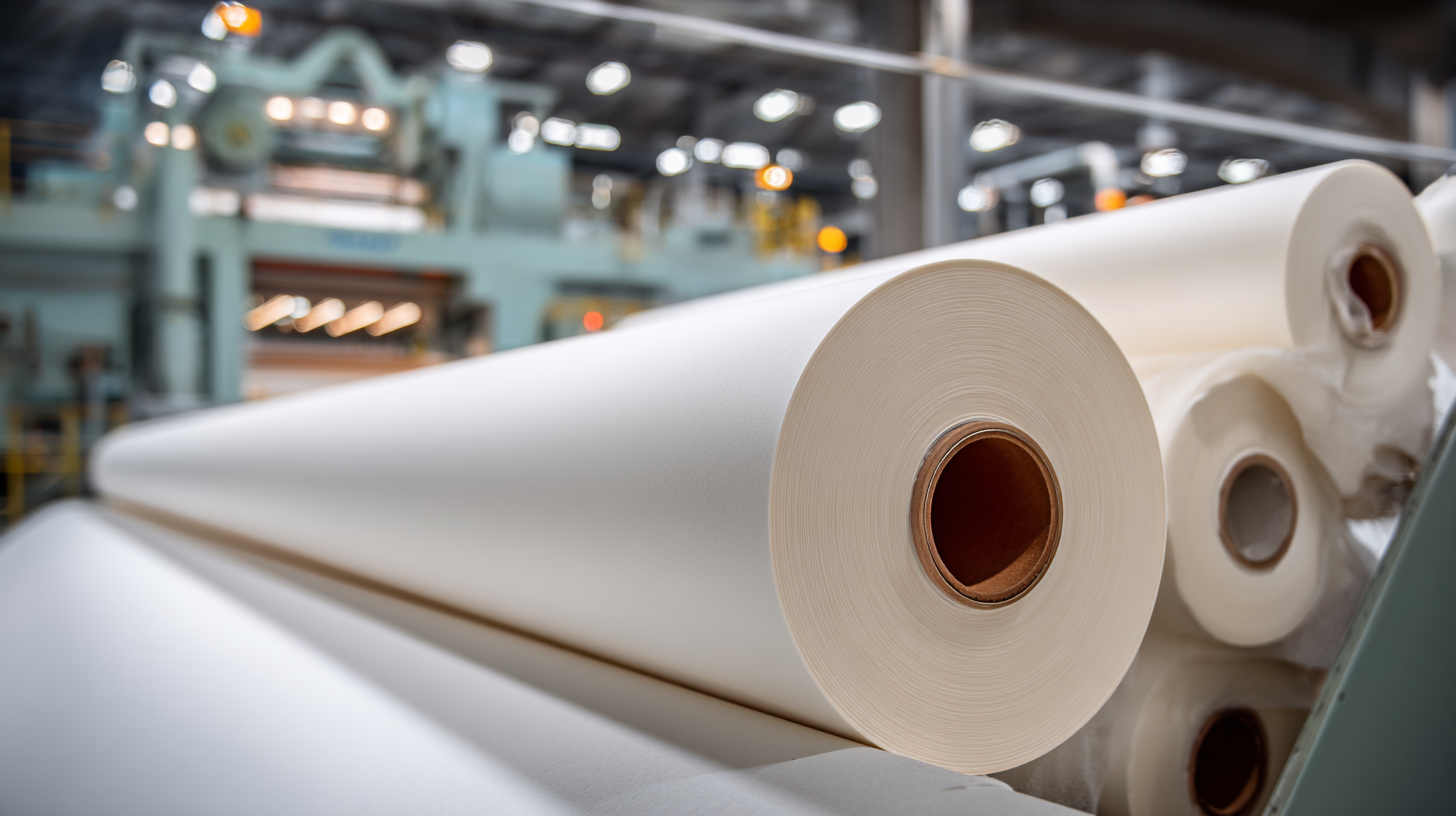
What’s also pretty cool is how they’re made. The process is actually pretty energy-friendly and doesn’t harm the environment much. A recent report from Smithers Pira mentioned that using spunbond tech can slash production costs by about 30% compared to the traditional woven methods. Companies like PUJIANG HG NONWOVEN MACHINERY CO., LTD. are leading the charge with high-efficiency machines that keep up with the increasing demand for top-notch spunbond fabrics. As more industries look for sustainable and budget-friendly solutions, spunbond nonwoven fabrics definitely seem like they're reshaping the modern textile scene—and honestly, they’re making a big impact.
Cost Efficiency: How Spunbonding Nonwoven Fabric Reduces Production Expenses
Innovative uses of spunbond nonwoven fabrics have really shaken up a bunch of industries, especially when it comes to saving costs. These days, companies are on the lookout for materials that aren’t just high-performing, but also friendly to the wallet. And honestly, spunbonded nonwovens are turning out to be a pretty sweet spot because of their awesome properties. Thanks to Reicofil technology, manufacturers can cut down on material usage — we're talking up to 50% less semi-finished goods — without sacrificing quality or performance. So, businesses get to save a ton on production costs while still keeping up with the rising demand for top-notch products.
On top of that, the market for nonwoven fabrics is expected to really take off across lots of sectors like hygiene, medical, and even automotive. Everyone’s pushing for more sustainability and smarter resource use, which is pushing industries to think outside the box. Cost-effectiveness is definitely a big part of the appeal of spunbond nonwovens — they make it easier for companies to save money and react quickly to market shifts. Looking ahead, the market for reinforced nonwoven plastics could hit about USD 6.8 billion by 2035. It’s pretty clear that as industries keep realizing how versatile and efficient these materials are, their popularity isn’t going to slow down anytime soon.
Sustainability Benefits: Eco-Friendly Properties of Nonwoven Fabrics
Lately, spunbonded nonwoven fabrics are really catching the eye across a bunch of different industries, mainly because of their huge sustainability perks. Honestly, these eco-friendly materials are super versatile and do a pretty good job of helping cut down environmental harm. One of the coolest things? Making spunbonded fabrics uses way less water and energy than traditional textile production, so they’re a greener choice all around. Plus, a lot of these nonwoven fabrics are recyclable and biodegradable, which makes them a hit with eco-conscious companies and consumers who are trying to make better choices.
If you’re thinking about adding these sustainable fabrics to your business, it’s a good idea to check out the entire life cycle of the materials you pick. One tip? Go for suppliers who use renewable resources in their manufacturing—that way, your products are not just eco-friendly but also support better industry practices.
On top of that, using spunbonded nonwoven fabrics in your product lineup can actually make things DURABLE and FUNCTIONAL without sacrificing your eco-friendly vibe. Think about using nonwoven wraps or bags for packaging—they’re lightweight but strong, and customers can often reuse them, which means less waste. This combo of sustainability and practicality isn’t just good for the planet; it also gives your brand a nice boost and shows that you care about making a difference.
Innovative Applications in Medical and Healthcare Settings
Spunbond nonwoven fabrics are really making waves in healthcare and medical fields these days. They've got some pretty cool properties that help meet the tough standards for hygiene and safety—so they're a game-changer for things like surgical gowns, masks, and other PPE. A report from Smithers Pira even predicts that globally, the market for nonwoven fabrics in healthcare will hit around $5.5 billion by 2025. The driving force? An ever-growing need for high-quality, affordable materials that can cut down infection risks and keep patients safe.
But it’s not just about PPE — these fabrics are also stepping up in wound care and hygiene products. Their ability to wick moisture away helps wounds heal faster by keeping things dry. And according to the Global Nonwovens Market Report, demand for nonwovens in wound care is expected to grow by about 6.4% each year through 2027, which shows just how important they’ve become in modern medical solutions.
A little advice for healthcare providers: When choosing spunbonded nonwoven fabrics, it’s smart to look for ones that offer both a strong barrier and good breathability — this keeps patients comfortable and protected. Also, keep an eye on your supply chain and try to source sustainably where possible, since more and more in healthcare are thinking about environmental impact. Lastly, make sure staff are well-trained on how to properly use and dispose of nonwoven PPE because that’s key to staying compliant and keeping everyone safe — both healthcare workers and patients alike.
Enhancing Filtration: The Role of Spunbonding Nonwoven Fabric in Air and Water Purification
You know, spunbonded nonwoven fabric has really become a key player in the filtration world these days, especially when it comes to air and water purification. It's pretty cool because its unique structure lets air flow through easily, but it still does a solid job catching tiny particles. And with everyone talking about being more eco-friendly, spunbonding is quite the win — you can make it from recycled materials without losing performance, which is a big plus. Because of how versatile these fabrics are, you'll find them in things like HVAC systems, water treatment setups, and even in personal protective gear. They really help keep things cleaner—whether it’s for businesses or everyday folks.
When you're picking out spunbond nonwoven fabrics for filtration stuff, don’t forget to think about things like pore size and how strong the fabric is. These little details actually matter a lot when it comes to how well it filters or how long it lasts. Also, it’s smart to buy from suppliers who are into sustainable practices—doing your part for the environment makes a difference. Oh, and keeping an eye on market trends is never a bad idea; it can help you spot new tech coming up so you can get the most out of these materials for your projects.
Creative Uses in Packaging Solutions: Revolutionizing Product Safety and Presentation
You know, the packaging world has really gone through some pretty exciting changes lately, especially with the rise of spunbond nonwoven fabrics. Honestly, it’s a game-changer! This stuff is super popular now because it’s lightweight, tough, and breathable—all great features that help keep products safe during shipping and storage. Brands are jumping on board too, because these fabrics don’t just protect—they also look good, giving packaging a nice, polished vibe. Plus, the fact that nonwoven fabrics are so versatile means companies can get really creative with their packaging designs. They can mix and match stuff to make their products pop on the shelves and really grab your attention.
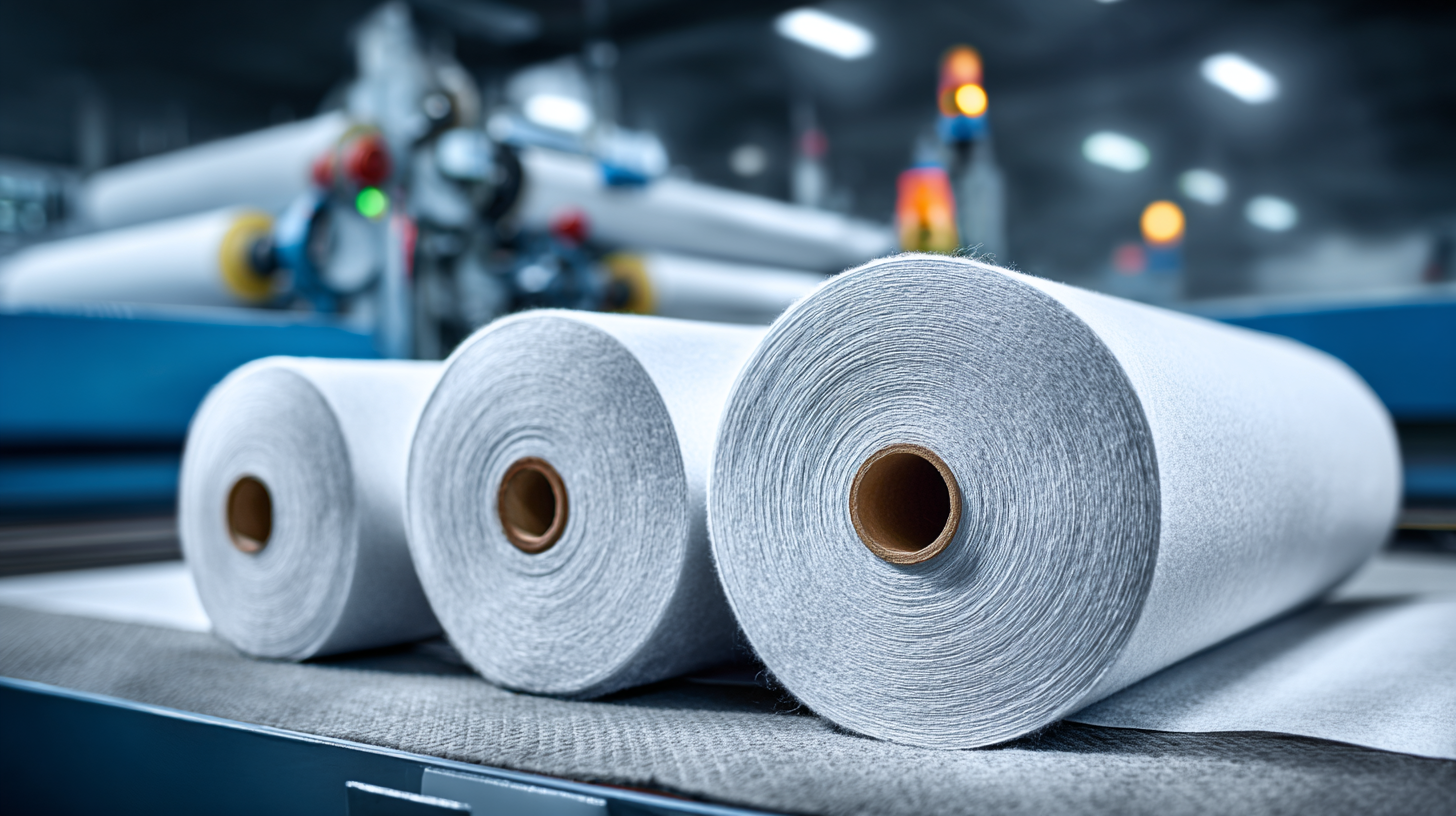
And the best part? It’s eco-friendly! These fabrics are made from recyclable materials, which makes them a much better choice compared to traditional packaging options. That’s definitely something consumers are now looking for more and more—companies that care about the planet. By switching to nonwoven fabrics, brands can cut down their carbon footprint without sacrificing quality. It’s kind of a win-win situation: better for the environment, safer for products, and it looks great too. All in all, it’s clear that innovative packaging like this isn’t just good for business—it’s also good for the planet, and that's a big deal these days.
Exploring Efficiency and Quality: The Benefits of the Single Spinning Beam PP Spunbond Nonwoven Fabric Making Machine
In the realm of nonwoven fabric production, efficiency and quality are paramount. The single spinning beam PP spunbond nonwoven fabric making machine exemplifies these principles by optimizing the production process while delivering high-quality materials. This innovative machine uses advanced technology to streamline operations, significantly reducing production time and costs. As industries increasingly seek sustainable solutions, this machine stands out by employing environmentally friendly practices that align with global sustainability goals.
The HG spunbond nonwoven fabric making machine is designed specifically for producing durable PP nonwoven fabrics. These fabrics are not only cost-effective but also versatile, making them suitable for a wide range of applications across various sectors, including hygiene, medical, agriculture, and construction. By investing in this state-of-the-art machine, manufacturers can enhance their product offerings while ensuring that their operations remain efficient and eco-friendly. The combination of durability and adaptability makes the spunbond process a valuable asset in modern industrial fabric production.
FAQS
: Spunbonding nonwoven fabric is a type of fabric made from continuous filaments that are bonded together. It is important in the textile industry due to its high tensile strength, excellent barrier properties, and resistance to degradation, making it suitable for various applications like hygiene products and medical textiles.
Spunbonding nonwoven fabric reduces production expenses by utilizing advanced technologies like Reicofil, allowing manufacturers to use up to 50% less semi-finished materials while maintaining quality. This efficiency helps companies to respond rapidly to market changes while saving costs.
Spunbonding nonwoven fabric is made from recyclable materials, offering a sustainable alternative to traditional fabrics. Its production process is energy-efficient and has a low environmental impact, helping companies reduce their carbon footprint.
Industries such as hygiene, medical, automotive, and packaging are benefiting from spunbonding nonwoven fabrics due to their versatility, efficiency, and cost-effectiveness.
Spunbonding nonwoven fabric enhances packaging solutions by providing lightweight durability and breathability, improving product safety during transportation and storage while allowing for creative and aesthetically pleasing designs.
The global market for nonwoven fabrics is projected to reach $40 billion by 2025, indicating a growing demand across various applications.
Companies like PUJIANG HG NONWOVEN MACHINERY CO., LTD. are leading the innovation in the spunbonding fabric industry by providing high-efficiency machinery that supports the demand for high-quality spunbond fabrics.
Spunbonding nonwoven fabric plays a significant role in consumer products by enhancing performance, affordability, and sustainability, making it an increasingly preferred choice among manufacturers.
Brands are opting for spunbonding nonwoven fabrics in packaging due to their ability to protect products from external elements, provide an attractive presentation, and meet consumer demands for sustainable solutions.
The market value for reinforced nonwoven plastics is expected to reach USD 6.8 billion by 2035, reflecting the growing demand for these versatile materials in various industries.
Conclusion
You know, in today’s industrial world, Spunbond Nonwoven Fabric has really made a splash as a super versatile material, especially in the textile scene. It’s pretty impressive how it manages to keep costs down without sacrificing quality—no wonder so many manufacturers swear by it. Plus, this fabric’s eco-friendly qualities give a big boost to sustainability efforts, which is pretty cool. On top of that, it’s finding all sorts of new and innovative uses across different sectors, like in healthcare and medical fields.
And here’s something I find pretty amazing: it doesn’t just stop at textiles. Spunbond nonwoven fabric also helps a lot with filtration—think air and water purification systems—making our environment a bit cleaner. Oh, and it’s totally changing the game when it comes to packaging, making products safer and look better without much hassle. Overall, companies like PUJIANG HG NONWOVEN MACHINERY CO., LTD. are really stepping up, offering efficient solutions for making this fabric, pushing innovation and eco-friendliness worldwide. It’s pretty exciting to see how much potential there is for this material!