Leave Your Message
0%

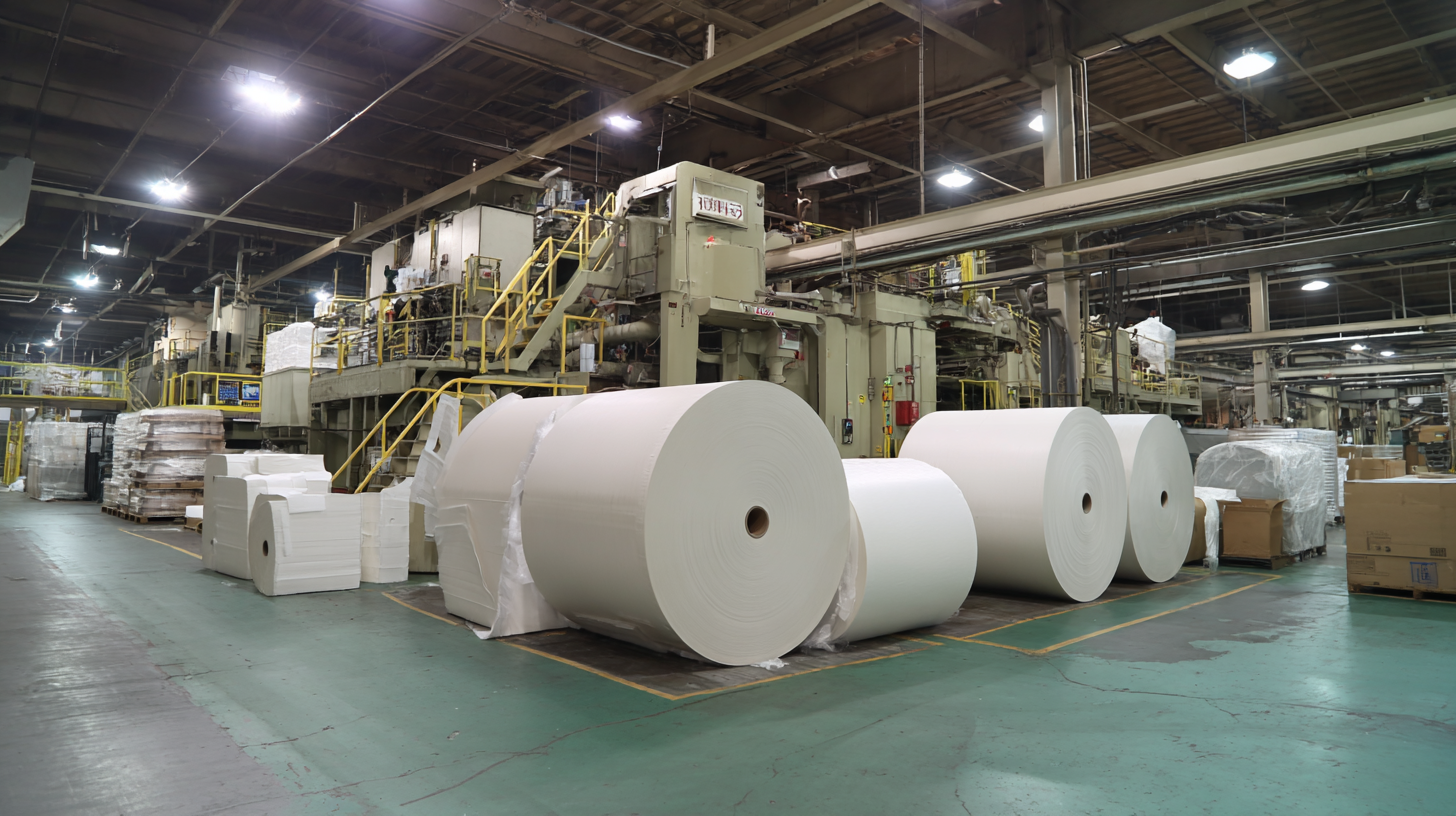
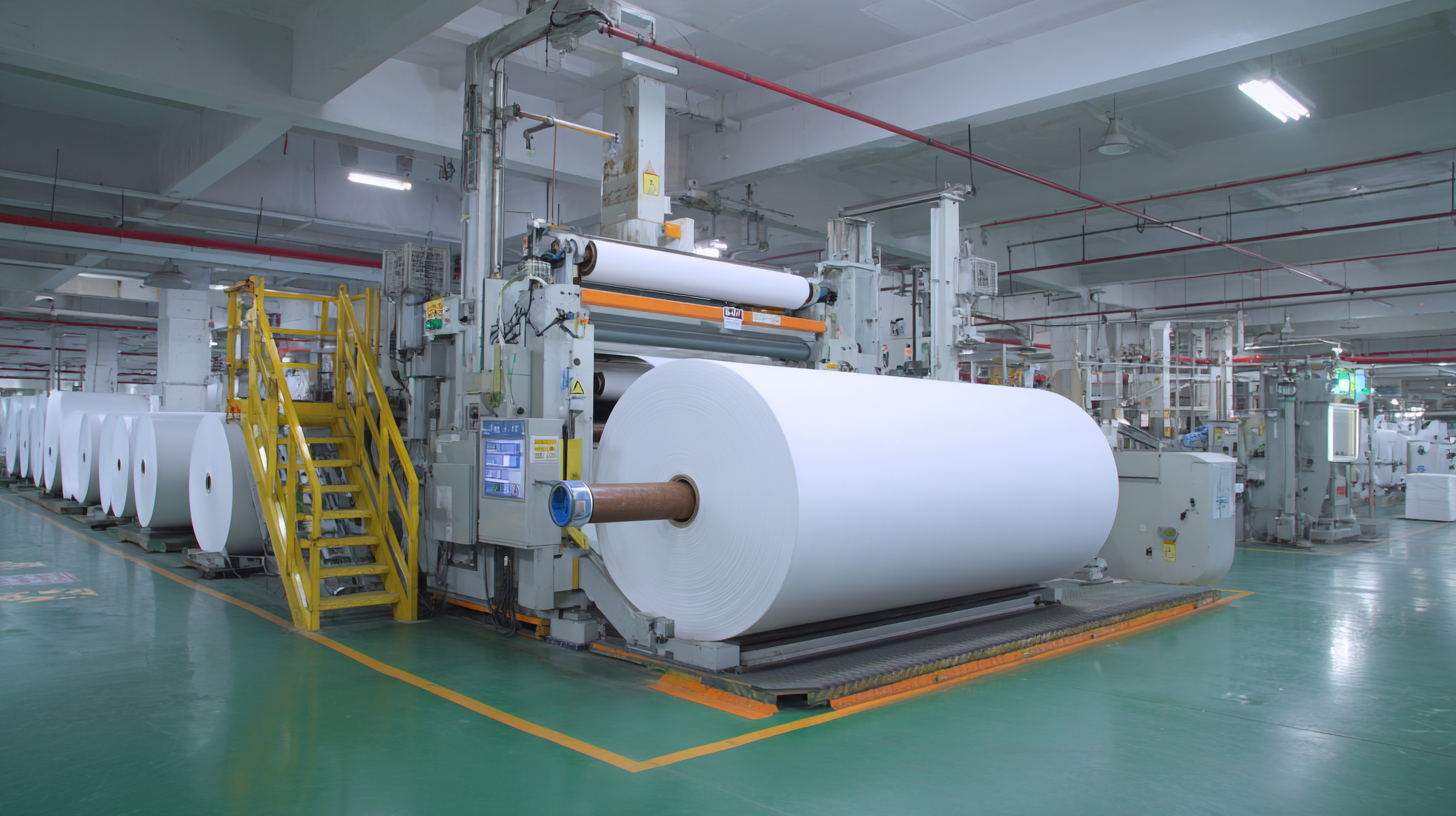
You know, the rapid progress in Spunbond Nonwoven Plant technologyhas really become a game-changer for sustainable manufacturing across different industries. I mean, with the global push for greener materials, the Nonwoven Fabric market is expected to hit aroundUSD 29.1 billion by 2025—so, it’s a pretty hot area right now. Companies like PUJIANG HG NONWOVEN MACHINERY CO., LTD. are leading the charge here, offering cutting-edge machinery that makes the production of spunbond, meltblown, and composite nonwoven fabrics both efficient and reliable. What’s super interesting is that adopting this advanced technology doesn’t just boost production; it also cuts down on waste and saves energy—pretty crucial as sustainability becomes more and more important. As businesses look for ways to go greener, I really think that investing in these kinds of technologies will give them a serious edge in this ever-changing manufacturing world.
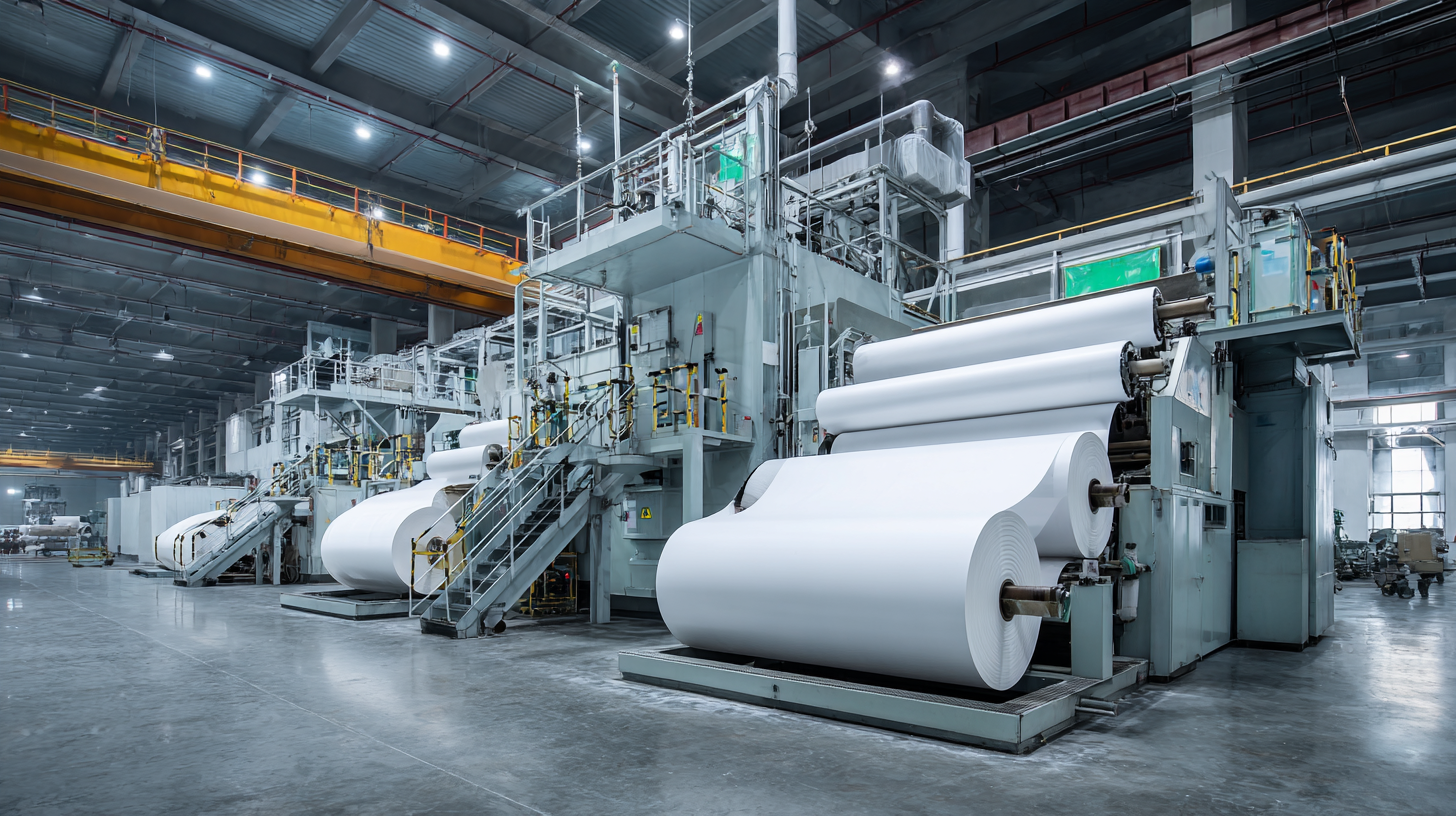
Understanding the Impact of Spunbond Nonwoven Plant Technology on Sustainable Manufacturing

Impact of Spunbond Nonwoven Technology on Material Efficiency in Manufacturing

You know, spunbond nonwoven tech really packs a punch when it comes to using materials efficiently, especially today when being eco-friendly is more important than ever. These fabrics, made through a bunch of different processes like spunbonding, are pretty impressive because they’re both lightweight and strong at the same time. What’s cool is that this tech helps manufacturers get the most out of their raw materials — which means less waste and better efficiency overall. For example, they can make fabrics that are super tough but use less material, saving money and reducing their environmental footprint at the same time.

And here’s the thing — spunbond nonwoven fabrics are super versatile. You’ll find them everywhere, from hygiene products and medical supplies to air and water filters. That kind of wide use helps streamline production lines since you don’t need to keep switching between different fabric types. As more companies lean toward sustainable practices, innovations in spunbond technology are becoming a real game-changer for hitting both financial goals and environmental targets. Honestly, developing these advanced nonwoven solutions that save resources without sacrificing quality is more crucial than ever.

Understanding the Impact of Spunbond Nonwoven Plant Technology on Sustainable Manufacturing

Aspect Description Impact on Material Efficiency Sustainability Benefits
Raw Material Usage Utilization of recyclable and biodegradable materials. Reduction in raw material wastage by 30%. Contributes to circular economy principles.
Energy Consumption Implementation of energy-efficient machinery. Lower energy consumption leading to 20% cost savings. Reduces carbon footprint during production.
Process Optimization Streamlined production processes using advanced technology. Improves overall process efficiency by 25%. Minimizes waste generation in manufacturing.
Product Lifespan Enhanced durability of products made from spunbond nonwovens. Reduces product failure rates by 15%. Encourages longer use and reduces landfill waste.

Energy Consumption Trends in Spunbond Nonwoven Production Processes

You know, when we look at how much energy goes into making spunbond nonwoven fabrics, it’s pretty clear that cutting down on this use is key to making manufacturing more eco-friendly. These days, everyone’s really into finding greener ways to do things, and that definitely includes optimizing energy consumption in these processes. Spunbond technology is already pretty efficient, but there's always room for improvement—like, folks are constantly working on new methods to use less power and cut down waste. By bringing in better production techniques, manufacturers can save energy, which not only helps the environment but also keeps the quality of the products top-notch.

And, on a slightly different note, the whole deal with PPE during COVID really shined a light on how important sustainable practices are in nonwoven fabric production. Think about the entire life cycle of these items—from the raw materials we start with right down to how they’re used and eventually disposed of. It’s super important to evaluate water and energy use throughout. These days, recycling textile waste into new nonwoven stuff is becoming a real thing, which is great because it helps cut down on environmental impact and turns waste into something useful for future projects. It’s like, we’re finding smarter, greener ways to handle waste, and that’s pretty encouraging, don’t you think?

Understanding the Impact of Spunbond Nonwoven Plant Technology on Sustainable Manufacturing

Comparative Analysis of Spunbond Nonwoven and Traditional Fabrics in Sustainability

When you compare spunbond nonwoven fabrics to traditional textiles, it’s pretty clear they have some serious perks, especially when it comes to being more eco-friendly. I came across a report from Smithers Pira that says the global market for nonwovens is expected to hit over $50 billion by 2024. That just goes to show how much the industry is growing and how much people are leaning toward sustainable materials these days. What’s really interesting is that spunbond nonwoven production uses way less water and energy compared to the usual fabric-making processes. You know how traditional methods often involve lots of dyeing and finishing, which can pollute water and waste resources? Well, spunbond fabrics skip many of those steps. They’re made in a way that reduces waste and boosts efficiency, which means they leave a smaller carbon footprint overall.

When thinking about sustainability, it’s not just about what materials are used but also how long they last and if they can be recycled later on. Spunbond fabrics tend to be more durable than regular fabrics, making them perfect for all sorts of things—from medical supplies to everyday products. Because they last longer, you don’t have to replace them as often, which is better for the environment in the long run.

**Tips:** So, if you're choosing materials for eco-friendly manufacturing, it’s a good idea to look at the full lifecycle—from how they’re made to what happens after they’re used. Going with spunbond nonwovens can really boost your products’ sustainability game. And don’t forget, it’s smart to keep checking your supply chain practices regularly to make sure you’re staying committed to environmentally friendly methods.

Life Cycle Assessment of Spunbond Nonwoven Products in Green Manufacturing

So, when we look at the life cycle assessment (or LCA) of spunbond nonwoven products, it really shows how important these materials are for promoting more sustainable manufacturing. If you’ve seen the latest reports from MarketsandMarkets, they’re saying the global market for nonwoven fabrics is set to jump from about 40.6 billion dollars in 2021 to roughly 53.5 billion by 2026. The big reason? These fabrics are super versatile and eco-friendly, which just makes them more attractive. Spunbond nonwovens, in particular, are loved for being lightweight yet pretty durable—so they help cut down on both energy use and waste over the product’s whole life cycle.

Understanding the Impact of Spunbond Nonwoven Plant Technology on Sustainable Manufacturing

A study by the European Bioplastics Association even found that, compared to traditional textiles, spunbond nonwovens can slash carbon footprints by up to 30%. That’s mainly because of smarter manufacturing that wastes less material and uses less energy. Plus, using bio-based polymers in these fabrics doesn’t just boost their sustainability — it’s also in tune with what consumers are craving more and more these days: greener, eco-friendly products. By paying close attention to life cycle assessments, companies can fine-tune how they make these fabrics, leading to greener practices without sacrificing quality or performance. It’s kind of a win-win all around, you know?

Advancements in Recycling Technologies for Spunbond Nonwoven Waste Management

You know, advances in recycling tech for spunbond nonwoven waste are a big deal right now, especially as the world looks for more sustainable ways to produce stuff. Did you hear that the market for non-woven bags is expected to jump from about USD 4.5 billion in 2024 to around USD 8.2 billion by 2033? That’s pretty crazy! Because of that, it’s super important for the industry to pay attention to how these products impact our environment—particularly things like microplastics. Some recent studies are showing that tiny microplastics from spunbond nonwovens mess up dye wastewater treatment, which is a problem. But here’s the good news: better recycling tech could help solve this by reclaiming materials that would otherwise end up polluting our planet.

Plus, with the COVID-19 pandemic causing a boom in single-use PPE, there's a real push to develop smart, cost-effective recycling solutions. Turns out, we can actually turn waste PPE into useful products—talk about transforming a problem into an opportunity! Various groups are working together to find creative ways to reuse nonwoven materials, and focusing on advanced recycling processes is becoming more vital than ever. This whole shift toward smarter waste management isn’t just about cleaning up; it’s about pushing for a circular economy in textiles, making our future a lot greener and cleaner. It’s a big challenge, but also a real chance to turn waste into something truly beneficial for the planet.

Impact of Spunbond Nonwoven Plant Technology on Sustainable Manufacturing

This chart illustrates the increasing recycling rates of spunbond nonwoven materials from 2020 to 2023, showcasing advancements in recycling technologies and their impact on sustainable manufacturing practices.

Market Insights and Innovations in Composite Polypropylene Spunbond Nonwoven Fabric Making Machines: Trends and Projections for the Industry's Growth

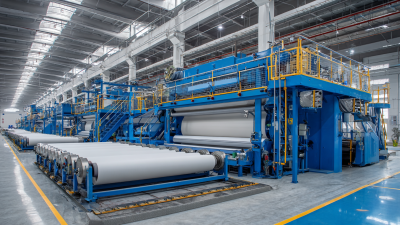
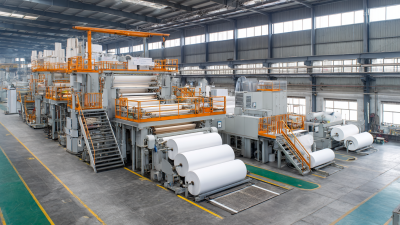
The market for composite polypropylene spunbond nonwoven fabric making machines is evolving rapidly, driven by advancements in production technology and the increasing demand for high-quality nonwoven materials. The innovative SMS composite nonwoven fabric, which combines spunbond and melt-blown processes in a three-layer structure, has gained significant traction across various sectors, particularly in medical and personal care applications. This unique fabric configuration not only enhances the protective qualities but also offers superior softness and comfort, making it ideal for products like medical surgical clothing and disposable health care items.

The integration of one-step SMS spunbond and melt-blown composite nonwoven fabric production technologies represents a significant leap in manufacturing efficiency. This streamlined process minimizes production time while maximizing output quality, positioning manufacturers to meet the burgeoning demand in the healthcare industry. With the rising focus on hygiene and safety, along with the growing awareness of personal health care, the projected growth for the nonwoven fabric market remains robust. As industries continue to innovate and adapt to these trends, the adoption of advanced fabric-making machines will be essential for sustaining competitive advantages and fulfilling market needs.

FAQS

: What are the advantages of spunbond nonwoven fabrics in terms of sustainability compared to traditional fabrics?

: Spunbond nonwoven fabrics require less water and energy for production, minimizing waste and maximizing efficiency, which leads to a smaller carbon footprint. Traditional fabric production often involves extensive dyeing and finishing processes that contribute to environmental pollution.

How do spunbond nonwoven fabrics contribute to durability and environmental impact?

Spunbond nonwoven fabrics generally exhibit greater durability than traditional fabrics, resulting in a reduced frequency of replacement. This longevity contributes to a lower overall environmental impact.

Why is life cycle assessment important for spunbond nonwoven products?

Life cycle assessments highlight the sustainability of spunbond nonwoven products by analyzing their reduced energy consumption and waste generation throughout their lifespan, ultimately promoting sustainable manufacturing practices.

What is the projected growth of the global nonwoven fabric market?

The global nonwoven fabric market is projected to grow from USD 40.6 billion in 2021 to USD 53.5 billion by 2026, driven by the versatility and eco-friendly profiles of nonwoven fabrics.

How do spunbond nonwoven products reduce carbon footprint?

Spunbond nonwoven products can reduce carbon footprints by up to 30% compared to traditional textiles, primarily due to more efficient manufacturing processes that minimize material waste and energy usage.

What are the challenges associated with spunbond nonwoven waste management?

The main challenges include managing the environmental impact of nonwoven products, particularly concerning the microplastics generated and their effects on dye wastewater treatment.

What advancements are being made in recycling technologies for spunbond nonwoven waste management?

Ongoing advancements include developing efficient and cost-effective recycling technologies to convert nonwoven waste, such as PPE from the COVID-19 pandemic, into valuable products, fostering a circular economy.

How does the use of bio-based polymers enhance the sustainability of spunbond nonwovens?

The use of bio-based polymers in spunbond nonwovens not only improves their sustainability profile but also meets the increasing consumer demand for environmentally friendly products.

Why is it important for manufacturers to assess their supply chain practices?

Regular assessments ensure a continued commitment to environmentally friendly processes, optimizing sustainability across the entire lifecycle of materials used in manufacturing.

How can manufacturers optimize their operations for sustainability?

By focusing on life cycle assessments and integrating advanced recycling processes, manufacturers can enhance product performance while supporting environmental sustainability.

Conclusion

Hey, I came across this article called "Understanding the Impact of Spunbond Nonwoven Plant Technology on Sustainable Manufacturing," and honestly, it’s pretty insightful. It dives into how these Spunbond Nonwoven Plants are actually making a big difference when it comes to being more efficient and eco-friendly in manufacturing. The piece explains how newer spunbond tech isn’t just about faster production, but also helps cut down on energy use compared to traditional fabrics—that’s a pretty big deal, right?

And what’s really cool is the comparison they draw between spunbond nonwoven products and other materials. Turns out, these products have a lot of environmental benefits, backed up by life cycle assessments that show they’re way easier on the planet. The article also touches on some pretty innovative recycling tech for dealing with spunbond waste, which reinforces the whole green manufacturing vibe.

Plus, it’s worth mentioning that PUJIANG HG NONWOVEN MACHINERY CO., LTD. is a big player in making spunbond, meltblown, and composite nonwoven machinery. They really walk the talk when it comes to sustainable practices, offering smart, efficient solutions on a global scale.

Lila

Lila

Lila is a dedicated marketing professional at Pujiang Marine Engineering Import and Export Co., Ltd., where she utilizes her extensive knowledge of the industry to drive the company's growth. With a keen understanding of the company's core products, she plays a pivotal role in articulating the......
Previous Emerging Trends in Spunbond Nonwoven for Global Procurement Opportunities