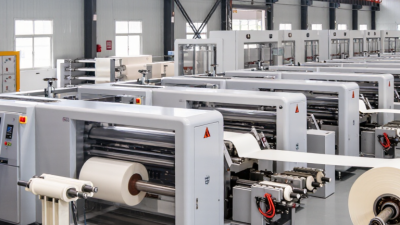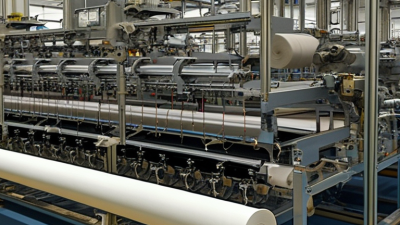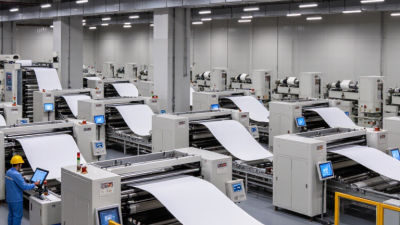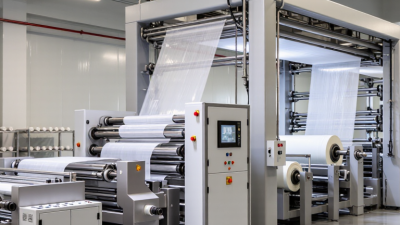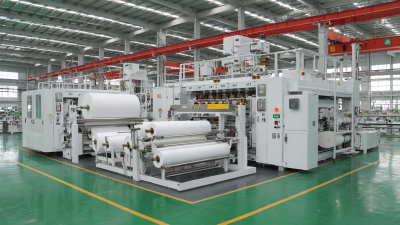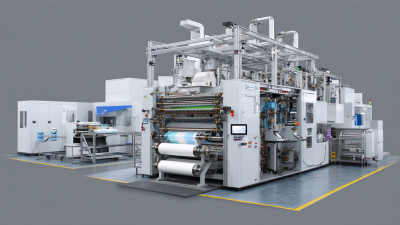
So, you’re on the hunt for the best Nonwoven Fabric machine in 2026? First things first: it’s less about the machine’s headline speed and more about what you actually need to make. A line that’s perfect for lightweight hygiene materials might not cut it for durable geotextiles or filtration media. So before you start comparing equipment, get clear on your target material, width, basis weight, daily output, and fiber blend. And don’t overlook the little stuff—seriously. A roll change that takes a few minutes longer than planned can throw off a whole shift. So can unstable web formation or uneven bonding.
Okay, so before you commit to anything, walk through the entire production process—feeding, web formation, bonding, winding, inspection, all of it. Don't be shy about grilling suppliers, either. Ask for verified output numbers, energy usage estimates, maintenance schedules, spare parts availability, and installation requirements. Also, see if they can run sample batches using materials close to what you actually use. Then inspect those samples closely: thickness, tensile strength, appearance, consistency. At the end of the day, the machine has to work for your team and your floor space—not just look good on a forecast. Don't just skim the specs—really look at the controls, how easy it is to clean, the safety guards, and what kind of training support you'll get. The Ss Nonwoven Fabric Machine might pop up on your shortlist, and sure, it deserves a look. But run it through the same practical checklist you'd use for any other option. Numbers are helpful, but getting your hands on actual samples? That tells you way more.
Honestly, there’s no one-size-fits-all setup here. Sure, a faster line can be tempting, but it might mean spending more, giving up floor space, or needing extra know-how. That trade-off is worth thinking twice about. Before you commit, make sure you know exactly which performance numbers are guaranteed—and which ones could shift depending on the material or how you run things. If you can, talk to people who actually use it. And jot down anything they can’t answer, so you don’t forget later. You’ll probably still have some lingering doubts, especially if your product plans aren’t set in stone. If you take the time to test things properly—and actually have a clear checklist for what counts as 'good enough'—then the decision you make is probably going to be a lot more reliable.
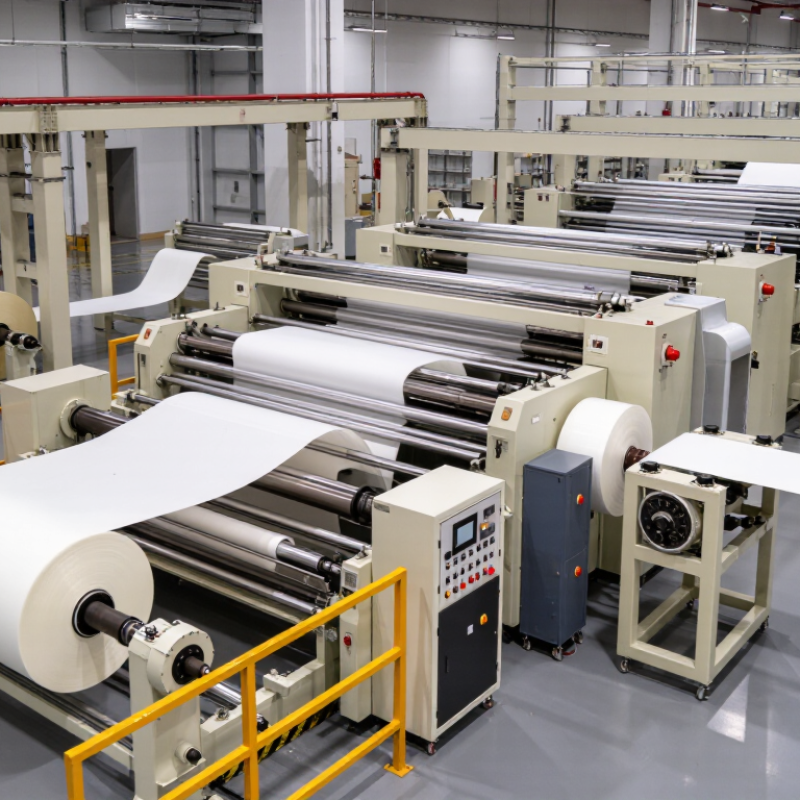
Before comparing machines, define what you plan to make. A Spunbond Nonwoven Fabric Machine may suit production of lightweight fabrics for hygiene, packaging, or agricultural applications. Each product has different requirements for fabric weight, width, strength, and softness. Be specific. “General-purpose fabric” is not a useful specification.
Estimate your expected output per shift, planned operating hours, and acceptable material loss. Then consider the fibers and fabric properties your products require. For example, a wider fabric roll may improve efficiency for large items, while consistent weight matters for products needing predictable performance. Ask suppliers how machine settings affect these results, and request sample data where possible. A fast line is not automatically the right line. I once underestimated changeover time; the production plan looked better on paper than on the floor.
Tips: List three target products and their required fabric specifications. Include future demand, but avoid sizing the line around optimistic forecasts. Check available floor space, staffing, and maintenance skills, too. Small details matter. Your needs may change. Revisit the assumptions before choosing a machine.
Choosing the best nonwoven fabric machine in 2026 starts with the fabric you need, not the machine catalogue. Spunbond lines form continuous filaments and suit lightweight, durable webs. Meltblown systems create much finer fibers for filtration layers, but require careful control of air, temperature, and polymer flow. Needle-punched machines entangle fibers mechanically, while spunlace lines use high-pressure water jets. Each process gives the web a different feel, strength, and production cost.
Machine type should match both the process and your target output. Compare line speed, working width, fiber compatibility, changeover time, and energy use. Ask for trial production with your own fiber blend; a sample roll can reveal weak bonding or uneven thickness that specifications may miss. Check how operators access cleaning points and replace wear parts. That matters. A technically capable line can still create delays if routine maintenance is awkward. No option is perfect, and a faster line may increase waste during setup.
Tips: Bring a written product specification to supplier discussions. Include basis weight, width, tensile strength, and intended use. Request measured results from a comparable production run, not only a demonstration video. Leave time to assess noise, dust, and material handling on the factory floor; these practical details are easy to overlook.
| Process / Machine Type | How the Web Is Made | Typical Feedstock | Indicative Basis Weight | Main Advantages | Key Considerations | Common Applications | Best Fit When... |
|---|---|---|---|---|---|---|---|
| Spunbond line | Molten polymer is extruded through spinnerets, drawn into continuous filaments, laid onto a moving belt, and bonded, commonly by thermal calendering. | Typically polypropylene; polyester and other polymers are also used. | Often about 10–200 g/m², depending on product and line configuration. | Continuous production, good strength-to-weight performance, and efficient production of wide rolls. | Requires polymer-melting and filament-spinning equipment. Product properties depend on polymer, filament formation, web uniformity, and bonding settings. | Hygiene layers, medical and protective products, agricultural covers, furniture components, and geotextiles. | You need high-volume production of continuous-filament fabrics and have a defined polymer-based product range. |
| Meltblown line | Molten polymer passes through fine spinneret openings and is attenuated by high-velocity hot air into very fine fibers, which collect as a web. | Commonly polypropylene; other polymers may be used with suitable equipment and process design. | Often about 10–100 g/m², with specialized products outside this range. | Can produce fine-fiber webs with filtration and barrier properties; useful as a functional layer in composites. | Airflow, die condition, polymer quality, and process stability strongly affect web uniformity and performance. Filtration results require product-specific testing. | Filter media, absorbent products, and barrier or composite layers. | You need a fine-fiber web for a defined filtration, absorbency, or barrier application. |
| SMS / composite spunbond–meltblown line | Combines spunbond layers with one or more meltblown layers, then bonds the layered web, usually by thermal calendering. | Often polypropylene across the layers; layer materials and structures depend on the product design. | Commonly about 10–100 g/m², subject to layer structure and end-use requirements. | Combines the strength of spunbond layers with functional fine-fiber layers; enables multi-layer product design in one integrated process. | More complex than a single-process line. Layer weights, bonding, and quality controls must be coordinated; performance depends on the finished construction. | Medical and hygiene products, protective apparel components, and filtration composites. | You need a bonded multi-layer fabric with a combination of strength and functional barrier or filtration properties. |
| Needle-punch line | Barbed needles repeatedly pass through a fiber web, mechanically entangling the fibers into a coherent fabric. | Staple fibers such as polyester, polypropylene, and recycled fibers; blends are also used. | Often about 100–2,000 g/m², depending on the product and number of web layers. | Handles a broad range of fiber types and heavier structures; fabric properties can be adjusted through fiber selection, web layering, and needling. | Fiber opening, blending, web formation, and needle selection are important to consistency. Needle wear and fiber loss require routine monitoring. | Geotextiles, automotive felts, filtration media, carpet components, and insulation. | You need a mechanically bonded fabric, especially a medium- or heavy-weight product, or need flexibility in staple-fiber blends. |
| Spunlace (hydroentanglement) line | High-pressure water jets entangle fibers in a web. The fabric is typically dewatered and dried; water may be filtered and recirculated. | Cellulose, polyester, viscose, cotton, and selected blends, subject to the process and product design. | Often about 30–200 g/m², with product-specific variation. | Produces soft, flexible fabrics without thermal or chemical bonding being essential to the entangling step; supports blended-fiber designs. | Requires water-jet systems, dewatering, water treatment, and drying. Water quality and energy use should be included in operating-cost calculations. | Wipes, personal-care products, medical fabrics, and other soft nonwovens. | Softness, drape, and a textile-like feel are important, and the facility can support water handling and drying. |
| Thermal-bonding line | A web containing thermoplastic or binder fibers is heated and bonded, commonly using a heated calender or through-air oven. | Thermoplastic staple fibers, bicomponent fibers, or blends designed for thermal bonding. | Often about 15–200 g/m², depending on the web and bonding method. | Can produce lightweight, lofty, or resilient fabrics; bonding can be adapted to the fiber blend and target structure. | Needs a suitable fiber system and controlled temperature, pressure, and dwell time. Excessive heat or pressure can change loft and fabric properties. | Hygiene products, filtration, insulation, apparel interlinings, and cushioning. | You want to bond a prepared fiber web using heat and need to balance softness, loft, strength, and production speed. |
| Airlaid line | Air disperses short fibers, commonly pulp, onto a forming surface; the web is then bonded, often using latex, thermal bonding, or another compatible method. | Fluff pulp, sometimes combined with synthetic or bicomponent fibers. | Often about 30–200 g/m², depending on the product design. | Suitable for bulky, absorbent webs and pulp-based constructions; can combine cellulose with other fibers. | Fiber dispersion, dust control, bonding choice, and absorbency targets require careful process design. Product strength depends on the bonding system. | Absorbent cores, wipes, table-top products, and specialty absorbent materials. | You need a pulp-rich, bulky or absorbent web rather than a continuous-filament fabric. |
Selection note: Basis-weight ranges are indicative industry ranges, not guaranteed machine specifications. Confirm achievable width, speed, fiber compatibility, product performance, utility demand, emissions controls, and testing requirements with a process-specific feasibility study before purchasing.
Choosing a nonwoven fabric machine starts with the material, not the headline output rate. Record the polymers, target basis weight, and fabric structure you plan to run. A Spunbond Nonwoven Fabric Making Machine may handle your main product well, yet struggle when material specifications change. Ask suppliers for trial data using samples close to your own.
Next, match working width and capacity to real production needs. A wider line can reduce narrow-roll changes, but it may create more waste if orders are small. Compare the usable width with your common roll sizes. Check rated output against expected operating speed, not just peak figures. Include changeover time, maintenance stops, and operator skill in your estimate. Small details matter.
Think about the next two years, too. If demand may rise, confirm whether the line can support higher speeds or added process controls. But buying far beyond current needs can tie up capital and complicate setup. Request clear figures for power use, staffing, and expected yield. Then test the machine with representative materials. A spreadsheet can miss what happens at the edges of a roll. Some assumptions will be wrong; revise them before committing.
How to Choose the Best Nonwoven Fabric Machine in 2026?
When assessing an SMS Nonwoven Fabric Making Machine, match its working width and basis-weight range to the products you plan to run. Grand View Research’s Nonwoven Fabrics Market report valued the global market at USD 53.7 billion in 2023 and projected 6.1% annual growth from 2024 to 2030. That outlook supports careful capacity planning, not simply buying the fastest line. Ask for sustained-run data at your target material weight, plus energy use per kilogram. A short peak-speed demonstration can hide unstable production.
Automation should control key process settings, record recipes, and flag temperature or melt-pressure changes. Check whether operators can trace a roll back to its production settings. Quality controls matter just as much: review web uniformity monitoring and test plans for tensile strength, basis weight, and bonding. Make sure tests match the material’s end use. One comparison can be imperfect: suppliers may measure output under different conditions, so request the same test basis from each. A high line speed can look impressive. It may still produce uneven webs.
Tips: Bring your target product samples to the machine trial. Inspect the roll edges, not only the center. Ask how quickly settings recover after a material change.
Typical basis-weight ranges by application help define the product range your line must handle. Use them as planning references, then confirm requirements with product specifications and machine trials.
Selection note: Check that the machine can consistently produce your target basis weights across the full width and at the required output speed. Compare automation, changeover capability, process monitoring, and quality controls such as basis-weight uniformity. Actual ranges vary by product design and process.
Calculate Total Ownership Costs and Expected Operating Efficiency
A machine’s purchase price is only one part of its cost. Include installation, operator training, tooling, energy, routine maintenance, and likely replacement parts. Ask suppliers to itemize these costs and state what their estimates exclude. Small omissions add up. Compare machines using the same product width, basis weight, fiber mix, and annual shift schedule.
Estimate annual ownership cost by adding annualized equipment and installation costs to operating expenses. Then divide by saleable output, not theoretical capacity. For example, a machine producing 1.5 million saleable kilograms yearly spreads a $75,000 annual capital charge across those kilograms, or five cents per kilogram before operating costs. Treat this as a screening estimate; financing, resale value, and actual output change the result. That matters.
For operating efficiency, track good kilograms per hour, downtime, scrap rate, and energy use per kilogram during a production trial. A quoted line speed may not reflect frequent grade changes or real maintenance stops. Request trial data using your target material, and record staffing and changeover time. I would not trust a spreadsheet built on perfect uptime. Real shifts are messier. One overlooked detail is whether local technicians can service critical components quickly. Ask who responds, how long common parts take to arrive, and what maintenance tasks your own team must handle.
Buying an SMS Nonwoven Fabric Machine in 2026 means assessing supplier support as carefully as production speed. Smithers’ report, The Future of Global Nonwovens to 2028, projects the market will reach $82.4 billion, growing at a 6.5% compound annual rate from 2023. That outlook makes avoidable downtime costly. Ask suppliers for commissioning schedules, spare-parts lead times, remote-support response targets, and operator training records. Get service commitments in writing. A polished demonstration proves little if technicians cannot troubleshoot web breaks or uneven roll edges on your factory floor.
Check safeguards against relevant requirements, including ISO 12100 risk assessment and IEC 60204-1 electrical equipment provisions. Confirm applicability with a qualified safety professional. Request documented risk assessments, interlock tests, emergency-stop checks, and maintenance isolation procedures. Do not accept “compliant” as evidence. For future upgrades, inspect cabinet capacity, floor space, and control-system compatibility before signing. Can the line add sensors, data logging, or greater working width without replacing core modules? Ask for costs and compatibility limits, not promises. I would also speak with a recent customer; one difficult service story may reveal more than a glossy acceptance report. Forecasts are not guarantees.
Choosing an S, SS or SMS spunbond line starts with the fabric’s end use, target output and required performance. An S line forms one spunbond web and can suit straightforward applications; SS adds a second spunbond layer for greater uniformity and strength, while SMS combines spunbond layers with a meltblown barrier layer. Compare the products you plan to make, including basis weight, width, fiber polymer and changeover frequency. Also assess line speed, energy use, floor space, automation and the availability of technical support. Grand View Research estimated the global nonwoven fabric market at USD 54.5 billion in 2023 and projected a 7.9% compound annual growth rate from 2024 to 2030, underlining why matching equipment flexibility to market opportunities matters.
Before selecting a configuration, ask suppliers for performance specifications and trial data at your intended basis weights and working width. Review web uniformity, bonding quality, material consumption, startup waste and the time needed for product changes—not just nominal capacity. Check whether the proposed system can accommodate future products or process upgrades, and confirm the scope of installation, operator training and commissioning. Manufacturers offering PP, PET or PLA spunbond and meltblown equipment, including S, SS, SSS, SMS, SMMS and SSMMS configurations, may also provide turnkey project services. Compare these options against your production plan and budget, then choose the line whose verified capabilities best fit your current needs and likely product mix.
Start with the fabric’s intended use and feel. Spunbond makes continuous filaments, while meltblown produces finer fibers for filtration layers.
Needle-punched machines mechanically entangle fibers. Spunlace lines bond fibers with high-pressure water jets. The finished webs feel different.
Compare working width, basis-weight range, line speed, fiber compatibility, changeover time, and energy use. Peak speed alone can mislead.
Test representative materials and inspect a sample roll. Look for uneven thickness, weak bonding, and inconsistent edges. A video cannot show everything.
Compare usable width with common roll sizes and expected orders. Include setup waste, maintenance stops, and realistic operating speed.
Extra capacity may help if demand grows. But an oversized line can tie up money and complicate setup. Forecasts are not always right.
Look for recipe records, process alerts, and roll traceability. Check monitoring and tests for basis weight, tensile strength, and bonding.
Check access to cleaning points and wear parts. Notice noise, dust, and material handling. Small details matter.
Request sustained-run results using similar materials and test conditions. Compare energy use per kilogram and expected yield. The figures may still need checking.
Choosing the best nonwoven fabric machine in 2026 starts with a clear understanding of your production needs and the products you plan to make. Consider which manufacturing process suits those products, then compare machine types based on compatible materials, working width, production capacity, and expected output. A machine that matches your actual requirements can help maintain consistent production without paying for capacity or features you do not need.
Before making a decision, review core specifications, automation options, and quality-control capabilities. Estimate the full cost of ownership, including installation, energy, maintenance, and routine operation, and consider how efficiently the equipment can meet your production goals. Finally, assess the supplier’s technical support, training, safety provisions, and availability of future upgrades. Taking these factors together can help you select equipment that serves current needs while remaining adaptable as production requirements evolve.