Leave Your Message
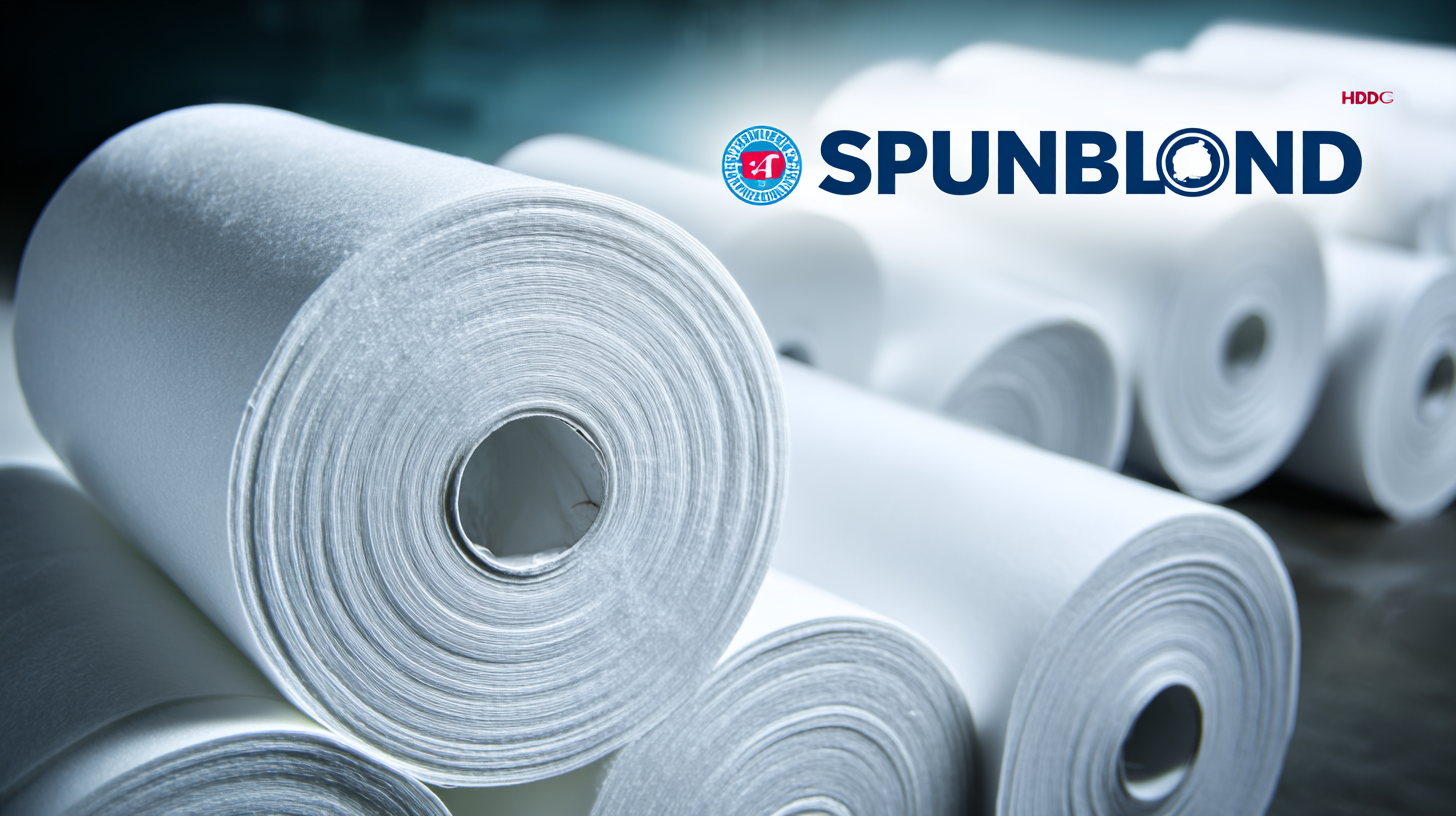
 Lately, there’s been some pretty impressive growth in the global market for Spunbond Nonwoven Polypropylene. You see, its versatility makes it super popular across a bunch of different industries. A report from Market Research Futureeven predicts that the Nonwoven Fabric market might hit a whoppingUSD 33 billion by 2025! It looks like spunbond technologies are really leading the pack, thanks to their efficiency and cost-effectiveness. As companies are on the lookout for sustainable and high-performance materials, getting a handle on the tricky world of global trade certifications has become a must for manufacturers who want to put their products on the map effectively. Now, take PUJIANG HG NONWOVEN MACHINERY CO., LTD. for example—they’re pretty well-known for their cutting-edge spunbond, meltblown, and composite nonwoven fabric machines. They're a key player in this changing market, providing top-notch production solutions that meet international standards. For businesses that are serious about cranking out high-quality Spunbond Nonwoven Polypropylene products, it’s super important to grasp those certification requirements and market trends if they want to satisfy customer needs and stay compliant with global trade rules.
You know, in today’s really cutthroat market, it’s super important for both manufacturers and consumers to get a good handle on global trade certifications, especially in the nonwoven industry. With the demand for those spunbond nonwoven polypropylene products skyrocketing—it's projected to hit around $20 billion by 2025, according to a report from Grand View Research—having the right certifications is like the gold standard for quality and safety. They not only make your product look credible, but they also ensure that you’re playing by the international rules, which helps make trading across borders a lot smoother.
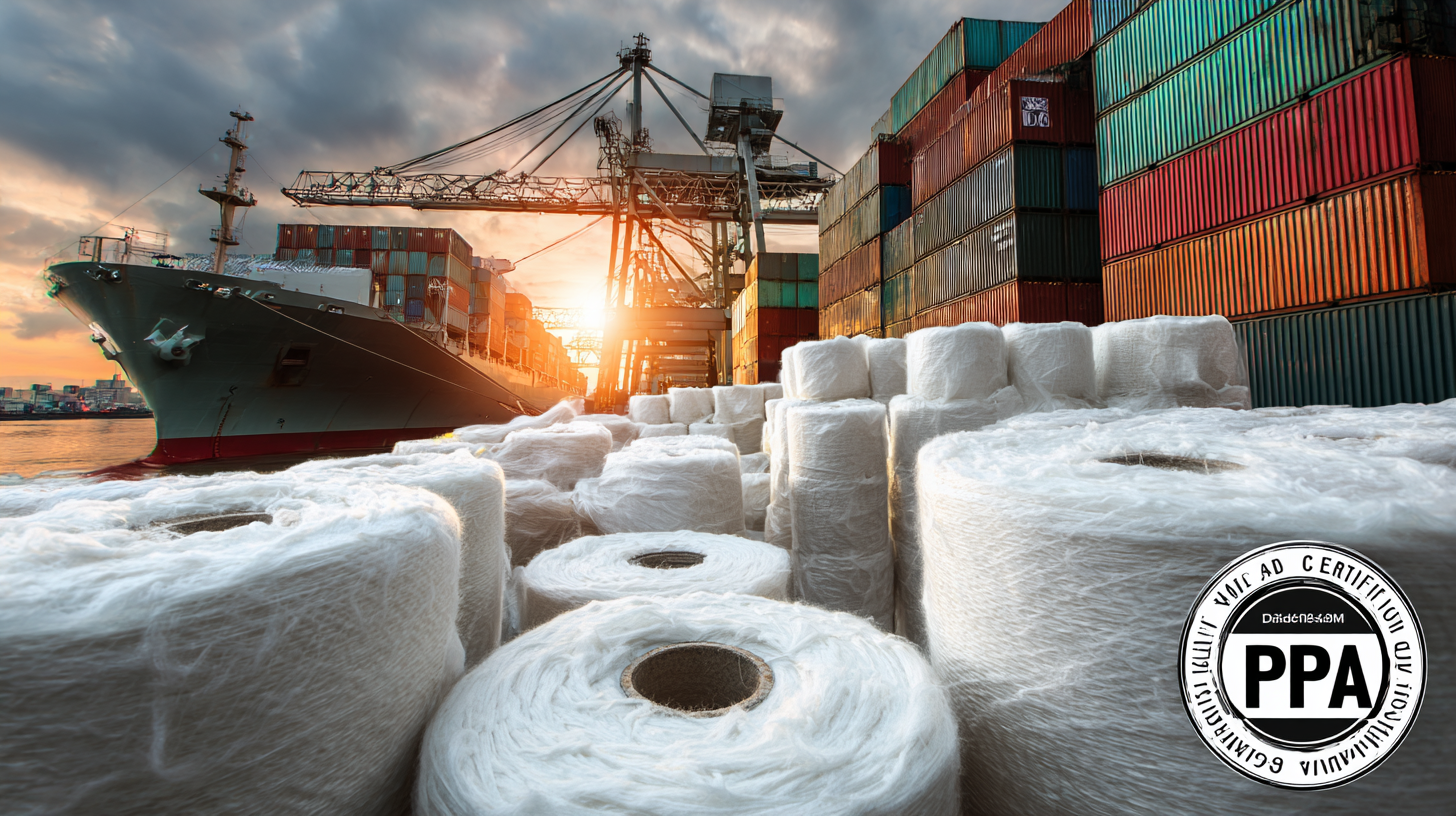
And let me tell you, having those certifications can really change the game when it comes to accessing different markets. The folks over at the Nonwovens Industry Association have pointed out that if your products don’t have the necessary certifications, you might run into some serious obstacles, especially in big markets like Europe and North America where there are strict safety and environmental regulations. For companies itching to go global, nailing down recognized certifications isn’t just a nice-to-have; it can seriously give you an edge over the competition, build consumer trust, and maybe even help you grab a bigger slice of the market. So, figuring out the whole landscape of global trade certifications isn’t just a boring chore—it’s a smart strategy for making sure those spunbond nonwoven polypropylene products succeed in the long run.
The nonwoven fabric industry is witnessing significant advancements, particularly in the realm of PP spunbond technology. This innovation is critical for manufacturers aiming to meet the growing demand for high-quality nonwoven fabrics across various sectors. The latest market reports highlight a surge in applications ranging from hygiene products to medical supplies, agriculture, and construction materials. As these industries evolve, the need for durable, cost-effective, and environmentally friendly fabrics has never been more pressing.
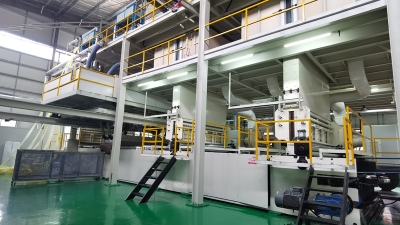
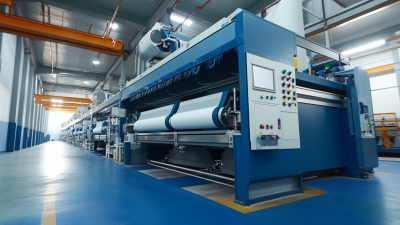
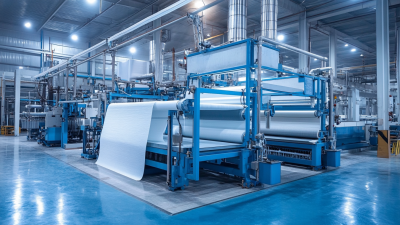
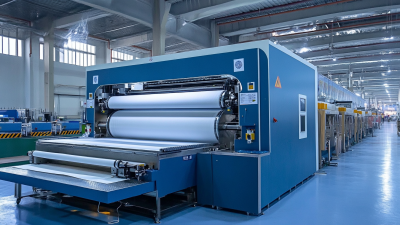
At the forefront of this transformative landscape is the HG Spunbond nonwoven fabric making machine. This state-of-the-art equipment enables manufacturers to produce fabrics that not only meet stringent quality standards but also optimize resource efficiency. Designed for versatility, the HG Spunbond machine caters to an array of applications, allowing firms to scale production in response to market trends effectively. By integrating such advanced machinery, manufacturers can enhance their product offerings while supporting sustainability initiatives, making it an invaluable asset in today’s competitive environment.
As the demand for nonwoven fabrics continues to grow, those investing in innovative technologies like the HG Spunbond are poised to thrive. Embracing these emerging trends not only positions companies as leaders in their fields but also contributes to the overall advancement of the nonwoven fabric manufacturing sector, signaling a bright future ahead.
: Global trade certifications are crucial for manufacturers and consumers as they serve as benchmarks for quality and safety, enhance product credibility, ensure compliance with international standards, and facilitate smoother trade across borders.
Products without essential certifications may face barriers in key markets, such as Europe and North America, due to regulatory frameworks requiring high safety and environmental compliance standards. Certified products are more likely to gain market access and consumer trust.
Companies should be familiar with certifications such as Oeko-Tex, ISO, and ASTM, as these standards ensure that products meet necessary safety, performance, and environmental requirements.
Companies should ensure that their suppliers are certified and can provide documentation proving compliance with relevant standards. Regular audits of the suppliers' production processes can help maintain quality and reliability.
Engaging with industry associations, networking with industry professionals, and attending trade shows can provide valuable resources and insights about innovative materials and regulatory changes affecting products.
First, identify the specific certifications required for target markets by researching regulatory bodies. Then gather and prepare the necessary documentation, ensuring accuracy and compliance. Finally, submit the application to relevant authorities and be prepared for inspections or audits.
Adapting to global trade certification standards is essential for maintaining competitiveness in the global market and ensuring the long-term success of spunbond nonwoven polypropylene products.
Necessary documentation may include quality control reports, product specifications, and safety assessments, all of which must be accurate and comply with certification criteria.
Certifications signify compliance with recognized safety and quality standards, which enhances consumer trust in the product's reliability and performance.
Inspections or audits help validate that products meet the required standards and are a common part of the certification process.






 Hey there! So, if you ever tried to get your head around