Hey, with the Nonwoven Fabric world changing so fast these days, making manufacturing processes as efficient as possible has really become a top priority. Did you see the latest report from Smithers Pira in 2023? They’re saying the global market for nonwoven fabrics is expected to hit around $53 billion by 2025 — and honestly, that huge growth is mainly thanks to their growing use in medical, hygiene, and automotive industries. It’s pretty clear that manufacturers need to get better at optimizing their production lines, especially when it comes to the Spunbond Nonwoven Machine — which is basically the industry’s go-to technology right now.
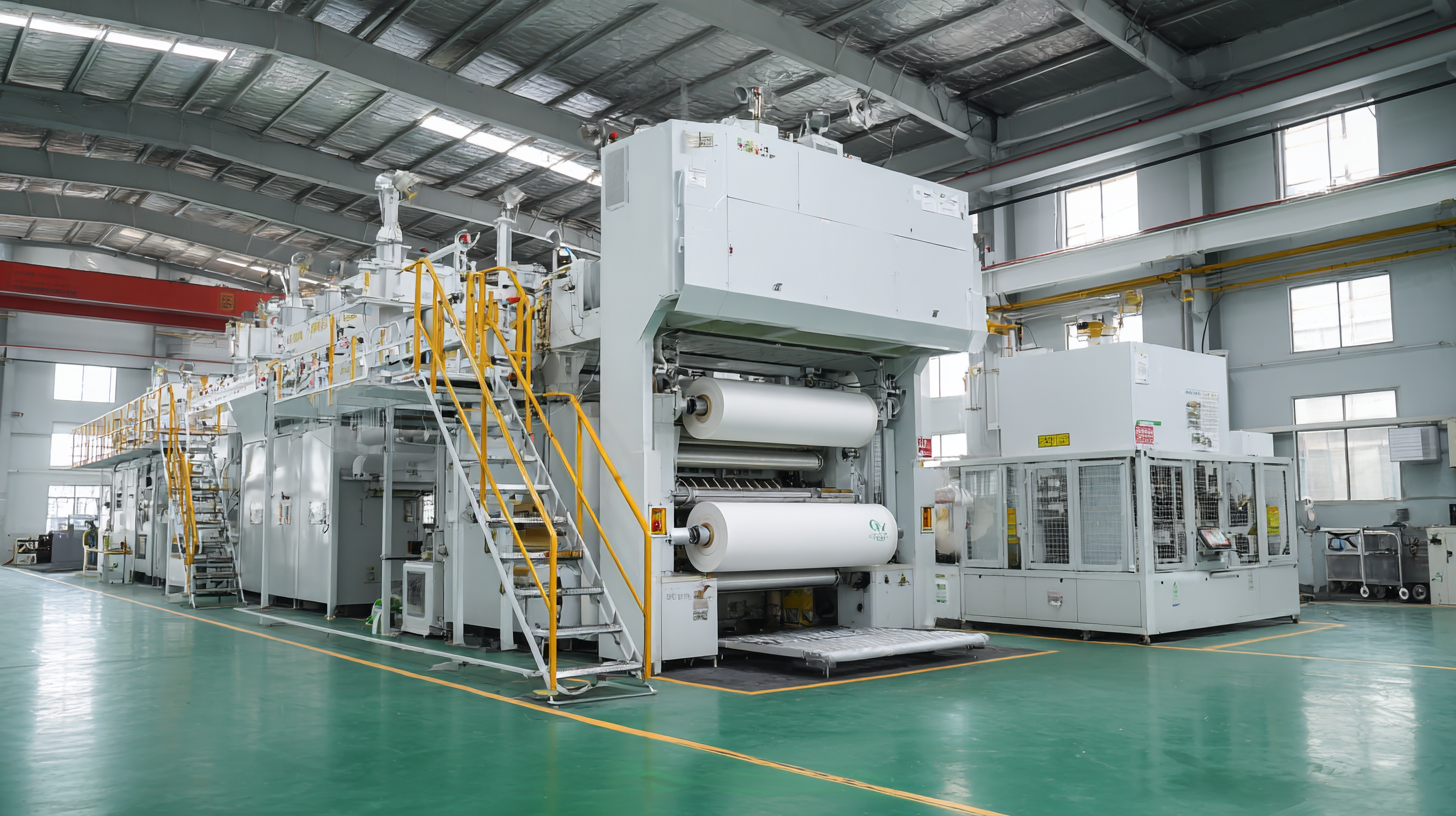
As Spunbond tech keeps improving, really squeezing out the maximum efficiency isn’t just about boosting productivity — it also cuts down on costs, big time. A study from MarketsandMarkets found that companies who tweak their machine settings just right and keep up with maintenance can see a bump of up to 20% in output within the very first year. That just goes to show how important it is to really understand how to manage and optimize these machines.
To help you out, we’ve put together ten helpful tips for manufacturers who want to get the most out of their Spunbond equipment. Trust me, mastering these tips can keep your company competitive and ready to take on the booming market out there.
Understanding the Basics of Spunbond Nonwoven Machinery and Its Efficiency Metrics
Understanding the efficiency of spunbond nonwoven machinery is crucial for maximizing production output while minimizing costs. The efficiency metrics of these machines often hinge on several key factors including fiber alignment, process speed, and energy consumption. According to a report by Smithers Pira, spunbond technology can achieve an output range of 300 to 1,000 kg/h, though optimizing settings can push this figure higher. Addressing machine parameters like throughput and consistency in fiber polymerization can significantly enhance overall performance.
Moreover, energy efficiency is increasingly becoming a critical metric in evaluating spunbond machinery. A study published by the Nonwovens Industry Association highlights that operational costs can comprise up to 50% of total manufacturing expenses; therefore, machines that are optimized for energy consumption can lead to substantial cost savings. Regular maintenance and integration of advanced control systems can further amplify these efficiency gains. Adopting a proactive approach to monitoring efficiency metrics not only streamlines operations but also contributes to sustainability goals within the industry.
Key Factors Influencing Energy Consumption in Spunbond Nonwoven Production
In the realm of spunbond nonwoven fabric production, energy consumption plays a pivotal role in overall efficiency and cost-effectiveness. According to a report by Smithers, energy costs can account for up to 40% of total manufacturing expenses in nonwoven production. This highlights the necessity for manufacturers to focus on optimizing energy use throughout the production process.
Key factors influencing energy consumption include machine operating speed, maintenance practices, and the choice of raw materials. High machine speeds can lead to increased friction and wear, resulting in greater energy use if not properly managed. Regular maintenance and upgrades to machinery can enhance operational efficiency, as noted in a study by the Nonwovens Industry Association, which found that well-maintained machines can operate up to 15% more efficiently. Additionally, selecting lightweight polymers can reduce energy needs during both the fabrication and heating processes, further minimizing costs and environmental impact. By understanding and addressing these factors, manufacturers can significantly improve their energy efficiency while maximizing productivity.
Techniques to Optimize Raw Material Usage for Cost Efficiency in Spunbond Processing
In the pursuit of cost efficiency in spunbond processing, optimizing raw material usage is paramount. Utilizing functional additives, such as mineral or inorganic particles, can significantly enhance the industrial value of raw materials. These additives not only improve the performance of polypropylene spunbond but also allow for better integration within processing lines, facilitating smoother extrusion and bonding processes. This strategic use of materials ultimately leads to reduced waste and maximizes the potential of each batch produced.
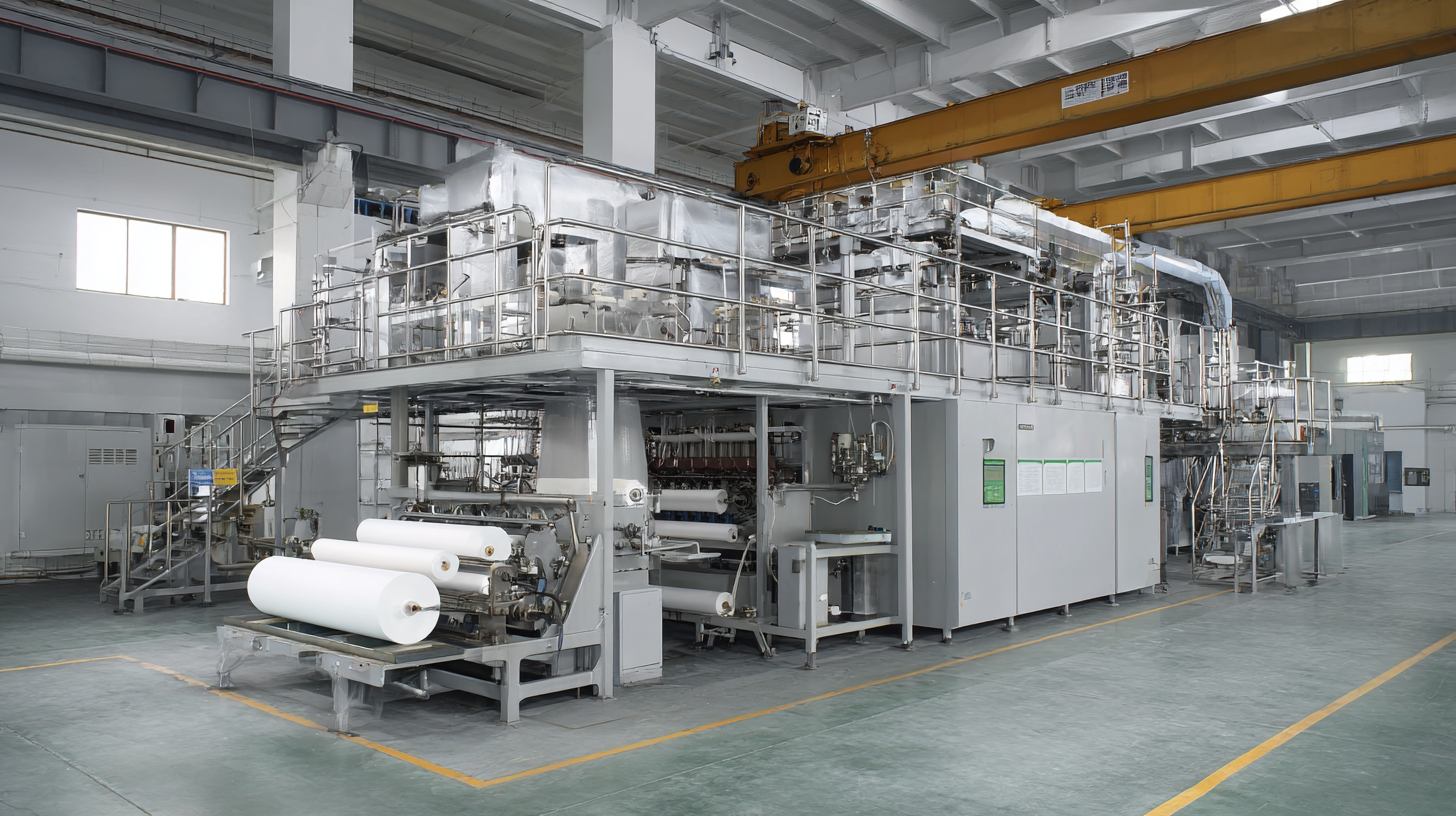
In addition, advancements in machinery technology play a crucial role in enhancing efficiency. New innovations have focused on creating nonwovens that are both softer and more drapeable, particularly for hygiene products. By leveraging evolved technologies, manufacturers can streamline production, thereby optimizing material usage and reducing operational costs. Such advancements pave the way for the industry to adapt swiftly to changing demands while maintaining a strong focus on material efficiency and sustainability.
Implementing Predictive Maintenance Strategies to Minimize Downtime
Implementing predictive maintenance strategies is crucial for minimizing downtime in spunbond nonwoven machinery. According to a report by the Aberdeen Group, companies that adopt predictive maintenance can reduce equipment failure rates by up to 50%, leading to significant operational savings. By leveraging data analytics and IoT technologies, manufacturers can monitor equipment health in real-time, allowing them to address potential issues before they escalate into costly breakdowns.
One effective tip for optimizing your spunbond nonwoven machine is to establish a routine data collection system. Regularly analyzing machine performance metrics can help identify patterns that indicate wear and tear. Another strategy involves condition-based monitoring, where you use sensors to track parameters such as temperature and vibration. This enables you to schedule maintenance proactively rather than reactively, thus enhancing overall productivity.
Moreover, engaging your team in training programs can enhance their ability to recognize early signs of equipment distress. A skilled workforce can implement adjustments to the machine's operational settings, further improving efficiency. By emphasizing preventive measures, you can ensure your spunbond nonwoven machine runs smoothly, minimizing downtime and maximizing output.
Assessing Production Line Layout for Enhanced Workflow in Nonwoven Manufacturing
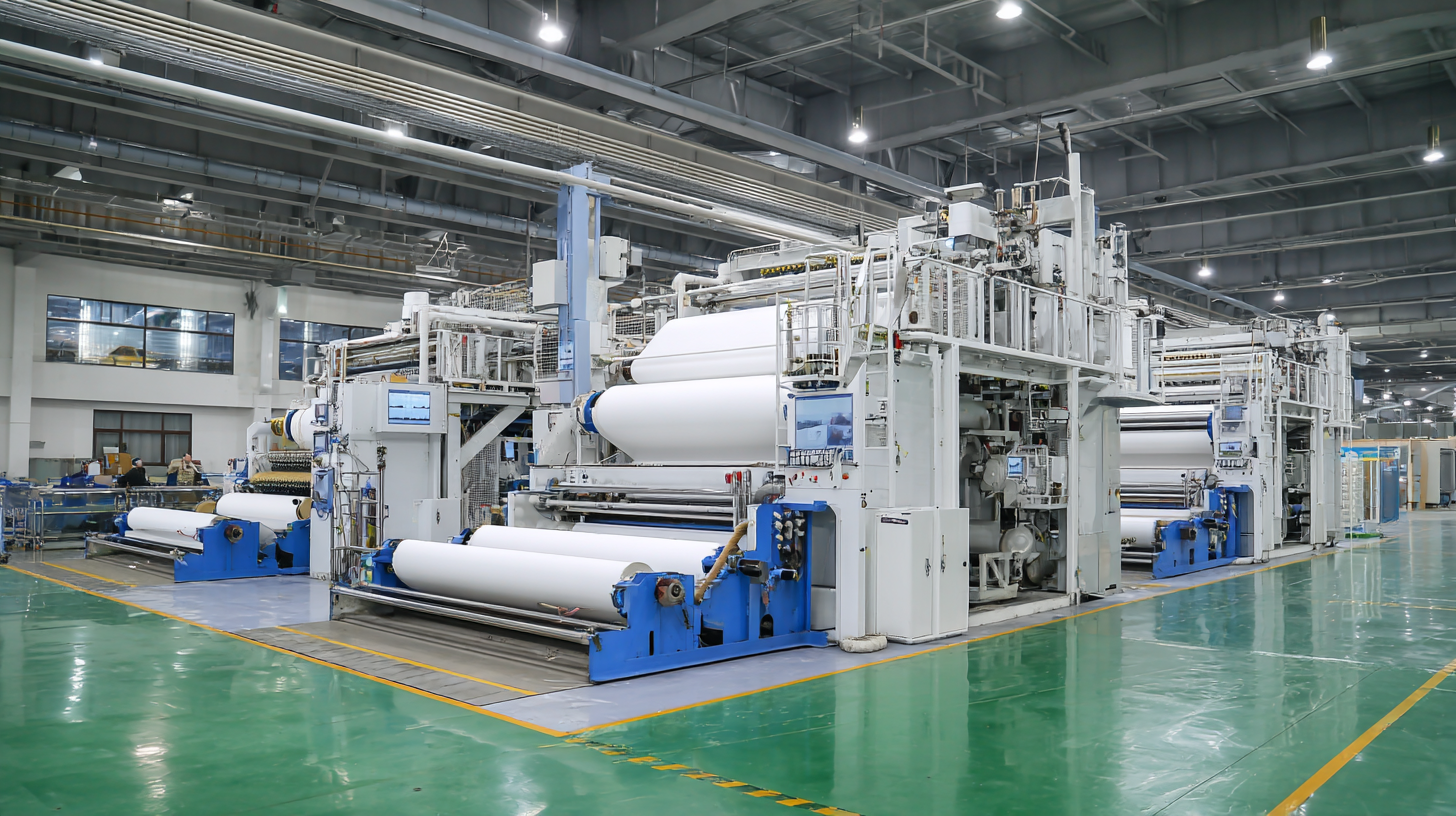 In nonwoven manufacturing, the production line layout plays a pivotal role in optimizing workflow and maximizing efficiency. A well-designed layout minimizes unnecessary movement, reduces cycle time, and enhances communication among operators. To achieve this, manufacturers should assess the flow of materials and the positioning of machines meticulously. Ensuring that the spunbond nonwoven machine is strategically placed within the layout can significantly streamline the production process, facilitating smoother transitions from one stage to the next.
Moreover, implementing tools like value stream mapping can identify bottlenecks and areas for improvement. By mapping out the entire production process, manufacturers can pinpoint where delays are most likely to occur and adjust the layout accordingly. Incorporating adequate space for maintenance and quality checks within the layout also promotes efficiency, allowing for quicker interventions without disrupting the workflow. Ultimately, prioritizing an efficient layout not only enhances productivity but also contributes to better product quality in the nonwoven manufacturing process.
Utilizing Data Analytics to Monitor and Improve Machine Performance in Real-Time
Real-time data analytics plays a crucial role in optimizing the performance of spunbond nonwoven machines. By leveraging IoT (data analytics), manufacturers can monitor machine performance metrics continuously, enabling them to identify bottlenecks and inefficiencies promptly. This approach not only allows for timely adjustments but also empowers operators to implement predictive maintenance strategies, significantly reducing downtime and maintenance costs.
Additionally, the integration of advanced technologies such as machine learning can enhance data analysis capabilities further. These tools can process complex datasets from multiple machines and provide insights that drive smarter production decisions. For instance, AI algorithms can analyze historical performance data to predict potential failures before they happen, thus maintaining a higher level of efficiency within manufacturing operations. The combination of real-time monitoring and intelligent data analysis sets a new standard for operational excellence in the spunbond nonwoven industry.
FAQS
: The primary focus is to maximize production output while minimizing costs, considering key factors like fiber alignment, process speed, and energy consumption.
Spunbond technology can typically achieve an output range of 300 to 1,000 kg/h, and optimizing machine settings can potentially increase this output.
Energy efficiency is crucial as operational costs can account for up to 50% of total manufacturing expenses; optimizing energy consumption leads to significant cost savings.
Functional additives, such as mineral or inorganic particles, enhance the industrial value of raw materials, improve polypropylene spunbond performance, and facilitate better processing integration.
New machinery technologies can create nonwovens that are softer and more drapeable, streamlining production and optimizing material usage to reduce operational costs.
Real-time data analytics allows manufacturers to continuously monitor performance metrics, identify inefficiencies promptly, and implement predictive maintenance to reduce downtime and costs.
Machine learning enhances data analysis by processing complex datasets and providing insights that help drive smarter production decisions and predict potential failures.
Proactive monitoring streamlines operations and contributes to sustainability goals while maximizing overall machinery performance.
Advanced control systems can amplify efficiency gains, improve production consistency, and minimize operational costs through better management of machine parameters.
Conclusion
Optimizing a Spunbond Nonwoven Machine is crucial for enhancing production efficiency and reducing costs. Understanding the fundamentals of spunbond machinery and evaluating its efficiency metrics can provide a foundation for improvement. Key factors such as energy consumption and raw material usage significantly impact production costs; therefore, implementing innovative techniques to optimize these elements is essential. Additionally, predictive maintenance strategies can minimize downtime, while an organized production line layout enhances workflow.
Moreover, utilizing data analytics allows manufacturers to monitor machine performance in real-time, facilitating timely adjustments and continuous improvement. At PUJIANG HG NONWOVEN MACHINERY CO., LTD., we are committed to delivering high-efficiency solutions for spunbond nonwoven fabric production, helping clients maximize their operational effectiveness in the global market.


