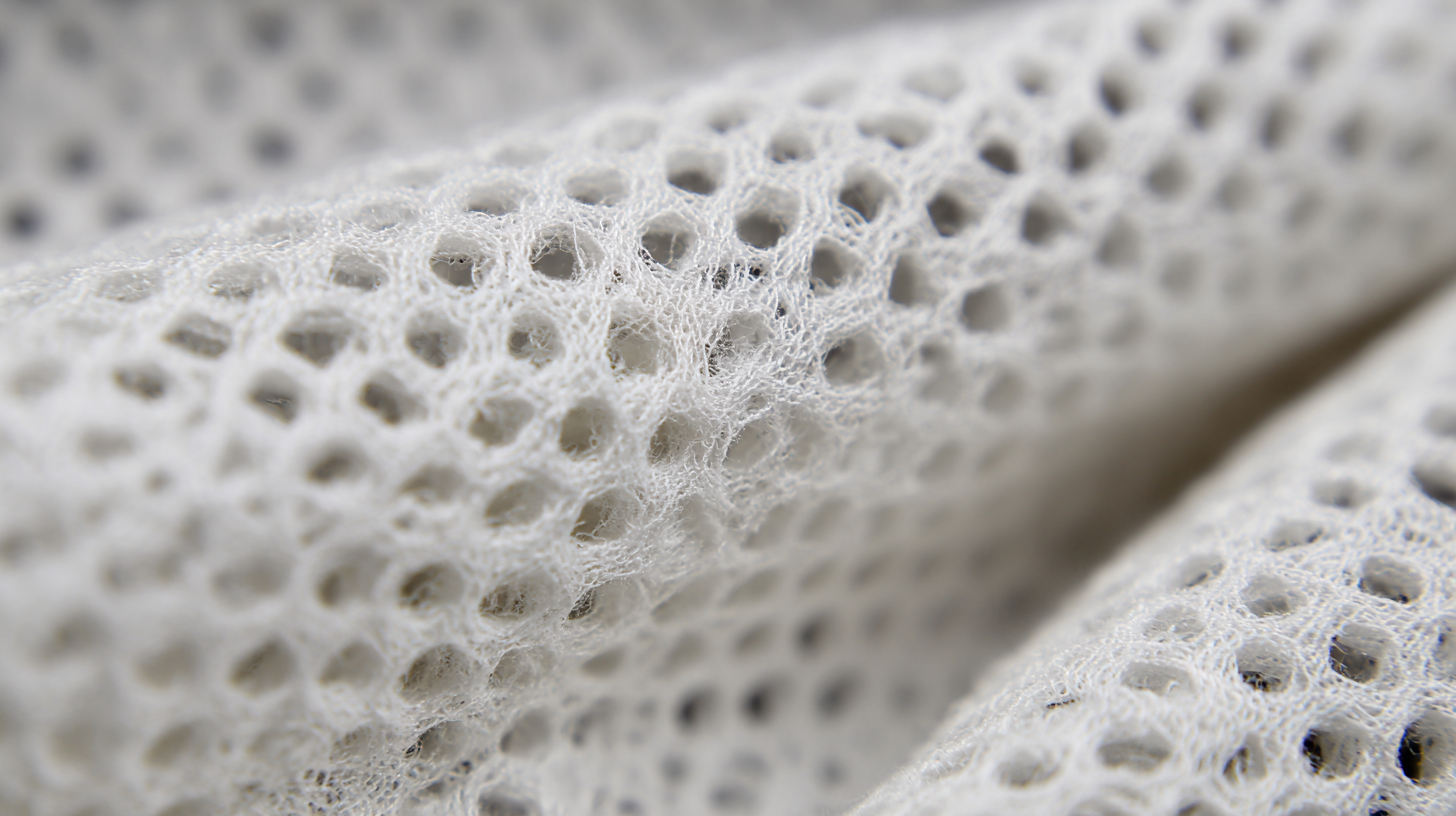
You know, as everyone’s looking for more sustainable and versatile materials these days, Tnt Nonwoven Fabric has really made a name for itself across a bunch of industries. I came across a report from MarketsandMarkets that said the global market for nonwoven fabrics is expected to hit around $49.5 billion by 2025. Pretty impressive, right? And Tnt Nonwoven Fabric is playing a huge part in that, thanks to its durability and adaptability.  Over at PUJIANG HG Nonwoven MachineRY CO., LTD., they’re actually leading the charge, focusing on innovative machines for spunbond, meltblown, and composite nonwoven fabrics. They’re all about efficient production solutions, which really helps meet the increasing demand around the world. In this blog, I’ll take you through some of the top uses of Tnt Nonwoven Fabric—and I’ll also share a few case studies to show just how versatile and effective this material really is.
Key Factors Influencing TNT Nonwoven Fabric Performance in Global Markets
When it comes to how Tnt nonwoven fabrics perform worldwide, a bunch of factors come into play—everything from what the raw materials are made of to how they’re actually produced. Honestly, the raw materials really matter a lot. Using top-quality polypropylene or polyester fibers can make a big difference, boosting the fabric’s durability and strength. That means these fabrics can be versatile, suitable for stuff like medical supplies or industrial use without breaking a sweat. Plus, throwing in additives like antimicrobial agents can step up their functionality, making them even more appealing in the market.
And let’s not forget about the manufacturing technology. Advanced methods like spunbonding and meltblowing don’t just change how the fabric feels and how thick it is. They also impact performance features like how well it filters or how breathable it is. As demand around the globe keeps climbing, manufacturers are increasingly adopting greener, more sustainable practices. That shift doesn’t just help the environment — it can also give companies a competitive edge. Understanding these key factors really helps businesses make smarter choices and tap into the growing opportunities in the global fabric scene.
Comparative Analysis of TNT Nonwoven Fabric Applications Across Industries
In today’s ever-changing global markets, TNT (that’s Thermal Bonded Nonwoven Technology) fabrics have really proven to be super versatile. They’re used in a ton of different industries, and it’s pretty impressive. For example, in healthcare, these fabrics are a go-to because they’re lightweight and let air through, which is a big plus. You’ll often see them in stuff like surgical gowns, masks, and drapes—they do a great job of blocking out contaminants, but still keep things comfy for both the patients and the medical staff. Plus, since they’re disposable, they help cut down on infection risks in those sensitive environments, so they’re kind of a hero there.
But it’s not just healthcare — TNT fabrics are also making waves in the automotive world and construction sites. In cars, they show up in soundproofing stuff, interior fabrics, and even in filters, all helping to make our rides more comfortable and perform better. On the construction side, TNT fabrics work as geotextiles—they’re great at separating soil and stopping erosion, especially because they’re tough and can handle rough weather without breaking a sweat. All in all, these fabrics are pretty adaptable and just keep proving their worth across different fields. As industries keep pushing the boundaries and coming up with new ideas, it’s safe to say demand for TNT nonwoven fabrics will only go up—they really are becoming a key player in modern manufacturing.
Market Share and Growth Projections for TNT Nonwoven Fabrics Worldwide
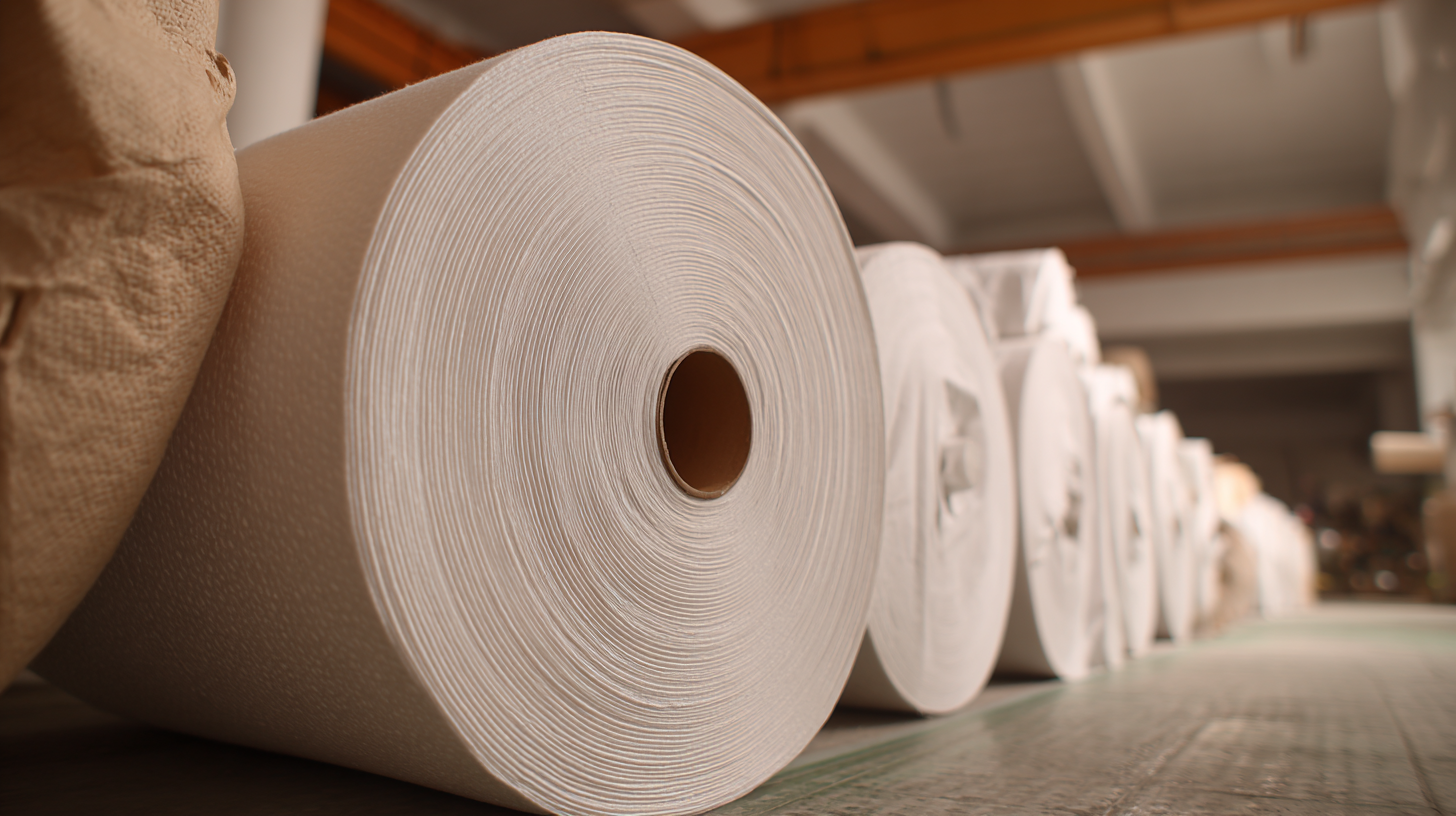
The global market for TNT nonwoven fabrics is really looking at some pretty exciting growth ahead. A big part of that boost comes from increased demand in healthcare and all the recent tech improvements happening in the industry. If you’ve been following the trends, you might have seen that meltblown nonwoven fabric—an essential material for these textiles—is expected to jump by about USD 2.8 billion between 2024 and 2028. Most of this growth is tied to the booming use of healthcare garments, which need fabrics that are breathable, protective, and high-performing—kind of like the super fabrics of the future.
On top of that, how companies are using AI in production is really shaking things up for the nonwoven fabric world. These smart tech upgrades mean manufacturers are getting more efficient and innovative, especially when it comes to medical and hygiene products. As demand keeps climbing worldwide, folks in the industry are realizing that embracing new technologies isn’t just smart—it’s almost essential for improving quality and sustainability. All these things together are forecasted to drive some serious growth for the global market in the coming years.
In Depth Comparison of Best Tnt Nonwoven Fabric Performance in Global Markets - Market Share and Growth Projections for TNT Nonwoven Fabrics Worldwide
| Region | Market Share (%) | Expected Growth Rate (%) | Key Applications |
| North America | 25 | 4.5 | Medical, Hygiene |
| Europe | 30 | 5.2 | Automotive, Construction |
| Asia Pacific | 35 | 7.0 | Packaging, Agriculture |
| Latin America | 5 | 5.5 | Geotextiles, Wipes |
| Middle East & Africa | 5 | 6.0 | Household Products, Healthcare |
Sustainability Trends in TNT Nonwoven Fabric Production and Use
Lately, you’ve probably noticed that sustainability is really becoming a big deal in the world of TNT, or thermally bonded nonwoven fabrics. More and more folks are seeking eco-friendly materials, and that’s fueling some pretty exciting shifts. I read somewhere that the global market for nonwoven fabrics is expected to hit around $50.8 billion by 2026 — and guess what? The sustainable fabrics are leading the charge with the fastest growth. It’s all about everyone waking up to environmental issues and realizing industries gotta do their part to cut down their carbon footprints.
Because of all this buzz, lots of manufacturers are jumping on the bandwagon and choosing recycled and biodegradable materials whenever they can. For example, there’s now nonwoven fabric made entirely from recycled PET bottles—pretty cool, right? Not only does this help cut down plastic waste, but it also saves energy during the manufacturing process. The Global Nonwovens Association (GNA) even says that companies embracing these green practices don’t just help the planet—they’re also making themselves more attractive in the market and keeping up with stricter global regulations. As more businesses chase after sustainability goals, the TNT nonwoven fabric scene is set to see some really interesting innovations—balancing performance with being kinder to our environment, you know?
Technological Innovations Driving TNT Nonwoven Fabric Performance Enhancements
You know, when it comes to technological innovations, they're really pushing the performance limits of Tnt nonwoven fabrics worldwide. One of the coolest things happening is the development of new polymer materials that make these fabrics tougher and more flexible. These new materials are often tailored for specific uses—like in medical fields where sterility and high-tech protective gear are super important. Plus, with patented production methods, the quality of Tnt fabrics has gotten a serious upgrade, and they’re now more cost-effective too. That’s why you see them being widely used across different industries.
And here’s something pretty exciting—sustainable practices are starting to play a big role in how these fabrics are made. More manufacturers are using eco-friendly materials and greener processes that cut down on environmental harm but still deliver top-notch quality. Things like biodegradable and recyclable nonwovens are becoming quite popular because people are more conscious about sustainability these days. This shift not only boosts the fabric’s performance but also appeals to consumers and companies eager to meet their eco goals. Looking ahead, as technology keeps advancing, we can expect even better performance and some pretty innovative solutions for Tnt nonwoven fabrics.
Performance Comparison of TNT Nonwoven Fabrics in Global Markets
Regional Performance Metrics: A Closer Look at Global TNT Nonwoven Markets
The global TNT nonwoven fabric market’s been quite the rollercoaster lately, thanks to how different regions are performing in their own unique ways. These regional trends really help companies and investors get a clearer picture of where everything’s headed and what consumers are into. For example, in North America, you’ll notice a lot of growth driven by the rising demand for hygiene products—think masks, wipes, and all that good stuff. Over in Asia-Pacific, though, the scene looks pretty optimistic too, with rapid industrial expansion fueling big growth potential.
On top of that, the medical nonwoven disposable market is playing a huge part in shaping the overall scene. By around 2035, it’s expected to hit over USD 32 billion—showing how much demand there’s for medical uses, especially during times when global health crises strike. Plus, the filtration side of things is also booming. Thanks to new rules and a bigger focus on health and safety, nonwoven manufacturers are now turning more toward filtration applications. This shift isn’t just about seizing new opportunities; it also helps them stay competitive across different regions.
All in all, these evolving trends highlight how dynamic and exciting the TNT nonwoven fabric market really is, with plenty of growth and innovation on the horizon.
FAQS
: The growth is driven by increased demand from the healthcare sector and ongoing technological advancements, particularly in meltblown nonwoven fabric.
It is projected to grow by USD 2.8 billion during that period.
AI in production processes is enhancing efficiency and innovation in fabric manufacturing, thereby redefining the market landscape.
Key innovations include advanced polymer materials for durability and flexibility, as well as patented production processes that improve quality and cost-effectiveness.
Manufacturers are utilizing eco-friendly materials and processes that reduce environmental impact while also producing biodegradable and recyclable nonwoven options.
Sustainable practices appeal to environmentally conscious consumers and businesses and help fulfill sustainability goals without compromising quality.
The demand is particularly rising in medical and hygiene products, which require high-performance and protective materials.
Integrating new technologies enhances product quality and sustainability, contributing to significant growth projections in the global market.
They meet requirements for sterility and support for high-performance protective gear.
The future promises even greater performance improvements and innovative solutions as technology continues to evolve.