Lately, demand for Sss Nonwoven Fabric has been really picking up across a bunch of industries. People are loving it because of its unique qualities and how versatile it is. If you look at the latest market reports, the global nonwoven fabric scene is expected to hit around USD 55.32 billion by 2025. Spunbond tech is kind of leading the charge, mainly because it’s super efficient and cost-friendly. As more and more companies focus on beingsustainable while still delivering top-notch performance, picking the right Sss Nonwoven Fabric is becoming pretty essential if you want to stay ahead of the game. At PUJIANG HG NONWOVEN MACHINERY CO., LTD., we're all about offering advanced spunbond, meltblown, and composite nonwoven machinery—tools to help you boost your production and stay innovative. In this blog, I’ll share seven key tips to help you choose the best Sss Nonwoven Fabric for your business. The goal is to help you make smarter decisions that align with your operational needs and your sustainability goals.
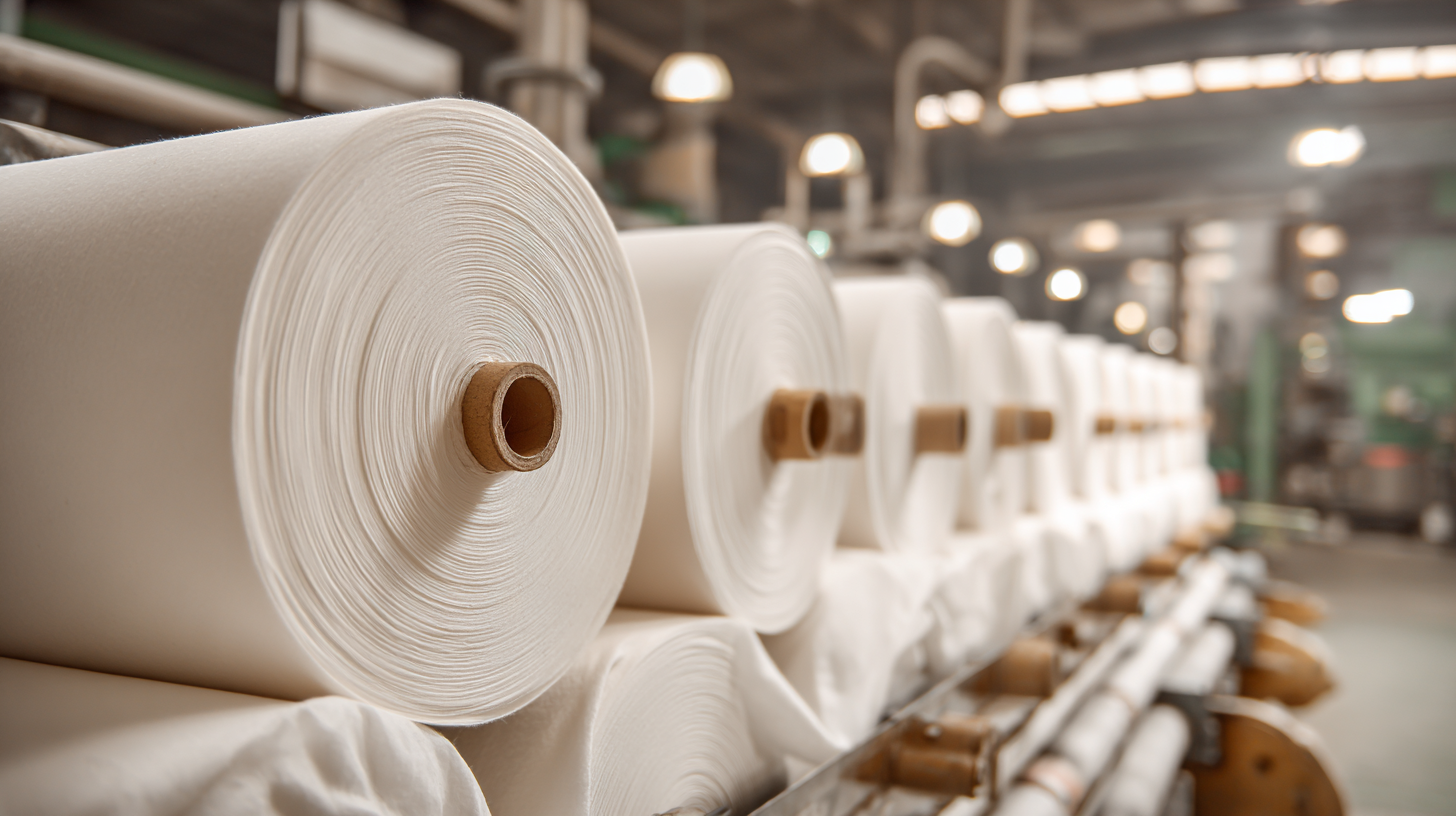
Understanding SSS Nonwoven Fabric: Key Properties and Benefits for Businesses
You know, SSS nonwoven fabric has really become a go-to material for all kinds of business uses these days. Why? Well, it’s pretty impressive—strong, durable, but also super lightweight. That combo makes it perfect for everything from healthcare to packaging. One of the coolest things about this fabric is how versatile it is. You can actually tailor it to fit specific needs, whether you're making hygiene products or filtration stuff. So, whatever your business needs, there’s likely an SSS nonwoven fabric that’s just right.
When you're choosing the right type of SSS nonwoven fabric for your project, it’s good to think about things like what it’s made of and how heavy it is. There are lighter options, and then heavier ones, and each works better for different applications. Also, don’t forget to check if it’s breathable and resistant to water, especially if your end product will be exposed to liquids or needs good airflow. And of course, picking a reliable supplier is key—someone who can keep the quality consistent and deliver on time really makes a difference in your workflow. Keep these points in mind, and you’ll be in a much better spot to pick the perfect fabric for your needs, without any headaches.
7 Tips for Choosing the Right SSS Nonwoven Fabric for Your Business Needs
| Property | Description | Business Benefit |
| Durability | Resistant to tearing and wear | Longer product lifespan, reducing replacement costs |
| Breathability | Allows air and moisture to pass through | Increases comfort in applications like medical and clothing |
| Cost-effectiveness | Low production costs and high performance | Maximizes profit margins in product offerings |
| Eco-friendliness | Made from recyclable and biodegradable materials | Enhances company sustainability credentials |
| Customizability | Available in various colors, weights, and textures | Tailor products to specific market demands |
| Water Resistance | Repels moisture effectively | Ideal for outdoor and hygiene-related products |
| Lightweight | Easy to handle and transport | Reduces shipping costs and enhances product usability |
Comparative Analysis of SSS vs. Other Nonwoven Fabrics: Performance Metrics
When you're picking the right nonwoven fabric for your business, it’s really important to get a good grasp of how different options stack up in terms of performance. Take SSS (Spunbond-Spinbond-Spunbond) fabrics, for example—they’re known for being super strong and durable. Honestly, they often beat out other types like SMS (Spunbond-Meltblown-Spunbond) and regular PP (Polypropylene) fabrics when it comes to tensile strength and how much they can stretch without breaking. I came across a report by Smithers Pira that said SSS fabrics can be up to 30% stronger than SMS ones, which makes them a better choice for stuff that needs to hold up physically—think medical supplies or industrial use stuff.
Now, the barrier properties of SSS fabrics are also pretty impressive. There was a study by the Nonwovens Innovation & Research Institute that showed SSS fabrics usually have an air permeability of about 200-300 L/m²/s. That’s notably higher compared to SMS fabrics, which hover around 100-200 L/m²/s. What does that mean in real life? Basically, it translates to better breathability and comfort—crucial for products like diapers or surgical gowns where airflow matters.
All these points really highlight how important it is to choose the right fabric based on what your business needs—consider factors like where you’ll use it, how it needs to perform, and even environmental conditions. Picking the right one can make all the difference in the end.
Performance Metrics of SSS Nonwoven Fabric Compared to Other Nonwoven Fabrics
Industry Trends: The Growing Demand for SSS Nonwoven Fabric in Various Sectors
Lately, there's been a real boost in demand for SSS (Spunbond-Spinbond-Spunbond) nonwoven fabrics, and it’s honestly changing the game across a bunch of industries—think hygiene products, healthcare, and even automotive. As everyone gets more conscious about sustainability, manufacturers are starting to lean into SSS nonwovens because they’re lightweight, tough, and pretty versatile. Plus, these fabrics check all the boxes when it comes to hygiene and safety, but they also fit into eco-friendly practices that both consumers and companies are loving more and more.
In healthcare, for example, SSS nonwovens are found in things like surgical gowns, masks, and drapes—they act as a solid barrier to keep contaminants out. The pandemic definitely sped up the need for these materials, pushing a lot of innovation to improve their protective qualities. And in the auto world? These lightweight fabrics help make vehicles more fuel-efficient since they cut down weight without sacrificing safety or comfort. As industries adapt to this changing landscape, SSS nonwovens are proving to be pretty essential—appearing in all sorts of applications these days.
Cost-Benefit Analysis: Investing in SSS Nonwoven Fabric for Long-Term Savings
When you're thinking about adding SSS nonwoven fabric into your supply chain, doing a proper cost-benefit analysis is definitely a big step. This kind of fabric is pretty popular because it’s durable, lightweight, and super versatile—perfect for a whole bunch of different uses, from hygiene products to industrial stuff. Investing in high-quality SSS nonwoven might seem a bit pricey at first, but honestly, in the long run, it can save you a ton of money since it lasts so much longer and performs really well.
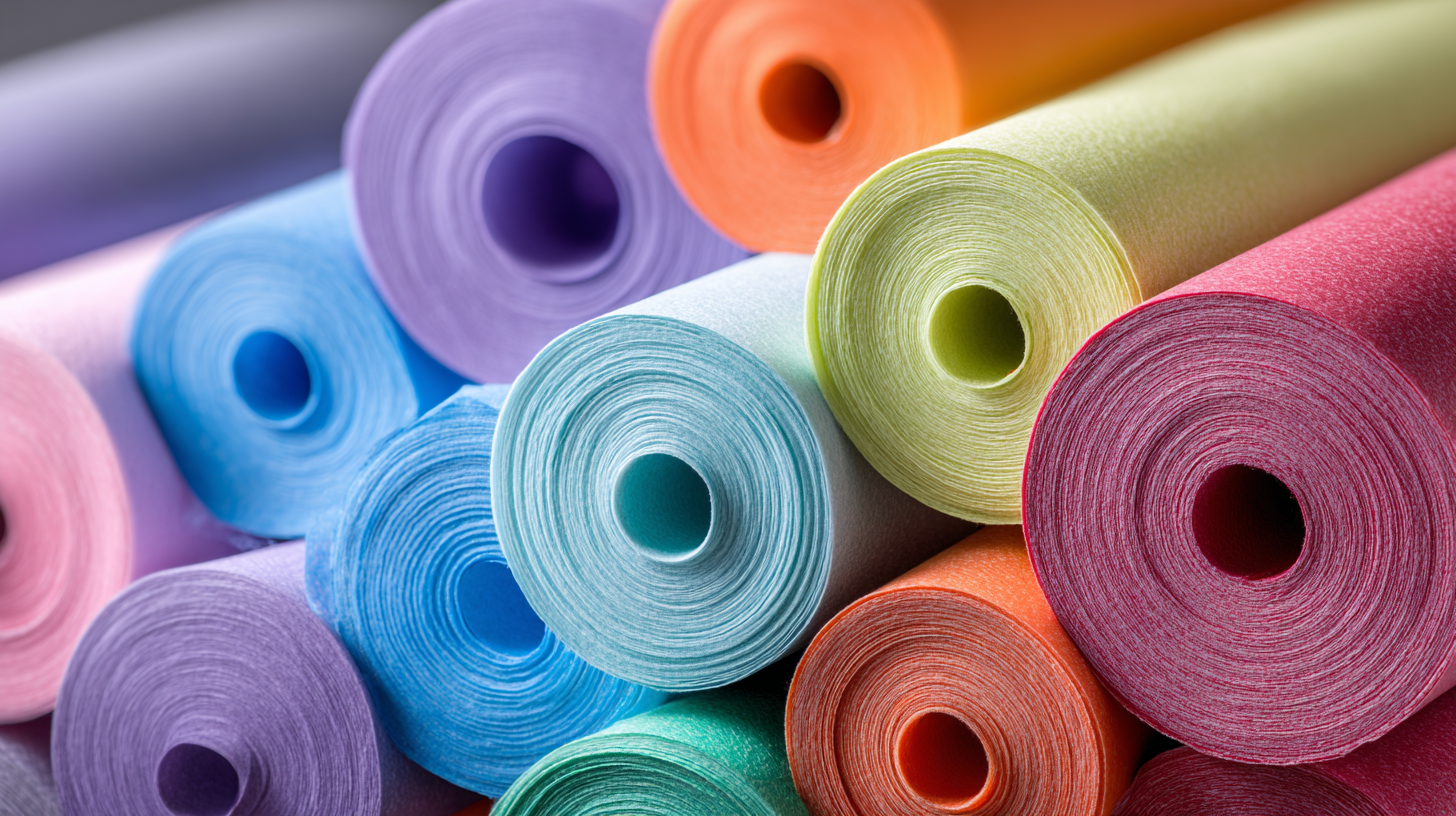
Plus, it's not just about saving bucks—they say you get what you pay for, right? Choosing top-notch materials like SSS nonwoven can actually help boost your product quality and make your customers happier. When your products perform better with fewer complaints or returns, it helps build trust and makes your brand look more reliable. And, let’s not forget the whole eco-friendly angle. Picking fabrics that meet environmental standards isn’t just good for the planet—it also makes your business more attractive to folks who care about sustainability. So, all these points come together to give you a clearer picture of the potential ROI and all the strategic perks of bringing SSS nonwoven fabric into your operations.
Sustainability in SSS Nonwoven Fabrics: Environmental Impact Compared to Alternatives
When you're choosing the right SSS nonwoven fabric for your business, it's pretty important to get a good grasp of the environmental impact, right? So, SSS fabrics—think spunbond, spunlace, and meltblown—actually offer a much greener alternative compared to traditional textiles. They’re made with more efficient processes and are recyclable, which is a big plus. Plus, they usually use less water and energy during manufacturing, so they help cut down on carbon emissions. It kinda highlights why it’s a smart move to go for eco-friendly options that support global sustainability efforts.
At PUJIANG HG NONWOVEN MACHINERY CO., LTD., we’re all about pushing the sustainability agenda in the nonwoven fabric world. We supply top-notch machinery for spunbond and meltblown production, helping businesses produce high-quality fabrics that meet the rising demand for environmentally responsible products. We're big on innovation too—it’s not just about making things more efficient, but really about helping the industry move toward greener, more sustainable textiles. It’s a small step, but it can really make a difference for the planet.
Selecting the Right Supplier: Factors to Consider for Quality SSS Nonwoven Fabric
Choosing the right supplier for SSS nonwoven fabric isn't just about picking someone at random — there are a few key things you really want to keep in mind. First off, quality is king. A good supplier should be willing to send you samples, so you can get a real feel for the fabric’s durability, how it feels to the touch, and how well it performs overall. It’s also smart to look for certifications or quality control processes — these are your signs that they’re serious about delivering top-notch materials. That way, you'll know the fabric will meet the specific needs of your business and industry standards.
But hey, don’t just stop at quality. Reliability and good customer service are huge too. The right supplier should be able to keep up with your demand without a hitch, and they should be responsive whenever you have questions or concerns. Building a good line of communication can really make a difference — it keeps things smooth and helps the relationship grow stronger. Plus, it’s important to check if they’ve got enough production capacity to handle your growth. Having a partner who can scale up when you need it is pretty much a game-changer. All in all, keeping these factors in mind will help you find a supplier that's reliable, flexible, and gets the job done right — which is pretty much what you want in the long run.
FAQS
: SSS nonwoven fabric is known for its strength, durability, and lightweight nature, making it suitable for various industries such as healthcare and packaging.
SSS nonwoven fabrics can be engineered to meet specific performance requirements, making them versatile for different uses including hygiene products and filtration systems.
Businesses should consider the fabric's composition, weight, breathability, water resistance, and the supplier’s ability to provide consistent quality and timely delivery.
SSS nonwoven fabrics offer a sustainable alternative to traditional textiles, consuming less water and energy during production and having a reduced carbon footprint.
The company provides advanced machinery for producing spunbond and meltblown nonwoven fabrics, helping businesses to create environmentally responsible products.
Breathability is important particularly for applications that require air permeability or involve exposure to liquids, ensuring comfort and functionality in end-use products.
Yes, SSS nonwoven fabrics are recyclable, which contributes to their sustainability and aligns with global environmental goals.
The production process is more efficient than traditional textile manufacturing, leading to lower resource consumption and a lesser impact on the environment.
The weight of SSS nonwoven fabrics influences their suitability for different applications, with lighter variants being suitable for certain uses and heavier ones for others.
Suppliers contribute to the success of SSS nonwoven fabrics by ensuring consistent quality and timely delivery, which are critical for business operations.
Conclusion
In today’s super competitive market, picking the right SSS nonwoven fabric for your business is more important than ever. Knowing the key features and benefits of SSS nonwoven fabric can really help boost your product quality and meet various industry needs at the same time. When you compare it to other nonwoven options, you’ll notice some clear differences—especially in terms of durability and how well it works. That’s a big deal and makes SSS stand out from the crowd.
There’s definitely a growing demand for SSS nonwoven fabric across different sectors, which shows it’s a smart, long-term investment. Looking at the costs versus the benefits, you might find some serious savings, making it a pretty attractive choice if you're serious about sustainability goals. And don’t forget—making sure you get your fabric from a reliable supplier is super important to ensure you’re getting top-quality SSS nonwoven fabric. By keeping these things in mind, your business can make smarter decisions that fit well with your operations and your environmental commitments.