Leave Your Message
0%

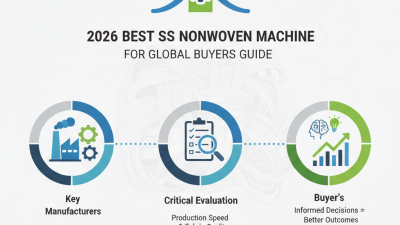
Picking a Spun Bond Nonwoven Machine isn’t just about comparing catalog speed and sticker price. The machine has to actually fit your product, your materials, your factory setup, and where your market is headed.

Dr. Walter Fung, a well-known nonwovens manufacturing specialist, puts it simply: “The right machine is selected by the product requirement, not by speed alone.” That’s worth keeping in mind when you’re looking at systems from Reifenhäuser Reicofil, Oerlikon Neumag, or other established suppliers. A line running 15 GSM hygiene fabric may need different Spinnerets, web control, and energy settings than one making 120 GSM construction fabric. And those little differences? They get expensive fast.

So start with the fabric you intend to make. Nail down polymer type, GSM range, working width, annual output, and bonding method. Then ask for verified production data—not just lab results. Dig into actual uptime, filter replacement intervals, operator requirements, and spare-part availability. If you can, visit a factory that’s already running the line. Watch the web formation closely. Sometimes uneven edges give away problems before any formal testing even begins.

Speed isn’t everything. Energy consumption matters too.

A reliable spun bond Nonwoven Machine should hold stable quality through long production runs. Check whether the supplier will run trials with your resin and additives. Look at automation, safety systems, technical training, and how quickly after-sales support responds. A cheaper line can end up costing more through waste, downtime, or maintenance. That’s a possibility worth facing honestly.

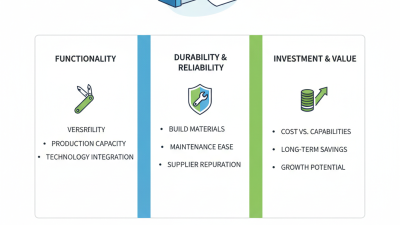
The final call should balance what you need now with realistic expansion later. Overbuilding can strain cash flow. Underbuilding can box you in. This guide looks at the evidence, the trade-offs, and the practical questions behind choosing a Spun Bond Nonwoven Machine with more confidence.
How to Choose a Spun Bond Nonwoven Machine?

What a Spun Bond Nonwoven Machine Does

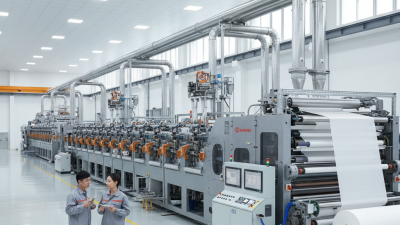
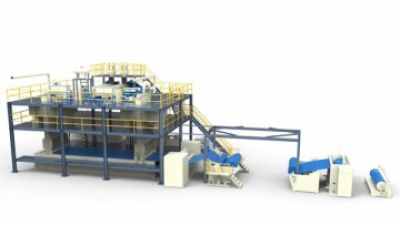
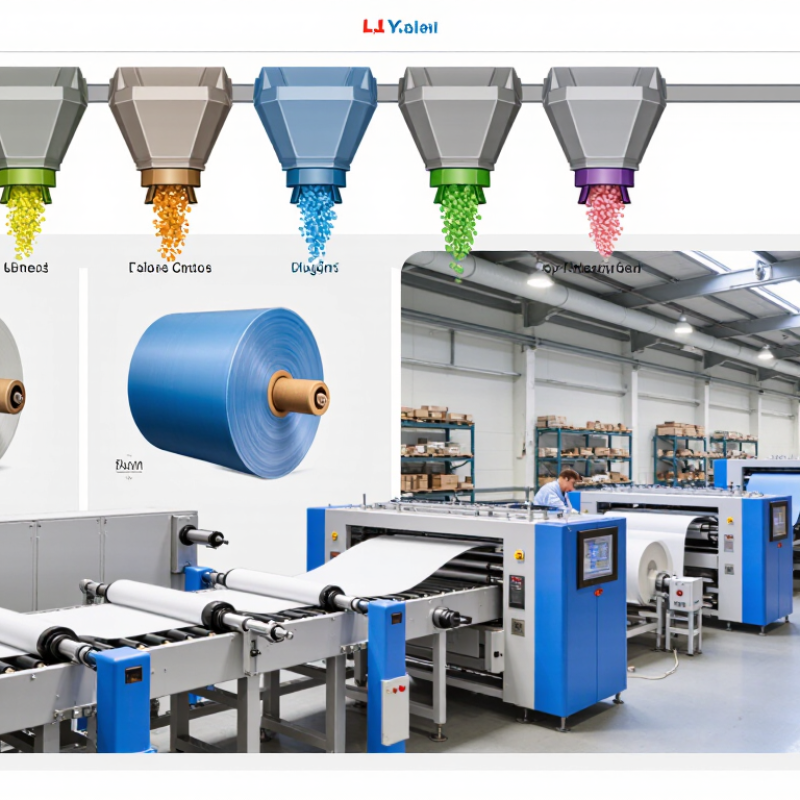
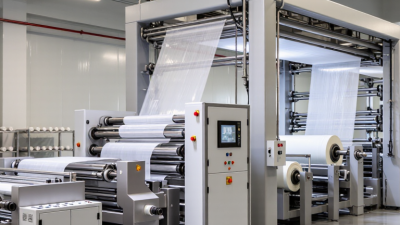
A spun bond nonwoven machine converts thermoplastic polymer pellets into continuous fabric in one integrated line. The process starts when pellets enter a heated extruder and melt at a controlled temperature. A metering system pushes the melt through a spinneret, forming hundreds of fine, endless filaments. Airflow stretches these filaments and cools them before they land on a moving forming belt. The belt spreads the fibers into a web. Uniform distribution matters. Uneven airflow can create thin stripes, weak edges, or visible holes. Operators monitor melt pressure, temperature, air speed, and belt movement from the control panel. These readings help experienced technicians detect instability before it damages a full roll.

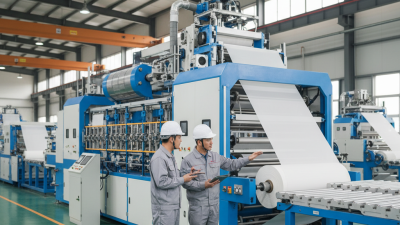
The loose web then passes through a bonding unit, commonly using heat and pressure to join crossing filaments. Patterned calendar rolls can create strength, softness, and surface texture at the same time. The finished material is trimmed, measured, and wound into rolls for later converting. A China Spun Bond Nonwoven Machine may support different fabric weights, widths, and production speeds, depending on its configuration. When choosing equipment, buyers should examine output stability, changeover time, energy use, and maintenance access. Ask for test data using the intended polymer and target fabric weight. Brochure numbers are not enough. Small details matter: clean filters, aligned belts, steady cooling air, and trained adjustments. It is easy to focus on maximum speed and overlook waste, noise, or operator fatigue. No line performs perfectly forever. A realistic evaluation leaves room for trial runs and occasional correction.

Key Materials and Product Specifications to Define

Choosing a Spun Bond Nonwoven Machine starts with material behavior, not machine price. Polypropylene is common for hygiene and packaging fabrics because it is light, weldable, and chemically stable. Polyester suits higher-temperature applications and stronger industrial fabrics. Recycled polymer can reduce virgin resin use, but it may increase filtration variation and breakage.

Smithers’ 2024 nonwovens outlook identifies hygiene, medical, filtration, and construction as major demand areas. Its market projections also show continued growth toward 2028. This matters because each sector requires different specifications. Define fabric weight, usually in grams per square meter, before discussing output.

A hygiene line may need 10–25 gsm uniformity, while filtration media often requires controlled pore structure and higher basis weight. Specify web width, hourly capacity, fiber denier, spinning temperature, embossing pattern, and winding diameter. Do not overlook startup waste.

Tips: Ask a Spun Bond Nonwoven Machine Supplier for production samples using your actual resin. Test tensile strength, elongation, air permeability, and basis-weight variation. Request three months of operating records. Numbers expose weaknesses.

A reliable supplier should explain die-hole design, quench-air control, electrostatic treatment, and automatic tension control in practical terms.

Market reports from Grand View Research also connect nonwoven growth with medical and filtration consumption, but forecasts are not guarantees.

Your resin quality, operators, humidity, and maintenance discipline can change results. I have seen attractive output figures fail during continuous production. A smaller pilot trial may reveal more than a polished quotation.

How to Match Machine Capacity with Production Goals

How to Choose a Spun Bond Nonwoven Machine?
How to Match Machine Capacity with Production Goals

Choosing a spun bond nonwoven machine starts with production goals, not the largest output figure. Define your target roll weight, fabric width, GSM range, and operating hours before contacting a Spun Bond Nonwoven Machine Manufacturer. These details turn a vague request into a measurable specification. Be practical.

Estimate required capacity from annual demand, working days, and realistic operating efficiency. A line rated at 1,000 kilograms per hour will not always deliver that amount. Allow for startup waste, roll changes, cleaning, maintenance, and material adjustments. For planning, an efficiency rate of 80% to 90% may be more useful than the nameplate capacity. Keep a written calculation.

Your product mix also affects the choice. Light fabric may require stable web formation, while heavier GSM products can reduce running speed. A wider machine may lower unit costs, but it can create unused capacity when orders are small. I once saw a production plan built around perfect uptime; the estimate became too optimistic after routine stoppages were included. Leave room for growth, but avoid paying for capacity that remains idle. Ask for trial data, power consumption, staffing needs, and changeover time. A factory visit or material test can reveal problems that a sales sheet cannot.

How to Choose a Spun Bond Nonwoven Machine?

Matching Machine Capacity with Production Goals

The chart compares the rated machine capacity required to meet annual production demand with practical machine capacity selections. The calculation assumes 330 operating days per year and an 80% effective utilization rate to allow for maintenance, changeovers, waste, and production variation. Select a machine whose rated output meets or slightly exceeds the required capacity without creating excessive unused capacity.

Essential Machine Components and Performance Features

How to Choose a Spun Bond Nonwoven Machine?

Essential Machine Components and Performance Features

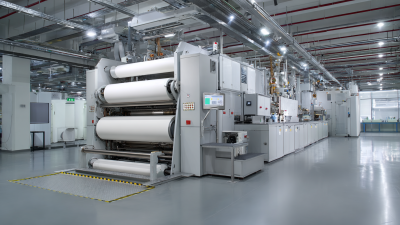
When choosing a Spun Bond Nonwoven Machine, inspect each core component, not only the output speed. The extruder should deliver stable polymer flow under continuous operation. A precise temperature control system helps prevent uneven melting and weak fibers. Check the screw design, pressure stability, and material compatibility. Small details matter.

The spinning beam and spinnerets directly influence filament uniformity. Look for corrosion-resistant parts and accessible cleaning areas. The quenching chamber needs balanced airflow across the entire working width. Uneven cooling can create visible stripes in the fabric. During a factory trial, measure basis weight from both edges and the center. The differences should remain within the stated tolerance.

A reliable Spun Bond Nonwoven Machine Factory should provide clear technical data, maintenance schedules, and operator training. Ask to inspect the web-forming section, suction system, and bonding calender. The calender needs accurate pressure and temperature control for consistent strength and softness. Film buildup is a warning sign. It may indicate poor heat adjustment or unstable production conditions.

In practical evaluations, energy consumption deserves attention. An efficient motor and well-designed airflow system can reduce long-term operating costs. However, impressive speed figures can be misleading. Higher speed may reduce fabric uniformity. That assumption needs testing. Request sample rolls made with your intended polymer and fabric weight. Real production evidence is more useful than a polished brochure.

Evaluating Energy Use, Automation, and Maintenance Needs

How to Choose a Spun Bond Nonwoven Machine?

Choosing a spun bond nonwoven machine requires more than comparing output rates. Energy use often determines the real operating cost. During a plant trial, record electricity consumption per kilogram, not only motor ratings. Check heating zones, cooling fans, compressors, and idle periods. A fast machine may still waste power during frequent stops. Request measured data for your polymer, width, and production speed. Generic figures can mislead.

Automation should reduce variation, not remove every human decision. Look for automatic tension control, temperature alarms, recipe storage, and clear production records. These features help operators detect a drifting spinneret or uneven web before defects spread. Remote monitoring can support troubleshooting, but local access remains important when sensors fail. Test the interface with an operator wearing gloves. Simple screens matter.

Maintenance needs deserve equal attention. Inspect filter access, spinneret cleaning procedures, lubrication points, and spare-part availability. Ask how long common tasks take during a night shift. A practical machine should expose wear parts without unnecessary disassembly. Energy meters and fault histories support preventive maintenance. Still, human error remains possible. Even an automated line can produce waste after one missed warning. Request a trial run, review maintenance logs, and compare promised performance with observed results.

Comparing Suppliers, Costs, Safety, and Long-Term Value

How to Choose a Spun Bond Nonwoven Machine?

A low purchase price can hide expensive weaknesses. Compare suppliers by delivered output, not brochure speed. INDA’s 2024 Global Nonwoven Markets report estimates global nonwoven production reached about 13.4 million metric tonnes in 2023. That demand increases pressure on uptime, material consistency, and technical support. Ask each supplier for verified output using your polymer, filament size, and target fabric weight. Request references from factories with similar production conditions. A polished demonstration is not enough.

Cost analysis should include installation, spare parts, energy, labor, training, and downtime. Smithers’ The Future of Global Nonwovens to 2028 reports continued growth in hygiene, medical, and filtration applications. These markets punish unstable basis weight and frequent web breaks. Compare energy consumption per kilogram, rather than motor power alone. A cheaper machine may consume more electricity for years. That matters. Some quotations also exclude commissioning or local electrical work, which can distort the real budget.

Safety needs measurable evidence. Check guarding, emergency stops, heated-area protection, lockout procedures, and documented risk assessments aligned with ISO 12100 and ISO 13849. Ask for maintenance access around extruders and winding units. Tight spaces slow repairs and invite unsafe shortcuts. Long-term value depends on controls, documentation, upgrade options, and response time for critical parts. I would still question optimistic payback calculations; actual waste, operator turnover, and seasonal demand can change them quickly. A spreadsheet rarely shows the whole factory.

How to Choose a Spun Bond Nonwoven Machine? — Comparing Suppliers, Costs, Safety, and Long-Term Value
Evaluation Dimension Entry-Level Single-Beam Supplier Mid-Range Multi-Beam Supplier High-Capacity Integrated Supplier What to Verify
Typical Machine Configuration One spinning beam; usually PP spunbond for standard disposable or packaging applications. Two to three beams; suitable for higher productivity and selected multilayer structures. Three to four beams, often with automated dosing, online inspection, and advanced winding systems. Beam count, polymer compatibility, layer structure, and upgrade options.
Typical Working Width 1.6–3.2 m 2.4–4.2 m 3.2–6.4 m Confirm finished product width, trim loss, and maximum usable width.
Indicative Nominal Output 800–1,800 kg/h 1,500–3,500 kg/h 3,000–6,000 kg/h Request a guaranteed output at the target basis weight and polymer grade.
Common Basis-Weight Range 10–150 g/m² 10–180 g/m² 10–250 g/m², depending on design and product structure Check basis-weight uniformity across the full web width.
Indicative Equipment Cost USD 1.2–2.5 million, excluding building, utilities, installation, and taxes. USD 2.0–4.5 million, excluding building, utilities, installation, and taxes. USD 4.0–8.0 million, excluding building, utilities, installation, and taxes. Compare identical scope of supply; include spare parts, commissioning, training, and freight.
Typical Installation and Commissioning Period 8–12 months from technical confirmation to commercial production. 10–16 months, depending on automation and production trials. 14–20 months, especially for customized layouts and integrated systems. Obtain a milestone schedule with acceptance-test conditions.
Electrical Energy Consumption Approximately 0.45–0.75 kWh/kg of finished fabric under stable production conditions. Approximately 0.40–0.65 kWh/kg, depending on output and heating efficiency. Approximately 0.35–0.60 kWh/kg when operated near design capacity. Ask for measured data at the required basis weight, speed, and output.
Automation Level Basic PLC control, manual recipe adjustment, and standard alarm monitoring. Recipe management, automatic tension control, closed-loop dosing, and production reports. Integrated MES connectivity, advanced process control, online defect detection, and automated roll handling. Check software ownership, data access, cybersecurity, and remote-support terms.
Product Changeover Typically 1–3 hours, depending on basis weight and material change. Typically 45–120 minutes with automated recipes and improved cleaning access. Typically 30–90 minutes when the line includes automated recipe and tension systems. Request a live demonstration using two different product specifications.
Basis-Weight Uniformity Target Typically within ±5% under stable operating conditions. Typically within ±3% to ±5%, depending on the product and control system. Typically within ±2% to ±4% with closed-loop control and suitable raw material. Define the measurement method, sampling frequency, and acceptance standard.
Safety Provisions Emergency-stop circuits, guarding, interlocks, warning labels, and basic lockout points should be included. Includes enhanced guarding, access-door interlocks, temperature alarms, and more complete energy-isolation points. Normally includes comprehensive guarding, safety PLC architecture, fire-risk controls, access monitoring, and automated shutdown logic. Review a risk assessment, electrical drawings, safety validation documents, and local compliance requirements.
Applicable Compliance Frameworks Supplier should provide documentation supporting the applicable machinery, electrical, and pressure-equipment rules for the destination market. Supplier should provide conformity documentation, technical files, and test records for the complete line. Supplier should provide complete system-level conformity documentation, safety validation, and third-party inspection where required. Do not rely only on a logo or certificate; verify the certificate scope and issuing body.
Operator Exposure Risks Hot surfaces, rotating components, high-voltage cabinets, polymer fumes, and compressed-air systems require controls and training. Similar hazards, with additional risks from higher line speed, automated winding, and more complex maintenance areas. Higher stored energy and greater line complexity require formal procedures, access control, interlocks, and specialist training. Confirm guarding distances, ventilation, noise level, PPE requirements, and lockout/tagout procedures.
Typical Warranty 12 months from commissioning or 18 months from shipment, subject to contract terms. 12 months from commissioning is common; extended coverage may be available for selected components. 12–24 months may be offered for major systems when commissioning and service agreements are included. Clarify response time, excluded parts, labor coverage, travel costs, and warranty start date.
Recommended Critical Spares Heaters, thermocouples, sensors, filters, breakers, fuses, pneumatic components, and control modules. All entry-level spares plus metering-pump seals, web-control components, and drive-system parts. Complete critical-spares package for drives, control cards, sensors, pumps, filters, safety devices, and winding equipment. Request a two-year spare-parts list with prices and estimated delivery times.
After-Sales Service Capability Remote troubleshooting and periodic technician visits; response quality depends strongly on local coverage. Remote diagnostics, scheduled maintenance support, operator training, and regional service options are commonly available. Dedicated service contracts, remote monitoring, preventive-maintenance planning, and local or regional engineers are more likely. Ask for service references, response-time commitments, and the number of trained technicians.
Expected Economic Life Approximately 10–15 years with preventive maintenance and timely replacement of wear parts. Approximately 12–18 years with disciplined maintenance and control-system support. Approximately 15–20 years, provided that drives, controls, spinning components, and winding systems remain supportable. Evaluate retrofit availability, obsolescence planning, and long-term parts support.
Best Fit Lower initial investment
Suitable for moderate volumes, simpler products, or phased market entry.
Balanced value
Suitable for diversified products, stable demand, and moderate-to-high utilization.
Maximum scale
Suitable for high-volume contracts, strict consistency requirements, and strong technical teams.
Match capacity to confirmed demand rather than maximum theoretical output.
Long-Term Value Indicators Lower capital exposure, simpler operation, and easier initial training; higher risk of limited product flexibility. Good balance of flexibility, productivity, energy efficiency, and manageable maintenance complexity. Best potential unit cost and automation benefits; requires higher utilization, stronger maintenance, and larger capital reserves. Calculate total cost per saleable kilogram, not only the purchase price.
Supplier Selection Scorecard Price 25%; output 20%; safety 20%; service 15%; energy use 10%; upgrade potential 10%. Price 20%; output 20%; product quality 20%; safety 15%; service 15%; energy use 10%. Output 20%; product quality 20%; safety 20%; lifecycle cost 20%; service 15%; price 5%. Adjust the weighting according to product requirements, financing limits, and local regulations.
Benchmark basis: The figures are indicative industry ranges for PP spunbond production lines and are intended for preliminary supplier screening. Actual results vary with polymer grade, basis weight, line width, operating speed, utility prices, labor cost, local compliance requirements, and supplier scope. Before purchase, require a signed performance guarantee covering output, basis-weight uniformity, energy consumption, finished-roll quality, safety documentation, commissioning, and acceptance testing.

Double Spinning Beams PP Spunbond Nonwoven Fabric Making Machine: Insights from Smithers and Grand View Research Reports

Double spinning beams PP spunbond nonwoven fabric making machines are gaining attention as manufacturers seek higher output, stable quality, and greater production flexibility. Industry research reports indicate continued demand for spunbond materials in hygiene, medical, agricultural, construction, and packaging applications. A double-beam configuration can support efficient production of different fabric specifications, helping manufacturers respond to varied requirements for weight, width, strength, and softness while maintaining consistent web formation.

The HG spunbond nonwoven fabric making machine is designed for efficient PP nonwoven fabric production. Its process supports the manufacture of durable, cost-effective, and environmentally friendly fabric rolls suitable for disposable hygiene products, protective medical materials, agricultural covers, construction layers, and other industrial uses. With coordinated extrusion, spinning, web forming, and thermal bonding systems, the line can help improve production continuity and material uniformity. Operators may also adjust key process parameters to develop fabrics with different performance characteristics, including tensile strength, breathability, filtration ability, and liquid resistance, supporting practical customization for multiple markets.

FAQS

What does a spun bond nonwoven machine produce?

It converts thermoplastic polymer pellets into continuous nonwoven fabric. The output is wound into finished rolls.

How are continuous filaments formed?

Pellets melt inside a heated extruder. A metering system pushes the melt through a spinneret with many small openings.

Why is airflow important during production?

Air stretches and cools the filaments before they reach the forming belt. Uneven airflow can create stripes, weak edges, or holes.

Which production details should buyers define before choosing equipment?

Define roll weight, fabric width, GSM range, operating hours, and expected annual demand. Keep the calculation written down.

Does rated output equal actual production?

Not always. Startup waste, roll changes, cleaning, maintenance, and adjustments reduce practical output.

What components deserve close inspection?

Check the extruder, screw, spinning beam, spinnerets, cooling chamber, suction system, and bonding calender.

How can buyers test fabric uniformity?

Request trial rolls using the intended polymer and target fabric weight. Measure basis weight at both edges and the center.

What does the bonding calender control?

Heat and pressure join crossing filaments. Patterned rolls can influence strength, softness, and surface texture.

Which operating costs are easy to overlook?

Check electricity use, staffing, maintenance access, waste, noise, and changeover time.

How should future growth affect machine selection?

Leave reasonable room for larger orders, but avoid unused capacity. A wider line can lower unit costs or sit partly idle.

Conclusion

Choosing the right spun bond nonwoven machine requires a clear understanding of your products, materials, and production objectives. Begin by defining the raw material, fabric weight, width, strength, color, and end-use requirements. Then match the machine’s output, working width, and production speed with your expected order volume, while allowing enough flexibility for future growth. Important components such as the extrusion system, spinning unit, web-forming section, bonding unit, winding system, and control system should be assessed for stability, precision, and ease of operation.

Energy efficiency, automation, maintenance access, and spare-part availability also have a major effect on long-term performance. When comparing suppliers, look beyond the initial purchase price and evaluate technical support, installation guidance, operator training, safety systems, warranty coverage, and total operating costs. A reliable spun bond nonwoven machine should provide consistent fabric quality, efficient production, manageable maintenance, and strong value throughout its service life.
Sophie

Sophie

Sophie is a dedicated professional marketing specialist at Pujiang Marine Engineering Import and Export Co., Ltd. With a deep understanding of the company’s products and services, she plays a crucial role in communicating the value of marine engineering solutions to clients worldwide. Sophie......
Previous 7 Tips to Choose a Non Woven Production Line