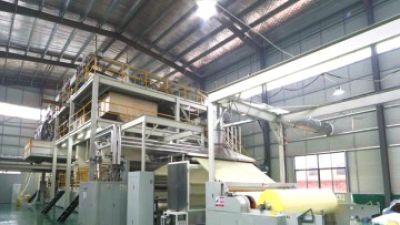
When you're picking out Spunbond Non Woven fabric in 2026, it’s really about more than just comparing prices per kilogram. The choice you make impacts a bunch of things—think filtration, hygiene, agriculture, packaging, and medical uses. According to Smithers, overall demand for Nonwovens is still on the up, mainly driven by hygiene products, construction materials, and lightweight tech applications. Meanwhile, Grand View Research highlights polypropylene spunbond fabrics as a big player because they’re strong, lightweight, and easy to produce at scale. But here’s the thing—market forecasts can vary a lot depending on how and where you look. No single report can tell you everything about what’s actually happening in every factory out there.
Honestly, a good starting point is looking at the basics like polymer grade, basis weight, web uniformity, tensile strength, elongation, air permeability, and hydrostatic resistance. For example, a 25 gsm fabric might be perfect for crop covers, but a sturdier 60 gsm version is probably better for things like packaging or furniture. Also, don’t forget to check the roll edges and wind tension—you’d be surprised how small defects can end up costing you big time during production. The machine you choose, like a Spunbond Non Woven Machine, has to match the resin type, die design, throughput, cooling, and bonding temp. The experts at INDA suggest focusing on consistent testing and specific performance criteria rather than just judging by how the fabric looks.
And let’s talk about sustainability—it's no longer enough to just say a fabric is sustainable. You really need to ask your suppliers about recycled content, energy used in manufacturing, traceability, and what happens at the end of the fabric’s life. Certifications can help show you’re on the right track, but don’t rely solely on them—independent testing remains key. A fabric that seems cheap might actually fail because of uneven bonding or inconsistent GSM. It’s easy to overlook this, but trust me, it happens. Moving into 2026, smart buyers will compare total costs, proven performance, and how consistent suppliers are across different lots. Keep in mind, some things won’t be crystal clear until you actually do factory trials—that’s totally normal. The best decisions come from real data, not just confident promises.
So, basically, take your time, do your homework, and don’t rush into the cheapest option blindly. Better to rely on thorough testing and actual results than just promises on paper.
What Is Spunbond Nonwoven Fabric and How Is It Made?
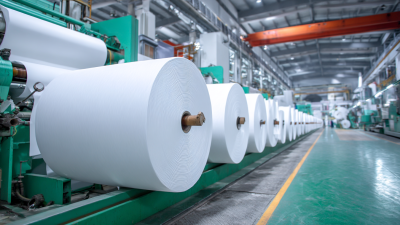
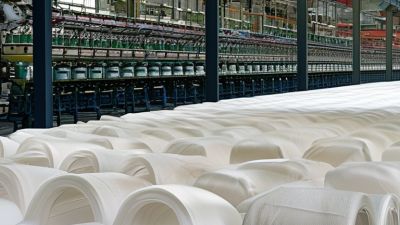
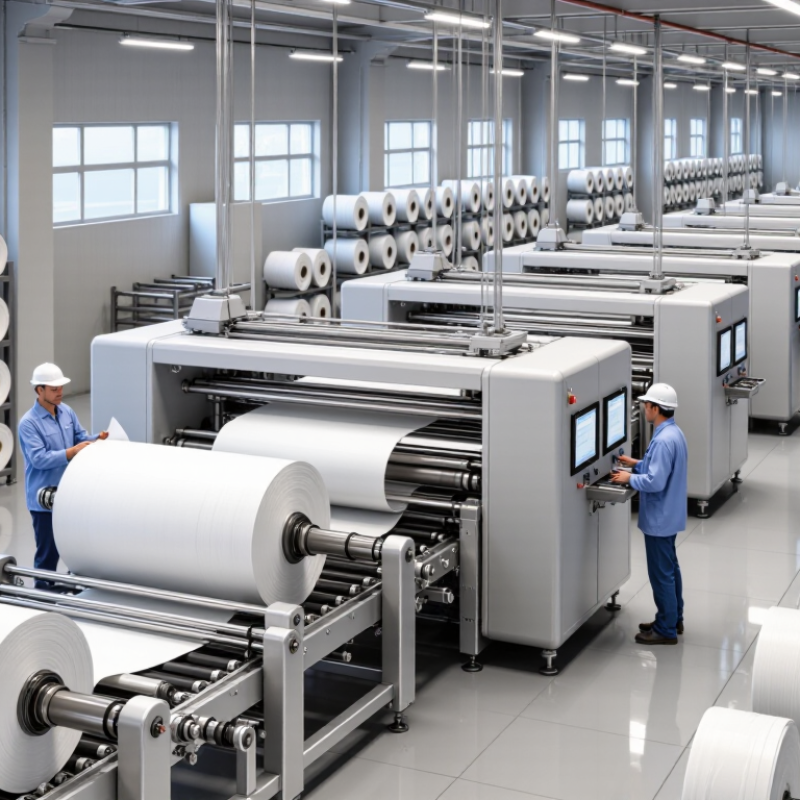
Spunbond nonwoven fabricis a sheet made without weaving or knitting. It starts with polymer pellets. The pellets melt inside an Extruder and pass through fine spinning holes. Continuous filaments fall onto a moving belt, forming a loose web. The web looks simple. Heat, pressure, or chemical bonding then locks the fibers together. Thermal bonding is common for clean, consistent production. It can create fabric for hygiene products, agricultural covers, packaging, and medical barriers when requirements are met.
During production, controlled airflow spreads filaments across the belt. This controls thickness and reduces weak spots. A heated calender presses the web between patterned rollers. The pattern changes softness, strength, and surface feel. A smoother finish may suit protective packaging. A softer finish may suit skin-contact applications. However, softness alone proves little. Check basis weight, tensile strength, elongation, pore structure, and roll uniformity. Ask for test data from controlled samples, not only photographs.
When evaluating Spunbond Non Woven Fabric Machinery, inspect extrusion stability, spinneret accuracy, drawing control, and bonding temperature. These details influence every meter. In practical trials, I watch the roll edge first. Curling edges can reveal uneven cooling or tension. I also rub a cut sample between gloved fingers. Excess lint may signal incomplete bonding, though one quick test cannot replace laboratory testing. I once focused too heavily on output speed and overlooked changeover waste. That mistake made the cheaper line less efficient. Compare energy use, maintenance access, spare-part availability, and process records before choosing fabric or equipment.
Which Raw Materials and Fiber Types Suit Your Application?
How to Choose Spunbond Non Woven Fabric in 2026?
Choosing spunbond fabric starts with the raw material, not the price. Polypropylene remains the common choice for lightweight hygiene, packaging, and agricultural covers. Smithers’ “The Future of Global Nonwovens to 2028” reports continued volume growth for spunbond and meltblown materials, driven by hygiene and medical applications. Polypropylene offers low density, chemical resistance, and efficient thermal bonding. It can also feel less breathable than expected.
Choose polyester when dimensional stability, abrasion resistance, or higher heat performance matters. It suits filtration support layers, durable covers, and industrial laminates. Viscose or other cellulose-based fibers can improve softness and moisture absorption. However, they may reduce wet strength and complicate drying. That trade-off is easy to miss.
A 2024 report from the European Disposables and Nonwovens Association indicates that hygiene and medical products remain major nonwoven demand segments, where softness, cleanliness, and consistent basis weight are closely controlled.
Fiber size changes performance too. Fine fibers create a softer surface and smaller pores. Coarser fibers improve stiffness and air passage. For filtration, test pore structure and pressure drop rather than trusting fiber labels alone. For agriculture, check ultraviolet resistance and tensile strength after exposure. I would request samples at the target grammage, then test them under real humidity and temperature conditions. Lab results alone can mislead. Also review recycled-content claims carefully; feedstock quality, color, odor, and certification evidence may vary between suppliers.
How Do Weight, Thickness, and Strength Affect Fabric Performance?
Choosing Spunbond Non Woven Fabric in 2026 requires more than comparing prices or roll appearance. Weight, thickness, and strength directly affect handling, protection, breathability, and production efficiency. In practical trials, a 17 gsm fabric felt light and flexible, but it tore easily around sharp package corners. A 40 gsm option offered better coverage and stiffness. It also consumed more material.
Weight is measured in grams per square meter. It influences opacity, cushioning, and resistance to punctures. Thickness affects volume and softness, but thickness alone can mislead. Two fabrics may have similar thickness while using different fiber bonding methods. Check tensile strength in both machine and cross directions. Tear resistance matters when workers pull, fold, or seal the material repeatedly. Small differences become obvious during high-speed production.
Strength is not always the highest priority. Medical covers may require clean handling and controlled air permeability, while agricultural fabric may need sunlight resistance and stable dimensions. When selecting a Spunbond Non Woven Fabric Machine, match its output range with the target weight and fiber type. Uneven bonding can create weak lines across the roll. I have seen attractive samples fail after humidity exposure. That mistake changed our testing process. Test actual rolls, not only small samples. Ask for data, but verify it under your operating temperature, tension, and storage conditions. Some specifications still leave important questions unanswered.
How Should You Match Fabric Properties to End-Use Requirements?
How to Choose Spunbond Non Woven Fabric in 2026?
Choosing Spunbond Non Woven Fabric starts with the final use, not the fabric’s appearance. A soft hygiene layer needs low basis weight, gentle touch, and controlled air permeability. A carrier bag requires higher tensile strength, tear resistance, and suitable elongation. For crop covers, check sunlight exposure, moisture resistance, and service life. A heavier fabric is not automatically better.
Match each property with a measurable demand. Packaging may need 60–100 gsm and strong seam performance. Medical applications require consistent structure, clean production, and verified barrier performance. Furniture backing often needs stiffness and stable bonding during cutting. Ask for test data covering weight, tensile strength, hydrostatic pressure, and air permeability. Then compare results under realistic conditions, including humidity and repeated handling.
A sample can look perfect yet fail during production. This is easy to underestimate. In practical trials, weak edges, uneven bonding, or excessive shrinkage may appear after heat treatment. I would test the fabric with the actual adhesive, machine speed, and storage conditions. Independent laboratory results improve confidence, but they should match the intended market requirements. Sometimes the best choice is a slightly lighter fabric with better processing stability. That trade-off deserves careful review.
Which Surface Treatments and Functional Additives Are Necessary?
Choosing spunbond nonwoven fabric in 2026 requires more than checking weight, color, and tensile strength. Surface treatment and functional additives often determine whether a roll survives real production. Smithers’ The Future of Nonwovens to 2028 reports continued growth in hygiene, filtration, medical, and construction applications. These sectors demand different surface performance.
For absorbent hygiene layers, a hydrophilic finish helps water spread quickly instead of forming beads.
For roofing or protective covers, a hydrophobic treatment is more suitable. Corona or plasma treatment can improve ink adhesion, but excessive treatment may weaken the web.
Test contact angle, surface tension, and aging after storage. Small details matter.
Antistatic additives reduce dust attraction during converting and packaging. UV stabilizers are valuable for outdoor fabrics, especially where sunlight exposure exceeds several months. Flame-retardant additives may support construction applications, but their performance must match the final product standard. Antimicrobial additives should not be selected by marketing claims alone. Verify migration, durability, and required testing.
According to Grand View Research, global nonwoven demand is expanding through healthcare, filtration, and infrastructure uses. That growth makes additive selection more application-specific. A 2024 EDANA market review also shows hygiene remains a major nonwoven sector, where softness, liquid management, and skin-contact safety compete.
The cheapest additive package may create odor, stiffness, or recycling problems. I have found that suppliers sometimes overstate treatment durability. Recheck results after heat, washing, humidity, and six-month storage. One laboratory result is not enough.
How Can You Evaluate Quality, Compliance, Cost, and Sustainability?
Choosing Spunbond Non Woven fabric in 2026 requires more than touching a smooth sample. I check basis weight, thickness, tensile strength, tear resistance, air permeability, and hydrostatic pressure. ISO 9073 test methods help standardize these measurements. A 25 gsm roll may look acceptable, yet fail during cutting or sealing. Ask for results from the actual production lot, not only a laboratory sample. Keep the batch number.
Compliance needs equal attention. Confirm fiber composition, restricted substances, colorants, and process chemicals through current supplier declarations and independent testing. Destination-market rules may include REACH requirements, depending on use and location. Certificates alone are not enough. Check their scope, expiry date, laboratory identity, and chain of custody. I have seen impressive documents hide weak traceability.
Cost should include waste, transport, conversion speed, and replacement risk. A cheaper fabric can become expensive after uneven winding or unstable width. Sustainability claims need measurable evidence. Textile Exchange reported global fiber production at about 124 million tonnes in 2023, with growth projected toward 160 million tonnes by 2030. That pressure makes recycled content, renewable feedstock, energy use, and end-of-life design important evaluation points. Request recycled-content verification, an LCA or EPD where available, and production energy data. However, recycled content does not automatically mean lower impact. A perfect checklist is still imperfect. Pilot testing remains essential. Slice several rolls, run the material through real equipment, and record defects per thousand meters.
How to Choose Spunbond Non Woven Fabric in 2026?
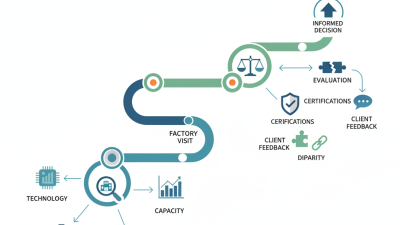
Recommended Evaluation Weighting: Quality, Compliance, Cost, and Sustainability
This purchasing model assigns the highest weight to technical quality and regulatory compliance because basis weight, tensile strength, uniformity, and applicable chemical or product-safety requirements directly affect performance and market access.
Verify basis weight and mechanical properties using relevant ISO 9073 methods, confirm chemical compliance under applicable regulations such as REACH, and request documented recycled-content or life-cycle evidence before awarding the highest sustainability score.
PP Spunbond Nonwoven Production Line: Market Insights from Smithers and Grand View Research Reports
The PP spunbond nonwoven market continues to attract investment as demand grows in hygiene products, medical supplies, agriculture, filtration, furniture, and packaging applications. Industry research indicates that manufacturers are increasingly focusing on production flexibility, energy efficiency, consistent fabric quality, and faster line changes. Demand is also expanding for multilayer structures that combine strength, softness, barrier performance, and breathability. These trends are encouraging producers to upgrade from basic single-beam equipment to advanced configurations capable of serving diverse end-use requirements.
A reliable production solution should support S, SS, SSS, SMS, SMMS, and SSMMS technologies, allowing manufacturers to produce both spunbond and meltblown nonwoven fabrics on one integrated platform. Modern lines can be designed with automatic control systems, precise web forming, stable basis-weight distribution, and efficient energy management to improve productivity and reduce material waste. A professional Chinese machinery manufacturer can provide complete turnkey services, including process planning, equipment manufacturing, installation, commissioning, operator training, and technical support. This approach helps new and established producers build scalable facilities that respond efficiently to changing market needs.
FAQS
Start with the product’s job, not its appearance. Hygiene layers need softness, low weight, and controlled air permeability. Bags need tensile strength, tear resistance, and suitable elongation. Heavier is not always better.
Many packaging products use about 60–100 gsm fabric. Check tensile strength and seam performance too. A strong roll can still fail at the stitched edge.
Request basis weight, tensile strength, hydrostatic pressure, and air permeability data. Test samples under humidity and repeated handling. One laboratory result is not enough.
Heat treatment may reveal shrinkage, weak edges, or uneven bonding. Test the fabric with the real adhesive and machine speed. Appearance can mislead.
It helps liquid spread across absorbent hygiene layers. Droplets should spread instead of forming beads. Check liquid handling after storage and heat exposure.
Use it for protective covers and roofing-related materials. It helps resist moisture penetration. Test water behavior after outdoor exposure.
Antistatic additives can reduce dust attraction during converting. UV stabilizers help fabrics exposed to strong sunlight. Flame-resistant additives require standard-based testing. Claims need verification.
Corona or plasma treatment can improve ink adhesion and surface energy. Excessive treatment may weaken the web. Check contact angle, surface tension, and aging results.
It may cause odor, stiffness, or recycling difficulties. Durability can decline after washing, humidity, heat, or storage. I would recheck results after six months.
Conclusion
Choosing Spunbond Non Woven fabric in 2026 requires more than comparing price and appearance. This guide explains how spunbond fabric is produced by extruding, stretching, and bonding continuous fibers into a uniform web. It also examines how raw materials and fiber types, such as different polymer options and composite structures, should be selected according to application needs. Fabric weight, thickness, tensile strength, elongation, softness, air permeability, and tear resistance all influence performance, handling, and service life.
The article further shows how to match fabric properties with end-use requirements, including filtration, packaging, hygiene, agriculture, construction, and protective applications. Surface treatments and functional additives may provide water repellency, antistatic behavior, flame resistance, color stability, or improved bonding. Finally, buyers should evaluate quality consistency, testing data, regulatory compliance, production reliability, total cost, recyclability, and overall environmental impact to make a practical and sustainable purchasing decision.