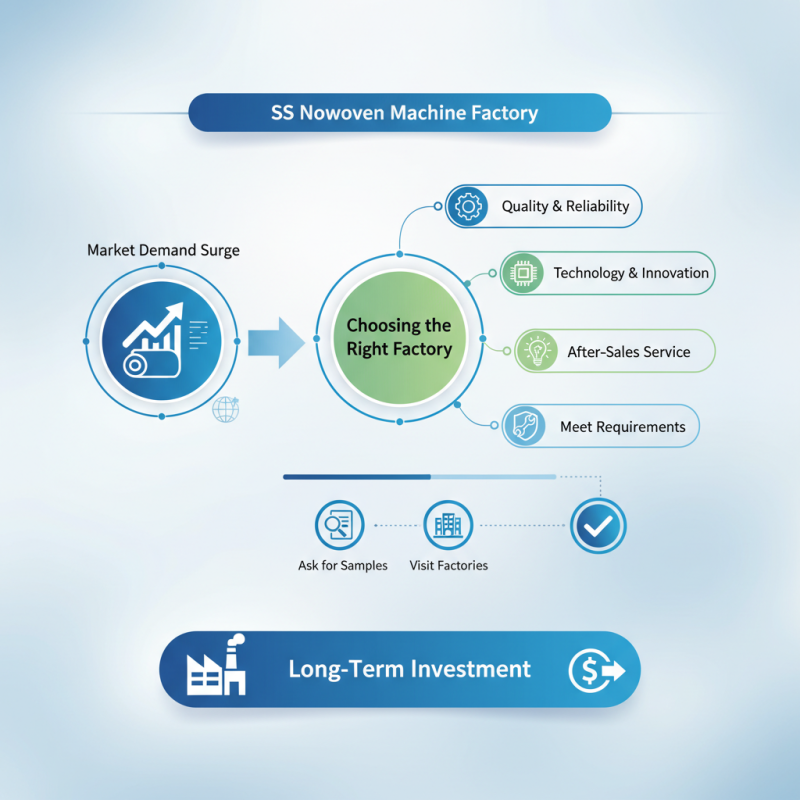
Lately, we've been seeing a real jump in demand for SS Nonwoven Machines. According to Market Research Future, the global market for Nonwoven Fabrics is expected to hit around USD 45 billion by 2026, which is pretty impressive. This rapid growth really underscores how crucial it is to pick the right SS Nonwoven Machine factory that fits your particular needs. Experts like Dr. Michael Chen often remind us, 'Choosing the right machinery can make a big difference in how efficiently you produce and the quality of your products.'
When it comes to selecting a factory, there’s a lot to think about. You’ll want to consider factors like quality, the technology they use, and their after-sales support. Sure, lots of factories claim to have the best machines, but not all of them actually deliver on that promise. Dr. Chen also points out, 'You’ve got to dig deeper — understanding what’s under the hood of these machines is pretty important.'
And, yeah, the process isn’t without its hurdles. It's a smart move to ask for samples and go visit the factories in person if you can. Finding a place that combines innovation with reliability is key. Remember, investing in an SS Nonwoven Machine isn’t just a quick decision — it’s an investment that could impact your business for years. So, take your time and choose wisely, okay?
Understanding the Basics of Nonwoven Machines in China
When exploring nonwoven machines in China, it's crucial to grasp their fundamentals. Nonwoven fabrics are produced by bonding fibers together through mechanical, thermal, or chemical means. This process eliminates the need for weaving or knitting, making production faster and often more cost-effective. Many factories offer various types of machines designed for specific applications, so it's essential to understand what you need.
Different nonwoven machines serve various industries. Some are ideal for producing hygiene products, while others focus on construction materials or medical applications. Consider the machine's output capacity, speed, and versatility. Each factory may use different technologies, and this can affect your final product. Often, buyers overlook these details, which can lead to dissatisfaction later.
Choosing the right factory requires careful research. Visit the facilities if possible. Check their quality control processes and machinery efficiency. It’s important to ask for samples of their products. Not all manufacturers maintain the same level of quality. A factory's reputation may not always reflect its capabilities. Investing time in understanding these basics will help you make a more informed choice.
Identifying Key Specifications for Your Nonwoven Machine Needs
When selecting a nonwoven machine, identifying key specifications is crucial. Focus on production capacity, which often varies between 100 to 500 kilograms per hour. This range should align with your production goals. If your operations demand high output, machines with higher capacities are essential. Research shows that efficiency improves with advanced technology.
Material compatibility is another key aspect. Nonwoven production can involve various materials, like polypropylene and polyester. Ensure the machine can process the types of materials you need. Industry reports indicate that many manufacturers face issues when materials aren’t compatible. This can lead to increased downtime, impacting productivity.
Another consideration is the machine’s capability for customization. A nonwoven machine should adapt to changing market demands. A report from a leading industry analyst emphasizes that flexibility in design can significantly enhance production versatility. This feature often separates successful factories from those that struggle. It’s vital to assess how a machine can evolve with your needs.
Evaluating the Reputation of China SS Nonwoven Machine Factories
When selecting a China SS Nonwoven Machine factory, reputation is crucial. A factory's track record often reflects its reliability and product quality. Research suggests that 70% of partnerships fail due to poor supplier selection. Therefore, assessing a factory's credibility can save you time and resources.
Look for customer reviews and performance metrics. Reports indicate that companies working with reputable factories see a 30% increase in production efficiency. This efficiency often stems from higher-quality machinery and fewer defects. Websites and forums can provide valuable insights into a factory’s standing in the industry. Engage with other purchasers to learn from their experiences.
Additionally, factory certifications can be helpful indicators. For example, ISO certifications often signify adherence to global quality standards. However, not all certified factories deliver high performance. Some may prioritize paperwork over actual quality. In this dynamic industry, continuous evaluation is vital to ensure you're making informed decisions.
Evaluation of China SS Nonwoven Machine Factories
Comparing Manufacturing Capabilities and Technologies
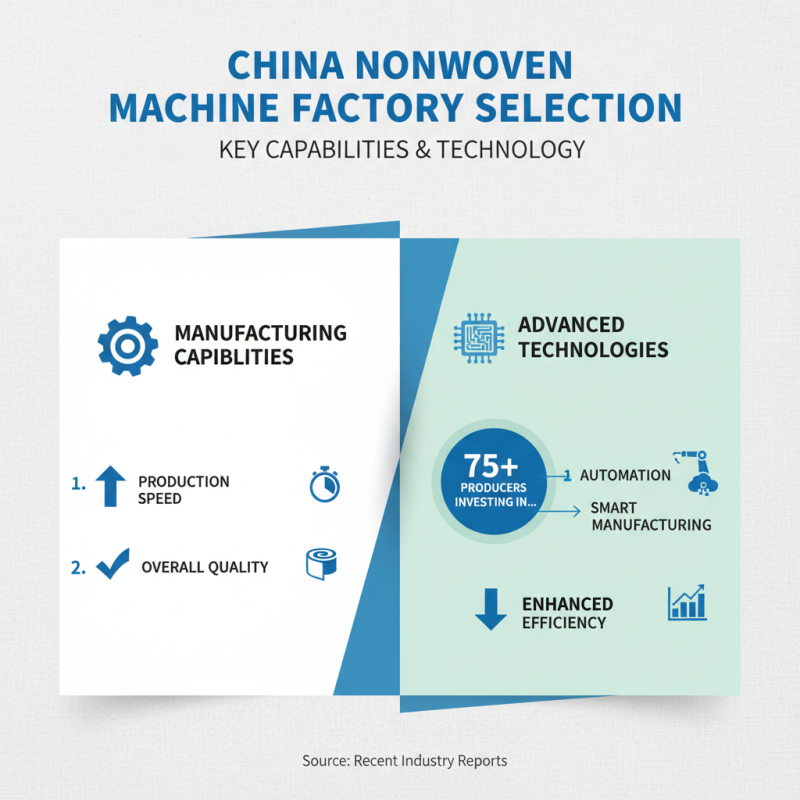
When selecting a nonwoven machine factory in China, understanding manufacturing capabilities and technologies is crucial. According to recent industry reports, over 75% of nonwoven producers are investing in advanced technologies. This includes automation and smart manufacturing techniques to enhance efficiency. These innovations can significantly affect production speed and overall quality.
Evaluating factory capabilities should involve a close look at production capacity and machinery specifications. Not all factories maintain the same output levels. Some can produce thousands of meters daily, while others may struggle to reach half that. Equipment age also plays a pivotal role. Many factories still operate with outdated machines, resulting in higher defect rates and inefficiencies. A report from Global Nonwovens Market indicates that 15% of manufacturing facilities need to upgrade their equipment urgently.
Choosing the right factory means considering both the technology used and the reliability of the manufacturing process. Some manufacturers may boast impressive capacities but lack quality consistency. It is vital to ask for performance data and samples. Inspecting a factory's production line can reveal hidden issues. Many companies face challenges such as unpredictable downtimes. Each choice has implications for your product quality.
Assessing Quality Assurance and Compliance Standards
When choosing a China SS nonwoven machine factory, quality assurance is crucial. According to industry reports, about 70% of machinery failures are due to poor quality standards. Many factories claim high production rates, but the reality can be different. Compliance with international standards, such as ISO 9001, is often overlooked. Buyers must ask for certifications and inspect equipment closely.
Evaluating compliance standards is also essential. Recent data shows that factories lacking proper certifications often deliver subpar machines. It is shocking that nearly 40% do not meet the required safety regulations. Ask for testing results of their Ss Nonwoven Fabric Machines. Verify if they conduct regular internal audits to ensure product quality.
Quality can vary significantly among suppliers. Some factories present impressive statistics but don’t follow through. Ensure you assess their previous client feedback. This can reveal hidden flaws in machine performance or reliability issues. The relationship between quality assurance and operational efficiency is evident. Investing time upfront can save costs later. Careful evaluation of these factors will lead to better choices for your production needs.
Analyzing Pricing Structures and Payment Terms
When selecting a factory for a Spunmelt Nonwoven Machine, pricing structures are key. It’s crucial to know the industry benchmarks. A recent report indicated that sourcing costs can vary by 15-30% depending on factors like machine specs and production capacity. Understanding these costs helps in evaluating different suppliers effectively.
Payment terms are another essential aspect. Many manufacturers offer flexible options, from upfront payments to installments. However, longer payment terms can sometimes lead to hidden costs. An industry survey found that about 25% of buyers reported unexpected fees related to financing. This can complicate budgeting and affect cash flow.
Take note of warranty terms as well. They can influence long-term operational costs. A good warranty minimizes repair expenses. Yet, discerning the nuances in what’s covered can be challenging. It's vital to scrutinize warranty documents closely to avoid future frustration. The details matter significantly in the overall cost analysis.
Exploring After-Sales Support and Maintenance Services
When selecting a China SS nonwoven machine factory, after-sales support is crucial. Quality service can make a big difference in your operational efficiency. Ensure you ask about the technical support they provide. A lack of clear communication can lead to misunderstandings later. Regular maintenance is key to the longevity of your Spunbonding Nonwoven Machine.
Tips: Establish a good line of communication with the service team. Regular updates can help you stay informed about potential issues.
Also, check if they offer on-site support. Some factories may only provide phone or email assistance. Hands-on help can save time and costs. Reflect on your operational needs. Consider if quick access to parts is available within your area. This can be a deciding factor when choosing your machine supplier.
Tips: Insist on a trial period. Early use can reveal gaps in service. Addressing these before making a commitment can help ensure a smooth operation.
Maximizing Efficiency and Sustainability: The Role of Spunbond Non Woven Fabric Machines in Modern Production
In today's fast-paced manufacturing landscape, maximizing efficiency and sustainability is paramount. One of the key players in achieving this is the use of spunbond non-woven fabric machines, which are at the forefront of modern production techniques. These machines are designed to create high-quality non-woven fabrics from materials such as polypropylene (PP), polyethylene terephthalate (PET), and polylactic acid (PLA). The versatility and performance of these machines enable manufacturers to meet diverse industry needs, from medical supplies to disposable textiles.
The production processes that involve spunbond technology offer significant advantages in terms of resource efficiency. By converting raw materials directly into usable fabrics, manufacturers can minimize waste and energy consumption. Furthermore, advancements in machine design have enhanced the speed and consistency of production, allowing companies to respond swiftly to market demands while maintaining low environmental footprints. Embracing such innovative machinery not only promotes operational efficiency but also aligns with the growing emphasis on sustainability in manufacturing practices. This is crucial as industries worldwide strive to reduce their ecological impact while fulfilling consumer expectations for high-quality, environmentally friendly products.
FAQS
: Focus on manufacturing capabilities and advanced technologies used.
Advanced technologies enhance efficiency and improve production speed.
Look at machinery specifications and daily output levels.
It often results in higher defect rates and inefficiencies.
Poor quality standards can lead to a high rate of machinery failures.
Ask for certifications and test results, and inspect their equipment closely.
Nearly 40% of factories do not meet the required safety regulations.
It reveals potential issues in machine performance and reliability.
Yes, it can save costs and lead to better production choices.
Unpredictable downtimes and quality inconsistencies may be revealed.
Conclusion
Choosing the right SS Nonwoven Machine for your production needs in China involves a comprehensive understanding of various factors. It begins with grasping the fundamentals of nonwoven machines and identifying key specifications specific to your requirements. Evaluating the reputation of potential factories is crucial, as it provides insights into their reliability and quality of production.
Moreover, comparing manufacturing capabilities and technologies can reveal which factory aligns best with your needs. Quality assurance and compliance with standards should be prioritized to ensure the durability and effectiveness of the machines. Additionally, analyzing pricing structures and payment terms will help you make an informed financial decision. Finally, consider the after-sales support and maintenance services offered, as these are vital for the long-term performance of your SS Nonwoven Machine.