Picking the right supplier for a Spunbonding Nonwoven Machine can definitely feel a bit overwhelming. There are so many factors to consider, it’s easy to get lost in the details. First off, look for suppliers that have solid certifications like ISO and CE—they usually say a lot about their commitment to quality.
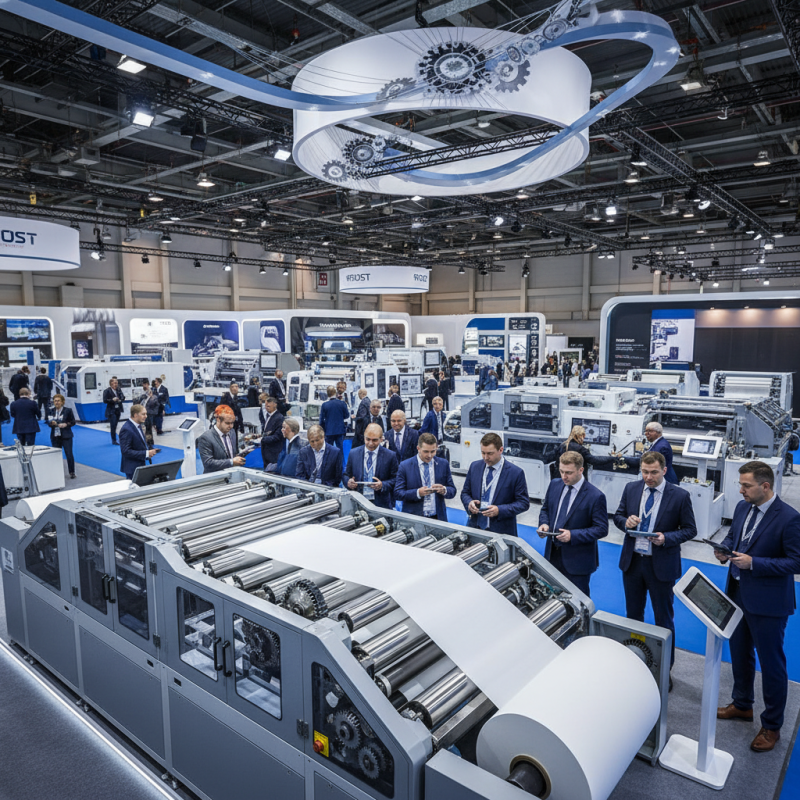
And hey, don't forget about trade shows like the Canton Fair! Especially with 2026 in the mix, these events are a goldmine for discovering the latest tech and innovative materials. Plus, they’re making it easier with AI tools that help you find the right suppliers faster and navigate those huge booths like a pro.
Oh, and don’t overlook the smaller suppliers either—I’ve found they often offer more personalized service and some pretty unique solutions. It’s all about really thinking through what you need and checking if the supplier can deliver on those points. Clear communication is key, so make sure you evaluate their customer support too. Ultimately, choosing a supplier that really clicks with your company’s goals makes all the difference in the long run.
Understanding Spunbonding Nonwoven Technology
Spunbonding Nonwoven technology plays a significant role in various industries. This process involves using heat and mechanical pressure to bond fibers, creating high-strength, lightweight materials. These materials are widely used in medical supplies, hygiene products, and geotextiles. The versatility and efficiency of spunbonding make it a preferred choice for manufacturers.
Understanding this technology requires examining its components. The key elements include fiber production, bonding methods, and finishing techniques. Each of these steps impacts the final product's quality. For instance, variations in fiber types can lead to different properties. Not all suppliers will use the same materials or processes. It's essential to reflect on what features are most critical for your applications.
The need for sustainable practices in spunbonding is growing. Eco-friendly materials are increasingly demanded by consumers. Suppliers must adapt to this trend. However, not all manufacturers prioritize sustainability. Some may still rely on conventional methods that are less environmentally friendly. Evaluating a supplier's commitment to green practices is crucial for long-term partnerships.
Key Features to Look for in Nonwoven Machines
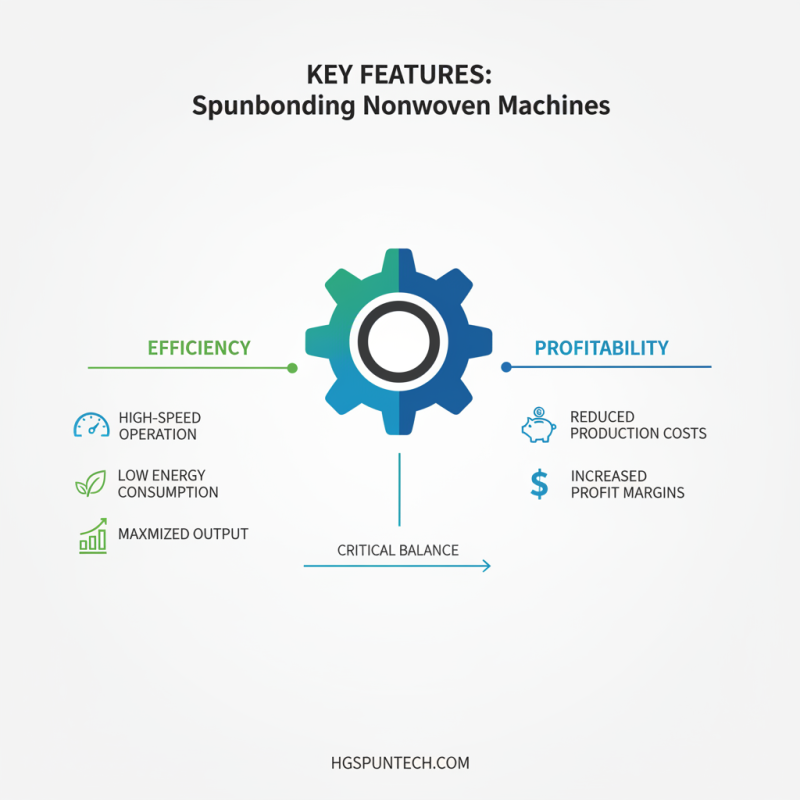
When choosing a China Spunbonding Nonwoven Machine, consider key features that define performance. One important aspect is efficiency. A machine that maximizes output can help reduce production costs. Look for machines with high-speed operation and low energy consumption. This balance is critical for profitability.
Quality is another crucial feature. Machines should produce consistent fabric quality. Irregularities can lead to product rejections and waste. Ensure that the machine has advanced technology for even fiber distribution. This technology enhances product durability and usability.
Tips: Always ask for samples of the output. Compare different machines based on sample quality. Don't hesitate to seek feedback from current users. Their insights can guide your decision. Additionally, consider after-sales support. A company that provides training and maintenance may save you future headaches. Remember, investing in the right China Spunbonding Nonwoven Machine pays off over time.
Evaluating Supplier Experience and Reputation
When evaluating suppliers for spunbonding nonwoven machines, experience matters greatly. A supplier's history can reveal their stability. Look for companies with at least five years in the industry. This shows they have weathered market changes. A lengthy presence often indicates reliability and knowledge.
Reputation acts as a strong indicator of quality. Check online reviews and customer feedback for insights. An ideal supplier maintains positive relationships. Look for testimonials from actual users. High satisfaction rates often signal consistent product quality. Remember, every supplier has strengths and weaknesses. Investigate both sides thoroughly before making a decision.
Consider asking for references. Speak to other manufacturers who have used the machines. Their firsthand experience can provide valuable guidance. Engage in conversations about performance and support. It’s crucial to ensure your chosen supplier aligns with your specific needs. This process requires careful thought to avoid costly mistakes.
Assessing Machine Quality and Performance Standards
When selecting China spunbonding nonwoven machine suppliers, machine quality is vital. Look for suppliers that adhere to strict performance standards. This ensures the machines operate efficiently. Efficient machines reduce waste and save production costs. Machine durability is also important. A robust machine should withstand continuous operation without frequent breakdowns.
Inspect the specifications of the machines offered. Pay attention to the technology used in production. Advanced technology often results in higher quality output. Check user reviews and testimonials where available. These insights can reveal real performance. Consider inspections and factory visits too. They provide tangible evidence of machine capabilities.
Sometimes, suppliers may overstate their machines' performance. It's essential to confirm claims through independent sources. Not all machines meet your specific needs. Take time to assess the production requirements of your business. This reflection can lead to a more informed decision. Ultimately, quality and performance should never be compromised for cost.
How to Choose the Best China Spunbonding Nonwoven Machine Suppliers? - Assessing Machine Quality and Performance Standards
| Supplier Type | Machine Quality Rating | Performance Standards | After-sales Support | Price Range (USD) |
| Local Manufacturer | 8.5/10 | ISO 9001 Certified | 24/7 Support | 50,000 - 100,000 |
| International Supplier | 9.0/10 | CE Marking & UL Listed | 1 Year Warranty | 70,000 - 120,000 |
| Small Scale Producer | 7.0/10 | Standard Compliance | Limited Support | 30,000 - 50,000 |
| Established Brand | 9.5/10 | Industry Standards | Comprehensive Support | 100,000 - 200,000 |
Comparing Pricing and Option Packages
When selecting a Spunbonding Nonwoven Machine Supplier, pricing is crucial. Different suppliers offer various pricing models. Some may provide a lower initial cost but lack critical features. Others might have higher prices but include maintenance and training. Understanding these packages can help in determining true value.
It’s helpful to compare prices not just on quotes, but also on included options. Does the supplier offer warranties? What about customer support? These factors can impact your long-term costs. Sometimes, a lower price means sacrifices in quality or service. Keep an eye out for hidden fees too.
**Tips:** Always ask for a detailed breakdown of costs. This can reveal unexpected charges. Look for reviews on customer service experiences. A reliable supplier will have positive feedback about their support. Don’t hesitate to inquire directly about training and installation services.
Exploring Customer Support and After-Sales Services
When choosing a Spunbonding Nonwoven Machine Manufacturer, customer support is crucial. A reliable supplier offers extensive assistance throughout the buying process. This includes pre-sale consultations, installation guidance, and training for machine operation. According to recent industry reports, 70% of companies emphasize support quality when selecting a supplier. This highlights the need for strong customer service relationships.
After-sales services are equally important. Manufacturers providing ongoing maintenance plans can significantly reduce downtime for production lines. Data shows that 60% of manufacturing disruptions stem from improper maintenance. Effective after-sales support should include regular check-ins and quick response times. A supplier's commitment to after-sales service reflects their reliability and investment in long-term partnerships.
Assessing these services might seem straightforward, but it often reveals gaps. Some suppliers promise extensive support but fail to deliver. Customers may encounter long response times or insufficient training. Prospective buyers must verify these claims. Engaging with current users of the machine can provide valuable insights. This can help ensure the chosen Spunbonding Nonwoven Machine Manufacturer aligns with production needs and values effective customer relationships.
Researching Supplier Certifications and Compliance Standards
Selecting reliable suppliers for China spunbonding nonwoven machines can be complex. One crucial factor is assessing supplier certifications and compliance standards. These certifications often reflect the supplier's commitment to quality and safety practices. For instance, the ISO 9001 certification indicates a quality management system that meets international standards. According to industry reports, over 70% of leading suppliers in the nonwoven sector hold such certifications.
Compliance with environmental regulations is equally essential. Suppliers should adhere to standards such as REACH and RoHS, ensuring their products are safe for use and free from harmful substances. A study published by the Nonwovens Industry Association noted that compliance with these regulations can enhance market access and improve customer trust. However, not all suppliers maintain high compliance levels. This inconsistency can reflect poorly on buyers who may be unaware of the risks involved in sourcing from such suppliers.
Beyond certifications, evaluate the supplier's track record. Review case studies and seek references from other clients. Transparency regarding compliance can reveal weaknesses. While many suppliers promise quality, some may fall short in practice. Engaging with a reputable Spunbonding Nonwoven Machine Factory can mitigate these challenges. Prioritize partners who demonstrate a clear commitment to sustainability and quality through documented practices.
Supplier Certifications and Compliance Standards for Spunbonding Nonwoven Machines
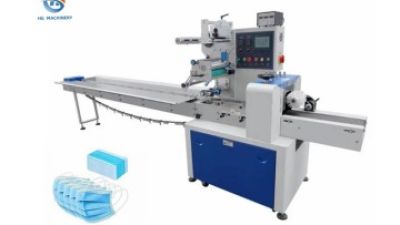
Comprehensive Guide to Choosing the Right Flow Packing Machine for Efficient Face Mask Packaging
When selecting the right flow packing machine for efficient face mask packaging, it's crucial to understand the unique requirements of your operation. Flow packing machines, or horizontal flow wrappers, are designed to provide high-speed, reliable packaging solutions. They excel in wrapping products in a continuous plastic film, making them ideal for various industries, especially for face masks in today's market. These machines can package either individual masks or multiple masks per bag, allowing businesses to tailor their packaging line to meet customer demands.
Efficiency and customization are key advantages of using flow packing machines for face masks. Manufacturers can adjust the machine settings to accommodate different sizes and types of packaging, ensuring flexibility in production. Moreover, the speed of these machines helps in maintaining a brisk output, which is vital for meeting high demand. With their ability to streamline the packaging process, flow packing machines not only enhance productivity but also help maintain the hygiene standards essential for medical products like face masks. Investing in a suitable flow packing machine can significantly boost your packaging efficiency and ultimately contribute to your business's success in the competitive market.
FAQS
: It is a process that uses heat and mechanical pressure to bond fibers, making durable materials.
These materials are used in medical supplies, hygiene products, and geotextiles due to their strength.
High-quality machines ensure efficiency, reduce waste, and save production costs in the manufacturing process.
Review machine specifications, user testimonials, and consider factory visits for direct evidence of capabilities.
Certifications like ISO 9001 reflect a supplier's commitment to quality, safety, and compliance practices.
Yes, adherence to regulations like REACH and RoHS enhances product safety and builds customer trust.
Review their compliance with eco-friendly practices and seek transparency regarding their operational methods.
Confirm claims through independent sources and evaluate how the machine meets your specific needs.
Some manufacturers still rely on conventional methods, impacting the environment negatively.
It can reflect poorly on your business due to potential risks and non-compliance with safety standards.
Conclusion
When selecting the best Spunbonding Nonwoven Machine suppliers, it's crucial to first understand the underlying technology. A thorough grasp of spunbonding nonwoven processes will help in identifying key features to seek in nonwoven machines, such as production efficiency, material compatibility, and customization options. Evaluating the experience and reputation of suppliers is equally important, as a well-established provider often indicates reliability and quality.
Additionally, assessing machine quality and performance standards can ensure that the chosen solution meets production needs. Price comparison and option packages should also be part of the decision-making process to find the best value. Finally, don’t overlook the importance of customer support and after-sales services, as these can significantly impact long-term satisfaction. Researching supplier certifications and compliance standards guarantees that the machines adhere to industry regulations, fostering trust in your investment.