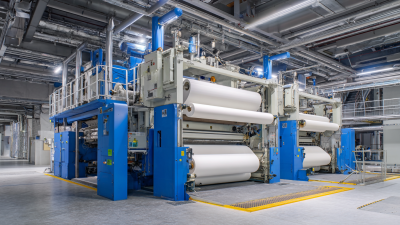
Lately, there's been a huge boost in demand for Non-Woven Fabrics across pretty much all kinds of industries—think healthcare, automotive, and even home textiles. The main reason? These materials are just packed with advantages like durability, affordability, and versatility. I read somewhere that by 2026, the global market for non-woven fabrics is expected to hit around 50 billion USD, growing about 8.2% annually from 2021 onward (thanks to a report by MarketsandMarkets). All this really highlights how important it is for manufacturers to find smarter, more efficient ways to produce these fabrics. That’s where the Spunbonded Non-Woven Machine really comes into play—it’s a game-changer for boosting production while keeping quality high.
What’s cool about the Spunbonded Non-Woven Machine? Well, it can churn out large amounts of high-quality fabric with hardly any waste. Its technology allows for continuous production, which not only speeds things up but also helps cut down labor costs and operational expenses. According to a study by Smithers Pira, spunbonded techniques are set to dominate in this space because they’re not just efficient—they’re also more eco-friendly. With more companies really trying to stick to sustainable practices these days, investing in a machine like this isn’t just smart, it aligns with the future of eco-conscious manufacturing.
All in all, choosing to invest in a Spunbonded Non-Woven Machine is more than just a business decision—it's a smart move that could really push your manufacturing capabilities forward. As industries keep pushing to improve their processes and meet the rising demands of consumers, understanding these machines and what they bring to the table is key for staying competitive in this rapidly growing market.
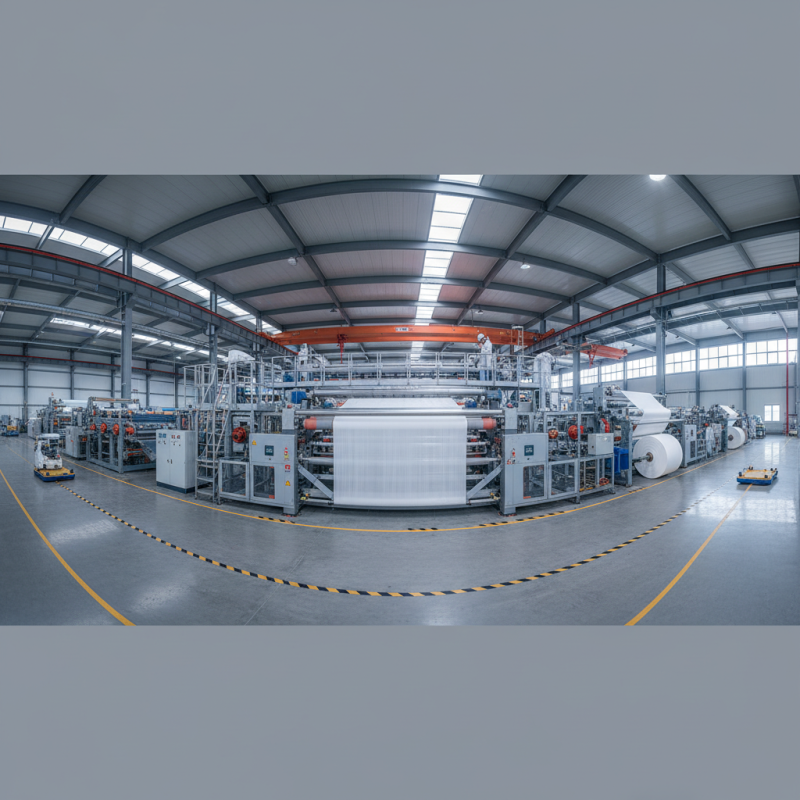
Benefits of Spunbonded Non-Woven Machines in Manufacturing Processes
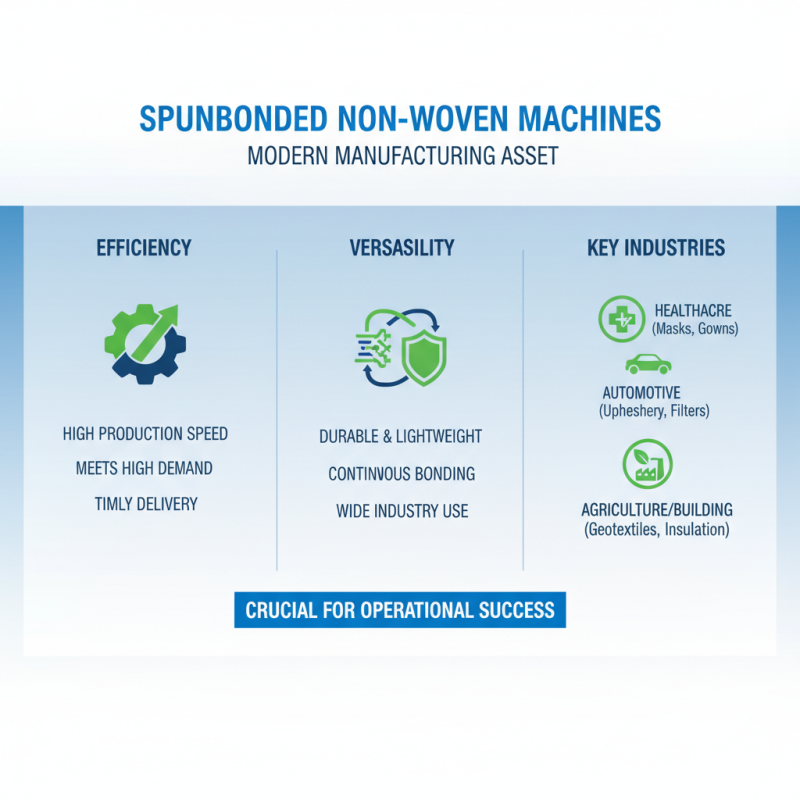
Spunbonded non-woven machines have become a pivotal asset in modern manufacturing processes, primarily due to their efficiency and versatility. These machines produce fabrics by a method that involves the continuous bonding of fibers, which results in durable and lightweight materials. The production speed of spunbonded machines allows manufacturers to meet high demand without compromising on quality. This efficiency is crucial in industries ranging from healthcare to automotive, where timely delivery of materials can significantly impact operational success.
One of the primary benefits of using spunbonded non-woven machines lies in their reduced waste. Unlike traditional fabric manufacturing processes that can generate substantial off-cuts and scraps, spunbonded technology minimizes waste by creating full-width fabrics from continuous filaments. This not only enhances sustainability but also lowers costs, making it a smart choice for businesses striving to balance profitability with environmental responsibility.
Tips for operators include maintaining regular machine checks to ensure optimal performance and investing in quality raw materials to achieve the best results. Additionally, operators should closely monitor production parameters like temperature and speed, as small adjustments can significantly impact the final product's quality. By prioritizing these aspects, manufacturers can leverage spunbonded non-woven machines to their fullest potential, ensuring efficient and effective production processes.
Comparison of Spunbonded Non-Woven vs. Traditional Fabric Production Methods
In the world of manufacturing, the choice between spunbonded non-woven fabrics and traditional fabric production methods has significant implications for efficiency and sustainability. Spunbonded non-woven machines have emerged as a leading technology, producing fabrics that exhibit high strength, durability, and versatility. Unlike traditional methods that typically involve weaving or knitting, spunbonded processes eliminate the need for a secondary bonding step, thereby streamlining production and reducing energy consumption. According to a report by Smithers Pira, the global non-woven fabric market is projected to reach $50 billion by 2025, driven by the increasing demand for eco-friendly products in industries such as hygiene, medical, and geotextiles.
One of the primary advantages of spunbonded non-woven production is its inherent efficiency. Whereas traditional fabric methods often require complex machinery and extensive labor, spunbonded systems operate at high speeds and use less raw material. For example, the production rate of spunbonded fabrics can reach up to 600 meters per minute, compared to just 100 meters per minute for woven fabrics. This not only boosts output but also significantly lowers production costs, allowing manufacturers to better respond to market demands.
Tips: Embrace automation in your spunbonded production line to enhance efficiency and reduce labor costs. Additionally, consider investing in sustainable raw materials, as consumer preference increasingly leans toward environmentally friendly options. By integrating these practices, manufacturers can position themselves favorably within the competitive landscape.
Why Choose a Spunbonded Non-Woven Machine for Efficient Production - Comparison of Spunbonded Non-Woven vs. Traditional Fabric Production Methods
| Feature | Spunbonded Non-Woven | Traditional Fabric Production |
| Production Speed | High (100-200 m/min) | Medium (30-80 m/min) |
| Material Usage | Polypropylene (PP) primarily | Cotton, Polyester, Blends |
| Cost Efficiency | Lower operational cost | Higher due to labor and material |
| Environmental Impact | Generally lower, recyclable | Higher, depending on process and dyes |
| Strength and Durability | Strong, durable under stress | Varies significantly based on fabric |
| Production Scale Flexibility | High flexibility for different applications | Less flexible, often set for specific fabric types |
Key Technical Specifications for High-Efficiency Spunbonded Machines
When considering the production of spunbonded non-woven fabrics, the technical specifications of the machinery are crucial for achieving efficiency and quality in the manufacturing process. A high-efficiency spunbonded machine typically features a production capacity exceeding 1,000 kg per hour, which is essential for meeting the growing demand in various sectors, from hygiene products to automotive components. According to a report by MarketsandMarkets, the global non-woven fabric market is projected to reach USD 51.8 billion by 2025, driving the need for advanced technologies that can provide faster and more reliable production processes.
One key technical specification to look for in spunbonded machines is the ability to maintain consistent fiber size and distribution, which impacts the final product’s strength and texture. Machines equipped with advanced control systems can dynamically adjust processing parameters to ensure uniformity, leading to a reduction in material waste and rework. Additionally, energy efficiency is becoming increasingly important in manufacturing; machines that optimize energy consumption can significantly lower operational costs. Industry statistics indicate that efficient machines can reduce energy usage by up to 30%, aligning with the sustainability goals many companies are pursuing today.
Market Demand Analysis for Non-Woven Products and Their Applications
The demand for non-woven products has been on a steady rise, driven by their extensive applications across various industries, from healthcare and hygiene to geotextiles and automotive sectors. According to a report by Grand View Research, the global non-woven fabric market size was valued at approximately $42.5 billion in 2021 and is expected to expand at a compound annual growth rate (CAGR) of around 6.5% from 2022 to 2030. This growth is largely attributed to the increasing requirement for disposable products and the heightened focus on hygiene, particularly in the post-pandemic landscape.
In the healthcare sector, non-woven fabrics find applications in surgical gowns, face masks, and wound dressings, highlighting their critical role in infection prevention and control. The increasing emphasis on hygiene and safety is likely to boost the demand for such products. Additionally, in the automotive industry, non-woven materials are extensively used in interior components, acoustical insulation, and filtration systems. With the ongoing growth in vehicle production, which the International Organization of Motor Vehicle Manufacturers predicts to reach over 100 million units annually by 2030, there is a significant opportunity for non-woven manufacturers to cater to this expanding market.
The ability to efficiently produce high-quality non-woven fabrics with systems like spunbonded non-woven machines is thus crucial for businesses aiming to meet the surging market demand across these diverse sectors.
Energy Efficiency Metrics of Spunbonded Non-Woven Production Systems
In today's manufacturing landscape, energy efficiency is more crucial than ever, especially for spunbonded non-woven production systems. These machines utilize a unique process that transforms polymers into a fibrous web, which can then be processed into various applications. The energy metrics of these systems significantly influence both operational costs and environmental sustainability.
To optimize energy usage, modern spunbonded non-woven machines are designed with advanced technology that minimizes waste and enhances thermal efficiency. This means they consume less energy while maintaining high output levels. Implementing automation in these systems not only streamlines production but also allows for real-time monitoring of energy consumption, leading to further improvements.
Tip: Regularly scheduled maintenance is vital for keeping machines running at peak energy efficiency.
Moreover, investing in energy-efficient spunbonded machines can yield long-term savings. While the initial investment may seem considerable, the reduction in operational costs and environmental impact can pay off significantly over time. Manufacturers are encouraged to explore options that not only meet production demands but also support compliance with global sustainability goals.
Tip: Consider integrating renewable energy sources to power your production line, enhancing overall energy efficiency.
Cost-Effectiveness of Investing in Spunbonded Production Equipment
Investing in spunbonded non-woven machines is increasingly recognized as a cost-effective strategy in the textile and manufacturing sectors. According to a report by MarketsandMarkets, the global market for non-woven fabrics is projected to reach USD 54.39 billion by 2025, growing at a CAGR of 6.1% from 2020. This growth highlights the rising demand for high-quality non-woven materials, which are used across various industries such as hygiene, medical, agriculture, and construction. By utilizing spunbonded non-woven technology, manufacturers can streamline production processes, thus reducing material waste and lowering labor costs.
In terms of financial investment, the upfront costs of spunbonded production equipment can be offset by the long-term savings generated through efficient operations. The equipment tends to have a lower energy consumption rate compared to traditional non-woven manufacturing methods, which is crucial given the increasing energy prices worldwide. A study from Smithers Pira indicates that implementing advanced spunbonded technology can increase production output by up to 30%, while also improving product consistency and quality. These factors not only enhance competitiveness in the marketplace but also provide a substantial return on investment (ROI) for manufacturers who commit to modernizing their production capabilities.
Case Studies: Successful Implementation of Spunbonded Non-Woven Technology
The adoption of spunbonded non-woven technology has transformed various industries, providing efficient and high-quality production processes. Notably, case studies from leading manufacturers reveal striking improvements in operational efficiency and product quality. For instance, a prominent case study from the European textile industry demonstrated that the implementation of spunbonded non-woven machines resulted in a 30% increase in production rates while reducing raw material usage by 15%. This not only enhances profitability but also promotes sustainable practices by minimizing waste.
Another compelling example is seen in the medical sector, where spunbonded non-woven fabrics are extensively employed in the production of personal protective equipment. A report from industry analysts indicates that the demand for spunbonded non-woven materials in healthcare has surged by over 25% annually, driven by the rising need for reliable protective gear. Facilities that upgraded to modern spunbond systems have reported significantly higher output levels and lower production costs, reinforcing the technology's pivotal role in meeting urgent market demands.
These successful implementations underscore the versatility and efficiency of spunbonded non-woven technology across different applications. With ongoing advancements in machine designs and production techniques, stakeholders can expect continued benefits in productivity and sustainability within this growing market.
An In-Depth Analysis of the Spunbond Nonwoven Fabric Making Machine Line Market: Trends, Innovations, and Growth Projections
The spunbond Nonwoven fabric making machine line is gaining significant traction in the textile industry due to its innovative production capabilities and growing demand. This technology primarily utilizes polypropylene (PP) as the main material, allowing for versatile applications across various sectors, including automotive, construction, and medical. The ability to produce fabrics with a wide range of grammages, from 10 to 200 g/m², combined with adjustable machine speeds of 10-200 m/min, offers manufacturers the flexibility to meet diverse market requirements effectively.
Recent trends indicate a notable shift towards higher production efficiency and sustainability in nonwoven fabric manufacturing. The melt flow index (MFI) of the materials used, specifically ranging from 25 to 40 g/min, plays a critical role in determining the quality and performance of the final product. As capacity demands rise, advancements in spunbond technology are allowing factories to achieve daily outputs of 5 to 15 tons, further strengthening their competitive edge. The number of filaments produced, typically between 1.5 to 2.0 den, contributes to the strength and durability of the nonwoven fabrics, making them an attractive option for various applications in today's market.
FAQS
: Spunbonded non-woven fabrics are produced using a technology that eliminates the need for weaving or knitting, resulting in high-strength, durable, and versatile fabrics.
Spunbonded fabrics can be produced at rates of up to 600 meters per minute, while woven fabrics generally only reach around 100 meters per minute, enhancing efficiency and output.
Spunbonded production methods offer greater efficiency, require less raw material, reduce labor costs, and streamline production processes compared to traditional fabric production methods.
Key specifications include a production capacity exceeding 1,000 kg per hour, the ability to maintain consistent fiber size and distribution, and energy efficiency, which can reduce operational costs significantly.
The technology has led to increased production of personal protective equipment, with demand surging by over 25% annually, resulting in higher output levels and lower production costs for facilities adopting this technology.
The global non-woven fabric market is expected to reach approximately $50 billion by 2025, driven by increasing demand for eco-friendly products across various industries.
Manufacturers can embrace automation in their production lines and invest in sustainable raw materials to enhance efficiency and align with consumer preferences for environmentally friendly options.
This production method helps minimize waste and reduces raw material usage, which aligns with sustainability goals and promotes environmentally responsible practices in manufacturing.
Efficient machines can reduce energy consumption by up to 30%, significantly lowering operational costs and supporting manufacturers' sustainability initiatives.
Industries report operational efficiency improvements and product quality enhancements, with notable increases in production rates and reductions in raw material usage after adopting spunbonded technology.
Conclusion
The article "Why Choose a Spunbonded Non-Woven Machine for Efficient Production" delves into the numerous advantages of utilizing spunbonded non-woven machines in manufacturing processes. It highlights their efficiency compared to traditional fabric production methods, outlining key technical specifications that contribute to high performance. The article also emphasizes the growing market demand for non-woven products, shedding light on their diverse applications across industries.
Moreover, it examines the energy efficiency metrics associated with spunbonded non-woven production systems, showcasing the cost-effectiveness of investing in such advanced equipment. Through case studies, the successful implementation of spunbonded non-woven technology is illustrated, reinforcing its significance in modern manufacturing and providing insights into its viability and benefits for businesses looking to optimize production processes.