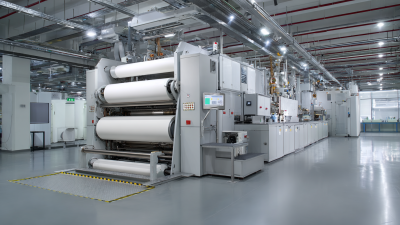
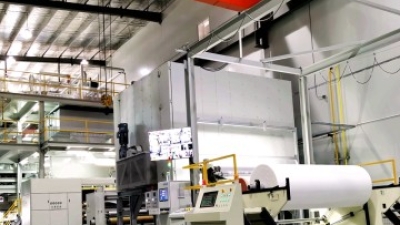
When you're trying to pick out the best SS Nonwoven Fabric Machine for your business, it really can make a big difference in how smoothly things run and the quality of your products. As industry veteran Dr. Emily Thompson from FabricTech Solutions put it, "Choosing the right SS Nonwoven Fabric Machine doesn’t just help with efficiency — it also boosts the quality of what you end up selling." That just goes to show how important it is to find a machine that’s a good fit with your specific needs and industry standards.
In this fast-changing world of nonwoven fabrics, it’s super important to really get a handle on what different machines can do. Things like how fast they work, what kind of maintenance they need, and whether they’re compatible with different materials — these can vary a lot from one model to another. Taking a close look at these features helps you make smarter decisions that can really level up your production and set you up for long-term success.
In the end, choosing the right SS Nonwoven Fabric Machine isn’t just about spending less at the start. It’s about opening doors to growth and new ideas for your business. If you take into account what experts say and pick a machine that matches your goals, you’re more likely to see your investment pay off, even in this really competitive textile industry.
Understanding the Importance of Nonwoven Fabric in the Industry
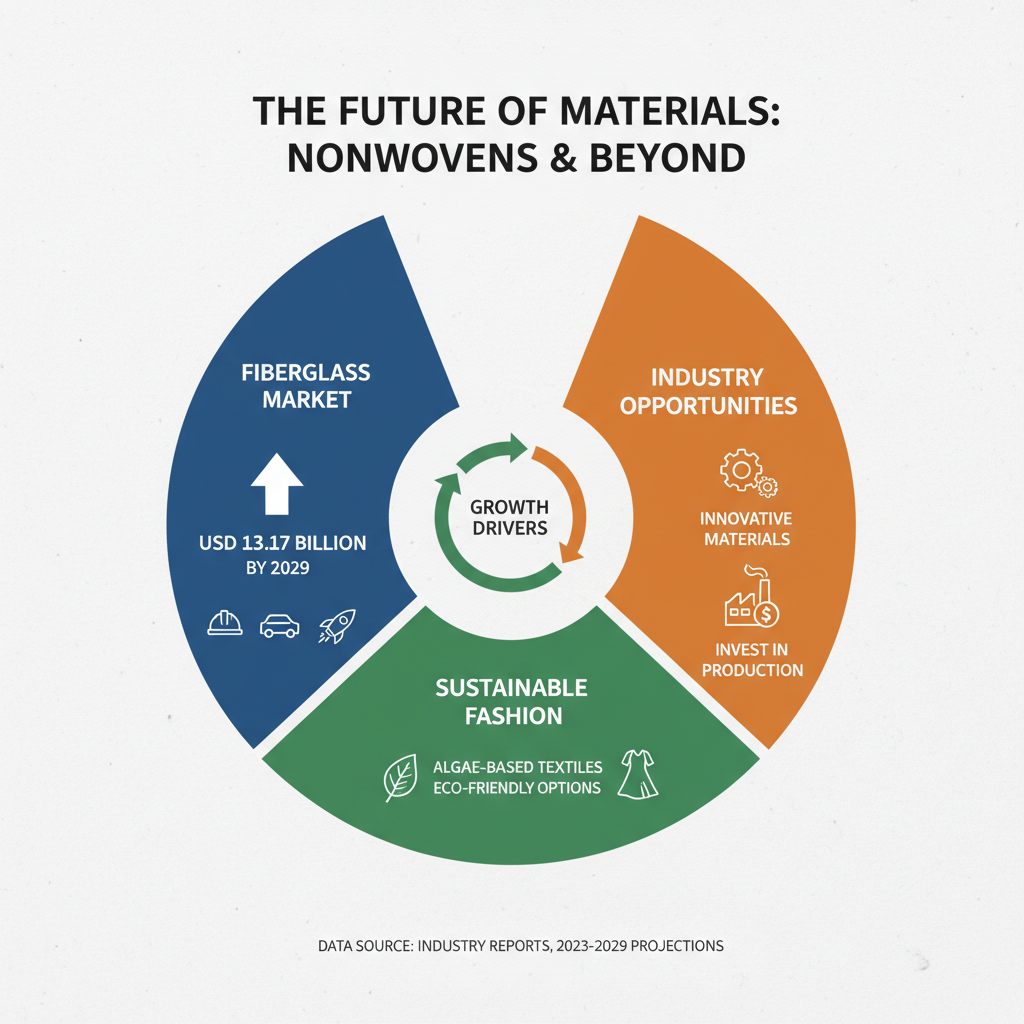
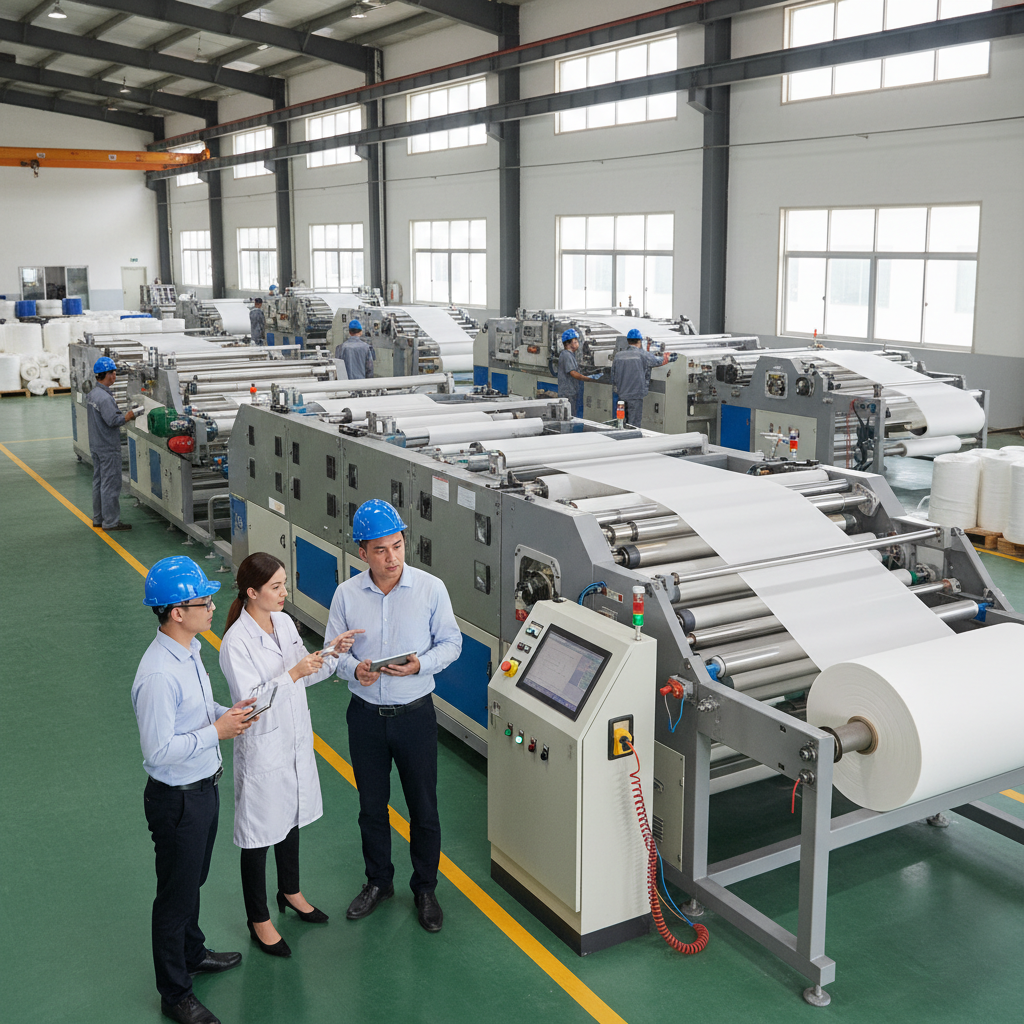
Understanding the importance of nonwoven fabric in the industry is crucial as demand for innovative materials continues to rise. The Fiberglass Fabric Market is projected to reach a staggering USD 13.17 billion by 2029, indicating a robust growth trajectory driven by increasing applications in construction, automotive, and aerospace sectors. Likewise, the surge in sustainable fashion has led to the exploration of alternative materials like algae-based textiles, highlighting a shift towards eco-friendly options. This evolving landscape presents a plethora of opportunities for businesses looking to invest in nonwoven fabric production.
To ensure the best fit for your operations, it’s important to consider several factors when selecting a nonwoven fabric machine. First, assess the production efficiency and technology advancements of the machine to align with your operational goals. Second, consider the scalability and compatibility of the equipment with various fabric types, which will allow you to adapt to market demands. Lastly, invest in suppliers with a proven track record, such as HG Nonwoven Machinery, to ensure high-quality production lines.
Tips: Be proactive in researching the latest trends in nonwoven applications, as staying informed can help you pivot your business strategy effectively. Additionally, emphasize sustainability in your production processes to cater to the growing environmentally-conscious consumer base.
Types of SS Nonwoven Fabric Machines Available
When selecting the best SS nonwoven fabric machine for your business, it is crucial to understand the various types of machines available in the market. The primary categories include spunbond, meltblown, and composite machines. Spunbond machines produce durable and versatile fabrics by laying down continuous filaments, which are then bonded through heat and pressure. This type of machine is ideal for applications like agricultural coverings, hygiene products, and industrial uses where strength is essential.
Meltblown machines, on the other hand, focus on producing fine fibers that are excellent for filtration applications. These machines create a web of microfibers by melting polymer and blowing it through a high-velocity air stream, resulting in a fabric that offers superior filtration capabilities. Businesses that require high-performance materials for medical or environmental applications often benefit from investing in meltblown technology.
Lastly, composite machines combine both spunbond and meltblown processes, allowing for the production of multi-layer fabrics with functional properties tailored to specific requirements. This versatility makes them suitable for a wide array of products, including facemasks and high-performance clothing. Understanding these types of SS nonwoven fabric machines can significantly impact the efficiency and effectiveness of your production processes.
Key Features to Consider When Selecting a Machine
When selecting the best SS nonwoven fabric machine for your business, it's crucial to focus on key features that align with your production needs. One of the primary considerations should be the machine's automation level. According to a report from FBBI Group, fully automated machines significantly improve efficiency, reducing labor costs by up to 30%. Additionally, look for machines that offer versatility in fabric types and weights, enabling you to cater to various market demands without investing in multiple machines.
Another important feature is the machine's production capacity. A machine that can produce between 1,000 to 3,000 meters per hour is often ideal for medium to large enterprises. It's also essential to consider the quality of technology used, such as the incorporation of advanced ultrasonic bonding systems, which can result in higher durability and performance of the nonwoven fabrics produced.
Tips: When assessing different machines, always request a demo to evaluate output quality. Moreover, remember to review the after-sales support and training provided by the manufacturer to ensure your team can maximize the machine’s potential effectively. Lastly, keep an eye on industry trends, as continuous innovation in nonwoven technology can provide insights into future upgrades.
Evaluating Machine Performance and Efficiency
When selecting the best SS nonwoven fabric machine for your business, evaluating machine performance and efficiency is crucial. Performance encompasses factors such as speed, output quality, and the ability to handle various materials. A machine that operates at a higher speed and maintains consistent quality will directly contribute to your production capabilities and profitability. Invest time in researching different models and brands, paying attention to user reviews that highlight their operational performance in real-world conditions.
Efficiency is equally important, as it impacts both production costs and environmental sustainability. An energy-efficient machine not only reduces operational costs but also minimizes waste generation during the manufacturing process. Features like automatic controls and advanced technology can enhance efficiency by optimizing material use and reducing downtime. When comparing machines, consider those that offer energy-saving options and low maintenance requirements to ensure long-term operational viability. This holistic approach to evaluating performance and efficiency will help ensure that you choose a machine that meets your business needs and goals.
Assessing Cost vs. Benefits of Different Machines
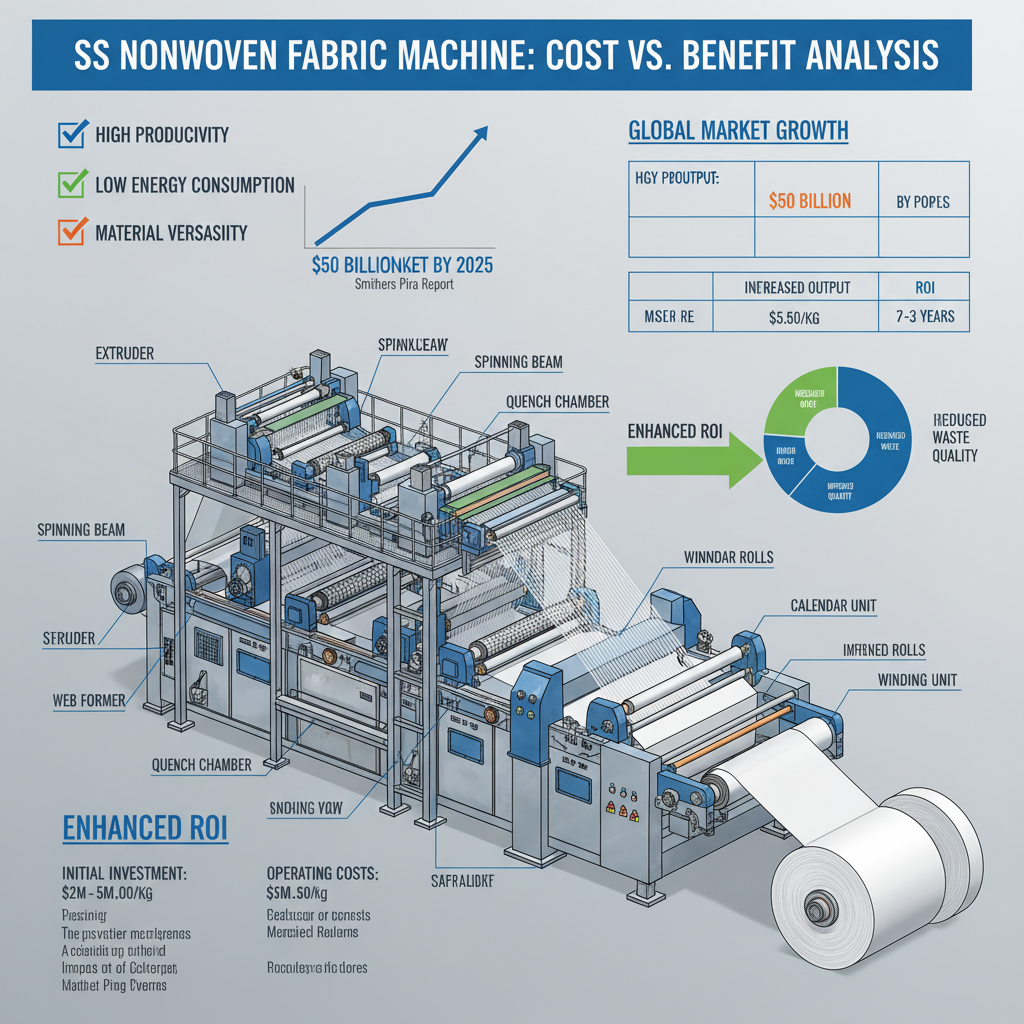
When selecting the best SS nonwoven fabric machine for your business, assessing the cost versus benefits is crucial to making an informed decision. According to a report by Smithers Pira, the global nonwoven fabrics market is expected to reach $50 billion by 2025, highlighting the growing demand and the need for reliable manufacturing solutions. Investing in a machine that not only fits your budget but also enhances productivity can significantly improve your return on investment (ROI).
Cost considerations extend beyond initial purchase price to include maintenance, operational efficiency, and raw material usage. A high-quality SS nonwoven fabric machine might require a higher upfront investment but can offer improved energy efficiency and lower operational costs over time. In fact, a study by MarketsandMarkets indicates that advanced production technologies can reduce energy consumption by up to 25%, presenting a compelling case for investing in superior machinery. Balancing upfront costs with long-term benefits, including lower operating costs and higher quality output, is essential for achieving sustained growth in the competitive nonwoven fabric industry.
Supplier Reputation and After-Sales Support
When selecting an SS nonwoven fabric machine for your business, supplier reputation and after-sales support are critical factors that can significantly impact your operations. According to a report by Technavio, the global nonwoven fabric market is projected to grow by USD 29.52 billion from 2021 to 2025, highlighting the increasing demand for efficient production technologies. A supplier with a solid reputation often indicates reliability in their machinery and services, essential for maintaining smooth production processes.
Furthermore, after-sales support is crucial in minimizing downtime and maintaining productivity. A study conducted by Industry Research indicates that effective after-sales support can enhance customer loyalty by up to 30%. Businesses should look for suppliers that offer comprehensive service packages, including troubleshooting assistance, maintenance, and quick access to spare parts. This support can help businesses navigate unexpected machine issues, ensuring that production schedules remain uninterrupted and efficiency is maximized. Ultimately, partnering with a reputable supplier who prioritizes after-sales service can lead to significant long-term benefits for your SS nonwoven fabric operations.
Supplier Reputation and After-Sales Support Analysis
This chart represents the analysis of supplier reputation and after-sales support for nonwoven fabric machinery. The data indicates a comparison of several quality attributes essential for selecting the best machine supplier.
Maintenance Tips for Prolonging Machine Lifespan
In the competitive landscape of nonwoven fabric production, selecting the right SS nonwoven fabric machine is crucial for efficiency and innovation. Maintenance plays a key role in ensuring these machines operate at peak performance and have a prolonged lifespan. According to industry reports, regular maintenance can enhance machinery durability by up to 30%, reducing unexpected downtime and production losses.
To maintain your SS nonwoven fabric machine effectively, it's important to follow a routine that includes regular inspections and cleaning. Ensure that components such as the spinning beam and process components are free from dust and debris. Lubricating moving parts and checking for wear and tear weekly will also help prevent costly repairs in the long run. Additionally, keeping a detailed maintenance log can assist in tracking machine performance and identifying any recurring issues.
Moreover, investing in training for your operators is essential. Proper handling and operational knowledge can significantly reduce wear and extend machine life. At PUJIANG HG NONWOVEN MACHINERY CO., LTD., we recommend scheduling professional maintenance checks at least bi-annually. This proactive approach not only preserves your investment but also ensures that your production remains efficient and in line with global standards.
How to Choose the Best Ss Nonwoven Fabric Machine for Your Business - Maintenance Tips for Prolonging Machine Lifespan
| Feature | Description | Maintenance Tip | Frequency |
| Fabric Width | The maximum width of the fabric that can be processed. | Regularly check the width settings for accuracy. | Weekly |
| Speed Settings | Adjustable speed to optimize production efficiency. | Lubricate moving parts to ensure smooth operation. | Monthly |
| Power Consumption | Energy efficiency levels of the machine. | Check wiring and connections to prevent energy loss. | Quarterly |
| Ease of Use | User-friendly controls and interface. | Train operators regularly to maximize efficiency. | As needed |
| Maintenance Accessibility | Ease of access to critical machine parts for maintenance. | Keep maintenance logs to track service intervals. | Ongoing |
Exploring the Advantages of Spunbond Non Woven Fabric Machines in Meeting the Rising Demand for Sustainable Textiles
The increasing awareness of environmental sustainability has significantly driven the demand for eco-friendly textiles. Spunbond non woven fabric machines are at the forefront of this shift, providing efficient production methods that align with green practices. These machines not only ensure high-quality fabric output but also reduce waste and energy consumption, making them an ideal choice for manufacturers looking to embrace sustainable practices.
HG Nonwoven Machinery, a prominent manufacturer in China, specializes in the production of a range of spunbond and melt-blown fabric making machines, including types such as S, SS, SSS, SMS, SMMS, and SSMMS. Their commitment to producing various polypropylene (PP), polyethylene terephthalate (PET), and polylactic acid (PLA) fabrics showcases their adaptability to market needs. Furthermore, HG Nonwoven Machinery offers turn-key project services, facilitating a seamless entry for businesses into the sustainable textile market. This innovation in machinery not only meets the rising demand for sustainable textiles but also supports the global movement toward a more environmentally conscious industry.
Utilizing advanced technology in spunbond non woven fabric production, manufacturers can significantly enhance their output efficiency while minimizing their ecological footprint. The machines developed by HG Nonwoven Machinery are instrumental in achieving these goals, establishing a standard for sustainability within the textile sector. As the demand for sustainable solutions continues to grow, investing in these modern machines will be essential for businesses aiming to thrive in a competitive market.
FAQS
: The primary types of SS nonwoven fabric machines are spunbond, meltblown, and composite machines. Spunbond machines produce durable fabrics, meltblown machines create fine fibers for filtration, and composite machines combine both processes for versatile fabrics.
Spunbond machines are ideal for applications such as agricultural coverings, hygiene products, and industrial uses where fabric strength is essential.
Meltblown machines focus on producing fine microfibers that provide superior filtration capabilities, making them suitable for medical and environmental applications.
Composite machines combine spunbond and meltblown processes to create multi-layer fabrics with tailored functional properties, suitable for products like facemasks and high-performance clothing.
The automation level is crucial as fully automated machines can improve efficiency and reduce labor costs by up to 30%, making them a worthwhile investment for businesses.
An ideal production capacity for medium to large enterprises is between 1,000 to 3,000 meters per hour.
Assessing cost versus benefits is essential to ensure the investment in a machine enhances productivity and improves return on investment (ROI), given the growing demand for nonwoven fabrics.
Operational costs, including maintenance and energy efficiency, should be considered in addition to the initial purchase price, as a higher-quality machine can lead to lower long-term costs.
Businesses should evaluate key features such as automation level, production capacity, technology quality, output quality through demos, and after-sales support from manufacturers.
Businesses should keep an eye on industry trends and continuous innovation in nonwoven technology to inform future upgrades and improvements in production processes.
Conclusion
Choosing the best SS Nonwoven Fabric Machine for your business is crucial for enhancing production efficiency and meeting industry demands. Nonwoven fabrics play a significant role across various sectors, making it essential to understand the types of machines available. Key features such as performance, efficiency, and cost-effectiveness must be evaluated to ensure you select a machine that meets your specific needs. Additionally, considering the reputation of suppliers and their after-sales support can enhance your overall experience.
At PUJIANG HG NONWOVEN MACHINERY CO., LTD., we specialize in manufacturing advanced spunbond and meltblown nonwoven fabric machines, offering innovative solutions tailored to global market requirements. To prolong the lifespan of your SS Nonwoven Fabric Machine, regular maintenance and care are advised. By carefully assessing these factors, you can make an informed decision that will optimize your production processes and contribute to your business's success.