In today’s fast-changing world of Nonwoven Fabrics, picking the right Spunbond Nonwoven Machine is a pretty big deal if you want to produce top-notch products that fit all kinds of needs. I recently read a market report from MarketsandMarkets, and it’s pretty clear that the global nonwoven fabric market is expected to hit around 51.6 billion USD by 2025, growing at roughly 6.9% annually. A lot of that growth is fueled by higher demand in areas like hygiene, medical stuff, and filtration. With so many industries looking for smarter, more efficient ways to produce, it’s more important than ever to choose the right equipment. That’s where PUJIANG HG NONWOVEN MACHINERY CO., LTD. comes in — they’re leading the charge with high-performance machines for Spunbond, Meltblown, and composite nonwoven fabrics designed to keep up with market demands worldwide. If manufacturers want to boost their production game and stay competitive in this pretty dynamic, constantly changing industry, understanding what to look for in a Spunbonding Nonwoven Machine is a must.
Key Specifications to Consider When Selecting a Spunbonding Nonwoven Machine
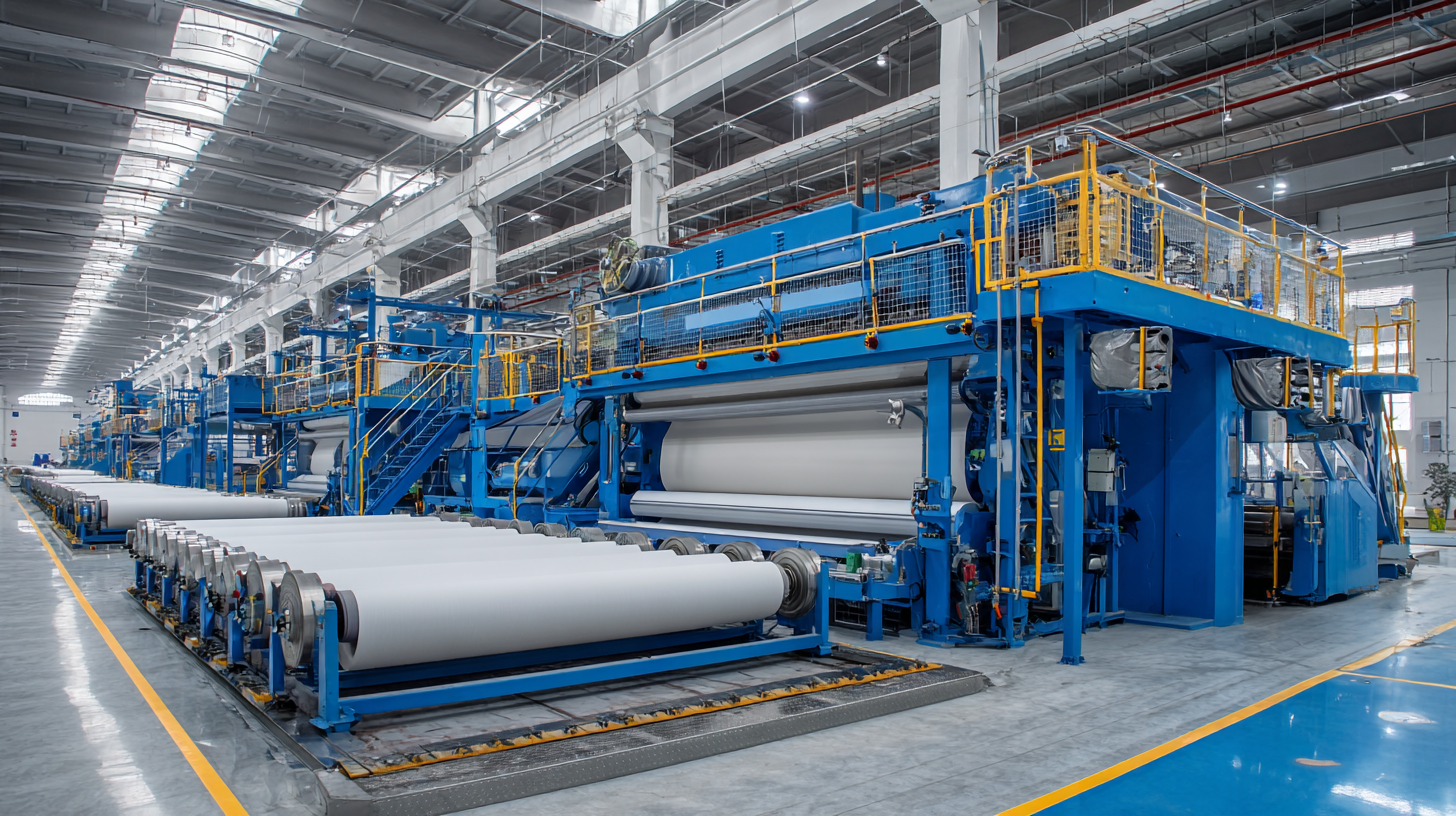
When you're choosing a spunbond nonwoven machine, it’s really important to get a good grip on the key specs—that way, you can make sure your production runs smoothly and efficiently. For starters, look at the machine’s output capacity. This number is a big deal because it tells you how much material you can produce, which directly impacts your overall production scale. From what industry reports are saying, machines that can churn out over 300 kg per hour are pretty much the new norm for medium to big players in the game. Also, pay attention to the width of the fabric it can make—these can range quite a bit, from about 1.6 meters all the way up to 4.5 meters. Picking the right width depends a lot on what you plan to do with the fabric—making sure it fits your end-user needs is key so your products stay competitive in the marketplace.
Another thing that’s worth considering is the latest tech packed into the machine. Nowadays, most spunbond machines come with features like computerized controls and automation options, which not only improve accuracy but also cut down on labor costs. A recent survey by the Nonwoven Fabrics Association found that nearly half of manufacturers—about 45%—saw a boost in their productivity after switching to more automated systems.
Pro tip: Don’t forget to check how much energy the machine uses and what kind of maintenance it needs. Energy-efficient models can save you a ton on running costs, and they also help you keep up with sustainability goals, which are more important than ever these days.
Understanding Production Capacity and Efficiency Metrics for Your Needs
When you're choosing a spunbonding nonwoven machine, it’s really important to get a good grip on the production capacity and efficiency. Basically, production capacity is about how much material the machine can produce in a given period—so it’s worth thinking about your current needs as well as where you see things heading in the future. If you’re ramping up production or launching new products, going for a machine with a bit more capacity than you need right now might be a smart move. That way, you're kind of future-proofing your investment and making sure you can grow without constantly upgrading.
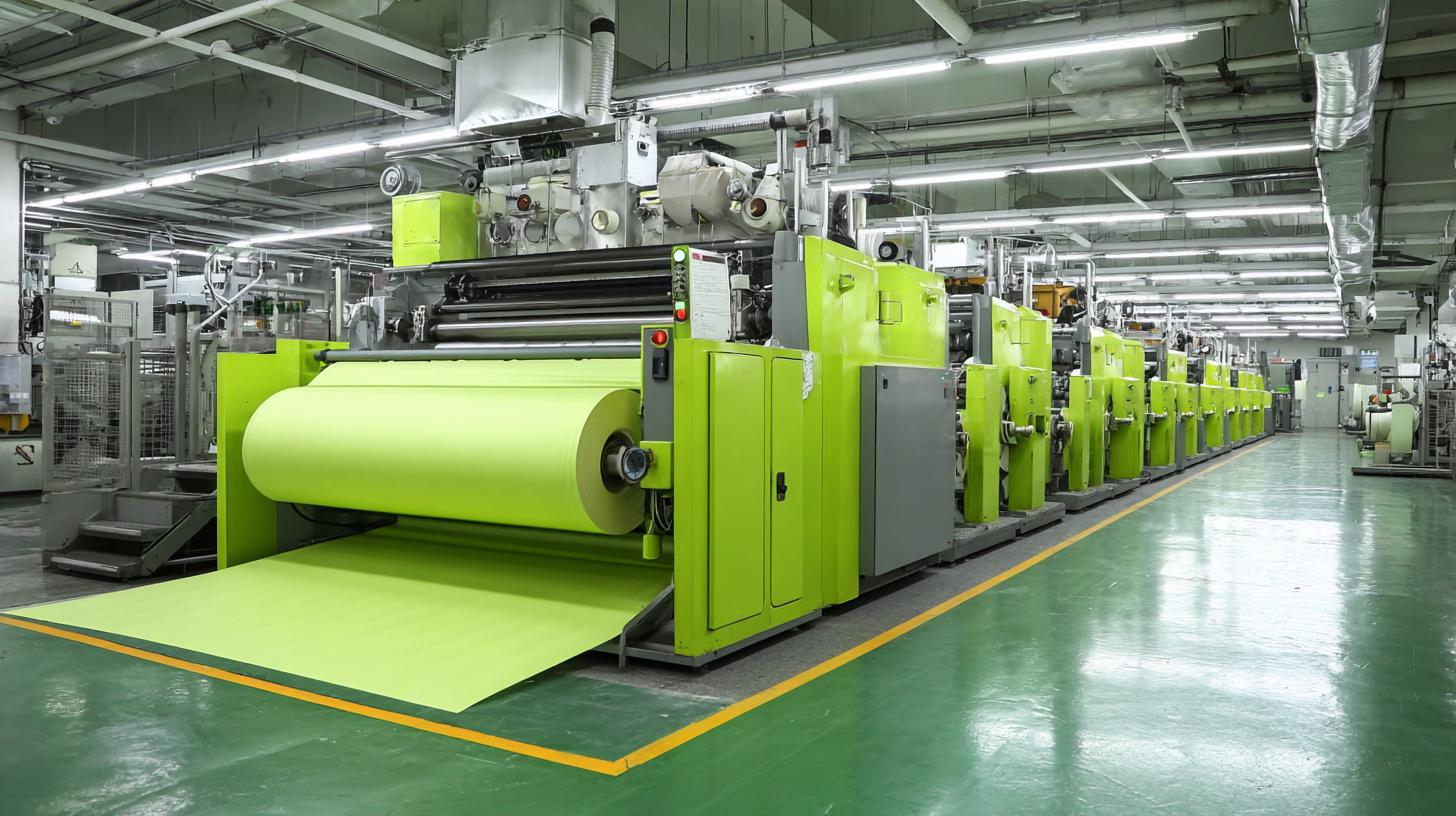
On the flip side, efficiency metrics are all about how well the machine performs relative to what it’s supposed to do. This includes things like how fast it runs, how much waste it produces, and how much energy it uses. A machine that can work fast but waste less material is going to save you money in the long run, and boost overall productivity. Don’t forget to also check how easy it is to maintain—things like downtime and repairs can really add up and mess with your efficiency. When you’re comparing different machines, it’s a good idea to think about these metrics in light of your specific production goals. That way, you’ll end up with a machine that truly fits your operation and keeps things running smoothly.
Evaluating Raw Material Compatibility for Spunbonding Processes
When you're choosing a spunbonding nonwoven machine for your production setup, it’s really important to think about whether the machine works well with the raw materials you plan to use. Different materials—like polypropylene, polyester, or biodegradable options—each have their own quirks and needs, so they require specific machine settings to get the best results. At PUJIANG HG NONWOVEN MACHINERY CO., LTD., we’ve got a variety of machines designed to handle different materials, making sure your production runs smoothly and is tailored to what you actually need.
Getting a good grasp of the properties of your raw materials is kind of a must if you want to pick the right machine. For example, if you’re aiming to produce super-strong fabrics, your machine needs to be set up to handle the melt flow and temperature of those particular materials. Our team at HG Nonwoven Machinery is all about offering innovative, efficient solutions that not only help you hit your production targets but also stick to industry standards for quality and sustainability. When you pick a machine that matches your raw material capabilities, you’re setting yourself up for a successful, adaptable production line that can keep up with changing market trends.
How to Choose the Best Spunbonding Nonwoven Machine for Your Production Needs - Evaluating Raw Material Compatibility for Spunbonding Processes
| Dimension | Material Compatibility | Production Capacity (kg/h) | Energy Consumption (kWh) | Price Range ($) |
| Compact | Polypropylene (PP) | 300 | 15 | 20,000 - 30,000 |
| Standard | Polyester (PET) | 600 | 20 | 30,000 - 50,000 |
| Industrial | Bicomponent (PP/PE) | 1200 | 25 | 50,000 - 80,000 |
| High-Speed | Recycled Materials | 1800 | 30 | 70,000 - 100,000 |
Assessing Energy Consumption and Operational Costs of Nonwoven Machines
When you're trying to pick the best spunbonding nonwoven machine for your production needs, it's super important to look beyond just the initial price tag. You really want to think about energy costs and what it'll take to run the machine day-to-day. Recent industry chatter suggests that the costs you’ll face aren’t only about buying the equipment — long-term energy expenses can actually eat into your profits more than you'd expect. For example, large-scale machines made specifically for nonwoven production usually have operational costs somewhere around 50 to 70 cents per unit, depending on how much you're producing.
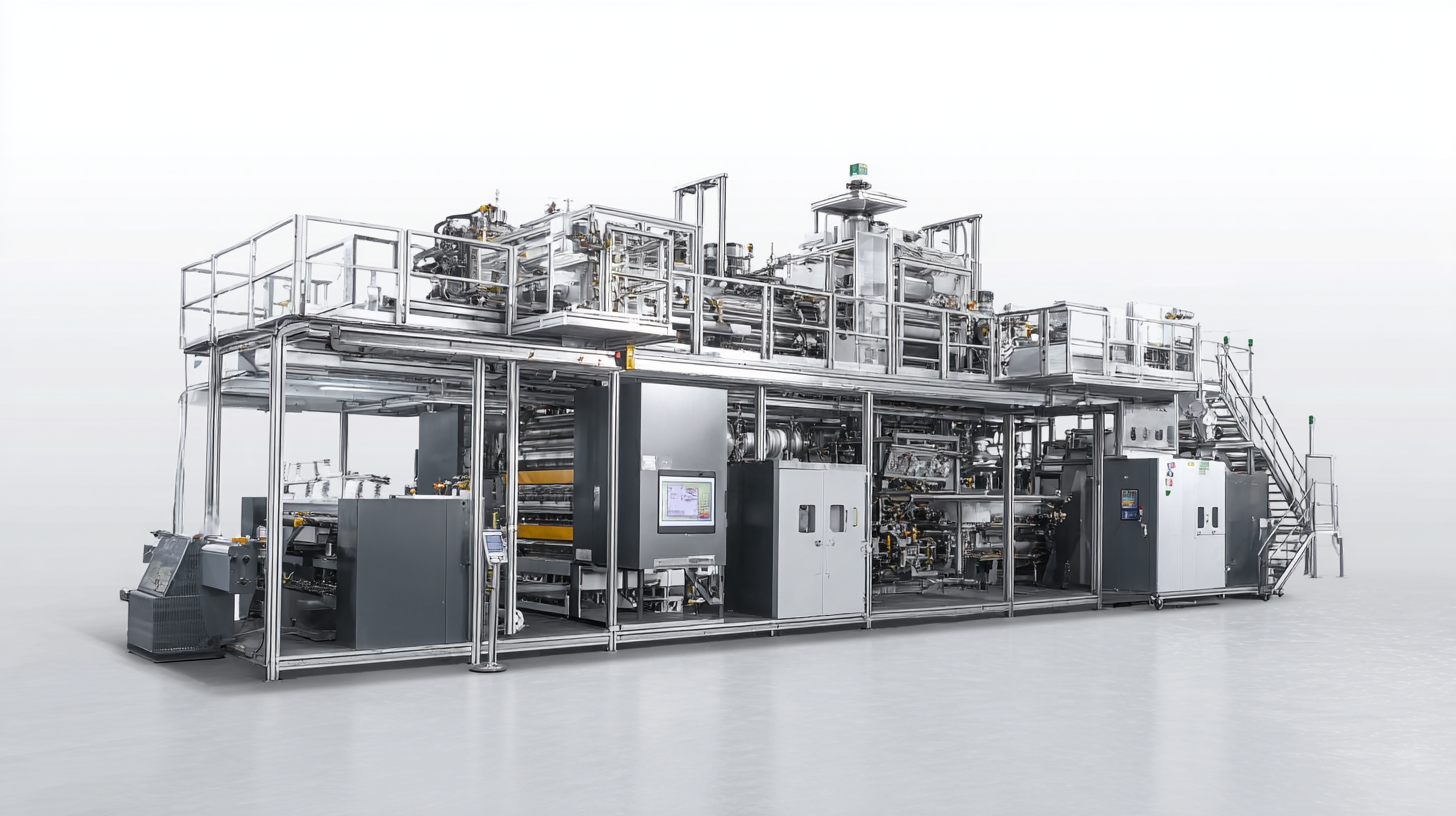
Here's a little tip: when you're checking out different models, try to find ones that are energy-efficient. Machines with smart automation features can sometimes cut down the amount of manual work needed and help squeeze out better energy use, which might mean saving 20-30% on operational costs in the long run. Also, keeping an eye on new advancements in nonwoven tech can really pay off—newer machines often come with innovations that make them even more energy-friendly.
And don’t forget to think about the environmental side of things, too. According to a 2023 report, companies using more energy-efficient nonwoven machines have managed to cut their overall industrial carbon footprint by nearly 15% compared to old-school systems. That’s pretty cool, not just for hitting sustainability goals, but also because it can make your brand more attractive to eco-conscious buyers, especially in fields like medical and environmental products.
Importance of Technology and Automation Features in Production Scalability
When you're choosing a spunbond nonwoven machine, you really can't overlook the importance of the tech and automation features—especially if you’re thinking about growing your production. Modern automation makes everything run smoother, cutting down on the need for manual work and helping to reduce mistakes. That means you get a more consistent quality and can actually ramp up your output without sacrificing standards. Plus, machines with the latest tech can do real-time monitoring and tweaks on the fly, so your production stays efficient and can quickly adapt to changing demands.
On top of that, as the nonwoven market keeps expanding, having a machine that scales easily becomes crucial. An adaptable machine with smart tech can handle fluctuations in order sizes or changes in production goals without breaking a sweat. Features like programmable logic controllers (PLCs) and automated material handling just make the whole process more flexible, so you can pivot quickly if market trends shift. Investing in a spunbonding nonwoven machine with solid automation and cutting-edge tech not only boosts your current efficiency but also sets you up for long-term growth—keeping you competitive in the game.
It’s basically about choosing the right tech today so you can stay ahead tomorrow.
Comparing Different Manufacturers and Their Machine Reliability Ratings
When you're choosing a spunbonding nonwoven machine, it's pretty important to take a close look at how reliable different manufacturers are. A trustworthy machine isn’t just about getting consistent quality in your production—it's also about cutting down on downtime and maintenance headaches. Sure, lots of companies claim to have the latest tech, but honestly, reliability often boils down to the quality of materials they use and how good their support is after you buy.
It’s really worth sticking to models that have been put through their paces and that other folks in the industry have given the thumbs-up to.
Plus, it’s a good idea to compare performance stats and read through customer reviews of different brands. Things like how efficient the machine is, how long it’ll last, and if spare parts are easy to find really matter in the long run.
And don’t forget to check whether they offer solid warranties and good customer service—those are usually signs that the manufacturer genuinely cares about supporting their clients and keeping things running smoothly. Taking the time to weigh these factors means you’re way more likely to pick a machine that fits your needs without surprises down the road.
Innovative Solutions: Exploring the S/SS/SMS Spunbond Nonwoven Fabric Manufacturing Machine Line
Innovative Solutions: Exploring the S/SS/SMS Spunbond Nonwoven Fabric Manufacturing Machine Line
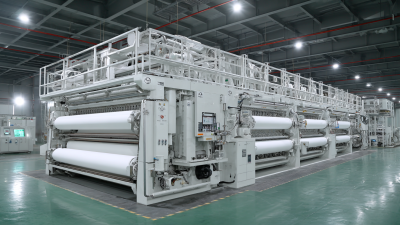
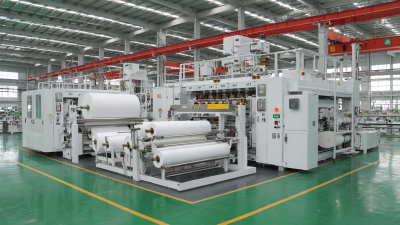
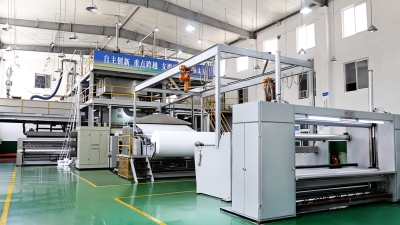
The nonwoven fabric industry has witnessed remarkable advancements in recent years, particularly with the emergence of innovative manufacturing technologies. Among these technologies, the S/SS/SMS spunbond nonwoven fabric manufacturing machine line stands out, providing versatile solutions for producing high-quality nonwoven fabrics. This state-of-the-art machine line aims to enhance efficiency while maintaining the superior quality that the market demands. The S/SS/SMS configuration allows for the production of a wide range of fabric types, meeting the diverse needs of various applications.
HG Nonwoven Machinery, a prominent name in the nonwoven fabric machine manufacturing sector in China, specializes in crafting a comprehensive suite of machines that cater to this growing demand. With expertise in manufacturing PP, PET, and PLA spunbond as well as melt blown nonwoven fabric machines, HG offers innovative solutions that are adaptable to modern industry requirements. Their product range includes S, SS, SSS, SMS, SMMS, and SSMMS lines, designed to optimize production efficiency and reduce operational costs. Furthermore, HG’s commitment to providing turn-key project services ensures that clients receive comprehensive support, from design to installation, enhancing the overall manufacturing experience.
As industries continue to evolve, the need for high-performance nonwoven fabrics is more pressing than ever. The S/SS/SMS spunbond nonwoven fabric manufacturing machine line by HG Nonwoven Machinery represents a significant leap forward in technology, promising to meet the increased demand while providing manufacturers with the tools they need to succeed in a competitive market. By leveraging innovative solutions in this sector, companies can improve their production capabilities and contribute to the development of advanced materials for a variety of applications.
FAQS
: Production capacity refers to the volume of material the machine can produce within a specific timeframe, crucial for assessing current and projected production needs.
Efficiency metrics provide insights into how well a machine operates relative to its design capabilities, including its speed, waste levels, and energy consumption, which affect productivity and cost-effectiveness.
Investing in a machine with higher capacity than current needs can accommodate growth, especially when ramping up operations or launching new product lines.
Advanced technology and automation streamline operations, reduce manual intervention, minimize errors, and help maintain consistent product quality, allowing for increased output.
Machines with adaptable technology can easily accommodate fluctuations in order sizes and shifts in production goals, enhancing production flexibility.
Look for features like programmable logic controllers (PLCs) and automated material handling systems, which enhance flexibility and responsiveness to market trends.
Real-time monitoring allows for adjustments during production processes, ensuring efficiency and responsiveness to changing demands.
Maintenance ease and potential downtime can greatly impact overall efficiency, affecting productivity and operational costs.
A machine that produces minimal waste enhances productivity and improves cost-effectiveness, leading to better overall efficiency and profitability.
Investing in machines with robust technology and automation features enhances immediate operational efficiency and positions companies for sustainable growth in a competitive landscape.
Conclusion
When you're trying to choose the right Spunbonding Nonwoven Machine for your production needs, there are quite a few important specs to keep in mind. It’s really key to understand the machine’s production capacity and efficiency—because you want to be sure it can actually keep up with your output goals. Also, don’t forget to check how compatible it is with various raw materials; this can make a big difference in the quality and overall performance of your final product.
Another thing to consider is operational costs, like energy consumption—these can really add up over time and impact your budget. Plus, if you go for a machine loaded with advanced tech and automation features, you’ll find it much easier to scale up your production as your demands grow. And last but not least, it’s smart to do some homework on different manufacturers—see how reliable they are and what kind of reputation they have. That way, you’re more likely to pick a machine that’s not just technically suitable but also built to last.
Here at PUJIANG HG NONWOVEN MACHINERY CO., LTD., we’re proud to offer innovative, efficient solutions for spunbond nonwoven fabric production, tailored to meet the needs of the global market.