Picking the best Ss Nonwoven Fabric Machine supplier in China isn’t just about comparing prices or watching shiny factory videos. Honestly, buyers should dig a little deeper—look into production records, see how stable the machines are, check out after-sales support, and make sure component quality is solid. A trustworthy supplier should be able to clearly explain things like fabric weight, fiber type, line speed, heating controls, and power needs. Plus, they should provide test reports, installation help, spare parts, and proper operator training—no secrets there.
You know, Dr. Behnam Pourdeyhimi, who’s a bigwig in Nonwovens research and leads The Nonwovens Institute, once said, “Nonwovens are everywhere.” That’s a pretty good way to put it, right? It really hits home. The machine you get has to match what you’re making—medical fabrics need to be super clean and consistent for filtration. Hygiene materials should be formed precisely and bonded reliably. And for agricultural fabrics? They gotta be strong, uniform, and dependable.
Look, no supplier’s perfect—that’s just the truth. Some are great engineers but lousy at communicating. Others throw out attractive quotes but leave you hanging on tech support. Smart buyers should totally request sample runs before sealing the deal. Visiting the factory if possible is a big plus—peek at the winding unit, control panel, heating zones, and how easy it is to access parts for maintenance. Also, ask how fast they can replace worn-out parts.
This guide is all about evaluating Chinese SS Nonwoven Fabric Machine suppliers based on real experience, engineering skills, honesty, and their ability to support long-term needs. It’s not just about what they show in a demo—it's about whether they can deliver in actual production conditions. Keep an eye on things like fabric consistency, energy costs, downtime, and operator feedback to really gauge performance. Of course, certifications matter, but don’t rely on them alone. Sometimes a supplier might look perfect on paper but still need closer scrutiny—that’s a reality you shouldn’t ignore before making a big investment.
What Is an SS Nonwoven Fabric Machine?
What Is an SS Nonwoven Fabric Machine?
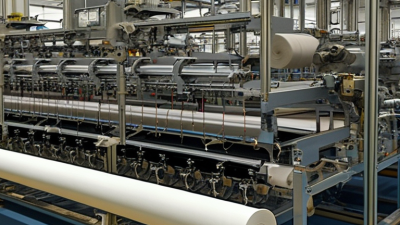
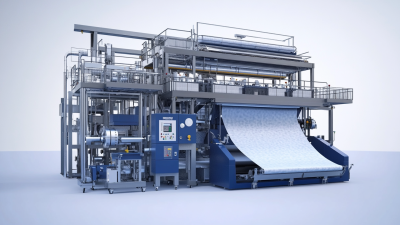
An SS Nonwoven Fabric Machine is a spunbond production line with two spinning layers. “SS” means spunbond-spunbond. It normally uses two extruders, two filtration systems, and one forming process. Polymer pellets are melted inside heated barrels. Metering pumps then deliver the melt at a controlled rate. The material passes through spinnerets and becomes fine continuous filaments. Air cooling and stretching guide these filaments onto a moving belt. A heated calender bonds the web into fabric.
The machine can produce soft, breathable, and uniform nonwoven materials. These fabrics are used in hygiene products, medical packaging, agriculture, and daily protective applications. Factory operators monitor melt pressure, temperature, line speed, and fabric weight. Small changes can affect strength and appearance. Real production is messier. Dust, unstable cooling, or uneven feeding may create weak spots.
A dependable Spunbond Nonwoven Fabric Machine should offer stable control and accessible maintenance points. Buyers should inspect the extruder design, spinneret quality, calender accuracy, and electrical safety features. Production tests matter more than impressive brochures. Ask for fabric samples at different weights and speeds. Training, spare-part guidance, and clear technical documents also show supplier reliability. I would still leave room for improvement, because no line performs perfectly under every polymer, climate, or operating habit.
How SS Nonwoven Fabric Machines Work
How SS Nonwoven Fabric Machines Work
An SS nonwoven line forms fabric through two spunbond layers. A Spunbond Nonwoven Fabric Making Machine starts by feeding polymer pellets into a heated extruder. The screw melts and mixes the material under controlled temperature and pressure. A filter removes small contaminants before the melt reaches the spinning assembly.
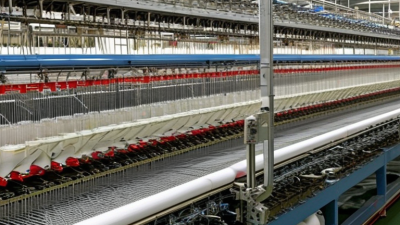
The melt passes through hundreds of tiny holes in a spinneret. Each opening creates a continuous filament. Cooling air quickly reduces the filament temperature, while drawing air stretches and strengthens it. Two spinning systems place separate filament layers onto a moving forming belt. Their arrangement affects fabric weight, uniformity, and surface feel.
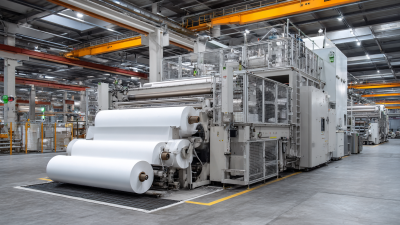
The loose web then enters a heated calendar. Embossed rollers bond selected points without fully compressing the structure. A winding unit controls tension and forms finished rolls. Operators should check melt pressure, air temperature, belt speed, and roller alignment during production. Small changes can create thin edges, uneven bonding, or visible holes.
Experience matters here. The process is stable, but not perfectly forgiving. A clean filter does not guarantee consistent fabric. Humidity, pellet quality, and worn spinneret holes can still change results. Practical inspection should include weight testing, tensile testing, appearance checks, and roll hardness. Reliable suppliers should explain these controls clearly and provide machine records that support maintenance decisions.
Key Features of Leading Chinese Machine Suppliers
China Best SS Nonwoven Fabric Machine Supplier?
Key Features of Leading Chinese Machine Suppliers
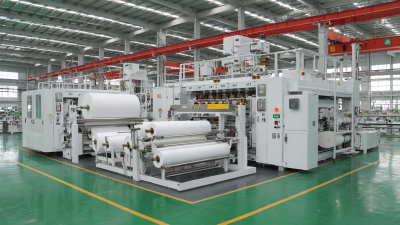
Leading Chinese stainless-steel nonwoven fabric machine suppliers focus on stable output, practical engineering, and serviceable designs. Their equipment often uses stainless-steel contact parts, precise rollers, and servo-driven tension control. These details help protect fabric uniformity during long production runs. A reliable supplier should provide clear data for working width, fabric weight, line speed, power use, and acceptable raw materials. Vague specifications deserve careful questions.
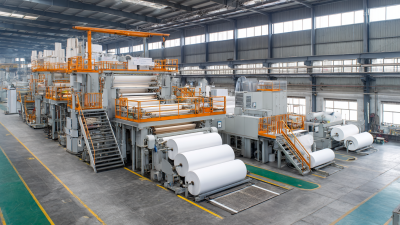
Experienced suppliers usually offer modular configurations for spunbond, meltblown, or composite nonwoven production. They should support factory acceptance testing before shipment. During testing, buyers can check web formation, GSM consistency, edge quality, noise, and temperature control. Good technical teams also provide electrical drawings, operation manuals, spare-parts lists, and operator training. Clear documents matter.
Service quality separates capable suppliers from ordinary ones. Ask about remote diagnostics, response times, installation support, and warranty conditions. Factory audits can reveal assembly standards, calibration habits, and inventory discipline. I have found that impressive speed claims sometimes hide unstable fabric weight or high energy use. No supplier is perfect. A thoughtful evaluation should compare total ownership cost, not only the purchase price. Suppliers that welcome trial production, explain limitations, and record corrective actions usually inspire greater confidence. Small details often reveal real expertise.
China Best SS Nonwoven Fabric Machine Supplier? — Key Features of Leading Chinese Machine Suppliers
The chart presents representative production-speed benchmarks for SS spunbond nonwoven lines at commonly specified working widths. Actual performance depends on polymer type, basis weight, die design, cooling capacity, and operating conditions.
Typical benchmark range: approximately 250–500 m/min for standard SS spunbond configurations. When comparing suppliers, also assess automation, energy efficiency, web uniformity, spare-parts support, and commissioning service.
How to Evaluate Machine Quality and Performance
China Best SS Nonwoven Fabric Machine Supplier?
How to Evaluate Machine Quality and Performance
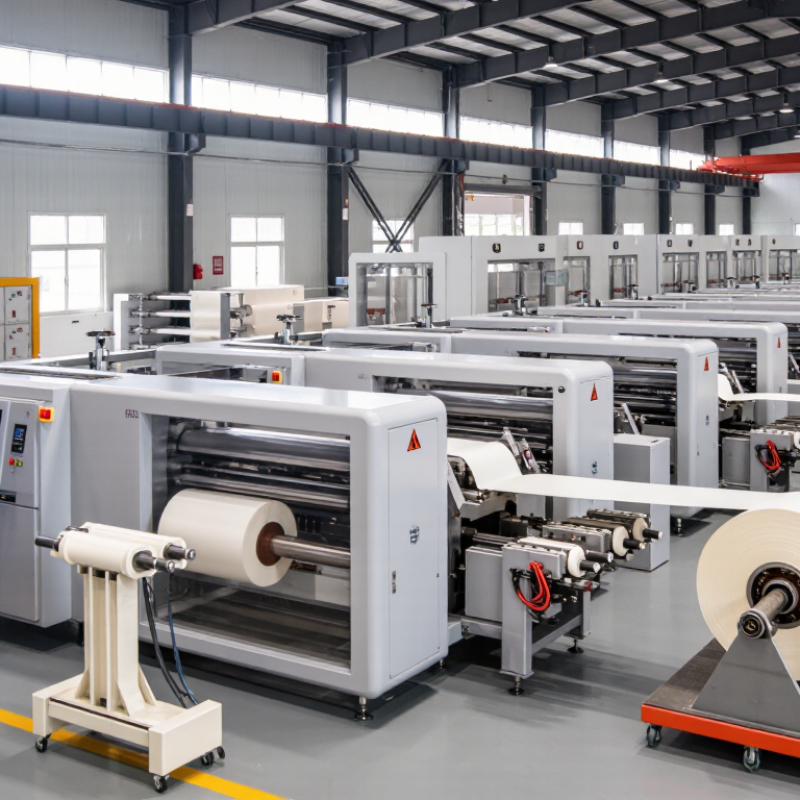
Choosing a stainless steel nonwoven fabric machine requires more than comparing prices. Inspect the frame, welds, rollers, and material-contact surfaces closely. Smooth welds reduce contamination risks and simplify cleaning. Ask for the steel grade and surface treatment records. A reliable supplier should provide production data, maintenance schedules, electrical drawings, and clear warranty terms. Factory experience matters because small design details affect daily operation.
Test the machine with your intended fiber, width, and fabric weight. Measure output, basis-weight variation, web tension, energy use, noise, and temperature stability. Do not trust speed alone. A fast line may produce uneven rolls or frequent stoppages. Request a recorded factory acceptance test and inspect actual sample rolls. Check how quickly operators can adjust settings. Simple controls usually reduce training errors. However, even a strong demonstration may not represent long-term production. I would allow extra time for calibration, because real materials behave differently.
Tips: Ask for three test runs, not one. Check spare-part availability and response times. Speak with current users when possible. Watch the operator, not only the machine. Note vibration, dust buildup, and unusual sounds. Small warning signs matter. Also review safety guards and emergency-stop functions before installation. I once underestimated cleaning access; that mistake made routine maintenance slower than expected. A careful evaluation should include both technical results and honest factory feedback.
Production Capacity, Customization, and Technical Support
Choosing the China Best SS Nonwoven Fabric Machine Supplier requires more than comparing prices. Production capacity must match your target output, fabric width, and GSM range. A reliable supplier should explain daily production with practical figures, not vague promises. During factory evaluations, check welding quality, machine layout, electrical cabinets, and trial fabric samples. The SMS Nonwoven Fabric Making Machine should run steadily before shipment.
Customization is important for different raw materials and product applications. Discuss fiber mixing, web formation, bonding temperature, winding tension, and automatic control options. Ask for drawings and a clear list of included components.
Technical support should cover installation, operator training, remote diagnosis, and spare parts. Response time matters when a sensor fails at midnight. Small delays can stop an entire production line.
Tips: Request a recorded running test. Compare actual GSM stability across several rolls. Confirm service language and support hours. Keep critical sensors and heating elements in stock. Do not accept every technical claim without evidence. I once underestimated operator training, and minor setting errors caused uneven fabric edges. That mistake changed my evaluation checklist. A dependable supplier provides manuals, maintenance schedules, safety guidance, and measurable acceptance standards. Yet no machine is perfect; regular inspection remains necessary.
Costs, Certifications, Delivery, and After-Sales Service
China Best SS Nonwoven Fabric Machine Supplier?
For an SMS Nonwoven Fabric Machine, price is only one part of the investment. A factory-grade line may require more than USD 500,000, depending on output, width, automation, and meltblown configuration. INDA and EDANA reported approximately 13.8 million tonnes of global nonwoven production in 2022. This demand encourages aggressive quotations, but a low price can hide weaker motors, limited testing, or expensive spare parts. Request a detailed cost sheet, including installation, operator training, packaging, shipping, and recommended inventory.
Certification needs careful checking. ISO 9001 shows a quality management system, not complete machine safety. For European delivery, confirm applicable CE requirements, electrical safety documents, and electromagnetic compatibility testing. Other markets may require different inspection files. Ask for serial-numbered certificates and a factory acceptance test using your target polymer and fabric weight. I would not rely on copied certificates. One missing document can delay customs clearance or commissioning.
Tips: Set delivery milestones in writing. A realistic schedule should cover design approval, component procurement, assembly, trial production, and port handling. Ask how many days the supplier needs to replace a failed controller or heater. Remote video support is useful, but local service partners and stocked parts are better. The warranty should define response time, excluded damage, and travel costs. Buyers often focus on delivery dates and forget ramp-up losses. That mistake deserves reflection. A cheaper machine may become costly during the first three months. Compare total cost per usable tonne, not only the purchase invoice.
FAQS
Check the frame, welds, rollers, and material-contact surfaces. Smooth welds reduce contamination and make cleaning easier. Ask for the steel grade and surface-treatment records. Watch for vibration, dust buildup, or unusual sounds.
Use your intended fiber, fabric width, and target GSM. Measure output, weight variation, web tension, energy use, noise, and temperature stability. Request at least three test runs. One test is not enough.
High speed can create uneven rolls and frequent stoppages. Inspect several sample rolls from actual production. Check edge quality and roll consistency. A slower, stable line may produce more usable fabric.
Discuss fiber mixing, web formation, bonding temperature, winding tension, and control options. Request drawings and a complete component list. Confirm the machine supports your raw materials and GSM range. Small setting differences can change fabric quality.
Support should include installation, training, remote diagnosis, manuals, and spare parts. Ask about response times for failed sensors, controllers, and heating elements. Keep critical parts in stock. Midnight failures are not convenient.
Request a cost sheet covering installation, training, packaging, shipping, and spare parts. Include electricity, maintenance, and early production losses. Compare total cost per usable tonne. A cheaper invoice may hide expensive downtime.
Request electrical drawings, safety documents, inspection records, and warranty terms. Confirm certificates match the machine’s serial number. Ask for a factory acceptance test using your material and target fabric weight. Never rely on copied paperwork.
Put design approval, component purchasing, assembly, testing, and shipping milestones in writing. Confirm warranty response times, travel costs, and excluded damage. Check whether local service and stocked parts are available. I once focused too much on delivery dates and underestimated ramp-up losses.
Conclusion
An Ss Nonwoven Fabric Machine is an integrated production system designed to manufacture spunbond nonwoven fabric from thermoplastic polymer materials. It typically completes material feeding, melting, filtration, spinning, web formation, stretching, bonding, and winding in a continuous process. By controlling temperature, airflow, fiber distribution, and bonding conditions, the machine can produce fabrics with consistent weight, strength, softness, and uniformity for various industrial and consumer applications.
When selecting a machine supplier, buyers should evaluate production capacity, energy efficiency, automation, configuration flexibility, and the quality of core components. Reliable suppliers should offer customized solutions, clear technical documentation, installation guidance, operator training, and responsive maintenance support. Important purchasing considerations also include total cost, product certifications, delivery schedule, spare-parts availability, warranty terms, and after-sales service. A comprehensive evaluation helps ensure stable operation, dependable output, and long-term production value.