The world of Nonwoven Fabric production is changing pretty quickly these days. Companies are really pushing to get more efficient, which means the demand for the latest tech is soaring. I came across some recent reports saying that the global market for nonwoven fabrics is expected to hit around $50 billion by 2026. A big part of that growth is thanks to machines like theSpunbonding Nonwoven Machine. These machines are crucial for producing top-quality materials efficiently.
If you check out industry players like Reifenhäuser and Andritz, you'll see they're constantly coming up with new innovations. Their equipment’s got better yields and uses less energy — pretty impressive, right? In fact, some of the latest Spunbonding Nonwoven Machines can churn out more than 600 meters of fabric every minute. But, while all these advancements sound super promising, there’s still a bunch of challenges to think about — like sourcing raw materials and dealing with environmental concerns.
Investing in such advanced tech can definitely bring big benefits—more output, better quality, lower costs in the long run. But, honestly, it’s not something to jump into blindly. Companies need to weigh their future production needs and think about what costs they might be facing down the line. Choosing the right Spunbonding Nonwoven Machine can really boost production, but picking the wrong one could cause inefficiencies and slow growth. So, when it comes to figuring out the best machine for 2026, it’s all about careful planning and thoughtful decision-making.
Overview of Spunbonding Nonwoven Technology
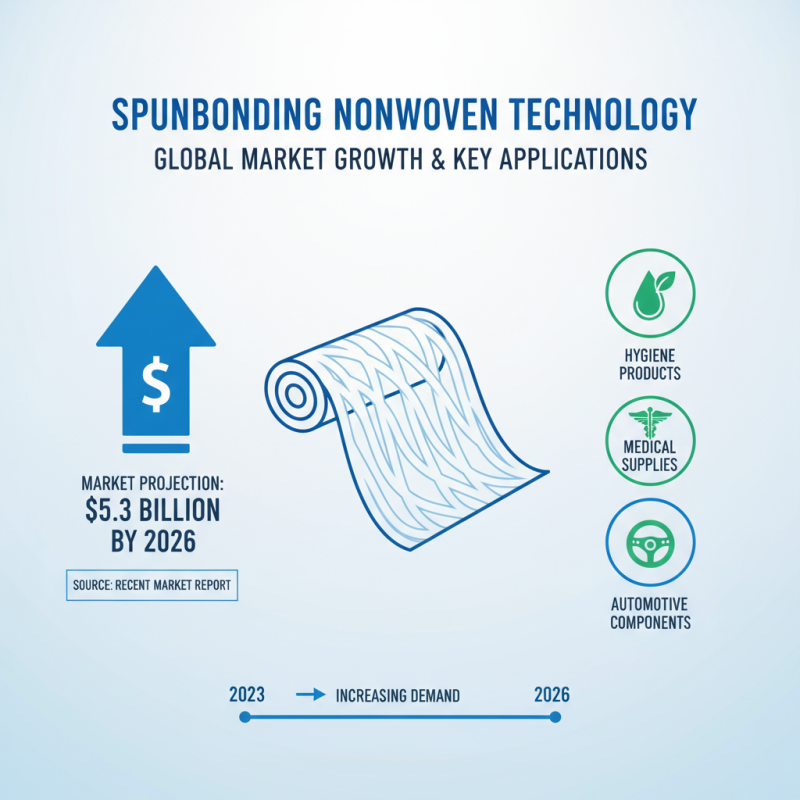
Spunbonding nonwoven technology has gained significant traction in recent years. This method produces fabric from continuous filaments, offering strength and durability. According to a recent market report, the global spunbond nonwoven fabric market is projected to reach $5.3 billion by 2026. This growth highlights the increasing demand for nonwoven materials across various industries, including hygiene, medical, and automotive.
The process utilizes a technique where polymer fibers are extruded, laid out, and bonded. The result is a material that is lightweight yet strong. Industries favor spunbonding due to its cost-effectiveness and versatility. However, there are challenges. Machine efficiency, fiber quality, and environmental impact need continuous improvement. Some plants report that their machinery struggles with consistency, leading to varying product quality.
An emerging trend is the integration of automation in spunbonding machines. This allows for higher operational efficiency and precision. As manufacturers adopt these advanced technologies, a balance must be struck between innovation and sustainability. Reports indicate that sustainable practices in production can reduce energy consumption by up to 30%. Continuous evaluation of these aspects will be crucial as the industry evolves.
Key Features to Consider in Nonwoven Machines
When exploring nonwoven machines for 2026, several key features stand out. Efficiency is paramount. A high production capacity with minimal downtime can make a significant difference in operations. Look for machines that offer adjustable speeds for varied production needs. Features like easy maintenance access are also important. A machine that requires less downtime for upkeep can maximize productivity.
Another critical feature is versatility. A good machine should handle different materials. This flexibility allows manufacturers to adapt to market changes quickly. For example, the China Spunbonding Nonwoven Machine offers adaptable settings for various types of nonwoven fabrics. This aspect can lead to better resource utilization.
**Tips:** Think about energy consumption. Machines that utilize less energy can reduce operational costs significantly. Also, pay attention to the automation features. Advanced automation can improve consistency and reduce labor costs. It's essential to consider these aspects for better long-term investments. Reflect on how much automation your team needs for optimal performance.
Comparison of Key Features in Spunbonding Nonwoven Machines (2026)
Top Manufacturers of Spunbonding Nonwoven Machines for 2026
The market for spunbonding nonwoven machines is set to evolve significantly by 2026. Many manufacturers are investing in advanced technologies. These innovations aim to enhance production efficiency and product quality. Recent reports indicate that the global nonwoven fabric market may reach $50 billion by 2026, driven by the rising demand in various sectors, including hygiene, medical, and automotive.
Leading manufacturers are focusing on producing high-speed machines with better energy efficiency. Industry statistics show a growing trend towards automation. Automation reduces labor costs and minimizes human error. In 2023, around 35% of factories have embraced automated processes. Yet, not all operations are fully optimized. Some manufacturers still use outdated technology, which hampers their competitiveness.
Quality control remains a critical issue. Many machines struggle to maintain consistent fabric parameters. This variability can lead to increased waste and production delays. The focus on sustainability is growing, but challenges persist. Many companies must address waste management in their production lines. As the market grows, understanding these dynamics is essential for manufacturers aiming for long-term success.
Comparative Analysis of Machine Performance and Efficiency
In 2026, selecting the right spunbonding nonwoven machine is crucial for textile manufacturers. Many machines boast impressive specifications, but not all deliver in real-world conditions. Efficiency often fluctuates based on the materials used and the intended application. A deeper look reveals that machine performance is not just about speed; it’s also about consistency.
Some machines may operate at high throughput but struggle with maintaining quality. Defects can arise when the machine's settings are not optimally aligned with the production goals. Moreover, user training is often overlooked. Operators need to understand the nuances of the technology for better output. Engaging with a reliable Spunbonding Nonwoven Machine Supplier can provide valuable insights and support throughout this learning curve.
Testing different machines under varied conditions can yield surprising results. Some machines may excel in one area but fall short in another, highlighting the importance of tailored solutions. Gathering user feedback helps in this process, allowing for adjustments and improvements. Understanding both machine metrics and operator experiences leads to more informed decisions. Operators frequently note the need for ongoing reflection on equipment performance and adaptability to evolving material types.
What is the Best Spunbonding Nonwoven Machine for 2026? - Comparative Analysis of Machine Performance and Efficiency
| Machine Model | Production Speed (m/min) | Fabric Weight Range (g/m2) | Power Consumption (kW) | Efficiency (%) | Maintenance Frequency (months) |
| Model A | 150 | 15 - 100 | 85 | 92 | 6 |
| Model B | 120 | 10 - 80 | 78 | 88 | 8 |
| Model C | 140 | 20 - 120 | 80 | 90 | 7 |
| Model D | 160 | 25 - 150 | 90 | 95 | 5 |
Innovative Technologies in Spunbonding for Future Applications
Innovative technologies in spunbonding are on the rise, setting the stage for future applications. The spunbonding nonwoven market is projected to grow significantly. According to recent data, the global spunbond nonwoven market was valued at approximately $9.5 billion in 2022 and is expected to reach $14.3 billion by 2028, growing at a CAGR of 6.9% during the forecast period.
Advancements in machine efficiency and material quality are crucial. New developments focus on higher output rates and energy savings. Some machines now use eco-friendly materials and offer reduced waste production. This shift aligns with global sustainability trends. However, many manufacturers still face challenges in adapting to these technologies, reflecting a gap in readiness. The technology is advancing, yet not all producers can keep pace.
As we look at potential innovations, the focus must also be on user needs. Emerging applications range from hygiene products to agriculture. However, some designs are still untested in real-world situations. It raises questions about their practicality. For buyers, choosing the right equipment can be tricky, especially when considering a Spunbonding Nonwoven Machine Manufacturer. Balancing innovation with effectiveness remains a matter of ongoing reflection in this evolving industry.
Cost Factors and Budgeting for Nonwoven Machinery
When considering nonwoven machinery for 2026, understanding cost factors is crucial. The price can vary significantly based on specific requirements. Installation costs, training, and maintenance should be included in the budget. Often, operators underestimate these additional expenses. A cheap machine may seem appealing at first, but hidden costs can add up quickly.
Budgeting wisely involves assessing long-term needs. While upfront costs matter, performance and efficiency also play a role. Ideally, focus on high-quality, durable machines. They may have a higher initial cost, but can save money in the long run. Cash flow should be monitored carefully to ensure sustainability.
It’s essential to reflect on your production goals. Do you plan to expand or diversify? Often, businesses overlook future needs, impacting overall success. Investing in scalable solutions can prevent future disruptions. Ultimately, balancing cost with quality is a complex but necessary task.
Maintenance and Longevity of Spunbonding Nonwoven Machines
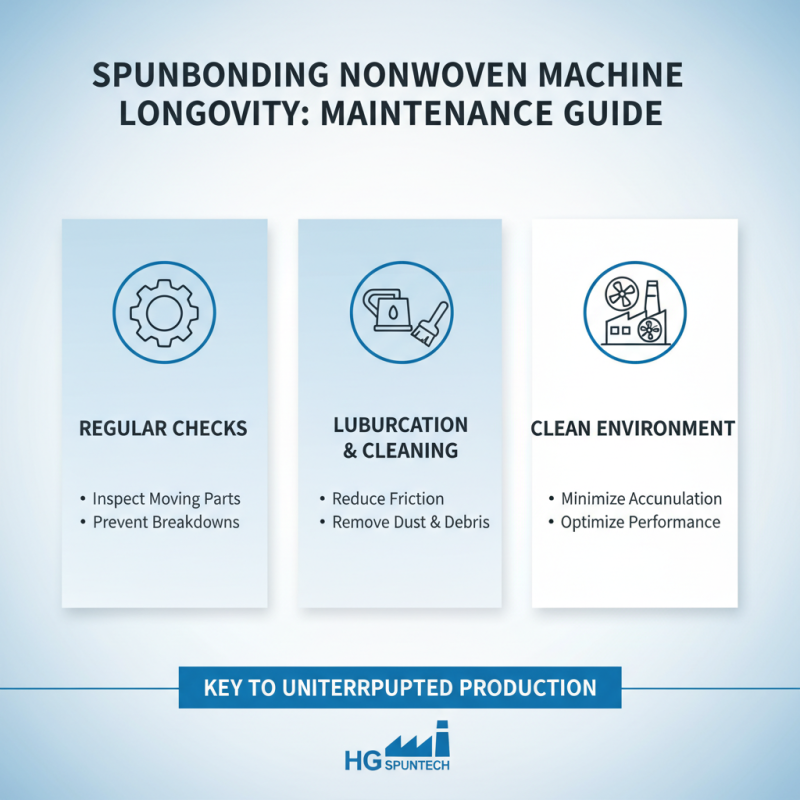
Maintaining a spunbonding nonwoven machine is crucial for its longevity. Regular checks and cleaning can prevent unexpected breakdowns. Operators should inspect all moving parts regularly. Lubrication is key to reducing friction. Dust and debris can accumulate in machinery, affecting performance. A clean environment in a Spunbonding Nonwoven Machine Factory helps minimize these issues.
Periodic training for staff is often overlooked. Skilled operators can spot potential problems early. They should understand the machine’s nuances. It’s important to keep spare parts on hand. Sometimes, parts wear out quicker than expected. Ignoring this can lead to costly downtime. Documenting maintenance activities can provide useful insights for future improvements.
Not everything goes as planned, though. Even with the best systems, unexpected issues arise. Planning for these uncertainties is essential. Investing time in preventive measures often pays off. However, some businesses may neglect this aspect. Over time, the consequences can be significant. A machine that runs well contributes to overall efficiency.
Exploring the Advancements in S/SS/SMS Spunbond Nonwoven Fabric Manufacturing Machines: A Comprehensive Overview
The advancements in S/SS/SMS spunbond nonwoven fabric manufacturing machines have revolutionized the textile industry, presenting significant improvements in efficiency, product quality, and environmental sustainability. These machines offer versatile production capabilities for a range of materials, including polypropylene (PP), polyester (PET), and polylactic acid (PLA). According to industry reports, the global nonwoven fabric market is projected to reach USD 50 billion by 2025, with spunbond technology contributing substantially to this growth due to its cost-effectiveness and high production rates.
Recent innovations in machine design have led to enhanced features such as improved fiber distribution, better roll width, and streamlined processing speeds. For example, advanced S/SS/SMS configurations enable manufacturers to produce multilayered fabrics that cater to specific applications, such as medical textiles, filtration, and hygiene products. Data indicates that the demand for SMS nonwoven fabrics is surging, driven by increasing health and safety standards across various industries. The automated processes incorporated in these machines not only simplify operation but also optimize resource consumption, aligning with the current trend towards sustainability.
As manufacturers continue to invest in R&D, the integration of smart technology in manufacturing systems will likely become standard. These advancements promise to enhance real-time monitoring and predictive maintenance, further increasing production efficiency and minimizing downtime. The exploration of these manufacturing technologies showcases a pivotal shift towards more sophisticated and environmentally friendly practices within the nonwoven fabric sector, positioning it as a key player in the future of textiles.
FAQS
: The article aims to provide insights and practical advice.
The content targets readers seeking guidance on personal topics.
Readers can use the advice to improve their daily lives.
Many struggle with overthinking and ignoring simple solutions.
The article presents tips in a clear, easy-to-follow way.
Feelings of uncertainty and self-doubt are commonly explored.
Yes, the guidance is versatile and can be personalized.
Individual circumstances vary; some tips may not fit everyone.
Reflect on the advice and implement small changes.
Consider them thoughtfully and be willing to adapt.
Conclusion
The article titled "What is the Best Spunbonding Nonwoven Machine for 2026?" provides an in-depth exploration of the current landscape of spunbonding technology. It begins with an overview of the key characteristics and advancements in spunbonding nonwoven machines, highlighting essential features that manufacturers should consider when selecting equipment. A comparative analysis examines machine performance and efficiency, helping stakeholders make informed choices.
Looking to the future, the article discusses innovative technologies poised to enhance spunbonding applications, as well as the cost factors involved in budgeting for nonwoven machinery. Additionally, it addresses the importance of maintenance and the longevity of these machines, ensuring that users can maximize their investments. Overall, the summary encapsulates the critical elements that define the best spunbonding nonwoven machines as we approach 2026.