Lately, there's been a pretty noticeable spike in demand for Spunbond Nonwoven Machines. I read a report from Smithers Pira that estimates the global market for Nonwoven fabrics is expected to grow around 5% each year—that’s quite a significant jump. A big reason for this surge? Industries like healthcare, automotive, and construction are increasingly relying on these materials because of how versatile and efficient they are. Dr. John Adams, an industry pro, even mentions, “The versatility of Spunbond Nonwoven Machines is really shaking up how things are produced nowadays.”
What makes spunbond technology so appealing is that it offers some serious perks—think lower production costs and stronger, more durable fabrics. These machines are pretty much essential in sectors that need reliable, lightweight, and sustainable materials. That said, it’s not all smooth sailing. Not every manufacturer has the cash upfront to buy these advanced machines, and there’s definitely a learning curve when it comes to getting them up and running smoothly in existing production lines.
Still, when you weigh the challenges against the benefits, it’s clear that investing in a Spunbond Nonwoven Machine can really pay off. They allow companies to craft high-quality goods that meet the growing demand for lighter, eco-friendly products. As time goes on, continuous innovation and improvements will be key to unlocking even more potential from these machines—and staying ahead in the game.
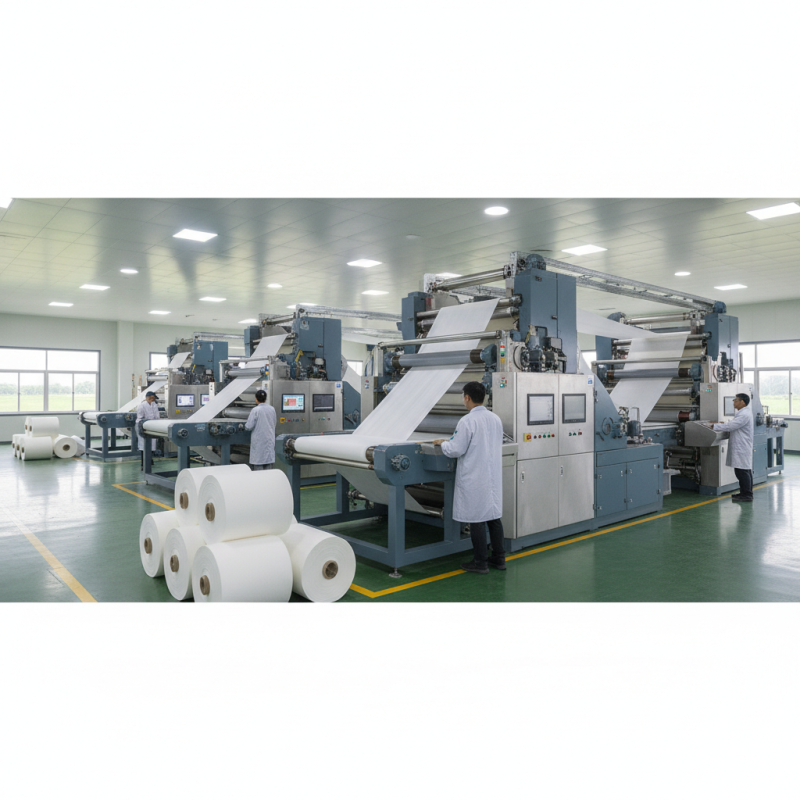
Spunbond nonwoven machines play a critical role in various industries. These machines manufacture fabrics without knitting or weaving. The process involves melting polymers and then spinning them into continuous fibers. This results in strong, durable materials often used in healthcare, construction, and agriculture.
For efficient production, consider the type of polymer being used. Different materials can affect the final product's quality. Updating machine settings according to fabric specifications can also enhance the output. Keep an eye on machine maintenance. Neglecting this can lead to unexpected breakdowns and delays.
Tips: Regularly test fabric samples to ensure they meet quality standards. Pay attention to temperature settings; overheating can compromise the fibers. Clean your machines frequently to avoid contamination. A clean machine can significantly improve the lifespan of a Spunbond Nonwoven Fabric Machine.
Spunbond nonwoven production stands at the forefront of modern manufacturing. Recent industry reports indicate that the global nonwoven market is projected to reach $50 billion by 2025. This growth stems from the versatility and adaptability of spunbond technology. The ability to produce lightweight yet strong textiles allows various industries to innovate.
Key technologies in spunbond production include advanced polymer systems and high-speed web formation techniques. These enhancements lead to increased production efficiency. A typical machine can achieve speeds of over 400 meters per minute. However, not all manufacturers optimize this speed effectively. Some still struggle with inconsistent web quality, leading to higher waste rates. Efficiency isn't merely about speed; it’s about maximized output without sacrificing quality.
The integration of automation in Spunbond Machines is also notable. Automation increases precision in production, yet it poses challenges. Some operators may resist changes, resulting in a learning curve. Additionally, maintaining machine performance can be complex. Regular adjustments and monitoring are essential to avoid costly downtimes. Investing in training can bridge this gap, improving overall operation. Such strategies will help companies stay competitive in a rapidly evolving market.
Spunbond nonwoven machines have transformed production processes across various industries. These machines enhance efficiency through high-speed operations and minimal downtime. With production rates reaching 300 to 600 meters per minute, businesses can significantly boost output. According to recent industry reports, companies using these machines report a 25% increase in production efficiency.
Moreover, the versatility of spunbond technology allows for diverse applications. From medical to automotive sectors, this machinery adapts to various material specifications. Manufacturers can produce lightweight and durable fabrics that cater to different market needs. However, transitioning to this technology may pose challenges. For instance, training staff and adapting existing processes can take time. A report by the Nonwoven Fabrics Industry Association highlights that companies often underestimate this learning curve.
Despite these challenges, the long-term benefits outweigh the initial hurdles. Increased productivity and material efficiency lead to cost savings. The ability to produce large volumes quickly can give businesses a competitive edge. Companies that embrace spunbond technology see substantial growth potential. Yet, it's crucial to assess individual goals and resources. Balancing innovation with operational capacity is key to effective implementation.
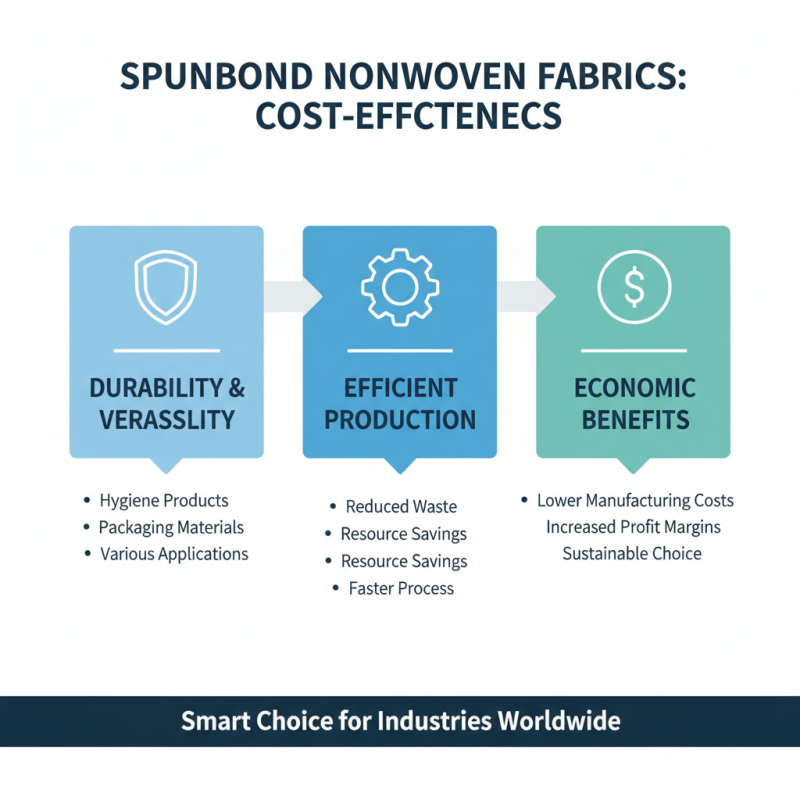
The cost-effectiveness of spunbond nonwoven fabrics is remarkable. These fabrics offer durability and versatility. Industries can utilize them in various applications, from hygiene products to packaging materials. The production process is efficient, reducing waste and saving resources. This leads to significant economic benefits for manufacturers.
Using a Spunbond Nonwoven Fabric Making Machine can further enhance efficiency. The machines operate quickly and require less energy. Lower operational costs translate to improved profit margins. Moreover, the materials produced are lightweight yet strong. This quality makes them ideal for numerous applications.
Tip: Consider the longevity of the products made from spunbond fabrics. They can have a long life cycle, further enhancing their value. Regular maintenance of machines is crucial to optimize performance. Occasionally, it's necessary to reflect on processes to identify areas of improvement. Efficient production ultimately benefits both the environment and the economy.
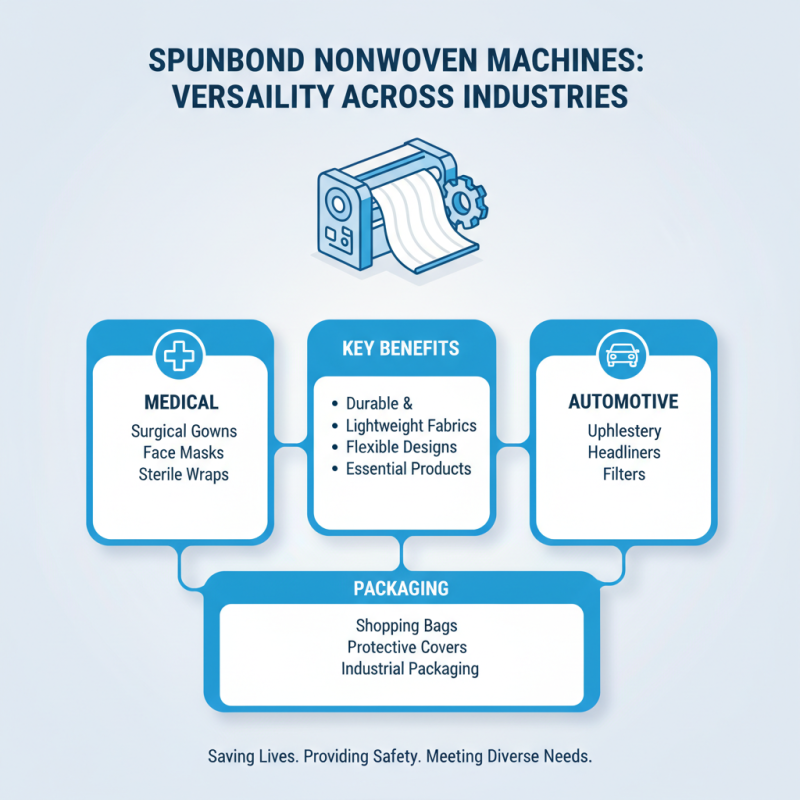
Spunbond nonwoven machines are essential in various industries today. They offer remarkable versatility across applications. These machines produce fabrics that are durable and lightweight. Used in medical, automotive, and packaging sectors, they meet diverse needs. The flexibility in design allows manufacturers to create unique products. For instance, in the medical field, they create surgical gowns and masks. Such essential items save lives and provide safety.
The Spunbond Meltblown Nonwoven Machine combines processes to enhance performance. This technology is critical in filtration products, improving air quality. However, some industries still struggle to adapt. Equipment may require significant investment and training. Those challenges can hinder adoption. Despite this, the benefits are clear. With the right approach, companies can maximize efficiency and reduce waste.
Another interesting aspect is sustainability. Many organizations aim to produce eco-friendly products. Spunbond machines enable the use of recycled materials. However, not all manufacturers prioritize this. The environmental impact can vary significantly. It's crucial for industries to reflect on their practices. Embracing innovation while considering sustainability is the way forward.
Spunbond technology is transforming industries with its sustainable approach. This process utilizes polymer fibers, creating a durable and lightweight material. The environmental impact is significant; spunbond nonwoven fabrics are recyclable. They often use less water and energy compared to traditional textiles. However, the industry must address challenges like waste management.
While spunbond fabrics are a step towards sustainability, the production process generates fiber dust and offcuts. These can contribute to environmental pollution if not managed properly. Effective recycling programs are essential to minimize waste. Additionally, the reliance on synthetic materials raises concerns about plastic pollution. Striking a balance between production efficiency and eco-friendliness demands innovation.
Moreover, consumer awareness about sustainability is growing. Buyers now prefer products that reflect eco-conscious choices. Companies using spunbond technology can tap into this trend, potentially enhancing their market position. However, they must ensure their practices align with sustainable principles. The journey towards complete sustainability in spunbond technology is ongoing, highlighting the need for continuous improvement.
The future of spunbond nonwoven manufacturing is bright and exciting. Innovations are shaping the industry in remarkable ways. One notable trend is the enhancement of Pp Spunbond Nonwoven Machine technologies. These machines are becoming more efficient, making production faster and less resource-intensive.
Sustainability is at the forefront of developments. Manufacturers are increasingly focused on reducing waste and energy consumption. Biodegradable materials are gaining traction. This shift is not just beneficial for the environment; it also appeals to eco-conscious consumers. However, the challenge lies in balancing production efficiency with environmental responsibility. Not all companies are adapting quickly enough.
Automation is another critical trend. Advanced robotics are being integrated into the production processes. This can enhance precision and consistency. Yet, this reliance on automation raises concerns about job displacement in the industry. Finding the right balance between technology and human labor is essential. Companies need to reflect on how to implement these changes responsibly while maintaining workforce morale.
The polypropylene spunbond non-woven fabric sector is experiencing significant growth, driven by the increasing demand in various industries, particularly in hygiene, medical, and automotive applications. According to industry reports, the global polypropylene non-woven fabric market is projected to reach substantial figures by 2028, with a compound annual growth rate (CAGR) of over 6% during the forecast period. The versatility and cost-effectiveness of polypropylene spunbond fabrics make them a preferred choice for manufacturers, enhancing their market penetration.
Recent insights highlight that technological advancements in manufacturing processes also play a crucial role in this growth. Innovations such as improved meltblown and spunbond technologies not only increase production efficiency but also improve the characteristics of the final fabric. These developments are crucial for meeting the rising standards of quality and performance required by end-users across various applications.
Additionally, the rise in sustainability considerations is prompting manufacturers to seek advanced machinery capable of producing eco-friendly non-woven fabrics. The integration of turn-key project services in machine offerings allows for seamless operation and adaptation to varying production needs, thus facilitating faster response to market trends. As industries continue to evolve, the demand for high-quality polypropylene spunbond and meltblown non-woven fabric making machines will undoubtedly grow, underlining the importance of strategic investment in cutting-edge manufacturing technologies.
: The product aims to enhance daily life quality through innovative solutions.
It’s essential to read the instructions carefully for optimal use. Small adjustments may be needed based on personal preference.
Always follow the recommended guidelines. Misuse can lead to unexpected outcomes. It’s wise to stay alert while using.
Regular cleaning is important. Use a damp cloth and avoid harsh chemicals. Neglecting maintenance can lead to issues.
Most return policies allow customers to return items within a specific timeframe. Ensure the product is in original condition.
Yes, a limited warranty is often included. Check the specifics regarding coverage and duration. Keep the receipt for reference.
If problems occur, refer to the troubleshooting section of the manual. Sometimes issues can be simple and need minor fixes.
There might be alternatives available that serve similar functions. Research and compare options based on your needs.
Additional accessories may enhance the experience. Consider what is truly necessary versus what is just nice to have.
Frequency varies by individual needs and preferences. Find a rhythm that feels comfortable but be open to adjustments.
The article explores the numerous benefits of Spunbond Nonwoven Machines, highlighting their crucial role in various industries. These machines enhance production efficiency through advanced technologies, allowing manufacturers to produce high-quality nonwoven fabrics swiftly. The cost-effectiveness of these machines contributes significantly to economic advantages, making them an attractive option for businesses looking to optimize their operations.
Additionally, the versatility of Spunbond Nonwoven Machines enables their application across diverse sectors, from healthcare to agriculture, thanks to the adaptable nature of the fabrics produced. Sustainability is also a key focus, as spunbond technology presents environmentally friendly options for fabric production. Looking towards the future, continuous innovations in Spunbond Nonwoven Manufacturing are expected to further enhance performance and reduce environmental impact, solidifying the importance of these machines in industrial applications.