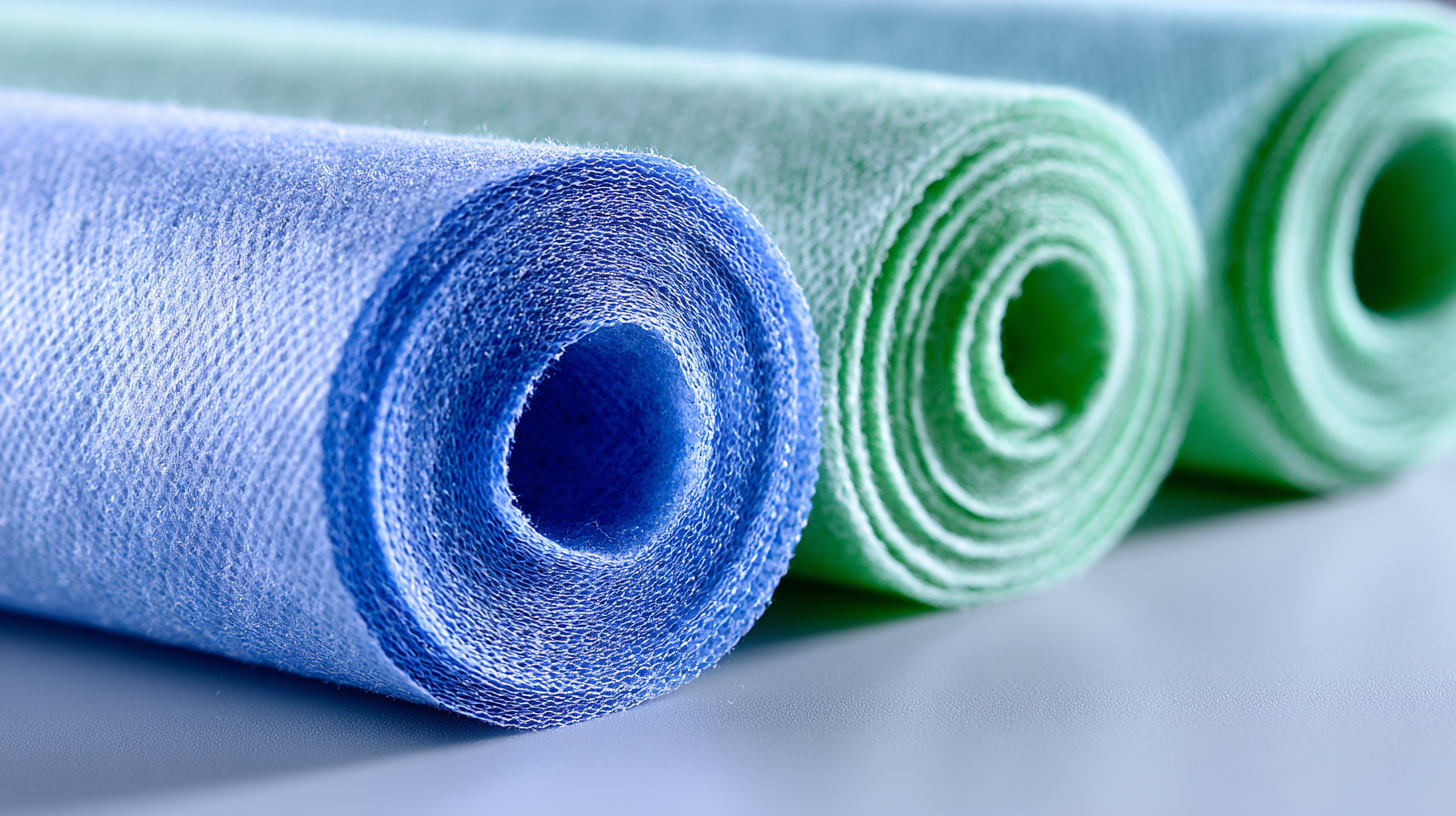
Lately, there's been a real surge in demand for sustainable and high-performance materials across a bunch of industries. That’s one reason why Spunbond Nonwoven Fabric is getting more and more popular. I came across a recent report from Smithers Pira that says the global market for nonwoven fabrics is expected to hit over $54 billion by 2026. A lot of this growth is thanks to new tech innovations and a big shift towards eco-friendly options. At the forefront of all this is PUJIANG HG Nonwoven MachineRY CO., LTD. — they’re really leading the charge, specializing in advanced spunbond, meltblown, and composite nonwoven fabric machinery. Their focus on creating efficient and innovative solutions helps meet the ever-changing needs of the worldwide market.
Thanks to the awesome qualities of Spunbond Nonwoven Fabric—like durability, breathability, and being budget-friendly—industries from healthcare to agriculture are enjoying some pretty transformative benefits. It’s really exciting to see how all this is pushing us toward a more sustainable future.
Benefits of Spunbond Nonwoven Fabric in Medical Applications: Enhancing Safety and Efficiency
You know, spunbond nonwoven fabric has really become a game-changer in the medical world. It’s pretty amazing how it boosts both safety and efficiency. What makes it stand out are things like its strong tensile strength and how well it resists fluids—perfect for stuff like surgical gowns, drapes, and masks we see everywhere in hospitals. I read in a report from Research and Markets that the global market for nonwoven fabrics in healthcare might hit around $12 billion by 2027. And a big reason for that growth? Spunbond technology, because it doesn’t just perform really well, but it’s also cost-effective, which is a huge plus.
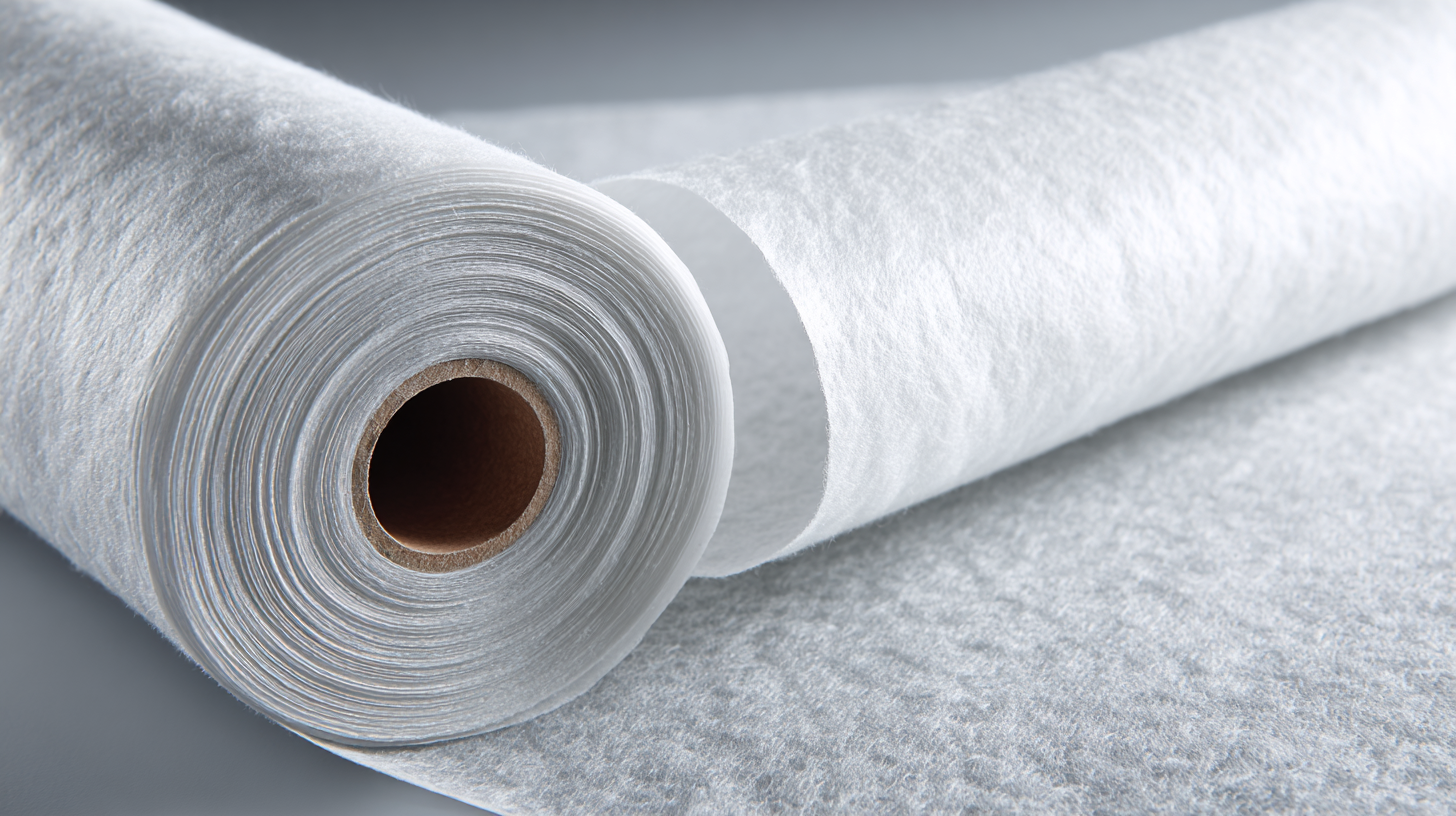
Plus, because spunbond fabrics are breathable and lightweight, they actually make things more comfortable for both doctors and patients. There was a study published in the Journal of Medical Textiles that found using spunbond in protective clothing boosted comfort by about 30% compared to the usual woven fabrics. That kind of increase in comfort really matters—healthcare workers are more likely to stick with the gear, and it helps reduce fatigue during those long procedures. All in all, it’s pretty clear that more and more, the healthcare industry is turning to advanced materials like spunbond fabric to not just protect, but also improve patient care and outcomes.
Exploring the Role of Spunbond Nonwoven Fabric in the Textile Industry for Sustainable Solutions
Spunbond nonwoven fabric has really become a big deal in the textile world lately, especially as more industries start to focus on being eco-friendly. Honestly, this fabric is pretty amazing — it's lightweight, versatile, and effective when it comes to tackling today’s environmental issues. Thanks to new tech, making spunbond nonwoven fabric now often involves eco-conscious methods, which makes it a top pick for manufacturers who want to cut down on their carbon footprint.
You know, more and more, the textile industry is all about finding sustainable options, and spunbond nonwoven is really stepping up to the plate. It’s used in so many areas — like hygiene products, medical supplies, and filters — because it delivers on performance and safety. Plus, with the advent of biodegradable coatings and non-fluorinated finishes, it’s getting even more appealing folks who want environmentally friendly products without sacrificing quality. As demand for nonwoven fabrics keeps growing, embracing spunbond technology seems like a pretty smart move for companies looking for responsible and innovative solutions.
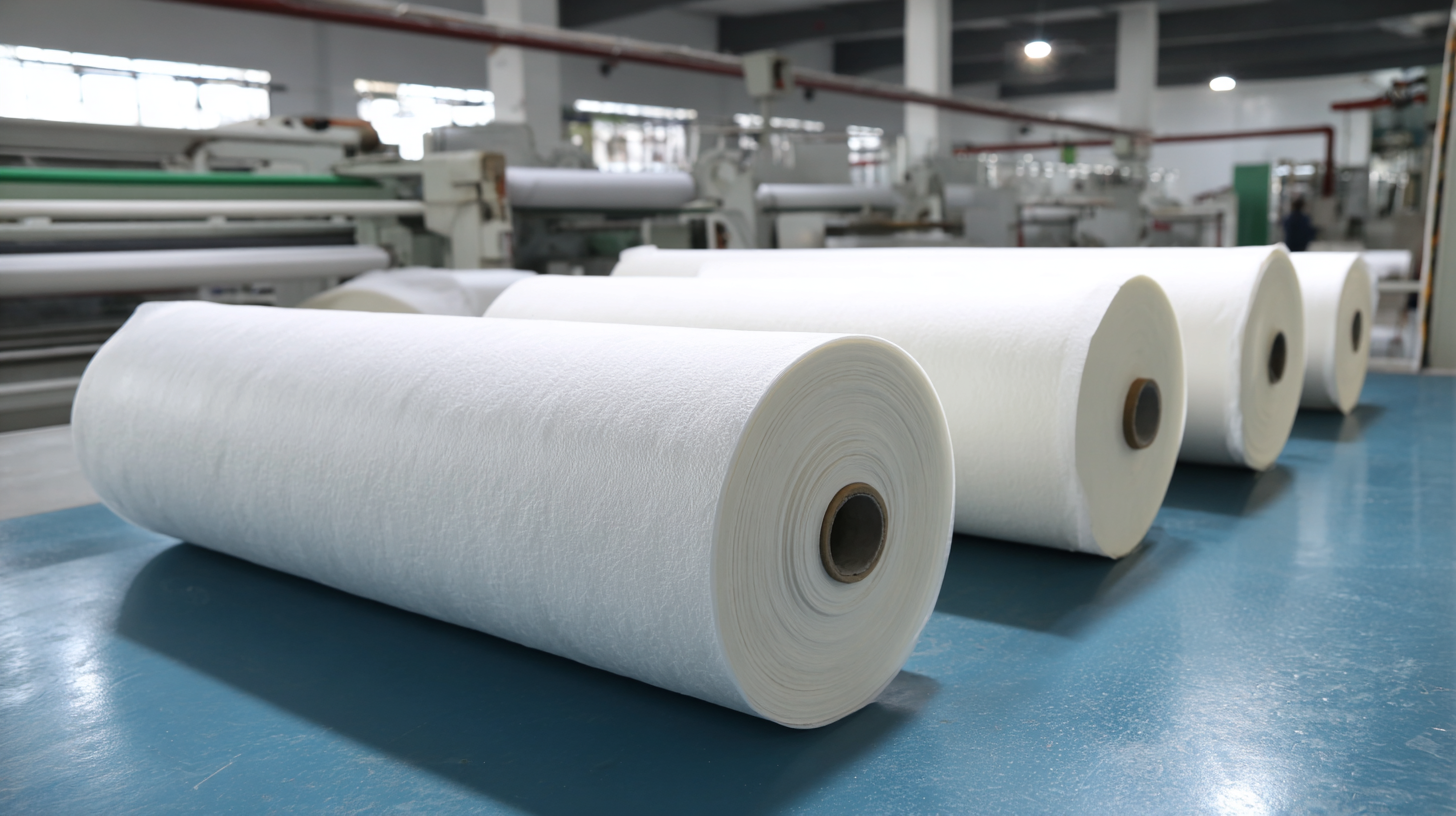
The Impact of Spunbond Nonwoven Fabric in Agriculture: Boosting Crop Protection and Yield
Spunbond nonwoven fabric has really become a game-changer in the agricultural world. It’s amazing how something so lightweight can be so tough and durable at the same time. Farmers are using it more and more for stuff like row covers, mulch mats, and plant protection—stuff that helps shield crops from crazy weather and pesky pests. Because of this fabric, plants can thrive in a microclimate that's a lot more friendly, which basically means healthier crops all around. Plus, it helps farmers stretch out the growing season and cut down on chemical pesticide use, making farming a bit more eco-friendly and sustainable.
What’s really cool is that spunbond fabric is breathable—so air and moisture can still get through, which is great for the soil. When used as mulch, it not only keeps weeds at bay but also locks in moisture, which plants love. The thing is, this fabric isn’t just about squeezing out higher yields; it’s also about taking better care of the environment. That’s why it’s becoming such a vital part of modern farming—more efficient, more productive, and a bit greener. As more industries catch on to how awesome this material is, it’s clear that spunbond fabric is here to stay and will keep pushing the way we farm into the future.
How Spunbond Nonwoven Fabric is Revolutionizing the Construction Sector for Improved Durability
You know, spunbond nonwoven fabric is really making waves in the construction world. It’s lightweight but incredibly tough, so it’s perfect for different tasks like geotextiles or insulation. And the market? It’s expectin’ to hit around $77 billion by 2032, growing at about 6% annually. A lot of that growth? It’s because folks are really looking for materials that are both durable and budget-friendly, especially those that are good for the environment and efficient too.
One of the coolest things about spunbond nonwoven fabric is how well it fights off moisture and mold — essential factors when you’re talking about building longevity. It’s like giving your structures a little extra armor. Plus, with the protective clothing market in nonwovens projected to hit $7 billion by 2035, it just shows how versatile spunbond fabrics are, especially when it comes to safety gear on construction sites.
**Quick tip:** When you’re picking nonwoven fabrics for outdoor use, check if they’ve got good UV resistance — it’s a game changer. Also, if you’re into sustainability, see if you can find options made from recycled materials. Going that route not only helps your project meet industry standards but also contributes a bit to a greener planet. Just some food for thought — little things like that can make a real difference.
Cost-Effective Packaging Solutions: The Advantages of Spunbond Nonwoven Fabric in E-Commerce
Hey, have you noticed how quickly the e-commerce world is changing? Because of that, finding packaging options that are both efficient and eco-friendly has become more important than ever. Lately, spunbond nonwoven fabric has really been gaining popularity—it’s like the go-to material right now. It offers a bunch of benefits that online sellers like us actually need. I came across a report by Research and Markets that says the global market for nonwoven fabrics is expected to grow at a steady 7% CAGR from 2021 to 2028, mainly because more people are starting to use these materials for packaging. What’s cool about spunbond fabric? Well, it’s super lightweight but really tough, which makes it perfect for shipping all kinds of products without making your shipping costs explode because of extra weight.
One of the best things about using spunbond nonwoven fabric in e-commerce packaging is obviously the cost. Honestly, it’s cheaper than traditional stuff like cardboard or bubble wrap but still keeps your goods safe during transit. I read a study by Smithers Pira that mentioned switching over to nonwoven solutions could save companies up to 20% on their packaging expenses—nice, right? And because it’s so durable, your products are less likely to get damaged, which means fewer returns and happier customers all around. All in all, the combination of saving money and ensuring product safety makes spunbond nonwoven fabric pretty much a must-have for the future of e-commerce packaging.
Spunbond Nonwoven Fabric in Automotive Manufacturing: Lightweight Options for Enhanced Performance
You know, spunbond nonwoven fabric has really become a game-changer in the car industry. It’s lightweight but tough enough to help boost vehicle performance. People are loving it more and more because of its cool features—like being durable, flexible, and resisting moisture. Those qualities make it super handy for all sorts of car stuff, from muffling sound to lining the inside, which all adds up to a smoother, more comfortable ride.
A quick tip if you're thinking about using spunbond nonwoven fabric for your cars—pay attention to what your specific needs are. Lighter materials can actually help save fuel without compromising on strength, so it’s worth considering. Also, if you can find options that insulate heat and sound well, your passengers will thank you, since it really boosts comfort.
And here’s something pretty awesome—because everyone’s pushing for more eco-friendly options nowadays, spunbond fabrics are a smart choice. The way they’re made usually takes less energy than traditional materials, and many are made from recycled stuff. That’s a win-win: you’re complying with strict environmental rules and also appealing to buyers who really care about sustainability.
Another thing—when you’re shopping around, try to work with suppliers who care about green practices. That way you can get innovative fabrics that do the job for your cars and also help you stick to your eco goals.
All in all, spunbond nonwovens are proving to be a pretty versatile and eco-conscious choice for today’s auto industry. Definitely something to keep in mind if you’re looking to upgrade or design new vehicle features.
Leveraging Industry Reports: Insights on PP Spunbond Nonwoven Fabric Machines and Their Market Potential in 2023
Leveraging Industry Reports: Insights on PP Spunbond Nonwoven Fabric Machines and Their Market Potential in 2023
In 2023, the market for PP spunbond nonwoven fabric machines continues to gain momentum, driven by the increasing demand for nonwoven fabrics across various industries. These machines are specialized for the production of PP spunbond nonwoven fabrics, which are extensively used in hygiene products, medical textiles, packaging, and agriculture. The process begins with the extrusion of polymer materials to create continuous filaments, a crucial step that ensures the quality and durability of the final product. After extrusion, the filaments undergo conditioning and stretching before being uniformly deposited onto a conveyor belt, where the fabric web is formed.
The efficiency and technological advancements of PP spunbond nonwoven fabric machines play a pivotal role in maximizing production capabilities. The embossing of the fabric enhances its functionality and aesthetic appeal, while winding it into rolls simplifies the handling and transportation processes. Industry reports suggest that manufacturers who invest in advanced machinery will benefit from improved operational efficiencies and higher-quality outputs, positioning themselves competitively in the dynamic nonwovens market. As we delve deeper into 2023, understanding these insights is critical for stakeholders looking to harness the full market potential of PP spunbond nonwoven fabrics.
FAQS
: Spunbond nonwoven fabric is a lightweight and versatile material that has become crucial in the textile industry as it provides sustainable solutions, helping manufacturers reduce their carbon footprint through eco-friendly production processes.
Spunbond nonwoven fabric is widely used in various sectors, including hygiene, medical, and filtration, where performance and safety are essential.
In agriculture, spunbond nonwoven fabric enhances crop protection and yield by acting as a shield against weather conditions and pests, creating a microclimate for healthier plant growth, and reducing the reliance on chemical pesticides.
Spunbond nonwoven fabric is cost-effective and lightweight, making it ideal for shipping products without adding to shipping costs while ensuring protection during transit.
Studies indicate that switching to nonwoven solutions can lead to packaging expense reductions of up to 20% without sacrificing quality.
This material supports environmental sustainability through biodegradable options and the reduction of chemical pesticide use in agriculture, contributing to more responsible and innovative farming practices.
Yes, its breathable nature promotes adequate air and moisture exchange, essential for better soil conditions, and when used as mulch, it helps conserve soil moisture and reduce weed growth.
The growing emphasis on sustainable and eco-friendly options in various industries, coupled with advancements in production technologies, is driving the demand for spunbond nonwoven fabric.
Its durability protects products during transit, which leads to fewer returns due to damage and increases overall customer satisfaction.
Spunbond technology represents a significant opportunity for manufacturers to adopt sustainable practices and create environmentally friendly products while maintaining high quality.
Conclusion
Spunbond nonwoven fabric has really become a game-changer across so many industries. It's packed with benefits that boost safety, make processes more efficient, and even push sustainability forward. For example, in healthcare, it’s huge for maintaining hygiene and making sure patients are protected. In the textile world, companies are turning to spunbond nonwovens as a more eco-friendly solution. Farmers aren't left out either — they use it to shield crops and improve yields. Plus, in construction, this fabric helps make buildings more durable, and when it comes to shipping and packaging, its lightweight nature means big savings. Even in the auto industry, it’s valued for contributing to lighter, better-performing vehicles. It’s pretty clear that spunbond nonwoven fabric is proving to be a real asset everywhere it’s used.
At PUJIANG HG NONWOVEN MACHINERY CO., LTD., we’re passionate about pushing the limits of what’s possible with spunbond nonwoven fabric. We develop high-efficiency, innovative machinery designed to meet the needs of customers around the globe. As we keep working on cutting-edge tech, our goal is to help industries get the most out of spunbond nonwovens and incorporate them seamlessly into their operations.