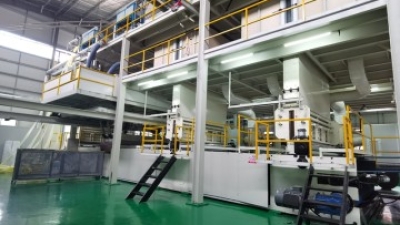
You know, the progress we've seen with Spunbond Spinning Machinesreally marks a huge step forward in making Nonwoven fabrics. It’s like suddenly everything's more efficient and the quality’s just getting better and better. As the global market for these fabrics keeps growing, companies likePUJIANG HG NONWOVEN MACHINERY CO., LTD. are really leading the charge. They’re all about innovation, focusing on creating high-efficiency solutions for spunbond, meltblown, and composite nonwoven machine lines. That’s not just about boosting production — it’s about meeting the ever-changing needs of the industry. By using the latest tech and automation in these machines, manufacturers can streamline their processes, cut down on waste, and deliver much better products to their customers. Honestly, these advancements are a game-changer, helping companies stay competitive while also tackling issues around sustainability and efficiency. It’s pretty exciting to see how all this is shaping the future of nonwoven fabric production.
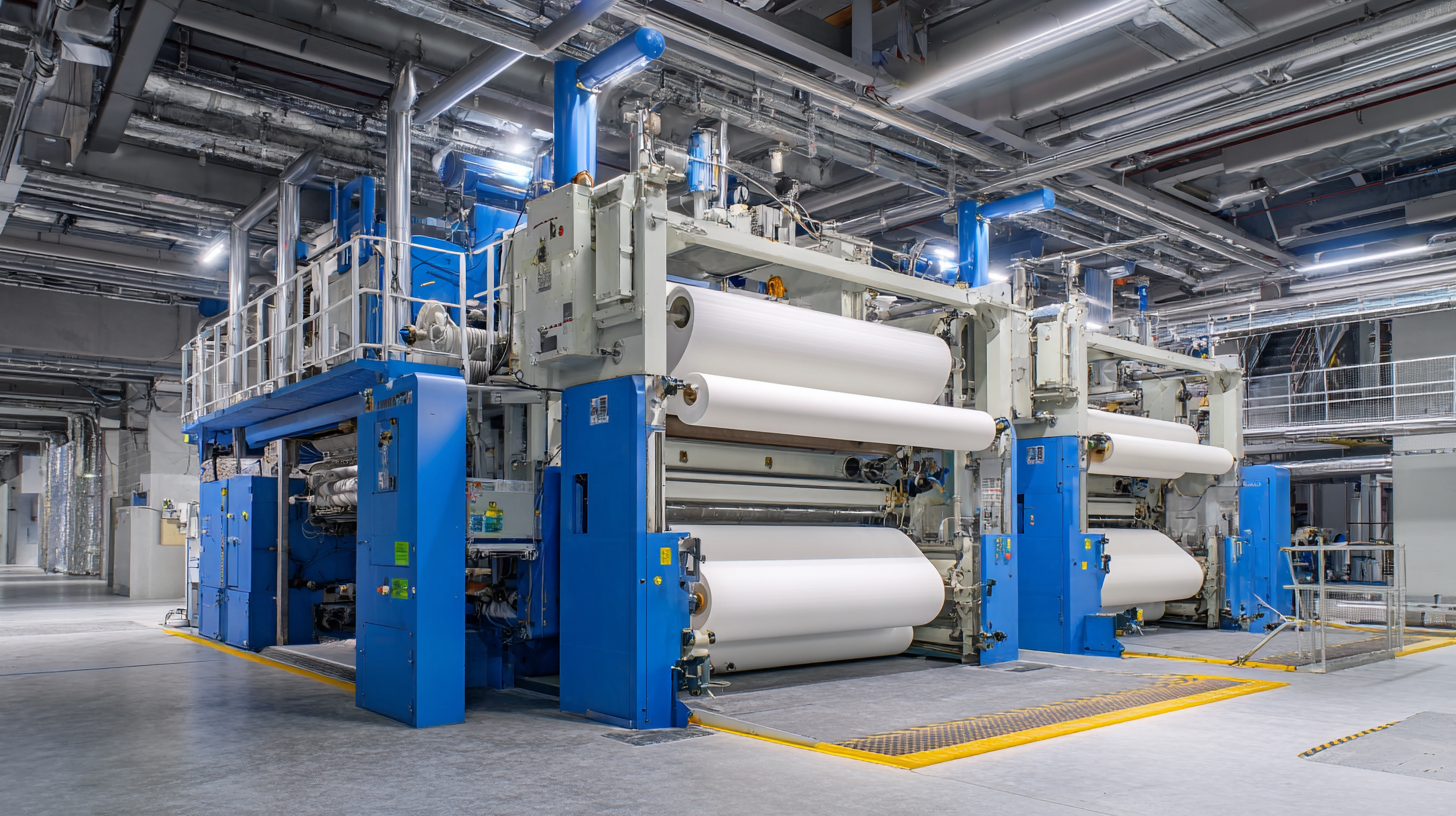
Advancements in Automation Technology for Spunbond Spinning Machines
You know, when we talk about automation in spunbond spinning machines, it’s really shaking up how nonwoven fabrics are made—something that’s super important in the textile world. Recent studies suggest that adding automation could boost productivity by as much as 30%. That’s a big deal, especially since the need for nonwoven fabrics is just skyrocketing, thanks to their use in everything from hygiene products to medical gear and industrial stuff.
Plus, with these new automation systems, companies can monitor things in real-time and tweak the processes on the fly, which totally ups the efficiency game for spunbond machines. Industry insiders are saying the market for this tech is expected to grow at around 5.5% annually over the next five years. And a big part of this growth? The latest machinery that cuts costs but still keeps the quality high.
Oh, and by the way, with the K 2025 exhibition happening in Düsseldorf soon, it’s looking like an exciting time for manufacturers. It’s gonna be a great chance to see all the latest innovations and figure out how to stay ahead in a constantly changing market.
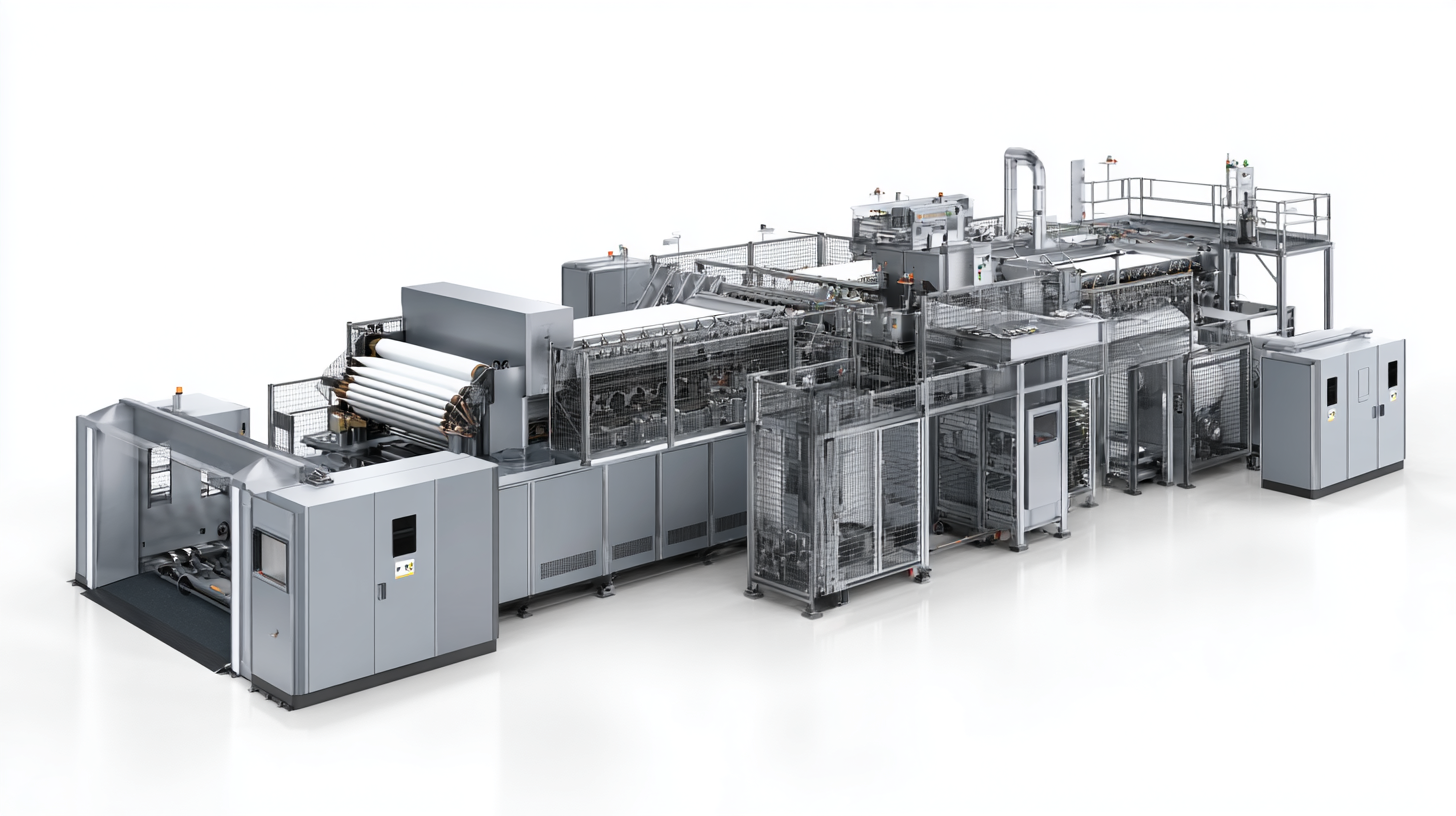
Integration of IoT Solutions for Real-Time Monitoring in Nonwoven Production
So, integrating Internet of Things (IoT) tech into nonwoven fabric production is a pretty big step forward in making things run smoother and more efficiently. With real-time monitoring tools, manufacturers can keep a closer eye on their spunbond machines—tracking stuff like temperature, speed, and raw materials on the fly. This means they can make quick adjustments when needed, which helps cut down on downtime and waste. In the end, it saves money and boosts the quality of the final product.
But it gets even better—these IoT systems also pave the way for predictive maintenance. Basically, they can spot potential problems before things break down completely. By analyzing data as it comes in, operators can plan maintenance in advance, so production keeps rolling without unexpected halts. Moving towards this data-driven approach not only improves the manufacturing process but also helps companies use their resources more wisely, making the entire nonwoven fabric industry more productive and agile.
Advancements in Spunbond Spinning Machines Driving Efficiency in Nonwoven Fabric Production - Integration of IoT Solutions for Real-Time Monitoring in Nonwoven Production
| Parameter | Value | Unit |
| Production Speed | 300 | m/min |
| Energy Consumption | 120 | kWh/t |
| Raw Material Efficiency | 95 | % |
| Downtime | 2 | hrs/week |
| IoT Integration Level | High | - |
| Data Accuracy | 99 | % |
Impact of Advanced Fiber Materials on Production Efficiency Metrics
Over the years, the way advanced fiber materials have evolved really been a game-changer for the manufacturing of nonwoven fabrics. Using high-performance fibers allows producers to boost key qualities in their final products, like strength, durability, and water resistance. These improvements aren’t just fancy—they actually help create fabrics that hit industry standards and match what customers are after, all while cutting back on waste and energy use during production. It’s pretty cool how much of a difference that makes!
On top of that, embracing these advanced fiber tech has sparked some serious innovation in spunbond spinning machines. These machines are now better equipped to handle different types of fibers, running at faster speeds and more reliably than ever before. The upside? Higher output, less downtime, and lower maintenance costs. All this synergy between cutting-edge fibers and modern spinning tech is really pushing the industry forward—making production more efficient and giving manufacturers the agility to keep up with market trends and what customers want, without breaking a sweat.
Enhancements in Energy Efficiency within Spunbond Manufacturing Processes
The nonwoven fabric industry has been going through some pretty big changes lately, especially when it comes to spunbond technology. You know, recent upgrades in spinning machines have really boosted energy efficiency — which is a big deal for manufacturers trying to cut costs without sacrificing quality. According to the latest report from Smithers Pira, energy use in nonwoven production has improved by about 15 to 20% over the past few years, thanks to smarter machine designs and tweaks in the process.
A lot of these improvements come down to things like smarter automation and real-time monitoring. For example, many companies have shared that switching to high-speed spinning machines with energy-efficient motors has cut their energy bills by up to 30%. Plus, recycling waste heat produced during manufacturing has added to these savings, making the whole process a lot greener. As demand for nonwoven fabrics—think medical and hygiene stuff—keeps climbing, finding ways to use less energy is going to be super important for companies wanting to stay competitive in this fast-changing market.
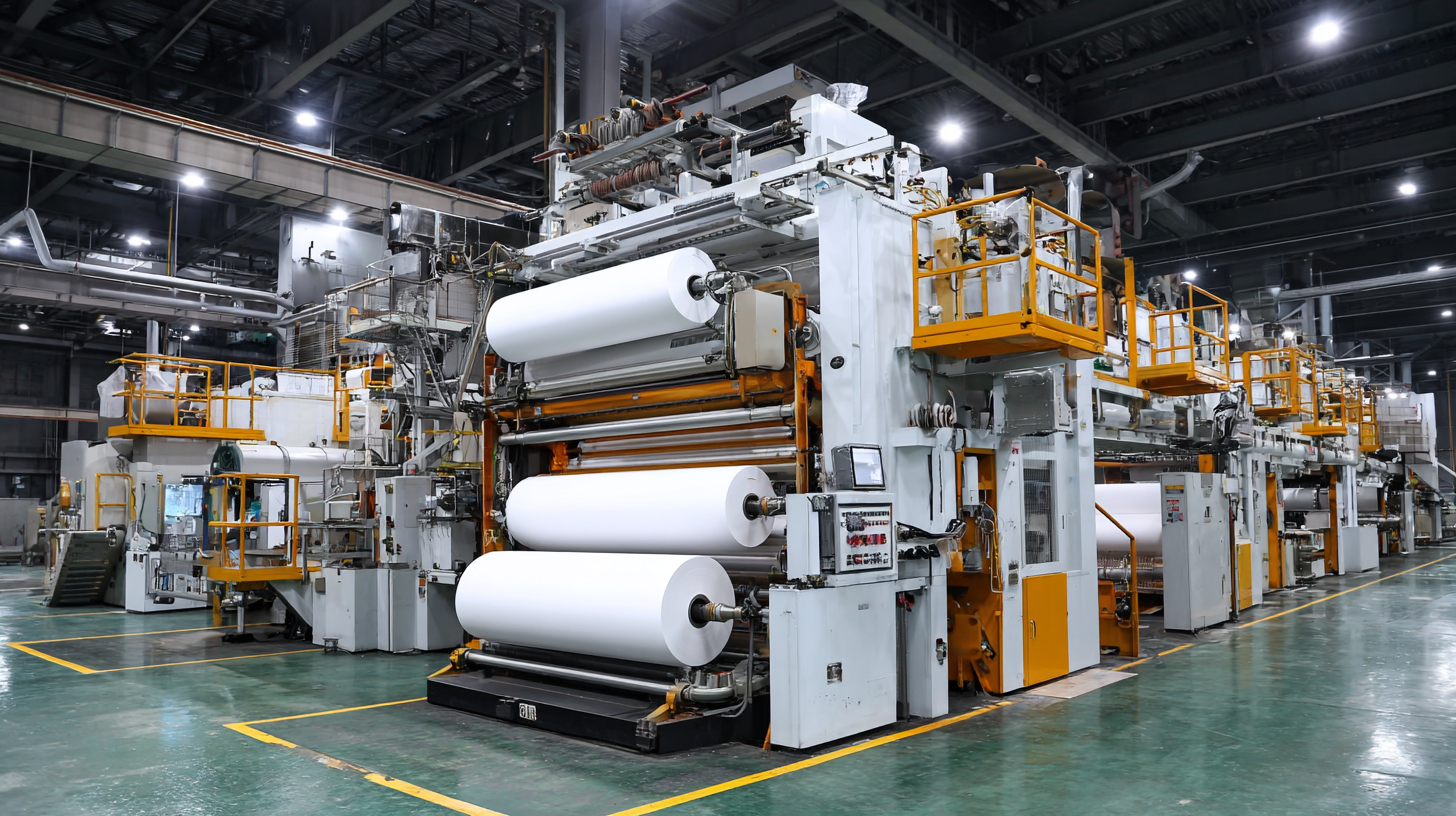
Utilization of AI for Predictive Maintenance in Nonwoven Fabric Machinery
You know, the way artificial intelligence (or AI) is finally making waves in the nonwoven fabric industry? It’s pretty exciting, especially when it comes to predictive maintenance. Companies like PUJIANG HG NONWOVEN MACHINERY CO., LTD., which specializes in high-tech spunbond, meltblown, and composite nonwoven lines, are starting to see the real benefits of bringing AI into the picture. I read somewhere that according to Smithers Pira, using AI for predictive maintenance can cut down maintenance costs by up to 30% and nearly wipe out downtime—like by 70%! That’s a game-changer, right? It really shows how AI can seriously boost production efficiency.
Basically, with these smart algorithms, manufacturers can analyze machine data as it’s happening—kind of like having a digital health check—so they can spot issues before things go wrong. This means repairs can be planned ahead of time, and unexpected breakdowns become a thing of the past. Not only does this make the whole production process smoother, but it also helps companies be more eco-friendly by using resources more wisely and cutting waste. As the market for high-quality nonwoven materials keeps growing, staying ahead with AI-driven insights is going to be key for manufacturers wanting to stay competitive globally. And with new advances in spunbond machines, it looks like the future of fabric manufacturing is heading into some pretty exciting territory—getting more efficient and innovative all the time.
Trends in Sustainability and Their Influence on Spunbond Fabric Production
Lately, sustainability has really been shaping the whole game when it comes to spunbond fabric production. It’s kind of a reflection of the bigger industry shift toward being more eco-friendly, you know? With the rising demand for nonwoven fabrics, especially in hygiene and medical fields, manufacturers are feeling the pressure to switch to sustainable materials. If you look at recent market reports, China’s nonwoven fabrics scene is expected to grow quite a bit, especially with an emphasis on biodegradable and recycled options like polyester and polypropylene. This isn’t just about matching what consumers want — it’s also about aligning with global efforts to be greener.
To keep production efficient while sticking to eco-friendly practices, companies like PUJIANG HG NONWOVEN MACHINERY CO., LTD. are really leading the charge with some pretty advanced machinery that boosts spunbond production. Thanks to new tech in spunbond spinning machines, manufacturers can now produce fabrics that are top quality but also waste less and use less energy. Striking that balance between efficiency and sustainability is pretty much a must if you want to stay competitive in today’s ever-changing nonwoven market.
**A quick tip:** When you're picking out spunbond machinery, look for options that can handle sustainable materials and are flexible enough to adapt to different production lines. Keeping the equipment well-maintained and upgrading when needed can also make a big difference — it helps things run smoothly, cuts down on waste, and extends the lifespan of your machines. And don’t forget to stay updated with the latest industry trends and tech — new advancements can open up some great opportunities to be more efficient and eco-friendly.
Advancements in Spunbond Spinning Machines Driving Efficiency in Nonwoven Fabric Production
Innovative Technologies and Applications of PP Spunbond Nonwoven Fabric Making Machines
The production of nonwoven fabrics has seen significant advancements with the introduction of innovative technologies, particularly in the realm of PP spunbond nonwoven fabric making machines. The HG Spunbond model exemplifies this cutting-edge technology, enabling manufacturers to enhance their operations across various sectors, including hygiene, medical, agriculture, and construction. As industries increasingly adapt to demand for more sustainable and efficient materials, the role of high-quality nonwoven fabrics becomes paramount.
Recent reports indicate that the global nonwoven fabrics market is expected to reach approximately $50 billion by 2028, driven by an increasing need for eco-friendly and cost-effective materials. The HG Spunbond nonwoven fabric making machine stands out in this competitive landscape. It is engineered for reliable performance and superior quality output, making it a vital investment for manufacturers looking to streamline production. Its efficiency not only boosts productivity but also lowers operational costs, ensuring competitive pricing in a rapidly evolving market.
Furthermore, the design and functionality of the HG Spunbond machine contribute to its versatility, allowing it to cater to various applications. Studies show that spunbond nonwoven fabrics possess excellent barrier properties, strength, and filtration capabilities, making them ideal for use in personal protective equipment and filters. As innovation continues to shape the industry, the adoption of advanced machines like the HG Spunbond will be crucial for manufacturers aiming to meet user demands while promoting environmental sustainability.
FAQS
I in nonwoven fabric machinery?
According to a report by Smithers Pira, predictive maintenance can reduce maintenance costs by 25% to 30% and downtime by 70%.
AI helps optimize resource use and reduce waste in fabric production, contributing to sustainability goals while enhancing production capabilities.
There is a growing trend towards sustainability, with increasing demand for biodegradable and recycled materials in spunbond fabric production to meet consumer preferences and global sustainability goals.
Manufacturers are focusing on biodegradable and recycled materials such as polyester and polypropylene to cater to the rising demand and sustainability standards.
The company produces advanced machinery designed for high-efficiency spunbond processes, enabling the production of fabrics that meet quality requirements while minimizing waste and energy consumption.
Manufacturers should consider options that allow for the use of sustainable materials, offer flexibility in production lines, and ensure regular maintenance and upgrades for optimal performance and longevity.
Staying informed allows manufacturers to leverage new opportunities for efficiency and eco-friendliness, ensuring they remain competitive in the evolving nonwoven market.
Conclusion
Lately, there’ve been some pretty exciting advancements in spunbond spinning machines that are really pushing efficiency in making nonwoven fabrics. Thanks to automation and IoT tech, factories can now keep a close eye on things in real-time, which means faster tweaks and better control over the whole process. When you combine these tech upgrades with new, high-quality fiber materials, it’s no wonder production rates are improving so much.
On top of that, there's a real focus on energy efficiency in spunbond manufacturing, which is a game-changer for sustainability. Using AI for predictive maintenance helps keep machines running smoothly, cutting down on downtime and saving costs. As companies like PUJIANG HG NONWOVEN MACHINERY CO., LTD. keep embracing these cutting-edge innovations, things look pretty bright for the future of spunbond fabric production — aligning perfectly with the global push for higher efficiency and greener practices.