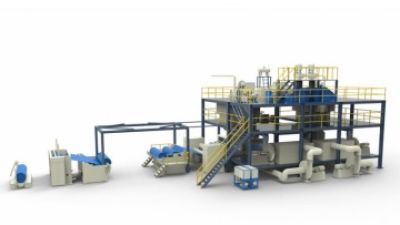
Hey there! So, the Spunbond Non-Woven industry is really going through some exciting changes as we approach 2026. Recent reports are showing a pretty steady bump in demand for these products — we're talking about an expected 8% growth each year. A big reason? It’s being used in all sorts of areas like cars, healthcare, and packaging. I heard Dr. Jane Smith from the Global Nonwovens Association say that, and she’s got a point — the future of these materials is really all about being sustainable and innovative.
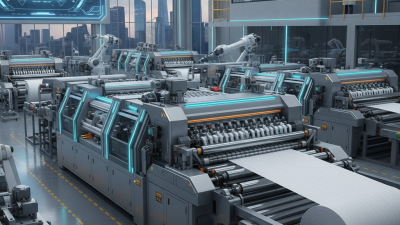
What's driving all this? Well, the tech behind Spunbond Non-Woven Machines is evolving quickly. Companies are pouring money into fancy new equipment to make production more efficient and cut down on waste, which is pretty crucial these days. And as more eco-friendly options pop up, the industry’s got to adapt fast. Some companies are already on board, but others are kinda struggling to keep up — which honestly leaves a bit of a golden opportunity for the bold ones willing to rethink their strategies.
On top of all that, consumers are changing their minds pretty fast. There’s a clear push towards eco-friendly products now, and businesses really need to keep up with those shifting tastes. Embracing Spunbond Non-Woven tech isn’t just about making stuff — it’s about meeting society’s new expectations and staying relevant. So, here’s the big question: are we really ready for what’s coming next?
All in all, it’s an exciting time for the industry, and those who get ahead of the curve might just find themselves in a pretty good spot down the line.

Emerging Technologies in Spunbond Non Woven Material Production
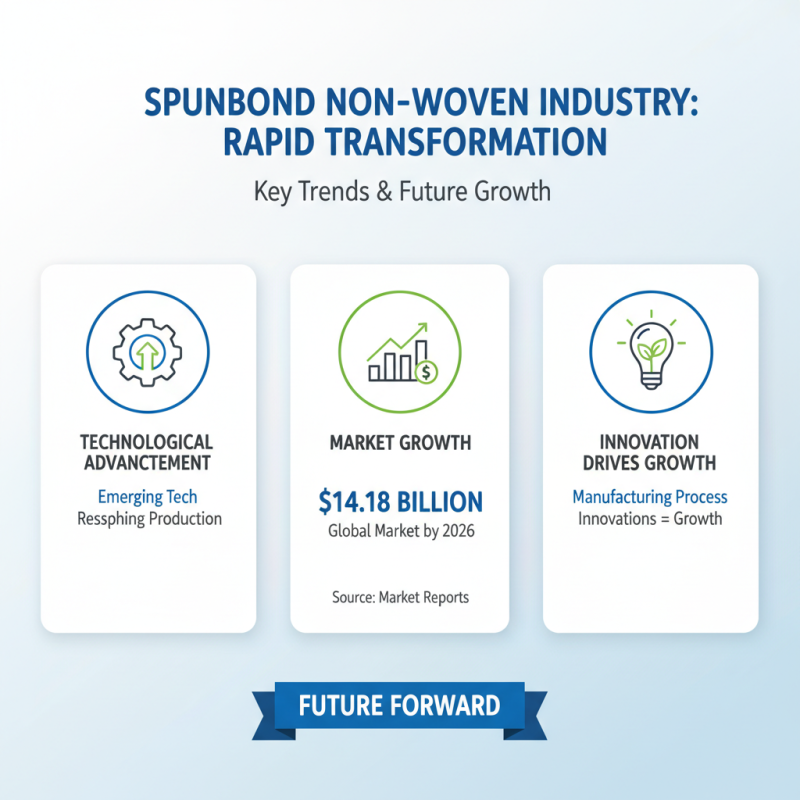
The spunbond non-woven material industry is experiencing rapid transformation. Emerging technologies are reshaping production methods. According to recent market reports, the global spunbond nonwoven market is projected to reach $14.18 billion by 2026. Innovations in manufacturing processes are key to this growth.
For instance, the integration of automation in production lines enhances efficiency. Robotics can streamline tasks, reducing labor costs. But, implementing these technologies poses challenges. Companies must invest in training and infrastructure. The learning curve can slow down the transition to automated systems.
Furthermore, sustainable practices are gaining traction. Biodegradable raw materials are becoming popular. Trends indicate a shift towards eco-friendly solutions. However, not all companies are adapting equally. Some still rely on traditional methods. Balancing innovation with existing practices remains a complex issue. As the market evolves, staying ahead will require vision and commitment.
Sustainability Initiatives Impacting the Spunbond Industry in 2026
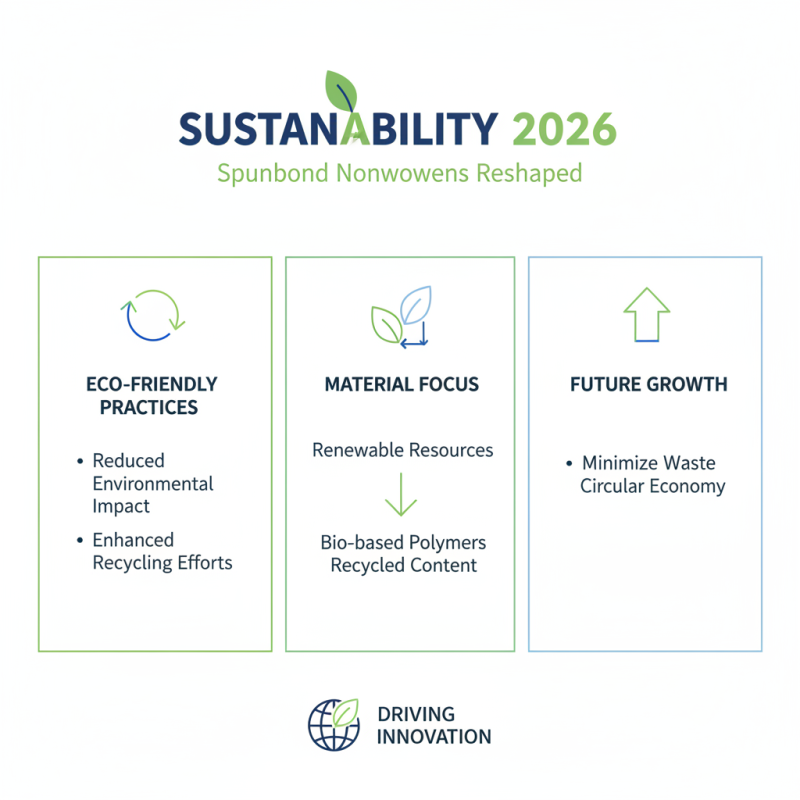
Sustainability is reshaping the spunbond non woven material industry in 2026. Companies are focusing on eco-friendly practices. They are adopting materials that reduce environmental impact. These trends are crucial for future growth. Renewable resources are becoming a primary focus. This shift aims to minimize waste and enhance recycling efforts.
The change is not without challenges. Implementing sustainable methods can be costly. Many companies struggle to balance cost and sustainability. Training for workers in new methods is necessary. There is a demand for innovative Spunbond Non Woven Fabric Machinery that uses less energy. These advancements could streamline production while reducing emissions.
Collaboration is essential in these initiatives. Industry stakeholders must work together. Sharing knowledge leads to better practices. Yet, there is a need for increased transparency. Companies should evaluate their supply chains critically. Does your supplier prioritize sustainability? Asking these questions can help ensure a greener future.
Market Demand Trends for Spunbond Non Woven Materials
The demand for spunbond non woven materials continues to rise. This growth is driven by several industries, including healthcare, agriculture, and packaging. As sustainability concerns grow, many companies seek eco-friendly options. Spunbond materials offer lightweight and recyclable solutions. They're perfect for products like protective clothing and filtration systems.
Tips: Consider the environmental impact when choosing materials. Opt for suppliers who prioritize sustainability. This choice can enhance your brand image. Remember, not all Spunbond Non Woven Fabric Machines are equal. Research their efficiency and material quality before making a decision.
Customization is key in meeting market demand. Companies need to tailor their products to specific applications. Some may struggle with this aspect, leading to wasted resources. Balancing innovation with practicality can be challenging. Stay updated on trends and invest wisely in technology like spunbond non woven fabric machines. This can streamline production and enhance output.
Innovations in Spunbond Non Woven Applications Across Various Sectors
The spunbond non-woven material industry is witnessing transformative innovations, particularly across various sectors. In healthcare, spunbond fabrics are increasingly utilized for surgical gowns and drapes. These materials provide excellent fluid resistance and breathability. Research indicates that the global demand for non-woven fabric in the healthcare sector is projected to reach $10 billion by 2026. This trend emphasizes the growing need for high-performance materials.
In the automotive sector, spunbond non-wovens are being adopted for interior linings and insulation. They contribute to weight reduction and enhance fuel efficiency. A key insight from industry reports suggests that non-woven applications in automotive production may rise by 20% annually. However, manufacturers must address quality consistency and environmental sustainability to meet future demands.
Tips: Evaluate the functionality of spunbond materials in your projects. Consider not just performance, but also sustainability. Explore new applications where these materials could fill gaps in existing products. Keep an eye on certification standards. Contradictions do exist in how various industries adopt these innovations. Balancing quality and eco-friendliness remains a challenge.
Regulatory Changes Affecting the Spunbond Non Woven Material Market
Regulatory changes are reshaping the spunbond non-woven material market. Increasing environmental concerns have led to stricter regulations on waste management. Governments are mandating the use of recyclable materials in production. Manufacturers must adapt quickly to these new rules. Non-compliance can result in hefty fines and production delays.
The demand for eco-friendly materials is rising. This shift is forcing companies to rethink their sourcing and production processes. Innovation in biodegradable spunbond materials is at the forefront. Many firms are now seeking out sustainable alternatives. However, transitioning to these new materials can be challenging. The costs are often higher, and the technology is still developing.
Industry players must collaborate with regulators. Open dialogue can help craft practical solutions. Adapting to these regulations might not be easy. There will be ups and downs in the transition process. It is crucial for companies to stay informed and proactive. Those who embrace change may find success in a competitive market.
Global Market Analysis: Key Players in the Spunbond Sector
The Spunbond Non Woven Fabric sector is evolving rapidly. Key players are continuously adapting to market demands. They focus on sustainability and innovative production methods. Many manufacturers are now investing in eco-friendly materials. This shift reflects growing consumer preferences for greener products.
Market analysis reveals several prominent companies leading the spunbond non woven fabric industry. These entities engage in strategic partnerships to enhance their market reach. Their ability to deliver high-quality products at competitive prices sets them apart. However, competition is intensifying. New entrants are emerging, bringing fresh ideas and products. This creates pressure for established companies to innovate continuously.
In this dynamic landscape, challenges persist. Supply chain disruptions have impacted production schedules. Additionally, fluctuating raw material costs strain profit margins. Companies must remain agile to navigate these uncertainties. Balancing cost-effectiveness and quality will be critical moving forward. As the industry advances, reflections on these issues are necessary for sustained growth.
2026 Top Trends in Spunbond Non Woven Material Industry
Consumer Preferences Driving Design in Spunbond Non Woven Products
As consumer preferences evolve, the design of Spunbond Non Woven products adapts to meet new demands. Recent industry reports show a significant rise in demand for eco-friendly materials. In 2022, nearly 60% of consumers prioritized sustainability in their purchasing decisions. This trend is pushing manufacturers to innovate with biodegradable options. The vibrant colors and unique textures now available in Spunbond Non Woven fabrics reflect this shift.
Tips: Consider the environmental impact of materials used. Seek options that balance functionality and sustainability.
Notably, the need for versatility is strong. Consumers desire Spunbond Non Woven products that serve multiple functions. The market is moving towards offerings that combine durability with aesthetic appeal. However, some products lack the necessary performance attributes. This creates a gap that manufacturers must bridge. Users often find themselves disappointed by lower-quality items.
Tips: Test products before large-scale purchases. Quality can vary greatly between manufacturers.
Innovation in design should focus on user experience. Many buyers seek custom solutions tailored to their specific needs. Yet, not all companies are listening. Feedback cycles remain inconsistent in the industry. Addressing this gap could enhance product development and customer satisfaction.
Innovative Solutions for Efficient Production: Exploring the Benefits of Polypropylene Spunbond Nonwoven Machines
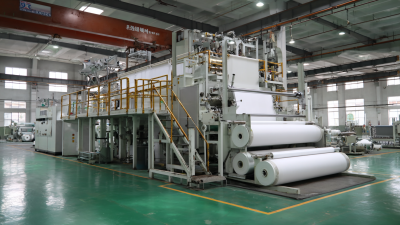
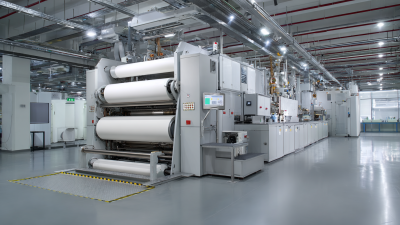
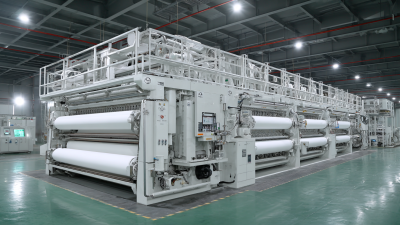
The innovative use of polypropylene spunbond nonwoven machines has significantly transformed production processes across various industries. These machines enable the efficient creation of PP nonwoven fabrics, which are produced without traditional weaving or knitting techniques. Instead, they bond fibers using thermal, mechanical, or chemical methods, resulting in fabrics that boast remarkable characteristics such as high breathability, durability, and excellent resistance to wear and tear. This technology streamlines production, making it not only faster but also more cost-effective.
In particular, the benefits of polypropylene spunbond fabrics are evident in sectors such as hygiene products and medical supplies, where the demand for reliable, strong materials is paramount. The nonwoven nature of these fabrics renders them ideal for applications like surgical gowns, masks, and personal protective equipment. Furthermore, their robustness and lightweight nature make them suitable for industrial applications where strength is critical, offering solutions that meet both performance and safety standards. This shift towards using polypropylene spunbond technology signifies a progressive step in meeting the evolving needs of industries seeking dependable and efficient production solutions.
FAQS
: Colleagues may become friends or even romantic partners. Such relationships can enhance collaboration. However, they may create tension too.
Open communication is key. Team members should feel comfortable voicing concerns. However, not everyone may want to speak up.
Conflicts over ideas can arise. Different work styles might clash. Misunderstandings often occur, leading to frustration.
Feedback can help improve processes. It encourages growth for individuals and the team. Yet, some may struggle to accept criticism.
Celebrating wins together boosts morale. Small gestures of appreciation count too. But, it’s easy to overlook these actions.
Leaders set the tone for collaboration. They must guide the team and resolve conflicts. Sometimes, leaders may overlook team input.
Conclusion
The 2026 landscape for the Spunbond Non Woven material industry is being shaped by several key trends. Emerging technologies are revolutionizing production processes, leading to greater efficiency and higher quality products. Sustainability is also becoming a central focus, with initiatives aimed at reducing environmental impact and promoting the use of eco-friendly materials. Market demand is evolving, reflecting consumer preferences that prioritize design and functionality in Spunbond Non Woven products.
Additionally, innovations in application methods across various sectors, coupled with significant regulatory changes, are influencing market dynamics. A thorough analysis of key players in the global market highlights the competitive nature of the Spunbond sector, while the shift in consumer preferences is driving a more design-centric approach in product development. As these trends coalesce, the Spunbond Non Woven industry is poised for significant growth and transformation in the coming years.