Leave Your Message
So you're a global buyer checking out a 2026 SS Nonwoven Machine, right? The market's pretty intense these days – demand's climbing, and everyone's cranking up the performance bar. Smithers put out this big report, 'The Future of Nonwovens to 2028', and they're saying global production will jump from about 13.8 million tonnes in 2023 to 17.1 million by 2028. That kind of growth changes everything. You can't just shop by price anymore. The line you pick affects consistency, energy usage, how quickly you can switch over, and honestly, the quality of every single roll you turn out.
You know, it's the little things that really make a difference. A reliable Spunbond line isn't just about luck – it's about precise polymer feeding, making sure the melt spreads evenly, controlling how the web forms, and having winding you can count on. And when you're choosing a line, don't just look at speed alone – you've got to factor in the basis-weight range, fabric width, automation level, how easy it is to maintain, and what kind of after-sales support you'll get. Sure, a fast line sounds great, but fast doesn't automatically mean right. So take the time to dig into test data and talk to people who've installed similar lines – that'll tell you a lot more than any brochure.
Dr. Behnam Pourdeyhimi – you might know him as the Executive Director of The Nonwovens Institute – is a big deal in this engineering world. Here's the gist of his take: you design the process around the performance you need from the material, not the other way around. Now, that's not an exact quote, just me paraphrasing, but you get the idea. And that's actually a really important lesson for buyers: before you start comparing specs on different machines, you've got to nail down what you actually need the end product to do. Makes sense, right? You know, when you look at the Sss Nonwoven Machine market, you'll find suppliers with all sorts of different engineering talents, service networks, and commissioning know-how. But here's the thing—some brochures totally skip over the stuff you actually need to know. So, don't be shy about asking for the documented output conditions, how long spare parts really take to arrive, and what the clear acceptance criteria are. It's better to know before you jump in, right? So, I put together this guide for buyers looking globally. It walks through the top manufacturers, but here's the thing—I only care about what they can actually do, not the flashy claims they make. You know, the stuff that sounds impressive but falls apart when you dig deeper. I'm all about real, checkable capabilities, not just hype.
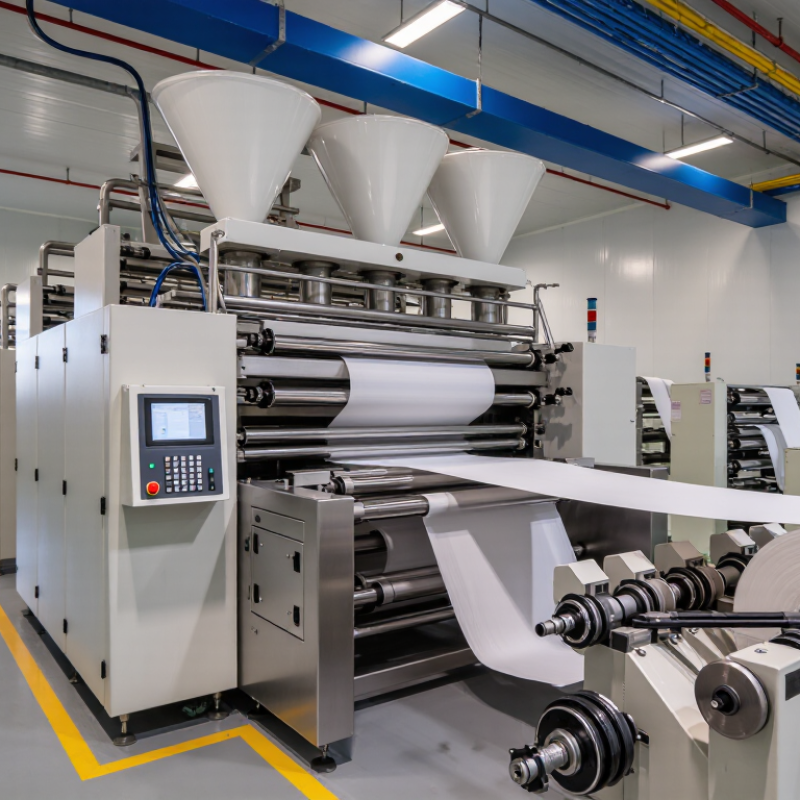
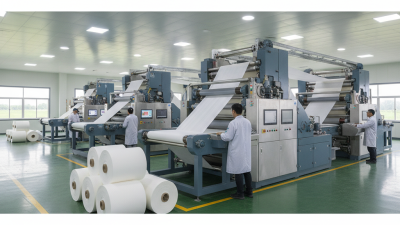
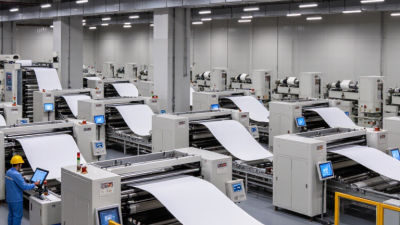
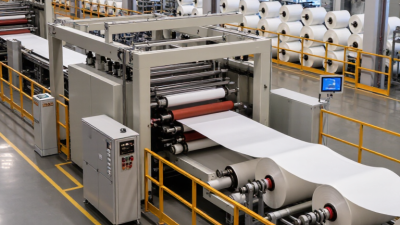
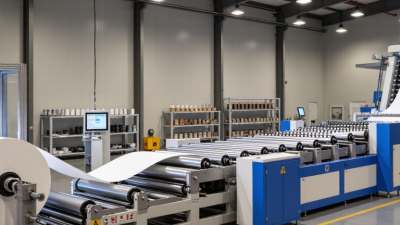
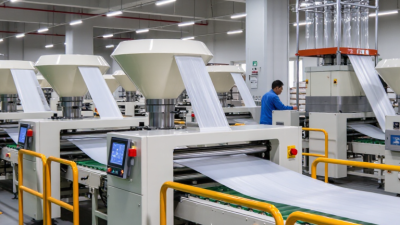
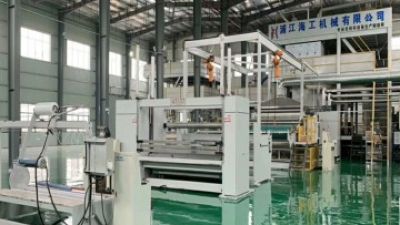
An SS Nonwoven Machine combines two spunbond production lines to form a layered fabric web. Polymer is melted, pushed through spinnerets, and drawn into fine continuous filaments. Airflow lays the filaments into two webs, which meet and bond through heated rollers. The result is a lightweight material whose strength, softness, and uniformity depend on fiber design and operating settings. Small changes matter.
Manufacturers use SS nonwoven fabric in hygiene products, disposable bedding, packaging, and some protective garments. For example, a diaper component may need a soft surface, while a packaging layer may prioritize strength. These materials are not interchangeable by default. Buyers should confirm the required weight, width, tensile performance, and intended use before selecting a production line. In practice, sample results can differ from expectations, so specifications need verification.
Tips: Ask for trial-run samples and check basis weight across the web, bond consistency, and edge quality. Keep notes on temperature and line speed. A neat sample is useful, but repeatable production matters more. Don’t skip the test.
| Comparison Dimension | Technical Information | What Global Buyers Should Check |
|---|---|---|
| What “SS” Means | An SS line forms two spunbond layers in one production line. Continuous thermoplastic filaments are laid into webs, which are combined and bonded to make a nonwoven fabric. | Confirm the proposed line configuration produces two spunbond layers and clarify whether additional layers or processes are included. |
| Typical Polymer | Polypropylene (PP) is commonly used for spunbond nonwovens. Other polymers may be possible when supported by the line design and product specification. | Check polymer compatibility, resin requirements, material handling, and the supplier’s documented processing recommendations. |
| Main Process Stages | A typical line includes polymer extrusion, melt filtration, metering, spinning through spinnerets, filament cooling and drawing, web formation, thermal bonding, and winding. | Request a process-flow diagram and confirm which equipment, controls, and auxiliary systems are included in the quoted scope. |
| Web Bonding | Thermal calender bonding is commonly used. Heated rolls bond the web at selected points while retaining the required fabric structure and properties. | Review the bonding method, calender configuration, temperature and pressure controls, and the available product-setting range. |
| Fabric Properties | Finished fabric properties depend on factors such as basis weight, filament formation, web uniformity, bonding conditions, and the intended end use. | Ask for trial data and test methods for basis weight, tensile strength, elongation, appearance, and other application-specific requirements. |
| Hygiene Applications | Spunbond fabrics can be used as components in products such as diaper and incontinence-product outer covers and other hygiene-related layers. | Verify softness, strength, uniformity, and compatibility with the converting process. Product performance depends on the complete product design. |
| Medical and Protective Products | Spunbond fabric may be used in medical or protective products, often as one layer in a composite. Spunbond fabric alone should not be assumed to provide a specified barrier performance. | Identify the applicable product and regulatory requirements, and verify performance using the relevant finished-material tests. |
| Agriculture and Packaging | Potential applications include crop covers, plant protection materials, bags, and packaging components, subject to the fabric’s design and performance. | Match the fabric specification to requirements such as durability, light transmission, breathability, or handling strength. |
| Automotive and Furnishing | Spunbond nonwovens may be used in selected automotive and furnishing applications, including backing or support layers where the required properties are met. | Check dimensional stability, mechanical properties, surface requirements, and compatibility with downstream assembly or lamination. |
| Production Capacity | Output depends on the machine configuration and operating conditions, including working width, fabric basis weight, polymer, and production speed. | Compare guaranteed output at the specific fabric specifications you plan to produce, rather than relying on a maximum-speed figure alone. |
| Working Width and Product Range | Working width and achievable fabric range are determined by the line design, spinning and web-forming systems, bonding equipment, and winding arrangement. | Request the usable width and the supported product range in writing, including any limits that apply to particular fabric specifications. |
| Automation and Controls | Control systems can monitor and adjust process variables across extrusion, web formation, bonding, and winding. The functions available differ by machine configuration. | Check automation scope, alarm and data-recording functions, operator training, and access to troubleshooting support. |
| Utilities and Plant Requirements | An SS line requires suitable electrical power and may require process cooling, compressed air, ventilation, and other plant services depending on its design. | Obtain the supplier’s utility-consumption data, installation layout, foundation requirements, and environmental or ventilation requirements. |
| Quality and Compliance | Machine acceptance and fabric quality should be assessed against agreed specifications and test procedures. Requirements vary by destination market and application. | Agree on inspection criteria, acceptance tests, documentation, and responsibility for any application-specific compliance testing before purchase. |
| After-Sales Support | Installation, commissioning, operator training, spare parts, maintenance guidance, and technical assistance affect long-term production readiness. | Confirm service coverage, spare-parts lead times, warranty terms, training scope, and remote or on-site support arrangements. |
Note: Machine capabilities and fabric performance vary by configuration and operating conditions. Confirm specifications, output guarantees, and end-use suitability directly against the proposed production requirements.
An S-spunbond nonwoven line produces fabric by converting polypropylene granules into continuous filaments and bonding them into a uniform web. The process begins with controlled melting and extrusion; a polypropylene melt-flow index of 25–40 supports stable flow when matched to the resin grade and operating conditions. The filaments are drawn to approximately 1.5–2.0 denier, spread evenly onto a moving forming belt, then thermally bonded. Consistent temperature, airflow, web formation, and bonding pressure help prevent weak spots and uneven texture.
For production flexibility, a 1600, 2400, or 3200 mm working width can be paired with output weights of 10–200 g/m² and line speeds of 10–200 m/min. Operators balance speed with basis weight and bonding conditions to maintain strength and uniformity; daily capacity can range from 5 to 15 tonnes, depending on configuration and product mix. EDANA’s 2022 European nonwovens statistics reported production of approximately 2.885 million tonnes, illustrating the scale of the sector and the importance of reliable, repeatable manufacturing. Quality checks such as basis-weight consistency, tensile performance, and visual inspection help verify that each production run meets its intended use.
It combines two spunbond webs into one layered fabric. Heated rollers bond the layers together.
Polymer is melted and pushed through spinnerets. Airflow draws and lays the fine filaments into webs.
Uses include hygiene products, disposable bedding, packaging, and some protective garments. Each application may need different fabric properties.
Compare working width, basis-weight range, line speed, and changeover time with your product needs. A fast quoted speed may not mean stable production.
Check basis weight across the web, bond consistency, tensile performance, and edge quality. Test it.
A trial shows how the line handles your intended materials. Keep notes on temperature and line speed; one neat roll proves little.
Request layout drawings, utility requirements, commissioning schedules, and operator training. Also ask about wear-part delivery and troubleshooting across time zones.
Established producers may focus on automation, energy use, and consistent long runs. Smaller converters may prefer flexible configurations and manageable investment.
Clarify measurement methods before comparing specifications. A polished brochure can look convincing, but I would not trust it alone.
This guide explains what an SS Nonwoven Machine is, how it turns polymer into spunbond fabric, and where the resulting material is commonly used. It outlines the main stages of an SS production line, from feeding and melt processing to web formation, bonding, and winding. It also highlights the specifications that influence output, fabric quality, operating efficiency, and production flexibility, helping buyers compare equipment against their intended capacity and product requirements.
For global buyers, the article presents a practical framework for evaluating manufacturers and comparing suppliers with different strengths and production capabilities. It covers factors such as engineering experience, customization, quality control, communication, and technical documentation. The final section addresses international sourcing considerations, installation planning, operator training, spare parts, and after-sales support, offering a clear starting point for selecting machinery that fits long-term production needs.