Leave Your Message
So, if you're on the hunt for a top-notch spunbonded non-woven machine in 2026, don't just take the manufacturers' word for it—do your homework. Look at the actual numbers, you know? For instance, Grand View Research pegged the global Nonwoven fabrics market at around $53.51 billion back in 2023. And they're saying it's only going to keep growing through 2030, driven by things like hygiene products, medical supplies, filtration, and even car parts. So yeah, the industry's got some serious momentum—worth digging into the evidence before you invest. So just to be clear, these numbers actually reflect downstream demand – not the machines themselves being sold. And honestly, that distinction? It really matters, you know?
So, Smithers' latest report on the future of global Nonwovens up to 2029 points to a few key drivers: capacity expansion, energy efficiency, and those higher-value technical fabrics. Now, the interesting part is that big players like Reifenhäuser Reicofil, Oerlikon Nonwoven, ANDRITZ, and SML each have their own take on things like line speed, web uniformity, polymer flexibility, and automation. But here's the catch – just because a line is fast doesn't mean it's a better investment. Often, it might chew through more energy or give you inconsistent output when you're switching materials. So it's not always about speed.
You know who really knows his stuff in this field? Dr. Janpeter Horn. He's a big name in the nonwovens machinery world, and he's constantly hammering home the point that going green isn't just about being eco-friendly—it's got to make business sense, too. In his own words: “Innovation must improve both productivity and sustainability.” And honestly, that's the lens we're using for this 2026 comparison. That said, we've got to be real with you: the data out there is a bit all over the place, and some of what suppliers are claiming? Well, it's pretty hard to verify on our own. Alright, here's the thing – when you're shopping around as a buyer, don't just take the brochure at face value. You've got to dig in and inspect the actual installed references, check the measured energy consumption, go through maintenance records, and even get your hands on some fabric samples straight from the production line. Honestly, the small details can matter so much. A smooth startup, a stable basis weight, and having easy access to spare parts – those can totally outweigh whatever impressive numbers they're showing off in their marketing. So that's exactly what this outline is about: evaluating manufacturers based on technical capability, operational reliability, support quality, and the real measurable value they bring. Yeah, it's a bit of a checklist, but it's the practical stuff that counts.
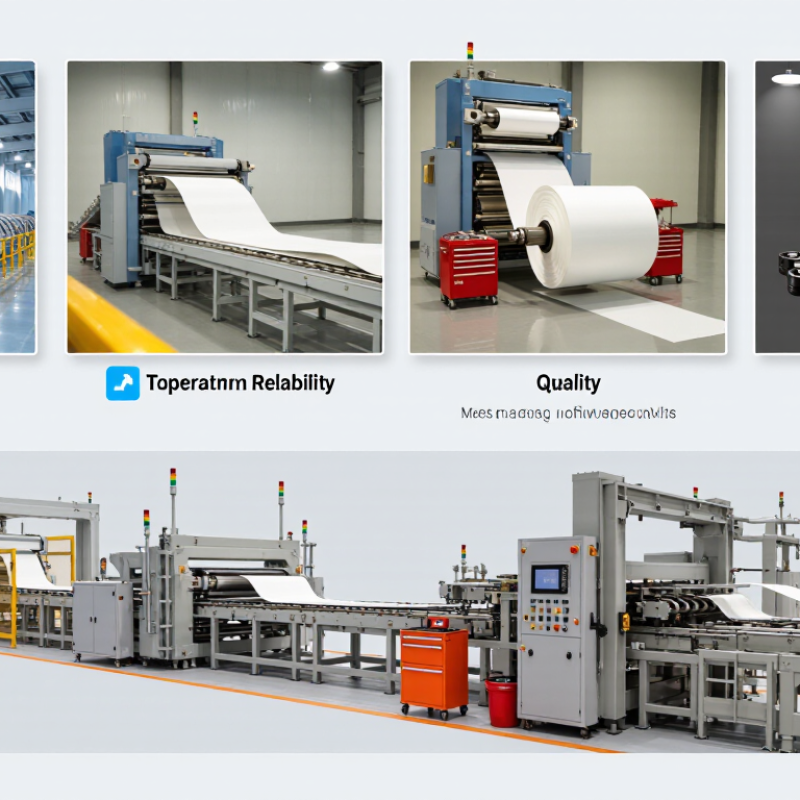
A spunbonded nonwoven machine converts thermoplastic polymer into continuous fibers and forms them into a fabric web. In many factories, polypropylene pellets enter an extruder and melt under controlled heat. The polymer then passes through fine spinnerets. Air draws the fibers downward and spreads them across a moving forming surface.
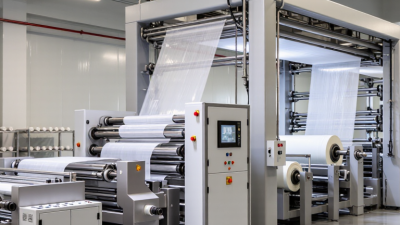
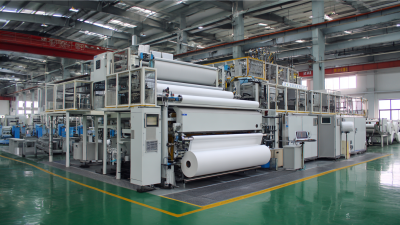
A Pp Spunbonded Non Woven Machine usually includes an extruder, spinning beam, cooling system, web former, bonding unit, and winding section. Thermal rollers press the loose web into a stable sheet. Operators adjust temperature, air pressure, line speed, and roller pressure. Small changes can affect fabric weight, strength, softness, and appearance. The machine is not simply a fast plastic processor.
Practical inspection matters. Check fiber distribution under bright light before changing production settings. Measure basis weight across the roll, not only at its center. Watch for edge cracks, uneven bonding, and unstable winding tension. Proper cleaning also protects spinneret holes from contamination. A weakness in many explanations is ignoring operator judgment; automatic controls help, but they cannot replace careful observation. Some production targets may require trial runs, because the same settings rarely suit every material grade or fabric thickness.
Polypropylene (PP) spunbond nonwoven fabric making machines are engineered for efficient, continuous production of lightweight yet durable materials. By melting PP resin, extruding fine filaments, and bonding them into a uniform web, the equipment delivers consistent strength, softness, breathability, and tear resistance. According to Grand View Research, the global nonwoven fabric market was valued at approximately USD 49.25 billion in 2022 and is projected to grow at a compound annual growth rate of 7.8% from 2023 to 2030, driven largely by demand for hygiene, medical, agricultural, and construction products.
Modern production lines support high-speed operation, precise basis-weight control, automatic temperature regulation, and rapid product changeovers, helping manufacturers reduce material waste and energy consumption. Smithers’ industry analysis also identifies spunbond and meltblown technologies as key growth areas because of their expanding use in disposable hygiene products, filtration media, protective medical materials, crop covers, geotextiles, and roofing membranes. With adjustable fabric widths and customizable grammage, this type of equipment can serve both mass production and specialized applications while maintaining stable quality.
PP spunbond fabric is also recyclable within appropriate industrial systems and requires relatively low water consumption compared with conventional textile manufacturing. Its combination of production efficiency, cost control, and application flexibility makes advanced spunbond machinery a practical investment for manufacturers pursuing durable and environmentally responsible nonwoven solutions.
It melts thermoplastic pellets and forms continuous fibers into a fabric web. Air spreads the fibers across a moving surface. Thermal rollers then bond the web.
Typical parts include an extruder, spinning beam, cooling system, web former, bonding unit, and winding section. Each part affects fabric quality.
Operators adjust temperature, air pressure, line speed, and roller pressure. Small changes can alter weight, strength, softness, and appearance.
Check fiber distribution under bright light. Measure basis weight across the full roll. Look for edge cracks, uneven bonding, and unstable winding tension.
Polypropylene is widely used for hygiene products, medical gowns, masks, and agricultural covers. Polyester suits filtration media, geotextiles, roofing layers, and vehicle interiors.
They can suit selected applications, but processing stability needs testing. Recycled feedstock may cause uneven fiber formation. This part is easy to underestimate.
Request trial data at your target fabric weights, not only maximum output. Review energy records, defect rates, sample rolls, spare parts, training, and service response.
Fine hygiene fabrics need clean air and precise inspection. Geotextiles need strong webs and wide working widths. Filtration fabrics require controlled pores and air permeability.
No. A fast line can still create costly defects or long changeovers. Maintenance access, winding stability, and operator judgment deserve equal attention.
A Spunbonded Non-Woven Machine is an industrial system designed to convert thermoplastic polymer resins into continuous filaments, arrange them into a uniform web, and bond the fibers through heat, pressure, or other controlled methods. This production technology supports efficient, stable, and highly automated manufacturing, making it suitable for applications such as hygiene products, medical materials, filtration media, agriculture, packaging, and construction. Different machine configurations can process materials such as polypropylene, polyester, and biodegradable polymers, depending on product requirements.
When evaluating manufacturers in 2026, factories should consider production capacity, energy efficiency, automation, web uniformity, equipment durability, maintenance support, customization options, and compliance with applicable safety and environmental standards. The right choice depends on the desired fabric weight, width, output, raw materials, application, available facility space, and investment budget. Comparing machine types, technical specifications, lifecycle costs, operator training, and after-sales service can help manufacturers select a reliable solution that supports consistent quality, flexible production, and long-term operational growth.