Leave Your Message
0%

If you're a global buyer heading into 2026, the Spunbond Nonwoven Linemarket is going to feel a lot tougher. That said, it's still growing. Smithers' report, The Future of Global Nonwovens to 2028, expects steady growth in hygiene, medical, filtration, and construction uses. And Grand View Research points to spunbond materials as a big segment too—mostly because demand keeps rising for fabrics that are lightweight but durable. Look, those figures can be useful—sure. But they're not a set of purchasing instructions.

A modern line is about a lot more than an Extruder and a spinning beam. If you're buying, you've got to dig into polymer compatibility, die-hole design, how stable the web-forming is, calender pressure, winding accuracy, energy consumption, and what the line actually yields in real production. And when you visit the factory, see a trial run—not just the polished samples. Put your hand on the roll. Check the edges. Measure the basis-weight variation.

Dave Rousse, who's president of INDA, likes to point out that “nonwovens are essential to everyday life.” And he’s got a point—it really does show just how far this sector reaches. But that doesn’t mean the technical risks go away. A line built for polypropylene hygiene fabric might not handle recycled feedstock all that well, or heavier geotextile grades. It’s the little things that count.

Industry reports can give you a sense of direction, sure. But supplier data? That's what has to prove they can actually do the job. Buyers should ask for verified output records, maintenance histories, lab test results, and references from similar plants. Standards like ISO 9001 and the relevant ASTM methods can definitely help your evaluation—but certification on its own doesn't guarantee stable production. And honestly, that's the uncomfortable bit.

When you're picking for 2026, the fastest line isn't always the best call. Honestly? It might be the one that keeps giving you consistent fabric, downtime you can actually handle, service that's clear and up-front, and running costs that make sense over a few years.
2026 Top Spunbond Nonwoven Line Types for Global Buyers?

What Is a Spunbond Nonwoven Production Line?

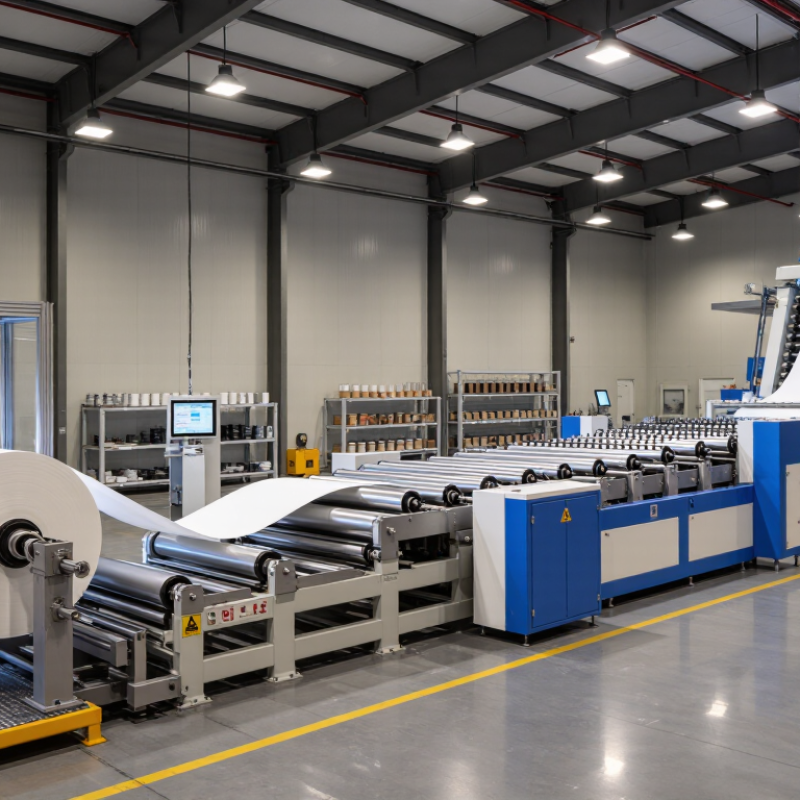
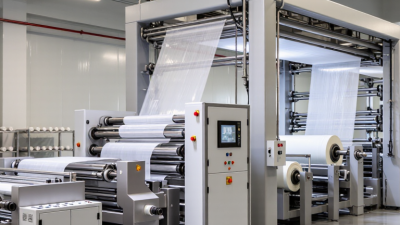
A spunbond nonwoven production line is an integrated system that converts polymer granules into continuous fabric. A Pp Spunbond Nonwoven Production Line typically uses polypropylene resin as its primary material. The extruder melts the granules under controlled heat. A metering pump then pushes the melt toward a spinneret. Tiny filaments emerge through hundreds of openings. Cooling air stretches and stabilizes them before they fall onto a moving conveyor. The loose web passes through heated rollers, where pressure and heat create fabric strength. That is the core idea.

In practical operation, each section affects the next one. Uneven airflow can produce thin stripes across the roll. Unstable temperature may cause blocked spinneret holes or weak filaments. Experienced operators check pressure, melt temperature, line speed, and fabric weight during production. They also inspect the roll edge, surface uniformity, and bonding pattern under strong light. Small changes matter. A clean workshop, reliable ventilation, and guarded moving parts support safer operation and consistent output.

Global buyers should define fabric width, target weight, production speed, raw material requirements, and electrical standards before comparing equipment. Automatic controls improve repeatability, but they do not replace skilled inspection. This is where many plans become too optimistic. Higher speed can reduce stability if cooling or bonding capacity is insufficient. A useful acceptance test should measure weight variation, tensile strength, elongation, roll hardness, and continuous running performance. Records from trial production provide stronger evidence than attractive specifications alone.

2026 Top Spunbond Nonwoven Line Types for Global Buyers? - What Is a Spunbond Nonwoven Production Line?

A comparison of major spunbond and spunmelt production-line configurations, typical operating ranges, and buyer applications.

A spunbond nonwoven production line continuously extrudes thermoplastic polymer, spins it into endless filaments, lays the filaments into a web, and bonds the web with heat, pressure, or a related process. The figures below are indicative industry ranges; actual performance depends on polymer grade, die width, filament denier, basis weight, bonding pattern, automation level, and operating conditions.

Comparative data for common spunbond nonwoven production-line types
Line Type Primary Polymer Web-Forming and Bonding Method Typical Basis Weight Common Effective Width Indicative Output Typical Applications Best Suited Buyer Profile
Standard PP Spunbond Line Polypropylene (PP) Melt extrusion, continuous filament spinning, aerodynamic web laying, and thermal calender bonding 10–180 g/m² 1.6–4.2 m Approximately 300–2,000 kg/h Hygiene components, agricultural covers, shopping bags, packaging, furniture backing, and construction membranes General-purpose manufacturers seeking a broad product range and relatively simple raw-material handling
High-Speed PP Spunbond Line Polypropylene (PP) High-throughput continuous filament spinning with multi-beam web formation and heated calender bonding 10–80 g/m² 3.2–5.2 m Approximately 800–2,500 kg/h Disposable hygiene materials, medical and protective products, lightweight packaging, and high-volume agricultural fabric Large-volume producers prioritizing low unit cost, high uptime, and consistent lightweight fabric quality
PET Spunbond Line Polyester (PET) Melt spinning of polyester filaments followed by web laying and thermal calender or through-air bonding 30–250 g/m² 2.0–4.5 m Approximately 300–1,500 kg/h Roofing membranes, filtration support, geotextiles, automotive substrates, flooring layers, and industrial reinforcement Industrial fabric producers requiring higher temperature resistance, dimensional stability, or mechanical strength
Bicomponent Spunbond Line Two compatible polymers, commonly PP/PE or PET-based combinations Separate polymer extrusion, composite filament spinning such as sheath-core or side-by-side, web laying, and thermal bonding 15–200 g/m² 2.0–4.2 m Approximately 400–1,800 kg/h Soft-touch hygiene materials, elastic or heat-sealable layers, filtration media, technical laminates, and specialty fabrics Specialty producers needing controlled softness, heat-sealing behavior, differential shrinkage, or functional surfaces
PLA Spunbond Line Polylactic acid (PLA) Melt extrusion and continuous filament spinning with controlled drying, web laying, and thermal bonding 15–150 g/m² 1.6–3.2 m Approximately 200–1,000 kg/h Compostable-oriented packaging, agricultural textiles, disposable products, tea or coffee filter substrates, and selected medical materials Buyers targeting bio-based-material markets and prepared to manage polymer drying and narrower processing windows
Spunmelt SMS/SMMS Line Usually PP; other polymer combinations may be configured for specific products Integrated spunbond layers combined with meltblown layers in one inline process, followed by thermal or ultrasonic bonding where specified 10–80 g/m² 1.6–3.6 m Approximately 500–2,000 kg/h Medical gowns, masks, protective apparel, hygiene topsheets and backsheets, filtration composites, and liquid-barrier laminates Converters and integrated producers requiring lightweight structures with strength, softness, and barrier or filtration performance
Recycled-Content Spunbond Line Recycled PP or recycled PET, subject to filtration, drying, and melt-quality control Polymer preparation, melt filtration, extrusion, continuous filament spinning, web laying, and thermal bonding 20–250 g/m² 1.6–4.2 m Approximately 250–1,500 kg/h Geotextiles, packaging, construction materials, furniture components, automotive substrates, and durable consumer products Manufacturers with reliable recycled-polymer supply and sufficient quality-control capability for stable filament spinning
Buyer note: Line capacity should not be compared by machine width alone. When evaluating quotations, confirm polymer type, annual operating hours, target basis-weight range, line speed at the target product, energy consumption, die and spinneret configuration, online inspection, winding format, spare-parts support, and applicable safety requirements.

How Does a Spunbond Line Work Step by Step?

A spunbond nonwoven line turns polymer resin into a continuous fabric through several controlled steps. According to a 2024 Grand View Research report, the global nonwoven fabrics market was valued at over USD 55 billion in 2023, increasing pressure on producers to improve consistency and energy control.

The process begins with polymer pellets entering a heated extruder. The screw melts and mixes them before a metering pump pushes the melt through a spin beam. Hundreds of tiny holes form continuous filaments. Cooling air solidifies them, while drawing stretches and strengthens the fibers. A moving belt then collects the filaments into a loose web. Calender rollers apply heat and pressure, bonding the layers into fabric. Finally, the winder controls roll tension and edge alignment.

A China Spunbond Nonwoven Line may use different layouts, but the operating logic remains similar. In real production, the diagram is rarely perfect. Temperature drift, uneven airflow, or a dirty spinneret can create weak spots. I would not judge a line by speed alone. Uniform basis weight matters more during long production runs.

Tips: Check melt temperature stability, air distribution, web weight, and bonding pressure at every shift. Keep samples from each roll. Small changes become visible later. Also, compare actual energy use with the supplier’s technical report, because factory conditions can alter the result.

Which Spunbond Line Types Are Available in 2026?

Which Spunbond Line Types Are Available in 2026?

In 2026, buyers can choose several spunbond line types. Standard PP spunbond lines remain practical for shopping bags, furniture backing, and agricultural covers. SMS and SMMS lines add meltblown layers for improved filtration and barrier performance. These systems suit hygiene and selected medical applications. Bicomponent lines create sheath-core fibers, supporting softness, bonding, and controlled strength. PLA and other bio-based lines are available, but feedstock cost and processing stability still require careful testing.

Grand View Research valued the global nonwoven fabric market at US$53.5 billion in 2022. It forecasts a 7.0% compound annual growth rate from 2023 to 2030. This broader market data signals strong equipment demand, yet it does not guarantee equal growth for every spunbond format. Smithers also identifies hygiene, filtration, and medical products as important nonwoven growth areas. A line may look efficient on paper. Actual output can change with resin quality, basis weight, and operator skill.

Tips: Match the line to the product first. Check denier range, working width, output stability, energy use, and changeover time. Ask for trials using your actual resin. “Eco” claims need evidence; recycled or bio-based inputs may reduce one impact while increasing energy or waste elsewhere. That part deserves honest review.

What Equipment Defines Each Line Configuration?

Global buyers should classify spunbond nonwoven lines by equipment, not by sales labels. A single-beam line uses one extruder, one spinning assembly, and one forming system. It suits standard polypropylene fabric and moderate production targets. A double-beam line adds a second spinning position. This improves output and enables different layer structures.

The heart of every configuration includes an extruder, melt filter, metering pump, spinneret, quenching unit, drawing system, web former, and thermal calender. The spinneret controls filament distribution. The quenching cabinet stabilizes cooling conditions. The drawing unit sets filament strength. The web former controls basis-weight consistency across the working width. A multi-beam line adds more spinning assemblies and can produce heavier, wider, or layered fabrics. Composite lines require additional equipment, such as meltblown modules, separate air systems, and precise bonding controls. More equipment brings more capability. It also brings more maintenance points.

Tips: Ask for verified output data at your target basis weight, width, and material grade. Check filter-change time, energy use, automatic tension control, and edge-trim handling. Request trial fabric, not only machine photographs. In practical projects, a wider line may appear attractive, yet poor cooling balance can create uneven fabric. That detail is easy to miss. A careful factory audit remains valuable, although it may not reveal every future operating problem.

How Do Spunbond Lines Differ by Material and Output?

2026 Top Spunbond Nonwoven Line Types for Global Buyers

How Do Spunbond Lines Differ by Material and Output?

For global buyers, a spunbond line is not simply a faster machine. Its material choice changes heating, stretching, cooling, and winding requirements. Polypropylene remains common because it melts predictably and supports light hygiene fabrics. A China Pp Spunbond Nonwoven Production Line may suit standard PP grades, but buyers should verify resin compatibility carefully.

PET systems usually require higher processing temperatures and stronger thermal control. They can produce durable fabrics for filtration, construction, and industrial applications. Biopolymer lines may need narrower temperature windows and careful drying. Small moisture changes can disturb filament stability. In plant trials, an opening roll may look acceptable, then show uneven bonding near the core. That detail is easy to miss.

Output depends on more than advertised speed. A 3.2-meter line running quickly may produce less saleable fabric than a slower, stable line. Check daily output at the target GSM, not maximum kilograms per hour. Compare spinneret capacity, quench-air uniformity, web-forming width, calender pressure, and rewinding tension. A line designed for 10–20 GSM will not automatically handle 80 GSM efficiently. Ask for test data using your resin, width, and basis weights. Real production is less tidy. Good assumptions still need testing.

What Should Global Buyers Check Before Purchasing?

For 2026, global buyers should judge spunbond nonwoven lines by verified performance, not impressive brochures. Grand View Research valued the global nonwoven fabric market at about USD 53.6 billion in 2023. Its forecast indicates continued growth through 2030. This pressure makes stable production essential.

Check output speed, fabric width, basis-weight accuracy, and polymer compatibility. A reliable Spunbond Nonwoven Line Supplier should provide factory testing records, energy data, and recent customer references. Ask to inspect actual fabric rolls. Small defects become expensive quickly.

Tips: Request a sample trial before signing. Test 10–20 gsm fabric, edge strength, elongation, and roll winding. Confirm whether the line handles recycled or virgin raw materials. Review power consumption per kilogram, spare-part availability, installation support, and operator training.

These details matter more than a low quotation. Also check calibration certificates and maintenance schedules. A fast line is not always a productive line.

Buyers should define acceptance standards in measurable terms. Include startup time, rejection rate, noise limits, and guaranteed output. The Smithers report “The Future of Global Nonwovens to 2028” highlights automation and sustainability as major industry priorities.

Therefore, inspect tension control, online monitoring, and waste collection systems. I would still leave room for doubt. Reported output may depend on ideal resin, climate, and experienced operators.

Test the line under your own humidity, material mix, and shift pattern before approval. Supplier communication can reveal more than polished machinery.

FAQS

Which spunbond line types are available in 2026?

Standard polypropylene lines support bags, furniture backing, and agricultural covers. SMS and SMMS lines add meltblown layers for filtration and barrier performance. Bicomponent lines create sheath-core fibers with controlled softness and strength. Bio-based lines are available, but they need careful process testing.

How does material choice affect spunbond production?

Polypropylene usually melts predictably and supports lightweight fabrics. Polyester needs higher temperatures and stronger thermal control. Biopolymer materials may require drying and narrower temperature windows. Small moisture changes can disturb filament stability.

What products suit standard polypropylene lines?

Standard lines work well for light hygiene fabrics and agricultural covers. They also support shopping bags and furniture backing. Confirm the resin grade before production. Do not assume every grade behaves identically.

When should buyers consider SMS or SMMS lines?

Choose these lines when filtration or barrier performance matters. They combine spunbond and meltblown layers. Suitable products include selected hygiene and medical applications. Layer balance still needs testing.

Why are bicomponent spunbond lines useful?

Bicomponent fibers can combine softness, bonding, and controlled strength. A sheath-core structure may improve product handling. The correct fiber design depends on the final fabric. The machine is not magic.

How should buyers compare line output?

Compare daily saleable output at the target GSM. Maximum kilograms per hour can create an incomplete picture. A fast line may produce unstable fabric. Steady output often matters more.

Which technical details should buyers check?

Review denier range, working width, energy use, and changeover time. Check spinneret capacity and quench-air uniformity. Also inspect web-forming width, calender pressure, and winding tension. Small settings can affect large rolls.

Can one spunbond line handle every fabric weight?

No, a line designed for 10–20 GSM may struggle with 80 GSM. Output stability changes with resin, width, and basis weight. Ask for trials using your actual materials. Paper specifications are not enough.

Are bio-based spunbond lines always more sustainable?

Not necessarily. Bio-based or recycled inputs may reduce one environmental impact. They can also increase energy use, waste, or processing difficulty. Request evidence for every environmental claim. The answer may remain imperfect.

Conclusion

A Spunbond Nonwoven Line is an integrated production system that transforms polymer resin into continuous filaments and bonds them into uniform nonwoven fabric. The process typically includes raw material feeding, melting, extrusion, filtration, metering, spinning, filament cooling, web formation, bonding, winding, and optional cutting or slitting. In 2026, global buyers can choose from configurations such as single-beam, double-beam, multi-beam, compact, high-speed, and customized lines, depending on fabric specifications and production goals.

Each configuration is defined by equipment capacity, spinneret design, drawing technology, bonding method, automation level, and winding structure. Lines may be designed for different polymers, basis weights, widths, and output ranges, supporting applications such as hygiene materials, medical textiles, agriculture, packaging, and industrial products. Before purchasing, buyers should evaluate material compatibility, production speed, energy consumption, fabric quality, machine stability, maintenance requirements, operator training, safety systems, installation support, spare parts availability, and long-term operating costs. Careful comparison helps ensure the selected line matches local market needs and future expansion plans.
Sophie

Sophie

Sophie is a dedicated professional marketing specialist at Pujiang Marine Engineering Import and Export Co., Ltd. With a deep understanding of the company’s products and services, she plays a crucial role in communicating the value of marine engineering solutions to clients worldwide. Sophie......
Previous China Top 10 Spunbond Nonwoven Machinery Manufacturers