Leave Your Message
0%

Picking the right Nonwoven Pet Pad supplier in 2026 isn't just about comparing prices from catalogs. Buyers around the world need reliable quality, clear documentation, and solid production capacity. You might see a pad that looks super soft in a photo, but it could let you down during shipping, washing, or when your pet keeps using it.
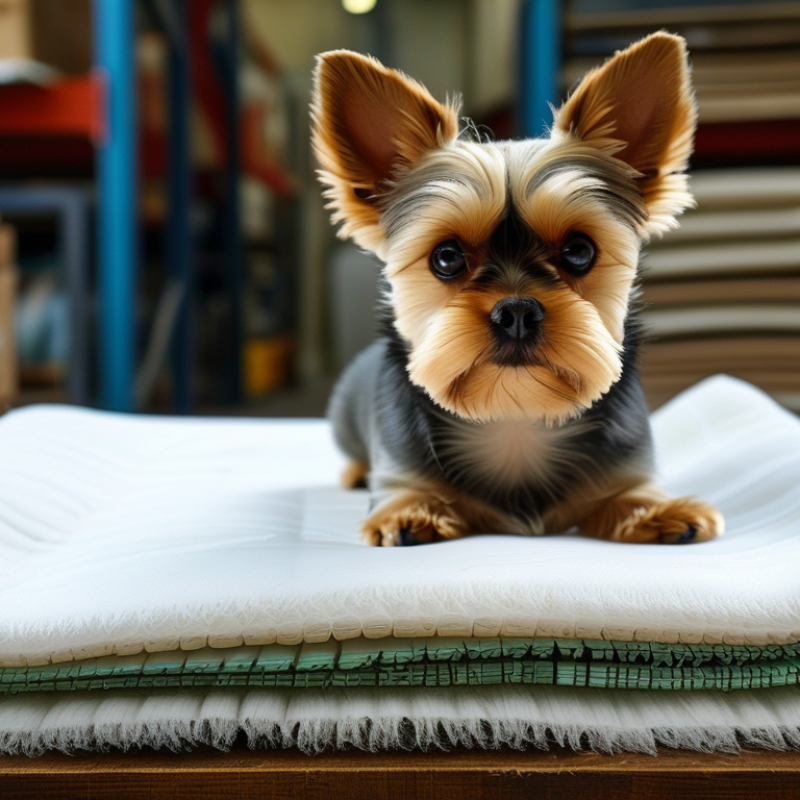
2026 Best Nonwoven Pet Pad Suppliers for Global Buyers

What Nonwoven Pet Pads Are and How They Work

Nonwoven pet pads are layered absorbent products designed to control urine on floors, crates, and training areas. Their top sheet usually uses hydrophilic spunbond nonwoven fabric. It lets liquid pass quickly while keeping the surface relatively dry. Beneath it, an acquisition layer spreads moisture across the pad. The absorbent core combines fluff pulp with superabsorbent polymer, or SAP. A waterproof polyethylene film blocks leakage from below. Heat-sealed edges add protection, although poorly sealed corners can still fail.

The mechanism is simple but not effortless. Urine enters through the surface, moves sideways through the distribution layer, and becomes gel inside the core. SAP performance depends on liquid type, pressure, and loading speed. Grand View Research estimates that the global Nonwovens market reached about USD 54.6 billion in 2023, with hygiene products representing a major application area. Smithers also identifies absorbent hygiene materials as an important driver of nonwoven demand through 2029. These figures support the material’s industrial relevance, but they do not guarantee every pad performs equally.

For a China Nonwoven Pet Pad supplier, buyers should request absorbency, rewet, leakage, tensile, and seam-strength test records. Practical checks matter. Place a filled pad on a smooth floor, apply pressure, and inspect the underside after ten minutes. Odor control also deserves attention, especially in warm rooms. A thicker pad is not automatically better. Sometimes, it only hides uneven pulp distribution. Performance can vary between production batches, so independent sampling remains worthwhile.

2026 Best Nonwoven Pet Pad Suppliers for Global Buyers

What Nonwoven Pet Pads Are and How They Work

Nonwoven pet pads generally combine a soft polypropylene top sheet, an absorbent core made from fluff pulp and superabsorbent polymer, and a polyethylene leak-resistant backing. Liquid passes through the top layer, spreads through the core, and is locked into gel particles before reaching the waterproof backing.

The chart shows representative stated absorbency capacities commonly associated with standard disposable pad formats. Actual performance depends on core weight, SAP ratio, liquid distribution, test method, and product design.

Key Materials Used in Nonwoven Pet Pad Manufacturing

Key Materials Used in Nonwoven Pet Pad Manufacturing

A dependable nonwoven pet pad starts with the right absorbent core. Fluff pulp spreads liquid through the pad, while superabsorbent polymer locks moisture into a gel. The polymer level must be balanced. Too little can cause wet surfaces, but too much may reduce softness and increase cost.

The top sheet usually contains spunbond polypropylene or another skin-friendly nonwoven. Its main job is fast liquid passage and comfortable contact with paws. A thin tissue layer can help hold the absorbent core in position. Some manufacturers add odor-control minerals or mild antimicrobial treatments, but these materials require careful safety testing. More additives do not always mean better performance.

The bottom layer commonly uses polyethylene film or a coated nonwoven barrier. It should resist leakage without making the pad noisy or stiff. Hot-melt adhesive joins the layers, while edge sealing improves structural strength during handling. In supplier evaluations, buyers should request basis weight, absorbency data, rewet results, and raw material traceability. Test samples on different floors, including tile and wood. Fit matters.

Material selection is still an imperfect balance. A highly absorbent pad may feel bulky, and a soft pad may tear during transport. Packaging compression can also change the core structure. Reliable suppliers should explain these trade-offs clearly and provide consistent batch records. Fancy specifications mean little when production results vary.

How to Evaluate Global Pet Pad Suppliers

How to Evaluate Global Pet Pad Suppliers

Choosing a Nonwoven Pet Pad Supplier requires more than comparing prices. Start by checking material specifications, absorbency rates, pad dimensions, and packaging details. Ask for recent test reports, production photos, and traceable batch records. A reliable supplier should explain the absorbent core, surface layer, backing film, and sealing process clearly.

Request physical samples before placing a large order. Test them with measured liquid volumes, then inspect leakage, odor, surface dryness, and edge strength. Details matter. Compare samples after several hours, not only immediately after use. Confirm monthly capacity, lead times, minimum order quantities, and quality inspection procedures. Suppliers should also provide clear export documents and product information suitable for the destination market.

Factory communication is another practical signal. Do representatives answer technical questions directly, or do they send vague promises? Check whether they can handle custom sizes, printed packaging, and stable material sourcing. Independent audits or verified certificates can support credibility, but documents should be checked for validity and scope. A polished sample may hide inconsistent mass production. This is an easy mistake for new buyers. Keep written specifications, approved samples, and inspection standards in one file. No supplier is perfect. The stronger partner is usually the one that admits limitations, reports delays early, and offers a measurable correction plan.

Production Standards, Quality Control, and Certifications

For global buyers, pet pad suppliers should prove process control, not merely show absorbency claims.

The Smithers report The Future of Global Nonwovens to 2028 identifies hygiene products as a major demand sector for nonwoven materials. This supports careful evaluation of fiber selection, bonding strength, and liquid management. A reliable supplier should define basis weight, thickness, tensile strength, strike-through time, and rewet performance for every production lot.

Quality control should follow measurable methods. ISO 9073 test procedures can evaluate mass per unit area, tensile properties, and liquid-related performance. Incoming inspections should verify fluff pulp, superabsorbent polymer, nonwoven fabric, and polyethylene film. In production, operators should check seal width, pad dimensions, core alignment, and leakage resistance. A practical target is less than 1% defective units in routine sampling, although the agreed acceptance limit must appear in the purchase specification.

Certifications add useful evidence. ISO 9001 supports documented quality systems, while ISO 14001 addresses environmental management. OEKO-TEX Standard 100 may help confirm restricted-substance controls for tested components. FSC certification can support responsibly sourced pulp claims when applicable. Certification is not a substitute for testing. A certificate can expire, and a factory can change materials.

The imperfect part matters.

A perfect pad is an unrealistic promise. Suppliers should disclose test variation, storage limits, and corrective-action records. Buyers should request recent batch reports, not only polished samples. Traceability must reach the shipment carton.

Custom Options for Size, Absorbency, and Packaging

Global buyers need more than a standard pet pad. A reliable Nonwoven Pet Pad Manufacturer should adjust dimensions, absorbency, and packaging for each market. Common sizes include 22×22 inches for small pets and 30×36 inches for larger breeds. However, crate size and shipping limits often change the best choice.

Absorbency depends on more than the filling weight. The nonwoven top layer should spread liquid quickly, while the absorbent core holds moisture without tearing. A waterproof backing helps protect floors, especially on wood or laminate surfaces. Buyers should request test data for absorbency, leakage resistance, odor control, and seal strength. Practical testing matters.

Packaging also needs careful planning. Retail packs may use printed bags with handles, while wholesale cartons reduce handling costs. Clear labels should show size, quantity, materials, and storage guidance. Packaging samples can reveal weak seals or crushed corners before production begins. Small details matter.

Customization is not always perfect. A thicker core may improve absorption but increase freight volume. A larger pad may protect better but fit fewer cartons. I recommend testing samples in real homes, not only in a factory room. Record liquid volume, drying time, edge leakage, and customer feedback. Then revise the specification. That extra review often prevents expensive production changes.

Shipping, Pricing, and Import Considerations for Buyers

Shipping, Pricing, and Import Considerations for Buyers

Global nonwoven demand is expanding. Grand View Research valued the nonwoven fabrics market at about USD 57.1 billion in 2023. This growth supports wider sourcing options for pet pads, but it does not guarantee consistent quality. A reliable Nonwoven Pet Pad Factory should provide absorbency results, core-weight details, packaging dimensions, and production lead times. Ask for recent test records. Factory claims alone are not enough.

Freight can reshape the final price. UNCTAD’s Review of Maritime Transport 2024 reported continuing disruption and higher route uncertainty in major shipping lanes. Buyers should compare FOB, CIF, and DDP quotations carefully. A low unit price may hide expensive inland delivery, port charges, or customs handling. Request carton measurements before booking space. One overlooked centimeter can increase freight costs across a full container.

Import preparation requires discipline. Confirm the correct HS classification with a licensed customs broker, because disposable pads may vary by material and construction. Check labeling, packing lists, commercial invoices, and country-of-origin documents before shipment. Also verify absorbency, leakage resistance, odor control, and sealed packaging through pre-shipment inspection. I have seen buyers focus too heavily on price. That decision often creates higher replacement costs later. Pricing should be judged per usable pad, not per carton.

Polypropylene Spunbond Nonwoven Machine: Efficient Solutions for High-Quality Fabric Production

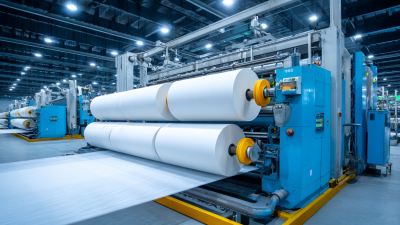
Polypropylene spunbond nonwoven machines provide an efficient route to producing breathable, durable, and cost-effective fabrics for hygiene, medical, agricultural, and industrial applications. Unlike woven materials, PP nonwovens are formed by extruding polypropylene into continuous filaments, stretching them, laying them into a web, and bonding the structure with heat and pressure. This streamlined process reduces production steps while delivering consistent strength, softness, and tear resistance.

Recent industry market reports estimate that the global nonwoven fabric market exceeded USD 50 billion in the early 2020s, with spunbond technology representing one of the largest and fastest-growing production segments. Demand from hygiene products and medical applications continues to support this expansion, while manufacturers increasingly require machines with higher output, stable filament formation, precise temperature control, and lower energy consumption. Modern production lines can also support a range of fabric weights and widths, enabling flexible manufacturing for masks, protective clothing, packaging, filtration media, and crop covers.

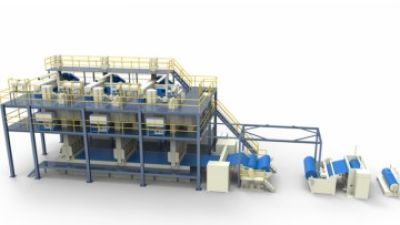
A well-designed PP spunbond line typically integrates automatic feeding, high-efficiency extrusion, advanced drawing systems, uniform web forming, and reliable thermal bonding. These features help minimize basis-weight variation and improve fabric uniformity during continuous operation. Industry performance studies also indicate that automated process monitoring can reduce material waste and improve line efficiency, making polypropylene spunbond nonwoven machines a practical solution for high-volume, quality-focused fabric production.

FAQS

: What are nonwoven pet pads?

: They are layered pads that absorb urine on floors, crates, and training areas. The top sheet lets liquid pass quickly. The waterproof backing helps prevent floor leakage.

How do these pads absorb liquid?

Urine moves through the top layer and spreads across the pad. The absorbent core contains fluff pulp and superabsorbent material. The liquid becomes gel inside the core. The process is simple.

What materials are commonly used?

The top layer often uses hydrophilic spunbond nonwoven fabric. The middle layer distributes liquid across the surface. The core combines pulp with absorbent polymer. A polyethylene film blocks moisture underneath.

Does a thicker pad always absorb more?

No, thickness does not guarantee better performance. Uneven pulp distribution can make a thick pad disappointing. It may also increase package size and shipping costs. Test it.

Which pad size should buyers choose?

Smaller pets may suit pads around 22 by 22 inches. Larger pets may need pads around 30 by 36 inches. Crate dimensions and available storage space also matter. The largest option is not always best.

How can leakage resistance be tested?

Place a filled pad on a smooth floor. Apply pressure across the center and edges. Inspect the underside after ten minutes. Check corners carefully, because weak seals may fail.

What test records should buyers request?

Request absorbency, rewet, leakage, tensile, and seam-strength results. Odor-control data can help in warm rooms. Compare samples from different production batches. One sample may hide variation.

What should custom packaging include?

Packaging should show size, quantity, materials, and storage guidance. Retail packs may include handles for easier carrying. Wholesale cartons can reduce handling costs. Inspect samples for crushed corners and weak seals.

Why should samples be tested at home?

Factory tests may not reflect real floors, crates, or pet behavior. Record liquid volume, drying time, edge leakage, and user feedback. Then revise the specification if needed. Real homes are less forgiving.

Conclusion

This guide explains what a Nonwoven Pet Pad is, how its layered structure supports liquid absorption, and why material selection matters in pet care products. It reviews common components such as nonwoven surface fabrics, absorbent cores, leak-resistant back sheets, and adhesive or sealing layers. Global buyers will also learn how to evaluate suppliers through production capacity, product consistency, communication, lead times, and quality management practices.

The article further covers manufacturing standards, inspection procedures, and relevant certifications that can help buyers assess reliability. It outlines customization options for dimensions, absorbency levels, odor control, folding formats, and retail or bulk packaging. In addition, the guide discusses practical considerations including pricing factors, minimum order quantities, shipping arrangements, documentation, customs requirements, and import planning. Together, these points provide a clear framework for selecting suitable suppliers and managing international purchases efficiently.
Lila

Lila

Lila is a dedicated marketing professional at Pujiang Marine Engineering Import and Export Co., Ltd., where she utilizes her extensive knowledge of the industry to drive the company's growth. With a keen understanding of the company's core products, she plays a pivotal role in articulating the......
Previous Why Choose Spunbond Non Woven Machine for Your Business?