Leave Your Message
0%

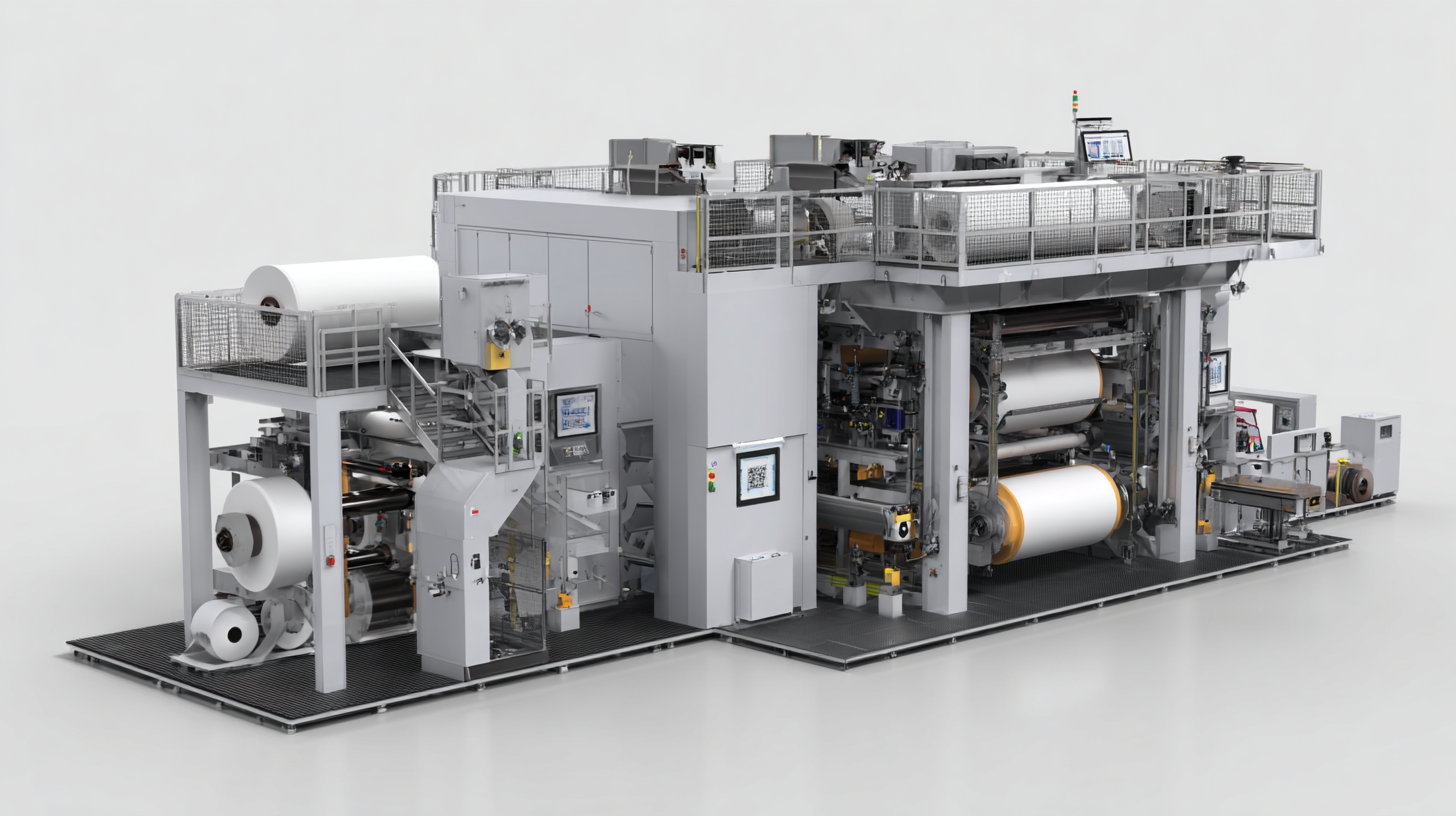
As we set our sights on 2025, it’s clear that the world of spunmelt Nonwoven machines is changing fast—thanks to new tech and what people are looking for these days. A recent report from Smithers Pira predicts that the global nonwoven fabric market could hit a staggering $56 billion by 2025! It looks like spunmelt processes are really taking off because they’re super versatile and efficient. At PUJIANG HG NONWOVEN MACHINERY CO., LTD., we're right at the cutting edge of this shift, focusing on crafting spunbond, meltblown, and composite nonwoven fabric machine lines. We’re all about providing high-efficiency and innovative solutions to keep up with the demands of this ever-evolving industry. In this guide, we’ll dive into some of the key trends that are steering the future of spunmelt nonwoven machines, along with the exciting innovations that are shaking up production standards around the globe.
2025 Trends Shaping the Future of Spunmelt Nonwoven Machines An Ultimate Guide to Industry Innovations

Key Innovations in Spunmelt Nonwoven Machines for 2025

So, as we're glancing ahead to 2025, it looks like the world of spunmelt nonwoven machines is really gearing up for some big changes, thanks to a bunch of exciting innovations. Industry reports are hinting that the market for nonwoven fabrics could hit an incredible $40 billion by 2025—wow, right? That’s a solid growth rate of about 7% each year from 2020 to 2025. A lot of this boost comes from the skyrocketing demand in hygiene products, medical uses, and filtration tech, which is where spunmelt Nonwovens really shine because of their awesome properties.

One of the coolest things to watch for in spunmelt machines is how automation and smart technology are set to take center stage. We’re talking about advanced data analytics and IoT-enabled gizmos here, which can help keep an eye on the production processes in real-time. This means more efficiency and a whole lot less downtime. Plus, there’s a big push towards eco-friendly materials and sustainable practices. The industry is starting to use more biodegradable and recycled stuff, which not only meets the stricter environmental rules but also tickles the fancy of consumers who are increasingly looking for sustainable options. With all these upgrades, spunmelt nonwoven machines are not just going to become more efficient; they’ll also be in tune with the global sustainability movement, which is pretty exciting!

2025 Trends Shaping the Future of Spunmelt Nonwoven Machines

Innovation Area Description Expected Impact Implementation Year
Automation Enhancements Integration of AI and machine learning for process optimization. Increased efficiency and reduced operational costs. 2025
Sustainability Initiatives Using recycled materials and eco-friendly processes. Lower environmental footprint and compliance with regulations. 2025
Advanced Fiber Technology New methods for creating finer fibers enhancing product quality. Improved strength and durability of nonwoven fabrics. 2025
Energy Efficiency Implementing energy-saving technologies in production processes. Reduced costs and lower energy consumption. 2025
Product Customization Flexible manufacturing systems allowing for tailored products. Increased customer satisfaction and market flexibility. 2025

Identifying Quality Manufacturers in the Nonwoven Industry

You know, the nonwoven industry is changing really fast, and it's super important to find quality manufacturers as technology and what people want keeps shifting. These days, there’s a big push around using and processing natural materials, which is opening up all sorts of new possibilities in nonwovens. If you take a glance at the latest industry reports, you'll see a strong emphasis on sustainability. A lot of action is happening in the spunlace market, where producers are stepping up their game to create more eco-friendly products. With the nonwoven market set to grow a whole lot, those manufacturers who focus on sustainable practices are likely to come out on top.

Recent reviews on machinery are all about how major suppliers are stepping up with tech advancements that really boost production efficiency and product quality. Companies tapping into these new technologies aren’t just making their operations smoother; they’re also diving into fresh market segments like hygiene and personal care products. As the nonwoven world keeps evolving, keeping up with tech trends and working with quality manufacturers can make a really big difference for businesses trying to succeed in this space.

2025 Trends Shaping the Future of Spunmelt Nonwoven Machines

This chart illustrates the projected market growth and innovation trends in the spunmelt nonwoven machinery sector from 2023 to 2025, focusing on key factors such as automation, sustainability, and production efficiency.

Critical Features to Look for in Spunmelt Equipment

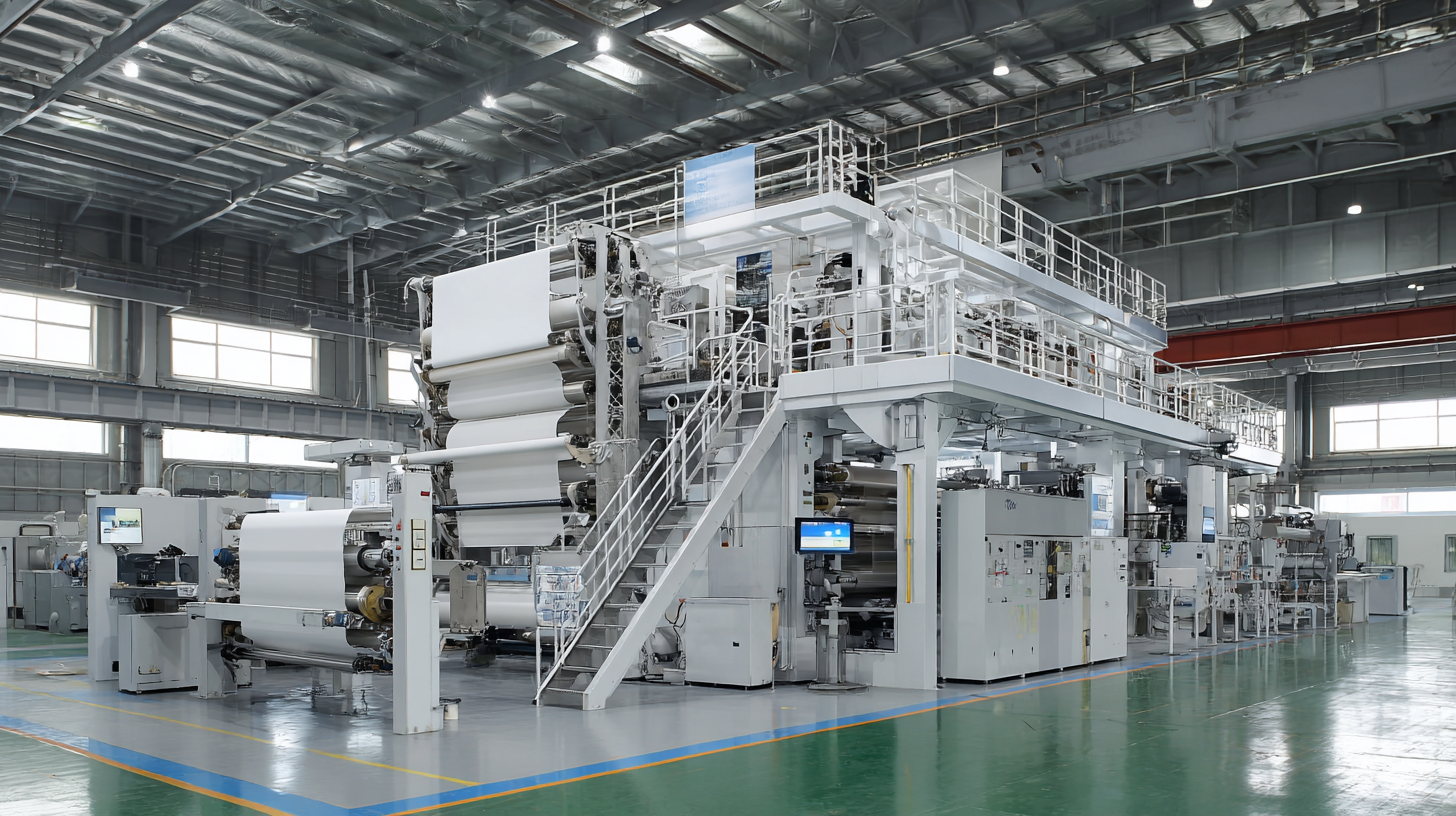
You know, as the spunmelt nonwoven industry keeps changing and growing, it’s super important for manufacturers to choose the right equipment if they want to stay ahead of the game. When you’re looking at spunmelt machines, there are a few key features you really need to keep in mind. First off, energy efficiency is huge! Not only do energy-efficient machines help cut down on operating costs, but they also contribute to those all-important sustainability goals we hear about everywhere. So, definitely check for systems that use advanced tech to optimize energy use, all while keeping that output quality top-notch.

Then there’s the adaptability of the equipment. With the market shifting so fast these days, it’s a real game-changer for manufacturers to have machines that can easily switch between different materials and thicknesses. This kind of flexibility means they can jump on new trends quickly, without having to deal with long downtimes or big changes to their setups. Plus, when the machines have user-friendly interfaces and automation, running things becomes so much easier, boosting productivity and cutting down the chances of human error. By keeping these essential features in mind, manufacturers can really invest wisely and spark innovation in the spunmelt sector.

2025 Trends Shaping the Future of Spunmelt Nonwoven Machines An Ultimate Guide to Industry Innovations

Navigating Market Trends: What to Expect in Nonwoven Technology

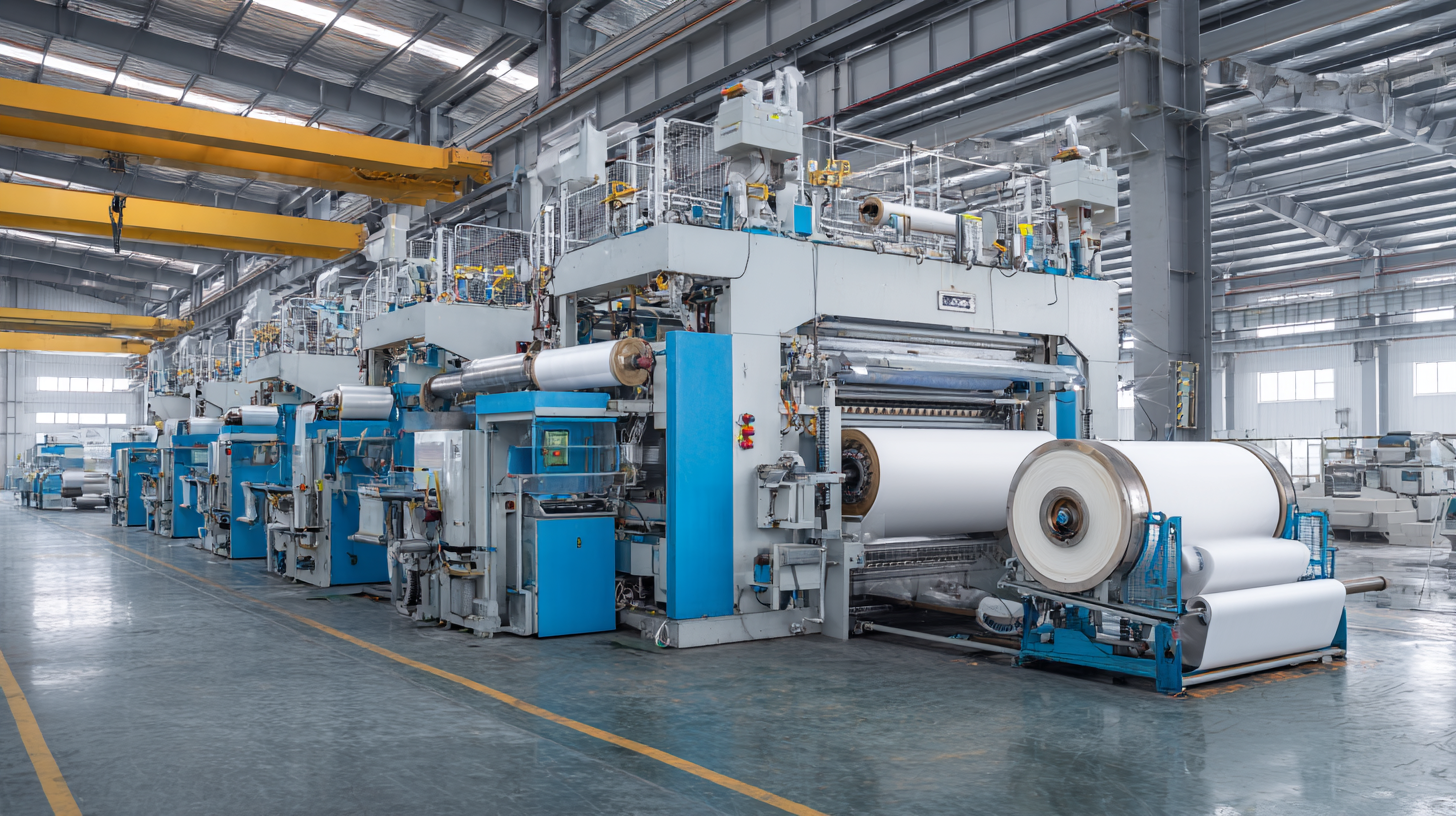
As we look ahead to 2025, it’s pretty clear that the nonwoven fabric industry is gearing up for some big changes. This transformation is largely driven by cool new technologies and the evolving demands of the market. One major trend we’re seeing with spunmelt nonwoven machines is the growing focus on sustainability. Companies aren’t just working on making their production lines more efficient; they're also keen on cutting down their environmental impact. With eco-friendly materials and recyclable nonwoven products becoming all the rage, businesses like PUJIANG HG NONWOVEN MACHINERY CO., LTD. are really stepping up to deliver innovative solutions that match these green goals.

And let’s not forget about automation and digitalization! These tech advancements are ready to shake things up in nonwoven production. We’re talking about smart machines that use IoT and AI, which are becoming more common. This means manufacturers can optimize their operations and crank up quality control like never before. At HG Nonwoven Machinery, we’re all about innovation, providing high-efficiency, cutting-edge spunbond and meltblown fabric production lines to help our clients stay ahead of the game. The key to navigating these trends? Being adaptable to new technologies will be super important for thriving in this ever-changing nonwoven market.

Sustainable Practices in Nonwoven Production for Future Growth

You know, sustainable practices in nonwoven production are really starting to matter more and more these days. The industry is keeping an eye on trends that could shape what spunmelt machines will look like in the future. I read somewhere that, according to a report by Smithers, the global nonwoven fabric market could hit a whopping $50 billion by 2025. That’s a huge deal and shows just how much potential there is for growth! But with that growth, we also have this big need for production methods that are environmentally friendly. So, folks are getting creative with things like biodegradable polymers and recycled materials to help cut down on waste and save our precious resources.

For a sustainable approach, it’s super helpful for manufacturers to think about doing a lifecycle assessment (LCA). This way, they can really dig into the environmental impacts of their nonwoven fabrics, from the moment they're made all the way to their disposal. By weaving LCA into their systems, companies can spot the areas they need to improve on. Plus, switching over to energy-efficient machinery can be a win-win! Not only does it help reduce carbon footprints, but it can also save a pretty penny in the long run. A study from the Freedonia Group even mentioned that using energy-efficient technology could slash energy costs by as much as 30% in manufacturing.

And let’s not forget about natural fibers like cotton and bamboo. They’re making a comeback as great alternatives to synthetic materials. Not only do these renewable options help cut down on our reliance on petroleum, but they’re also a hit with eco-conscious shoppers. Building partnerships with suppliers who are all about sustainability can really boost a company’s green image and meet the rising demand for eco-friendly products.

2025 Trends Shaping the Future of Spunmelt Nonwoven Machines An Ultimate Guide to Industry Innovations

Tips for Building Strong Partnerships with Machine Suppliers

You know, building solid partnerships with machine suppliers is super important in today’s fast-changing world of spunmelt nonwoven machines. I mean, when you look at the industry reports, it’s pretty clear—over 90% of companies that are diving into circularity really emphasize how critical these strategic partnerships are for tapping into market insights and getting their hands on sustainable materials. It’s like a wake-up call for manufacturers to team up with suppliers who not only match their business goals but also care about sustainability and the welfare of workers, right?

With competition heating up and supply chain hiccups becoming more common, nurturing long-term relationships with suppliers can make a big difference when it comes to resilience. I read a study recently that showed how successful companies often form these collaborative networks. They help boost supply chain intelligence, which really lets them pivot quickly in response to market shifts. Take, for instance, how using AI and machine learning can benefit both suppliers and manufacturers. It keeps them on the cutting edge of tech and efficiency. Ultimately, this kind of teamwork doesn’t just lead to individual wins; it’s about fostering a whole industry vibe where continuous improvement and adaptation are the norm.

Unlocking the Potential of Polypropylene: Insights from the Latest Recycling Industry Reports on Plastic Waste Management

Unlocking the Potential of Polypropylene: Insights from the Latest Recycling Industry Reports on Plastic Waste Management

The recycling of polypropylene (PP) has become increasingly important in the context of global efforts to manage plastic waste. According to recent reports from the Association of Plastic Recyclers, the market for recycled PP is projected to grow at a compound annual growth rate (CAGR) of 4.8% over the next five years. This growth is driven by heightened awareness of environmental issues and the need for sustainable practices in various industries. By effectively processing post-consumer polypropylene waste, we can create high-quality recycled materials that meet industry standards while significantly reducing reliance on virgin plastics.

Key to this recycling process is the use of advanced PP plastic recycling machines. These essential pieces of equipment are designed to transform discarded polypropylene into reusable raw materials, facilitating the circular economy model. Statistics from the National Recycling Coalition indicate that recycling just one ton of PP can prevent the emission of nearly 2.8 tons of carbon dioxide, emphasizing the dual benefits of reducing environmental pollution while supporting sustainable manufacturing practices. As businesses invest in PP recycling technologies, they not only contribute to a cleaner planet but also position themselves competitively in a market increasingly driven by eco-friendly initiatives. The integration of PP recycling solutions within waste management strategies is therefore critical for maximizing the potential of this versatile plastic.

FAQS

: What are the critical features to look for in spunmelt equipment?

: Manufacturers should prioritize energy efficiency, production speed, adaptability, and ease of maintenance when selecting spunmelt machines. These features help reduce operational costs, align with sustainability goals, and enhance productivity.

How does energy efficiency impact spunmelt machine selection?

Energy-efficient machines lower operational costs and support global sustainability goals by optimizing energy consumption without compromising output quality.

Why is adaptability important in spunmelt machinery?

Adaptability allows machines to easily switch between different material types and thicknesses, enabling manufacturers to quickly respond to market trends with minimal downtime.

What role does automation play in the future of nonwoven technology?

Automation, including IoT and AI integration, is transforming production capabilities by optimizing operations and improving quality control, helping manufacturers increase efficiency.

How can companies ensure they are aligned with sustainability in nonwoven production?

Companies should seek suppliers who share their commitment to sustainability and offer eco-friendly materials and recyclable nonwoven products.

What is the significance of building strong partnerships with machine suppliers?

Strong partnerships with machine suppliers enhance resilience, provide access to market knowledge, and promote sustainable practices, helping manufacturers adapt to changes and improve supply chain intelligence.

What trends are shaping the future of the nonwoven fabric industry?

Key trends include a focus on sustainability, advancements in automation and digitalization, and the integration of smart technologies to enhance production capabilities.

How can manufacturers maintain a competitive edge in the spunmelt nonwoven sector?

By investing in the latest technology, focusing on critical features of machinery, and building strategic partnerships with suppliers, manufacturers can future-proof their operations and drive innovation.

Clara

Clara

Clara is a dedicated marketing professional at Pujiang Marine Engineering Import & Export Co., Ltd., where she utilizes her extensive knowledge of the company's products and services to effectively engage with clients and stakeholders. With a keen eye for detail and a passion for communication,......
Previous Emerging Trends in Spunbond Nonwoven for Global Procurement Opportunities